
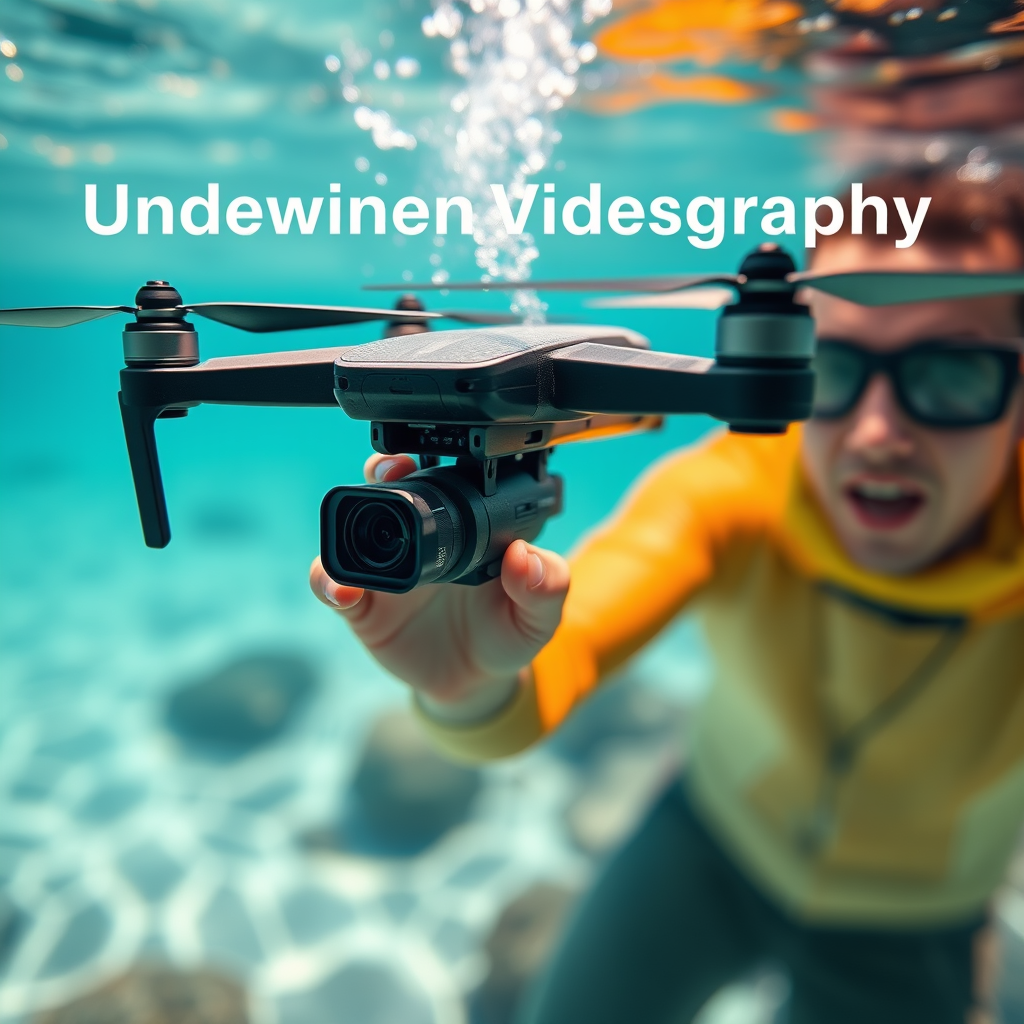
Using drones for underwater videography is an innovative way to capture stunning imagery and explore aquatic environments. To effectively use drones for this purpose, you need specialized underwater drones or drones with waterproof capabilities. This guide will walk you through the essential steps, techniques, and considerations necessary for achieving great underwater footage with drones, ensuring that you maximize the potential of your aerial technology while respecting the aquatic ecosystems you are filming.
Understanding Underwater Drones
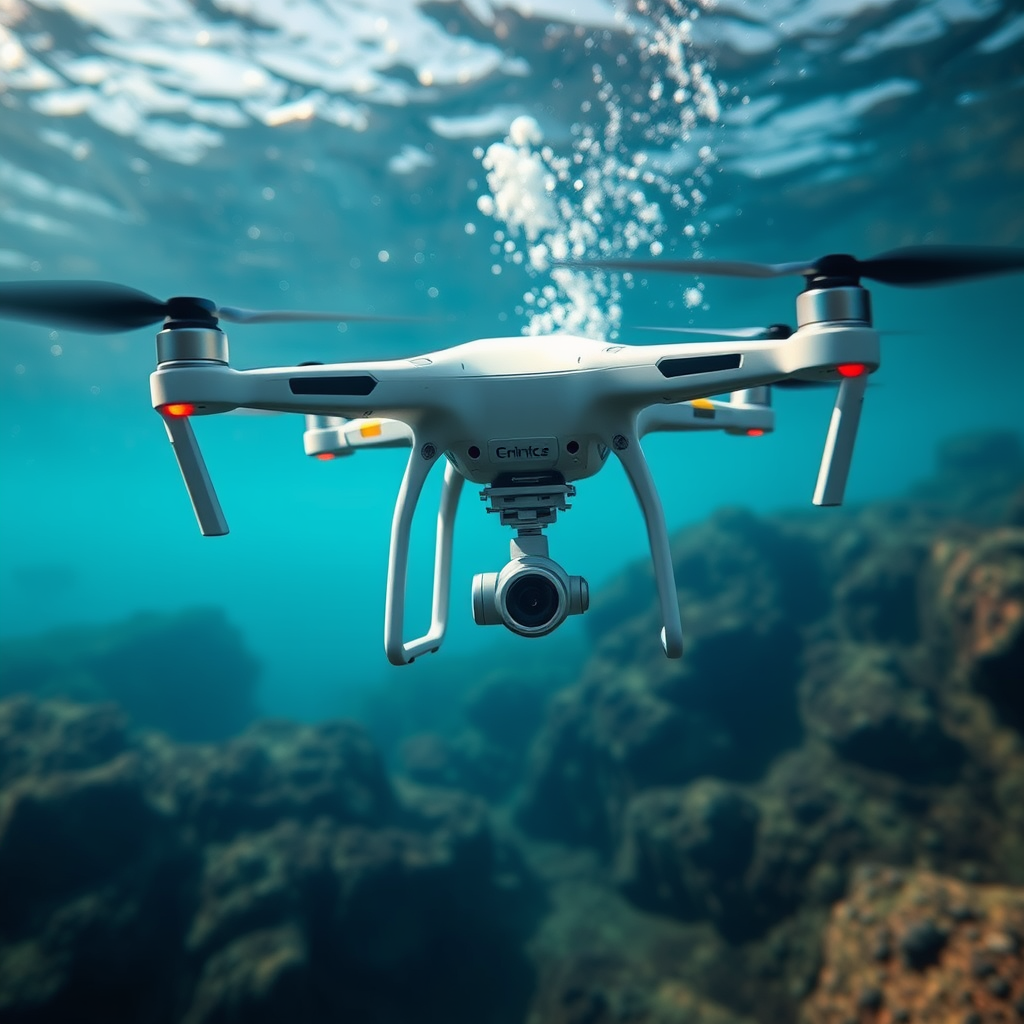
The market offers a variety of underwater drones, each designed for specific uses and environments. ROVs (Remotely Operated Vehicles) like the PowerVision PowerRay and the Chasing Dory have gained popularity for their ability to reach significant depths while providing high-definition video output. These drones are equipped with features such as adjustable buoyancy, which allows them to hover or ascend/descend easily, and they often come with built-in lights to enhance visibility in dark waters.
When selecting an underwater drone, key features to look for include the depth rating, which determines how deep the drone can operate without risking damage. For example, drones like the Blueye Pioneer can dive to depths of 150 meters, making them suitable for deep-sea exploration. Camera quality is equally crucial; look for drones that offer at least 1080p resolution with options for 4K, as well as stabilization features that reduce the effects of water turbulence on video quality.
Preparing for Your Underwater Shoot
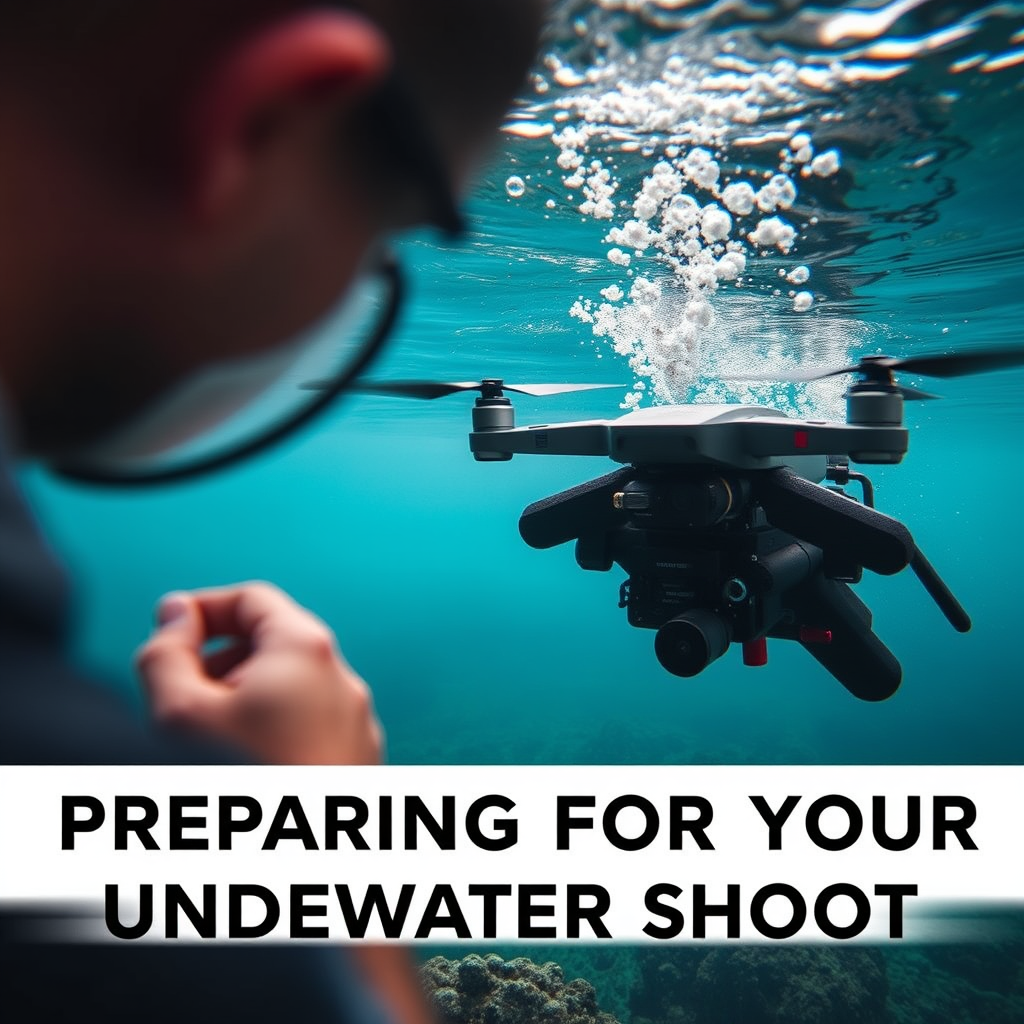
Preparation is vital for a successful underwater shoot. One of the first steps is to check the weather and water conditions. Windy or rainy weather can create challenging conditions not only for drone operation but also for visibility underwater. Ideally, choose a calm day with clear skies, as this will help reduce surface reflections and improve the overall quality of your footage.
Additionally, you should bring essential gear to ensure a smooth shoot. This includes safety equipment such as a life jacket, a floatation device for your drone, and a first-aid kit. Backup batteries are crucial since underwater drones can consume power rapidly, especially if you’re using lights for filming. Always prepare extra equipment like propeller guards and a repair kit for unexpected malfunctions.
Setting Up Your Drone for Underwater Videography
Before heading underwater, it’s imperative to calibrate your drone properly. Start by checking the compass and GPS settings to ensure accurate positioning. Many drones have a calibration function that can be activated through the accompanying mobile app or controller. Follow the on-screen instructions carefully to avoid potential navigation issues during your shoot.
Buoyancy and stability are also critical for capturing quality footage. You should test your drone in a controlled environment, such as a swimming pool, to fine-tune its buoyancy. Adjust the weight distribution by adding or removing ballast until the drone can maintain a steady hover at your desired depth. This stability is crucial for capturing smooth video footage, especially when maneuvering around aquatic environments.
Filming Techniques for Stunning Underwater Shots
When filming underwater, different techniques can enhance the quality of your shots significantly. One best practice is to experiment with angles and camera movements. For instance, slow and smooth movements generally yield more cinematic results compared to rapid or jerky motions. Consider using a low-angle shot to showcase the underwater terrain or marine life from an engaging perspective.
Lighting is another factor that can dramatically impact your footage. Water absorbs light, particularly red wavelengths, making colors appear more muted and less vibrant. Adjust your drone’s camera settings to compensate for this. Some drones offer white balance settings that can be adjusted based on the water depth and environmental conditions, allowing for more accurate color representation. Utilizing built-in lights can also help illuminate your subjects, making colors pop and enhancing overall clarity.
Editing Your Underwater Footage
Editing is where your underwater footage can truly come to life. Recommended software options include Adobe Premiere Pro, Final Cut Pro, and DaVinci Resolve, which all offer powerful tools for editing drone footage. Begin by organizing your footage into manageable clips, then focus on color correction to counteract the color loss experienced underwater.
Techniques such as color grading can be employed to enhance the vibrancy of marine life and the surrounding environment. Additionally, consider using filters to reduce water distortion and improve overall clarity. Stabilization features in editing software can also help smooth out any unintended shakes or movements captured during filming, resulting in a more professional-looking final product.
Safety and Environmental Considerations
Safety should always be a priority when operating drones in aquatic environments. Familiarize yourself with local regulations regarding drone usage, especially in protected marine areas. Ensure that you maintain a safe distance from swimmers, boats, and wildlife to avoid accidents and disturbances.
Moreover, minimizing your environmental impact is crucial. Be conscious of sensitive ecosystems and marine life, avoiding areas that are known to be breeding grounds or habitats for endangered species. Always follow the principles of “Leave No Trace” to ensure that your drone operations do not negatively affect the natural environment. This approach not only protects marine life but also fosters responsible drone use within the community.
Incorporating drones into underwater videography opens up a world of creative possibilities. By following the steps outlined above, you can capture breathtaking footage while ensuring safety and protecting marine environments. Now that you’re equipped with the knowledge, it’s time to plan your next underwater adventure and start filming!
Frequently Asked Questions
What types of drones are best for underwater videography?
For underwater videography, specialized drones known as underwater drones or remotely operated vehicles (ROVs) are the best choice. These drones are designed to withstand water pressure and operate efficiently underwater, often equipped with high-definition cameras and LED lights. Popular models like the PowerVision PowerRay and the Chasing Dory are user-friendly and offer great videography capabilities, making them ideal for both amateurs and professionals.
How do I prepare my drone for underwater filming?
Preparing your drone for underwater filming involves several crucial steps. First, ensure you have a waterproof drone or a protective housing to prevent water damage. Next, familiarize yourself with your drone’s camera settings and aquatic features, such as depth limits and stabilization options. Finally, check battery life and ensure all components, including propellers and cameras, are functioning properly before your dive to capture stunning underwater footage.
Why is lighting important for underwater drone videography?
Lighting is essential for underwater drone videography because water absorbs light differently than air, leading to darker and less vibrant footage. Natural sunlight can be limited underwater, especially at greater depths, which can result in dull colors and reduced visibility. Using built-in LED lights or external lighting systems can enhance color saturation and clarity, allowing you to capture vivid and dynamic underwater scenes.
What techniques can improve my underwater drone videography skills?
To enhance your underwater drone videography skills, focus on smooth, controlled movements to avoid shaky footage. Utilizing waypoint navigation can help create consistent shots, while adjusting your camera settings for varying light conditions will improve image quality. Additionally, practicing different angles and heights can provide unique perspectives, allowing you to tell more compelling underwater stories through your videos.
Which environmental factors should I consider when using drones for underwater videography?
When planning underwater videography with drones, consider factors such as water temperature, currents, visibility, and marine life activity. These elements can significantly affect your drone’s performance and the quality of your footage. It’s advisable to research local regulations regarding drone use in aquatic environments, as certain areas may have restrictions to protect wildlife and habitats.
References
- Aerial photography
- https://www.sciencedirect.com/science/article/pii/S2352864817300535
- https://www.nasa.gov/feature/nasa-s-drones-help-collect-data-in-the-ocean
- https://www.nationalgeographic.com/environment/article/drones-oceans-technology-conservation
- https://www.researchgate.net/publication/324076047_A_comprehensive_review_on_the_applications_of_drones_in_aquatic_ecosystems
- Sea Technology magazine
- https://www.nature.com/articles/s41598-020-67493-7
- Soil Moisture Mapping Based on Multi-Source Fusion of Optical, Near-Infrared, Thermal Infrared, a…
