
The rise in popularity of drone panorama shots can be attributed to their ability to capture breathtaking perspectives that traditional photography simply cannot achieve. These aerial views provide a unique and immersive experience, appealing to both amateur and professional photographers. The advent of advanced drone technology, combined with the growing influence of social media, has made it easier than ever for individuals to explore this innovative form of photography. In this article, we will delve into the reasons behind this trend and examine what makes drone panorama shots so captivating.
The Technological Advancements in Drones
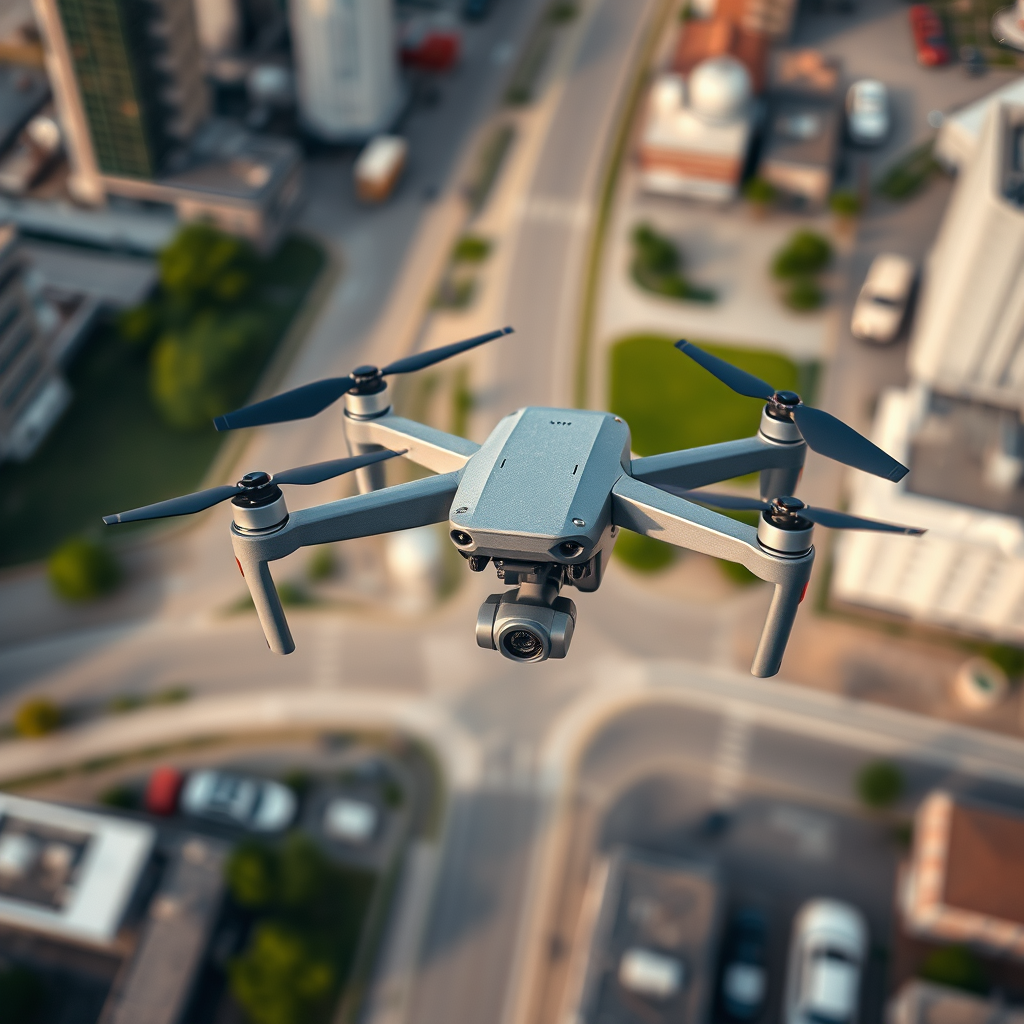
One of the foremost reasons for the increasing popularity of drone panorama shots is the significant technological advancements in drone capabilities. Improved camera quality has been a game-changer, allowing drones to capture high-resolution images that rival those taken with traditional DSLR cameras. Many modern drones are equipped with 4K cameras or even higher, enabling photographers to capture intricate details and vibrant colors from the sky.
Furthermore, enhanced stability features in drones contribute to smoother and clearer shots. Advanced gimbal stabilization systems help to eliminate the shakiness often associated with aerial photography, resulting in professional-grade panoramas. For instance, drones like the DJI Mavic Air 2 and the DJI Phantom 4 Pro come equipped with sophisticated stabilization technology that ensures the camera remains steady, even in windy conditions. This level of stability allows photographers to focus on composition and creativity, rather than worrying about the technical aspects of capturing a clear image.
The Growing Accessibility of Drone Technology
The accessibility of drone technology plays a crucial role in the surge of drone panorama shots. As manufacturing processes streamline and competition increases, the prices of consumer drones have significantly decreased in recent years. This price reduction has made drones more affordable for hobbyists, leading to a wider demographic of individuals interested in aerial photography. Entry-level drones, such as the DJI Mini SE, offer impressive features at a fraction of the cost of high-end models, making them ideal for beginners.
Moreover, user-friendly designs contribute to the growing popularity of drones. Many modern drones come with intuitive controls and guided flight modes, enabling novice pilots to operate them with ease. Features like one-button takeoff and landing, along with automated flight paths for capturing panoramic shots, reduce the learning curve for those new to drone photography. As a result, more people are empowered to explore the skies and create stunning aerial imagery without extensive training.
The Impact of Social Media on Photography Trends
Social media platforms, particularly Instagram and TikTok, have significantly amplified the appeal of drone panorama shots. Users on these platforms are increasingly drawn to stunning visuals, and aerial photography provides a fresh and engaging way to showcase landscapes, events, and personal experiences. The visually striking nature of drone panoramas catches the attention of viewers scrolling through their feeds, encouraging users to share and engage with this content.
Furthermore, viral trends often create a demand for unique and eye-catching visuals. Challenges and hashtags related to aerial photography can quickly gain traction, motivating photographers to experiment with drone panoramas to stay relevant and increase their visibility online. For example, the #dronephotography hashtag has garnered millions of posts, showcasing the creativity and diversity within this niche. Photographers who embrace this trend not only expand their portfolios but also enhance their online presence, leading to potential collaborations and business opportunities.
The Appeal of Unique Perspectives
The allure of unique perspectives offered by drone panoramas is undeniable. Traditional ground-level photography often limits the visual narrative to a narrow field of view. In contrast, drone panoramas provide expansive views that reveal the interconnectedness of landscapes and urban environments. This bird’s-eye perspective can transform the ordinary into the extraordinary, highlighting the beauty of natural landscapes, cityscapes, and architectural marvels from angles that are often overlooked.
For example, capturing a panoramic view of a sprawling national park or a bustling city skyline can evoke a sense of wonder and scale that ground-level images cannot replicate. The ability to tell a more comprehensive story through expansive vistas adds depth to a photographer’s work, allowing them to engage viewers on a more profound level. Additionally, drone panoramas can be combined with video footage to create immersive experiences that captivate audiences, making them a valuable tool for storytelling in various contexts.
Applications Beyond Aesthetics
While drone panorama shots are visually stunning, their applications extend beyond mere aesthetics. One of the most notable uses is in the real estate industry, where drone photography provides prospective buyers with comprehensive views of properties and their surroundings. High-quality aerial imagery can showcase the size of a property, its proximity to amenities, and the overall appeal of the neighborhood, making it an invaluable marketing tool for real estate agents.
Beyond real estate, drone panoramas have practical applications in industries such as agriculture, construction, and tourism. In agriculture, drones equipped with cameras can monitor crop health and assess land conditions from above, providing farmers with critical data for decision-making. In construction, aerial shots can track progress, assess site conditions, and document projects at various stages. Additionally, tourism boards are increasingly using drone panoramas in promotional campaigns to showcase destinations in an engaging manner, drawing travelers with stunning visuals that highlight the unique features of a location.
Legal and Ethical Considerations
As the popularity of drone photography grows, so do the legal and ethical considerations surrounding its use. Understanding regulations for drone operation is crucial for ensuring safe and responsible flying. In many countries, drone pilots must adhere to specific guidelines set forth by aviation authorities, which may include obtaining licenses, registering drones, and respecting no-fly zones. Failing to comply with these regulations can result in fines or legal repercussions.
Equally important is the need to respect privacy and environmental concerns. Drone pilots should be mindful of flying over private properties without permission and should avoid capturing images that infringe on individuals’ privacy. Additionally, it is essential to consider the impact of drone flights on wildlife and natural habitats. Ethical photography involves being conscious of one’s surroundings and striving to minimize disruptions to the environment and local communities.
In summary, the trend of drone panorama shots is driven by technological advancements, accessibility, and the influence of social media. As photographers continue to explore new creative avenues, drone photography will likely remain a popular choice for capturing stunning visuals. If you’re interested in this trend, consider investing in a drone and experimenting with panoramic shots to elevate your photography portfolio. Embrace the unique perspectives that aerial imagery offers, and remember to adhere to ethical practices to contribute positively to this evolving field.
Frequently Asked Questions
Why are drone panorama shots becoming so popular in photography?
Drone panorama shots are gaining popularity due to their ability to capture stunning, expansive views that traditional photography cannot achieve. These aerial images provide a unique perspective of landscapes, cityscapes, and events, making them highly shareable on social media platforms. The advancement of drone technology, including high-resolution cameras and user-friendly controls, has also made aerial photography more accessible to amateur photographers and content creators.
What are the benefits of using drones for panoramic photography?
Using drones for panoramic photography offers several benefits, including the ability to capture vast areas in a single frame, which enhances storytelling and visual impact. Drones can easily access remote or hard-to-reach locations, ensuring unique compositions that stand out. Additionally, the versatility of drones allows photographers to experiment with different angles and altitudes, resulting in dynamic and engaging images that attract viewers.
How can I get started with drone panorama photography?
To get started with drone panorama photography, first, invest in a quality drone equipped with a high-resolution camera. Familiarize yourself with local regulations and obtain the necessary licenses for flying in your area. Practice flying your drone in open spaces, and learn how to use panorama modes available in your drone’s software to stitch together images seamlessly. Lastly, explore various landscapes and settings to find the perfect subjects for your aerial panoramas.
What types of drones are best for capturing panoramic shots?
The best drones for capturing panoramic shots typically feature high-resolution cameras, stable flight systems, and advanced image stabilization technology. Models such as the DJI Mavic Air 2 and the DJI Phantom 4 Pro are popular choices due to their excellent camera quality and user-friendly controls. Additionally, look for drones that offer automated panorama modes, which simplify the process of capturing and stitching images together for stunning results.
Which industries benefit the most from drone panorama shots?
Several industries benefit from drone panorama shots, including real estate, tourism, and environmental monitoring. In real estate, aerial panoramas help showcase properties and their surroundings, attracting potential buyers. The tourism industry uses these captivating images to promote destinations, while environmental researchers employ drones to monitor landscapes and track changes over time. As the demand for high-quality visual content continues to rise, drone panorama photography is becoming an essential tool across various sectors.
References
- Aerial photography
- https://www.theguardian.com/technology/2021/jul/15/drones-photography-2021-trends
- https://www.sciencedirect.com/science/article/pii/S235286482100021X
- https://www.nytimes.com/2020/02/10/technology/drone-photography.html
- https://www.wired.com/story/drone-photography-panoramas/
- https://www.nationalgeographic.com/science/article/what-are-drones-and-how-are-they-used
- https://www.reuters.com/technology/drone-photography-its-easy-capture-beauty-from-above-2021-05-22/
