
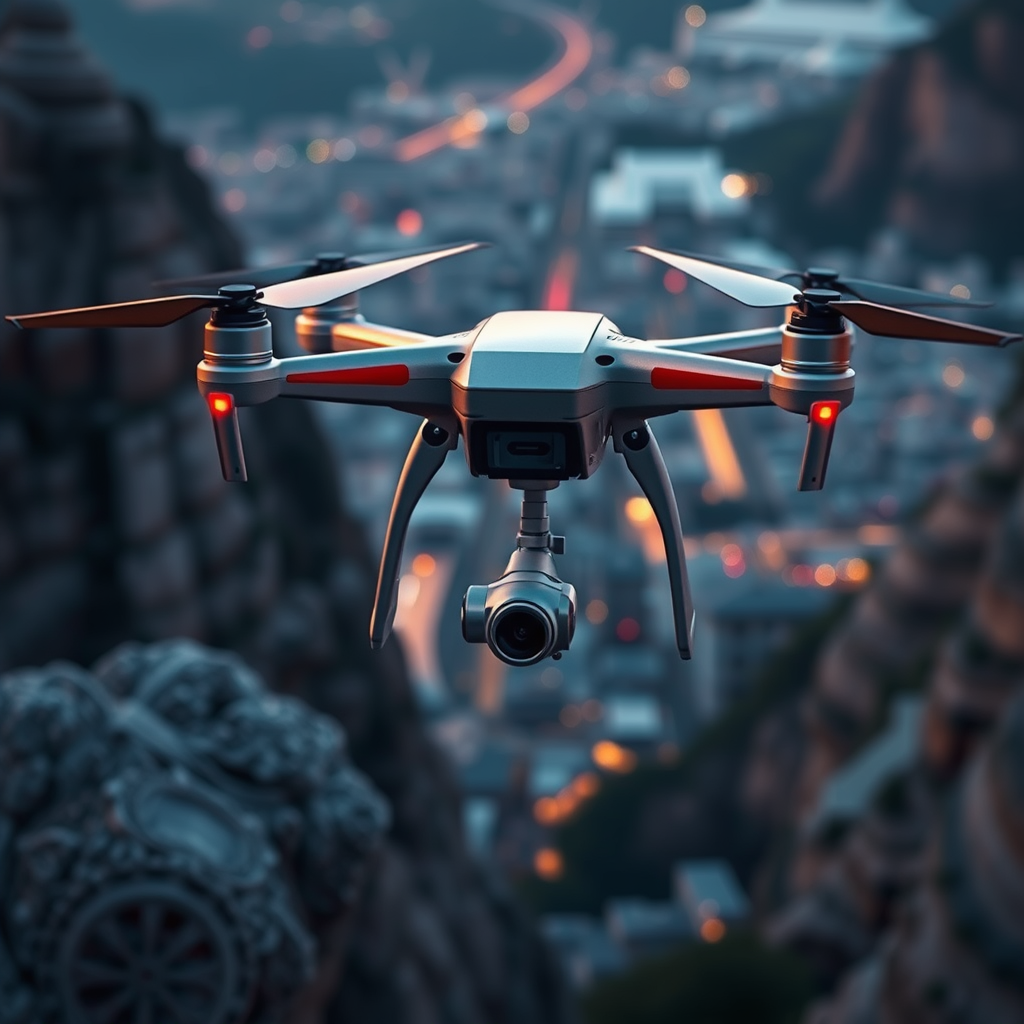
High-altitude photography requires specialized drones that can not only ascend to impressive elevations but also capture exceptional images with clarity and detail. The right drone will allow photographers to explore breathtaking landscapes, dramatic mountain ranges, and expansive vistas from above. In this guide, you’ll discover the top drones specifically designed for high-altitude photography, ensuring you capture stunning aerial shots that elevate your photography portfolio.
Key Features to Look For
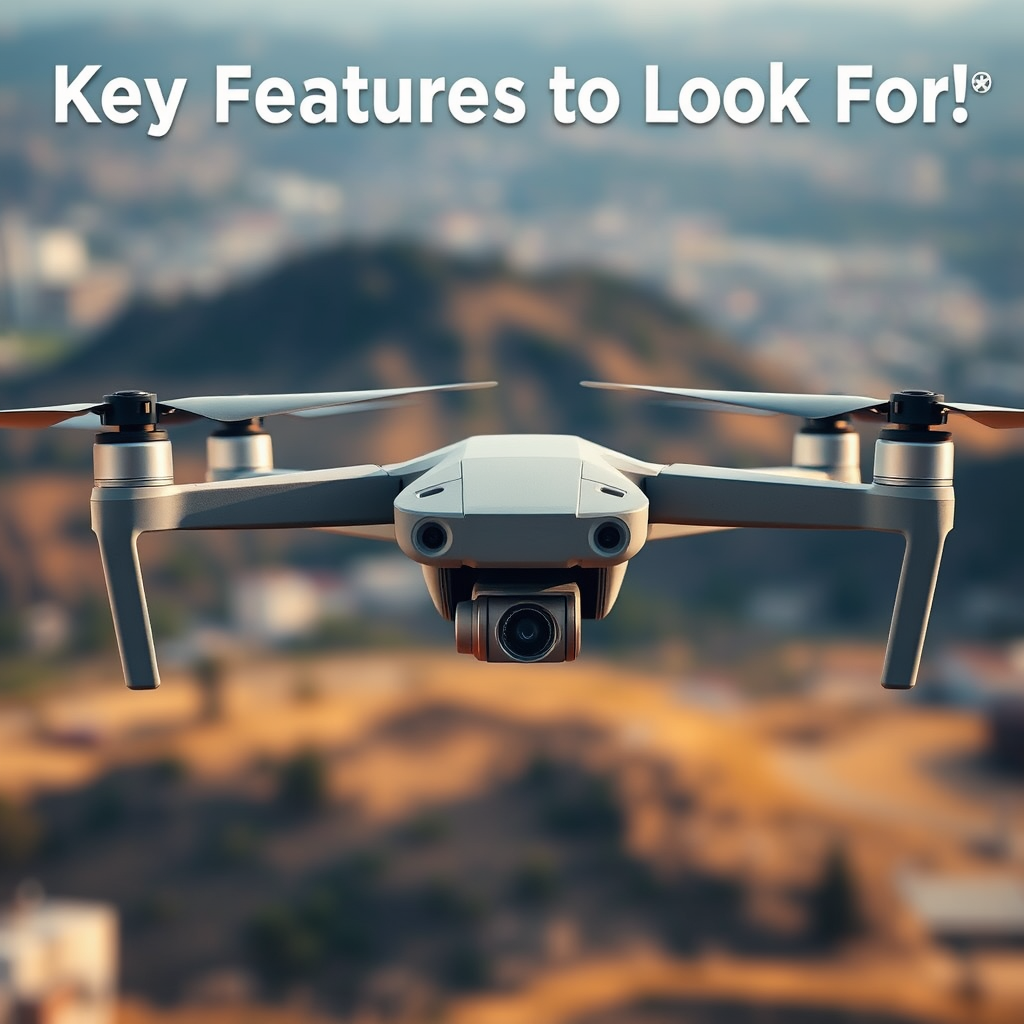
When selecting a drone for high-altitude photography, there are several key features to consider that will significantly impact your shooting experience and the quality of your final images.
– Altitude Capability: The ability to reach high altitudes is paramount. Look for drones that can ascend to at least 15,000 feet or higher without losing stability or signal. This capability not only allows for unique perspectives but also enables you to capture images that are otherwise unreachable.
– Camera Quality: A high-resolution camera is essential for capturing detailed images, especially at high altitudes where lighting can vary dramatically. Drones equipped with large sensors, such as 1-inch or 4/3 CMOS cameras, provide superior image quality and low-light performance, which is crucial for capturing intricate details in landscapes.
– Battery Life: The longer your drone can stay in the air, the more opportunities you have to capture the perfect shot. Look for drones that offer flight times of at least 30 minutes. This extended battery life ensures you can maximize your shooting sessions without the need for frequent landings to swap batteries.
Top Drones for High-Altitude Photography
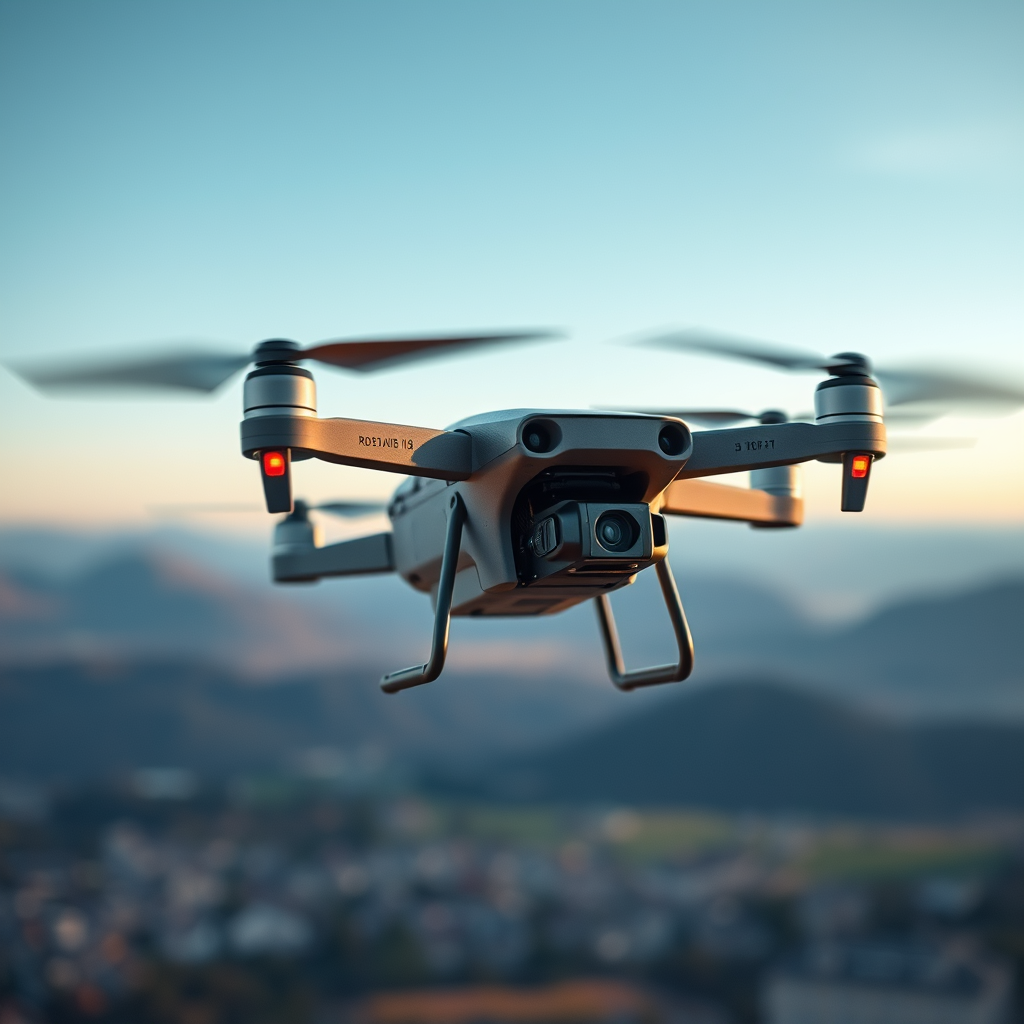
Several drones stand out in the market for their capabilities in high-altitude photography. Here are three of the top contenders:
– DJI Mavic 3: The DJI Mavic 3 is a leading choice for serious photographers, offering a 4/3 CMOS camera with a 20MP resolution and an impressive dynamic range. It can fly up to 6.1 miles and has an extensive battery life of approximately 46 minutes. Its advanced obstacle avoidance and GPS technology ensure stable flight even in challenging conditions, making it ideal for capturing stunning landscapes from high altitudes.
– Autel Robotics EVO Lite+: The Autel EVO Lite+ features a 1-inch CMOS sensor and can capture 50MP images and 6K video at 30fps. With a flight time of up to 40 minutes and a maximum altitude of 16,404 feet, this drone is perfect for those looking to shoot high-resolution images in various lighting conditions. Its advanced HDR capabilities enhance image quality, making it a strong contender for high-altitude photography.
– Parrot Anafi USA: Known for its unique tilt gimbal and 32x zoom capabilities, the Parrot Anafi USA is particularly well-suited for aerial surveying and detailed landscape photography. It offers 4K HDR video and can fly at altitudes up to 4,500 meters (approximately 14,764 feet). Its lightweight design and compact size make it easy to transport, allowing photographers to venture into remote areas with ease.
Flight Performance and Stability
Flight performance and stability are critical factors when conducting high-altitude photography. Drones must maintain stability while navigating the often unpredictable conditions found at elevated heights.
– GPS and Obstacle Avoidance: Drones equipped with advanced GPS and obstacle avoidance systems are essential for ensuring stability and safety during high-altitude flights. These features help prevent collisions with obstacles and ensure that the drone remains on course, even in challenging environments.
– Wind Resistance: High altitudes often present significant wind challenges. Drones with strong wind resistance ratings are better equipped to handle turbulent air, allowing for more stable flight and clearer images. Look for models that can withstand winds of at least 20 mph to ensure reliable performance.
Ease of Use and Control
User experience plays a significant role in the effectiveness of high-altitude photography. Photographers need to focus on capturing the perfect shot rather than struggling with complex controls.
– User-Friendly Interfaces: Drones with intuitive control schemes are vital for easy maneuvering at high altitudes. Touchscreen controllers, customizable buttons, and mobile app integration can significantly enhance the user experience, allowing photographers to adjust settings quickly and efficiently.
– Smart Flight Modes: Modern drones come equipped with various smart flight modes that enhance the photographic experience. Features like Follow Me, Point of Interest, and Waypoint Navigation allow for creative compositions and can automate complex shooting techniques, enabling photographers to concentrate on the artistic aspects of their work.
Safety Considerations for High-Altitude Photography
Safety should always be a top priority when engaging in high-altitude photography. Being aware of regulations and conducting thorough pre-flight checks can prevent accidents and ensure a successful shoot.
– Regulatory Compliance: Before flying at high elevations, always check local regulations regarding drone flights. Many regions have specific laws governing maximum altitude, no-fly zones, and permit requirements. Staying informed about these regulations not only ensures compliance but also promotes safe flying practices.
– Pre-Flight Checks: Conducting thorough pre-flight checks is crucial for a successful shoot. Ensure that battery levels are sufficient, GPS functionality is operational, and camera settings are optimized for the conditions. This preparation minimizes the risks associated with flying at high altitudes.
Tips for Capturing the Best Aerial Shots
To elevate your high-altitude photography further, consider these expert tips that can enhance the quality of your aerial images.
– Golden Hour Timing: Timing your shoots during the golden hour—shortly after sunrise or before sunset—can dramatically enhance the quality of your photos. The soft, warm light during these times helps to reduce harsh shadows and adds depth to your images, creating a more captivating aesthetic.
– Composition Techniques: Employing effective composition techniques, such as using leading lines, interesting foregrounds, and the rule of thirds, can significantly improve the impact of your high-altitude shots. Experiment with different angles and perspectives to create dynamic images that draw the viewer’s eye.
In summary, high-altitude photography requires selecting the right drone that combines altitude capability, camera quality, and battery life. The DJI Mavic 3, Autel Robotics EVO Lite+, and Parrot Anafi USA are among the best choices for capturing stunning images from the sky. Prioritize flight performance, ease of use, and safety considerations to ensure a successful photography experience. As you venture into the world of aerial photography, remember to stay informed about regulations and practice safe flying techniques to achieve the best results.
Frequently Asked Questions
What features should I look for in drones for high-altitude photography?
When selecting a drone for high-altitude photography, prioritize features such as a high-resolution camera (preferably 4K or higher), excellent stabilization technology (like a gimbal), and a robust battery life for extended flight times. Additionally, consider the drone’s maximum altitude capability, GPS accuracy, and obstacle avoidance systems, as these will enhance safety and image quality during high-altitude captures.
How do weather conditions affect high-altitude drone photography?
Weather conditions play a crucial role in high-altitude drone photography. Windy conditions can lead to unstable flights, causing blurry images and potential loss of control. Additionally, factors like temperature and humidity can affect battery performance and camera functionality. It’s essential to check the local weather forecast and choose optimal conditions (clear skies and light winds) for your drone photography sessions.
Why is it important to choose a drone with a strong battery for high-altitude photography?
Choosing a drone with a strong battery is vital for high-altitude photography because higher altitudes can lead to decreased battery performance due to lower temperatures and increased power demands. A longer battery life allows for extended flight times, ensuring you can capture the desired shots without the risk of your drone running out of power mid-flight. Always check the maximum flight time specifications before purchasing a drone for high-altitude use.
Which drones are considered the best for high-altitude photography in 2023?
Some of the best drones for high-altitude photography in 2023 include the DJI Mavic 3, known for its impressive camera capabilities and advanced obstacle sensing; the Autel Robotics EVO Lite+, which offers great battery life and 6K video; and the Skydio 2, which excels in autonomous flying and obstacle avoidance. Each of these models combines high-quality imaging with reliable performance, making them ideal for capturing stunning aerial shots at higher altitudes.
What are the legal considerations for flying drones at high altitudes?
When flying drones at high altitudes, it’s essential to adhere to local regulations set by authorities such as the FAA in the United States. This includes maintaining visual line-of-sight, not exceeding the legal altitude limit (typically 400 feet), and avoiding restricted airspace near airports or military installations. Additionally, obtaining the necessary permits and understanding drone insurance can help mitigate risks and ensure a safe flying experience.
References
- Aerial photography
- https://www.nytimes.com/2021/06/01/technology/drone-photography.html
- https://www.sciencedirect.com/science/article/pii/S2212567119300552
- https://www.reuters.com/technology/drone-photography-expanding-beyond-its-roots-2021-09-12/
- https://www.wired.com/story/drones-photography/
- https://www.techcrunch.com/2022/03/15/best-drones-for-photography-2022/
- https://www.nist.gov/news-events/news/2021/01/using-drones-collect-data-global-warming
- https://www.nationalgeographic.com/science/article/drones-are-helping-collect-environmental-data
- https://www.usgs.gov/mission-areas/water-resources/science/using-drones-water-resource-management
