
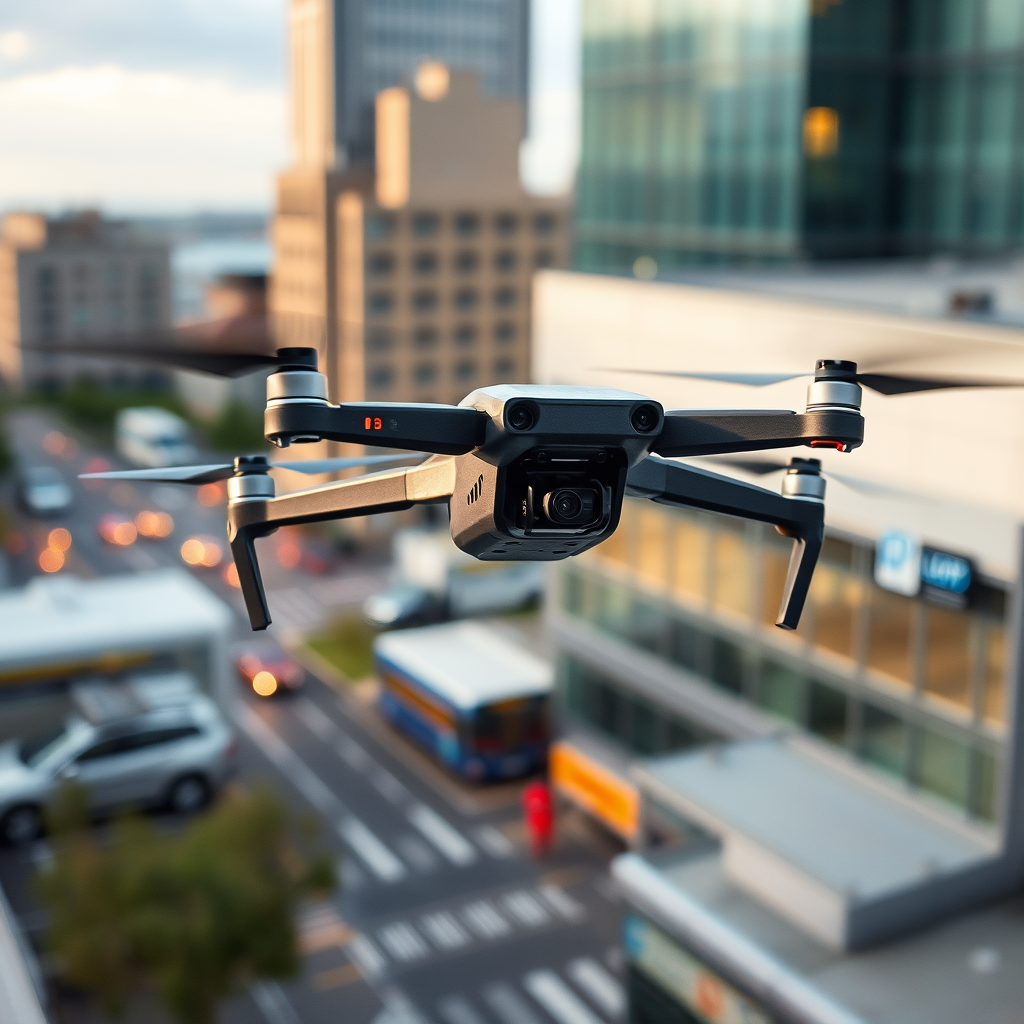
Capturing stunning drone shots in urban areas can be achieved safely by prioritizing understanding of local regulations, meticulous planning, and maintaining situational awareness during your flight. Urban environments present unique challenges, such as crowded spaces and regulatory restrictions, which require thoughtful preparation to navigate successfully. In this article, we will guide you through the essential steps to ensure you capture breathtaking aerial imagery without compromising safety.
Understand Local Regulations
The first and most critical step in planning your drone shoot in urban areas is to understand local regulations. Each city, state, and country may have its own set of laws governing the use of drones. It is paramount to research and familiarize yourself with these specific local laws, as they can dictate where and when you can fly.
For instance, many urban areas have designated no-fly zones, which often include locations like airports, hospitals, and large public gatherings. The Federal Aviation Administration (FAA) in the United States has established regulations that require drone operators to keep their aircraft below 400 feet and to maintain visual line-of-sight. Additionally, certain cities may require permits or licenses to fly drones in public spaces, a requirement that can vary significantly from one jurisdiction to another.
Utilizing resources such as the FAA’s B4UFLY app can provide real-time information on airspace restrictions and local regulations. Ensuring compliance not only protects you legally but also contributes to the broader safety of the community.
Plan Your Flight Path
Once you have a solid understanding of the regulations, the next step is to plan your flight path. This involves scouting your shooting locations in advance. By visiting the sites prior to your shoot, you can identify the best angles for your shots while also recognizing potential obstacles, such as buildings, trees, and power lines.
Moreover, employing drone flight planning apps like AirMap or DroneLogbook can greatly assist in mapping out your intended route. These applications provide features that allow you to visualize your flight path and ensure that it remains within safe boundaries, considering both altitude and distance from restricted areas. This strategic planning is not only essential for capturing the best imagery but also for ensuring a smooth and safe operation of your drone.
Check Weather Conditions
Weather plays a pivotal role in the success of drone photography, especially in urban settings. Before you take off, it is crucial to monitor real-time weather updates to avoid unfavorable flying conditions such as high winds, rain, or fog, which can severely impact both safety and the quality of your shots.
For example, strong winds can make it difficult to control your drone, increasing the risk of crashes or losing your aircraft altogether. Similarly, flying in low visibility conditions can lead to accidents, as it becomes challenging to maintain your visual line of sight.
To enhance the quality of your shots, consider how different weather conditions—such as golden hour lighting or dramatic cloud cover—can enhance your imagery. Websites and apps like Weather.com or Windy can provide detailed forecasts that help you make informed decisions about your shooting schedule.
Stay Aware of Your Surroundings
Situational awareness is vital when flying drones in urban areas. Always keep an eye out for people, vehicles, and other potential hazards while operating your drone. Urban environments are often bustling with activity, making it essential to maintain a safe distance from crowds and busy streets.
Implementing a safety perimeter around your flying zone is advisable, ensuring that you are not only compliant with regulations but also protecting the public. For instance, if you are capturing footage of a city skyline, consider a safe altitude and distance that minimizes risk while still achieving your desired angles.
Additionally, having a spotter can be beneficial. This person can help monitor the surroundings while you focus on flying, allowing you to react promptly to any unexpected obstacles, such as pedestrians or unforeseen traffic.
Utilize Safety Features on Your Drone
Modern drones are equipped with numerous built-in safety features designed to enhance the flying experience and minimize risks. Familiarizing yourself with these features, such as obstacle avoidance systems, GPS positioning, and return-to-home functions, is crucial for ensuring safe operations.
For example, many drones come with automatic return-to-home capabilities that activate if the battery is running low or if the connection to the remote control is lost. Regularly updating your drone’s firmware is also essential, as manufacturers often release updates that improve functionality and safety features.
By leveraging these technological advantages, you can significantly reduce the likelihood of accidents and enhance your overall flying experience, allowing you to focus more on capturing stunning imagery rather than worrying about potential mishaps.
Capture Quality Shots Responsibly
Finally, as you prepare to capture quality shots, it is essential to do so responsibly. Experimenting with various angles and heights can lead to breathtaking visuals, but it is imperative to adhere to safety protocols throughout the process.
Moreover, respecting privacy laws and the rights of individuals while capturing images in public spaces is critical. For instance, while you may have the right to fly in certain areas, capturing images of private property without permission can lead to legal complications. Always consider the ethical implications of your shots and strive to maintain a balance between artistic expression and respect for others.
By taking the time to plan your shoots responsibly, you can create stunning imagery that showcases urban landscapes while honoring the rights and safety of those around you.
In summary, capturing drone shots in urban areas can be a fulfilling endeavor when approached with a safety-first mindset. By understanding local regulations, planning your flight path, checking weather conditions, staying aware of your surroundings, utilizing your drone’s safety features, and capturing shots responsibly, you can ensure a successful and enjoyable drone photography experience. As you prepare for your next shoot, remember to prioritize safety above all else, allowing you to capture breathtaking imagery while respecting local guidelines and community norms.
Frequently Asked Questions
What regulations should I be aware of when flying a drone in urban areas?
When flying a drone in urban areas, it’s crucial to familiarize yourself with both local and federal regulations. In the U.S., the FAA requires drone pilots to register their drones, adhere to altitude limits, and maintain a line of sight. Additionally, many cities have specific laws regarding drone flights, particularly near crowds, public properties, and restricted airspace. Always check with local authorities and the FAA’s UAS regulations before taking off to ensure compliance.
How can I ensure the safety of people and property while capturing drone shots in urban environments?
To ensure safety while capturing drone shots in urban areas, always conduct a pre-flight checklist that includes assessing the flight area for obstacles, people, and restricted zones. Use a drone with obstacle avoidance technology and maintain a safe distance from crowds and buildings. It is also wise to fly during times when fewer people are around and to obtain permission if you plan to capture footage near private properties.
What are the best practices for capturing high-quality drone shots in busy cityscapes?
To capture high-quality drone shots in urban settings, plan your flight path ahead of time, focusing on unique angles that highlight architectural features and city landmarks. Utilize different flight modes, such as “Follow Me” or “Waypoints,” to create dynamic shots. Pay attention to lighting conditions; early mornings or late afternoons often provide the best natural light. Lastly, ensure your drone’s camera settings are optimized for the environment to produce stunning visuals.
Why is it important to have insurance for drone operations in urban areas?
Having insurance for drone operations in urban areas is critical due to the increased risk of accidents involving people, vehicles, or property. Liability insurance can help protect you from significant financial losses resulting from damages or injuries caused by your drone. Additionally, some locations may require proof of insurance before granting permission to fly, making it a necessary aspect of responsible drone operation in city environments.
Which drones are best suited for capturing urban shots with stability and clarity?
When selecting a drone for capturing urban shots, look for models known for stability and high-quality camera capabilities, such as the DJI Mavic Air 2 or the Autel Robotics EVO Lite. These drones typically offer advanced stabilization features like gimbal systems, high-resolution cameras, and intelligent flight modes, making them ideal for navigating complex urban landscapes. Always consider factors such as battery life, range, and ease of use to ensure you have the best equipment for your aerial photography needs.
References
- Remote Identification of Drones | Federal Aviation Administration
- https://www.nytimes.com/2021/02/20/technology/drone-laws.html
- https://www.wired.com/story/drone-safety-urban-environments/
- https://www.dronepilotgroundschool.com/drone-safety-tips/
- https://www.suasnews.com/2020/06/drone-safety-in-urban-environments/
- https://www.nps.gov/articles/drone-safety.htm
- https://www.theguardian.com/technology/2020/oct/08/drones-safety-urban-areas
- https://www.unm.edu/~drone/urban-drone-safety-guide.pdf
