
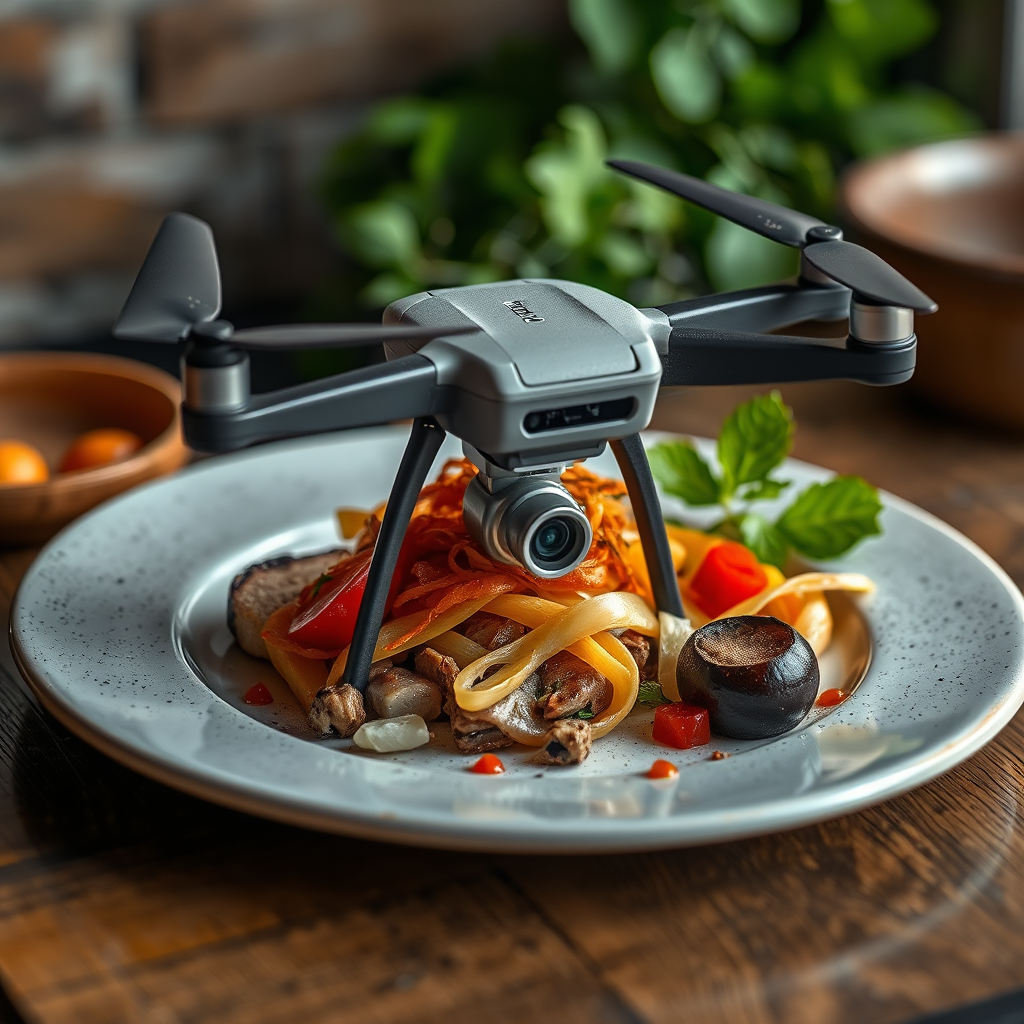
Using drones for food photography can elevate your culinary images to stunning new heights, quite literally. By capturing aerial perspectives, you can showcase dishes in creative ways that traditional photography cannot match. Drones allow for unique angles and compositions that highlight the intricate details of food presentation. In this article, you’ll discover the essential tips and techniques for effectively using drones to enhance your food photography.
Understanding Drone Types for Food Photography
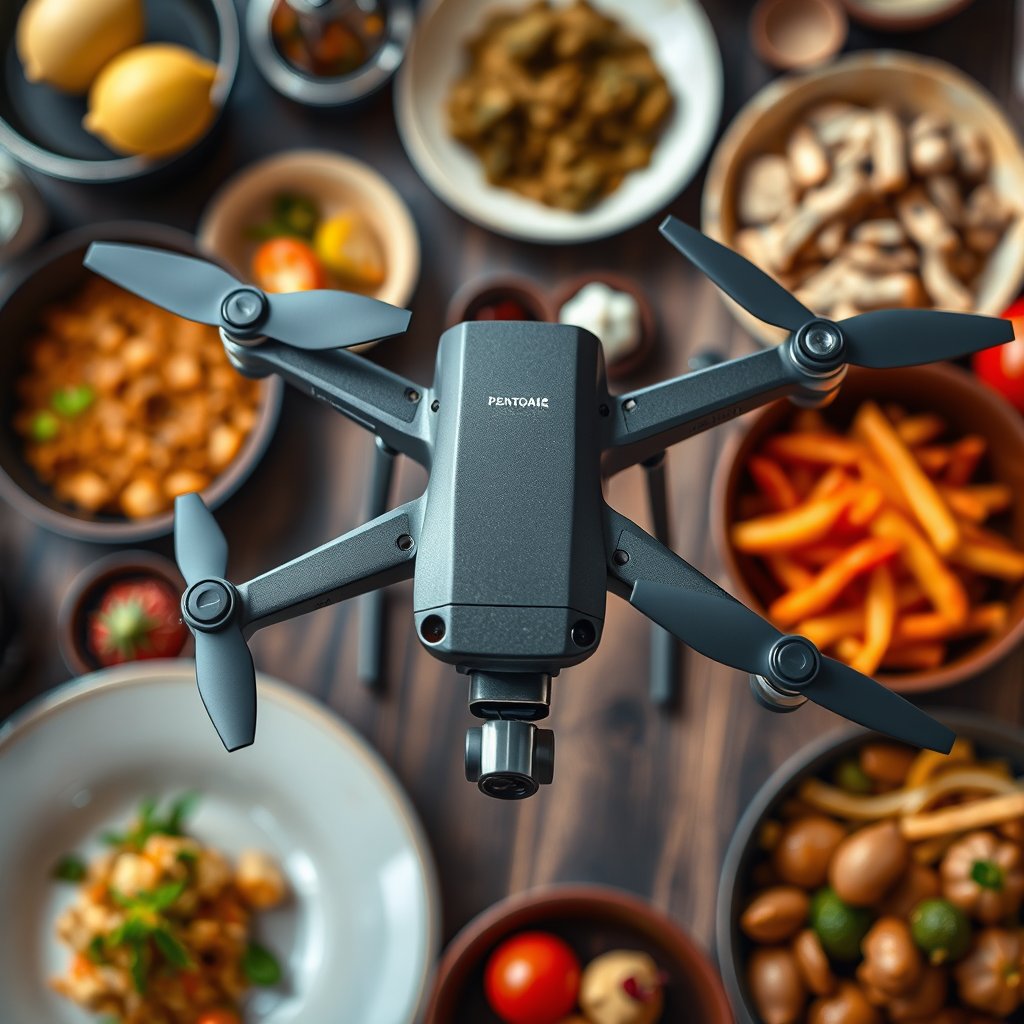
When considering drones for food photography, it’s crucial to understand the various models available and their respective capabilities. Drones like the DJI Mavic Air 2 or the Phantom 4 Pro stand out due to their high-resolution cameras, which can shoot 4K video and capture detailed stills. The camera quality is paramount, as it directly impacts the clarity and vibrancy of your food images. Additionally, stability in flight is essential; drones equipped with gimbals ensure that your shots remain steady, even in windy conditions.
Battery life and range are also critical factors to consider. A drone that can fly for at least 30 minutes will allow you to capture multiple angles without the need for frequent recharging. The range should ideally be 1-2 kilometers to facilitate shooting in diverse locations without losing connectivity. Researching and selecting the right drone model based on these criteria will set a strong foundation for successful food photography.Preparing for Your Shoot
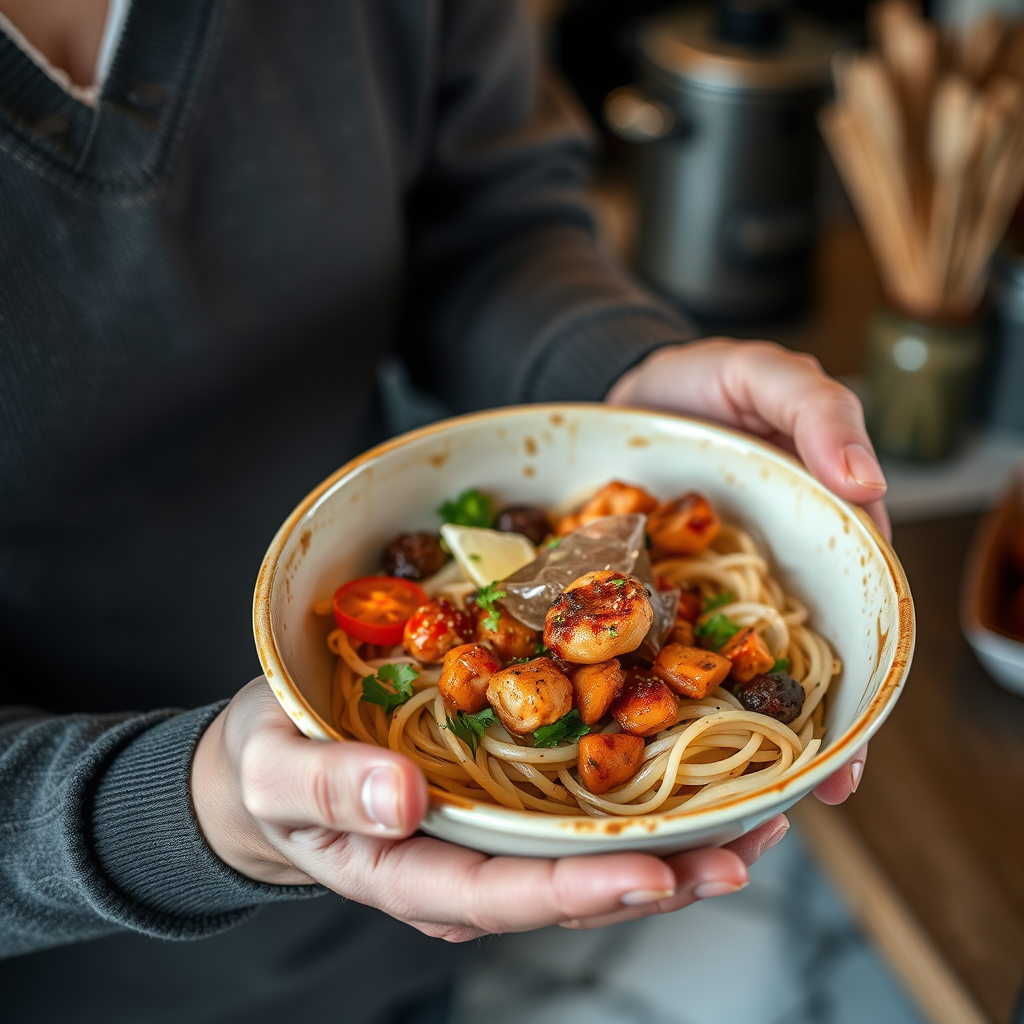
Preparation is key to achieving stunning aerial food photography. Start by evaluating your location to identify the best times for shooting, ideally during the golden hour when natural lighting is soft and warm. Look for aesthetic backgrounds that complement your dish, such as textured wooden tables or vibrant outdoor settings, which can enhance the overall visual appeal of your images.
Planning your shot angles in advance can also maximize visual impact. Consider a variety of perspectives—directly above for symmetry, or at an angle to showcase depth. Using a sketch or a shot list can help in organizing your ideas and ensuring that you capture all necessary angles during your shoot. Additionally, scouting the location beforehand allows you to anticipate challenges like shadows or unwanted distractions in the frame.
Mastering Aerial Composition Techniques
Aerial composition requires a different approach than traditional photography. The rule of thirds, a fundamental principle in photography, can be effectively applied to aerial shots by dividing your frame into a 3×3 grid and positioning your subject along these lines or at their intersections. This technique creates a balanced and engaging image that draws the viewer’s eye.
Experimenting with various heights and angles is vital to creating dynamic images. For instance, shooting from a higher altitude can provide a broader context, showcasing not only the food but also the setting and atmosphere. Conversely, shooting from a lower height can make the dish feel more intimate and inviting. Additionally, incorporating leading lines or patterns from the background can guide the viewer’s gaze toward the food, enhancing the overall composition.
Post-Processing Drone Food Photos
Post-processing is an essential step in food photography, particularly when using drone images. Basic editing techniques, such as adjusting exposure, contrast, and saturation, can significantly enhance the colors and details of your images. Software options like Adobe Lightroom or Photoshop provide powerful tools for editing, allowing you to fine-tune your photos for the best visual impact.
If your shoot involved capturing multiple images for a panoramic view, stitching software such as PTGui or Adobe Lightroom’s panorama merge feature can help create stunning wide-angle shots. These tools allow you to blend images seamlessly, resulting in breathtaking compositions that showcase your culinary creations in their full glory.
Legal Considerations for Drone Photography
Before embarking on your drone photography journey, it is imperative to familiarize yourself with local regulations and airspace rules. Different regions have specific laws regarding drone usage, including where and when you can fly. For instance, many urban areas have restrictions that may require you to maintain a certain distance from buildings or people.
Additionally, if you plan to shoot in restricted areas, such as parks or private properties, obtaining the necessary permits is crucial. Failing to comply with regulations can lead to fines or confiscation of your equipment. Always prioritize safety and legality to ensure a smooth and hassle-free shooting experience.
Tips for Capturing the Perfect Shot
To capture the perfect shot with your drone, manual controls are invaluable. Switching to manual mode allows you to have full control over the camera settings, such as shutter speed and ISO. This level of control is particularly beneficial in challenging lighting conditions where automatic settings may not yield the desired results.
Experimenting with different camera settings can also enhance your images. For instance, using a slower shutter speed can create a sense of movement, especially if you are capturing a dish with elements that have motion, such as pouring sauce or steam rising from a hot dish. Conversely, a faster shutter speed will freeze action and maintain clarity in your shots.
Showcasing Your Work
Once you’ve captured stunning drone food photography, it’s time to share your work with a broader audience. Numerous platforms cater to visual content, including social media sites like Instagram and Pinterest, which are ideal for showcasing food photography. Creating a dedicated portfolio on platforms such as Behance or your own blog can also help attract clients and collaborators in the culinary space.
To effectively promote your work, engage with your audience through storytelling. Share the inspiration behind each dish, the process of capturing the image, and any challenges you overcame. This narrative not only connects with viewers on a personal level but also enhances your visibility in a crowded market. Utilizing hashtags and participating in photography challenges can further increase your reach and establish your presence in the food photography community.
Summarizing the key points, using drones for food photography opens a world of creative possibilities that can dramatically enhance your visual storytelling. By understanding the right equipment, preparation, composition techniques, and legalities, you can capture amazing aerial shots that stand out. Take your culinary photography to new heights—grab your drone and start experimenting today!
Frequently Asked Questions
What are the best drones for food photography from above?
The best drones for food photography typically feature high-resolution cameras, stability, and ease of use. Models like the DJI Mavic Air 2 and the DJI Mini 2 are popular choices due to their 4K video capabilities, excellent image quality, and compact size, making them ideal for capturing food from above. Additionally, look for drones with GPS stabilization features to ensure steady shots that highlight the details of your dishes.
How do I prepare my food for aerial drone photography?
Preparing your food for aerial drone photography involves several steps to ensure it looks its best from above. Start by selecting vibrant, colorful dishes that stand out against various backgrounds. Use props like textured tablecloths or rustic wooden boards to create depth, and arrange the food attractively. Lastly, consider the time of day for optimal natural lighting—early morning or late afternoon typically provides the best conditions for food photography.
Why is drone photography beneficial for showcasing food?
Drone photography offers a unique perspective that can elevate food photography by capturing dishes from above, highlighting their presentation and arrangement in a way that traditional photography cannot. This bird’s-eye view can showcase the surrounding ambiance and context of the meal, making it more appealing to potential customers or viewers. Additionally, using drones allows for creative angles and compositions, enhancing the visual storytelling of your culinary creations.
Which camera settings should I use for food photography with a drone?
When using a drone for food photography, the ideal camera settings often include a low ISO (100-200) to reduce noise, a fast shutter speed to prevent motion blur, and an aperture (f-stop) between f/5.6 and f/8 for optimal depth of field. Using manual mode allows you to adjust these settings based on the lighting conditions and desired depth of field. Experimenting with different settings can help achieve the best results for your specific food photography needs.
How can I edit drone food photos for better results?
Editing drone food photos can significantly enhance their appeal and professionalism. Utilize software like Adobe Lightroom or Photoshop to adjust exposure, contrast, and saturation, ensuring the colors of the food pop. Cropping and straightening the image can improve composition, while applying filters or presets can create a consistent style. Always aim to maintain a natural look that accurately represents the food while enhancing its visual appeal for the audience.
References
- Aerial photography
- Evolution and forecasting of PM10 concentration at the Port of Gijon (Spain) | Scientific Reports
- https://www.sciencedirect.com/science/article/pii/S2213138821001572
- Ellume Health COVID home tests being developed in Brisbane – ABC News
- https://www.agriculture.gov.au/about/newsroom/newsletters/2021/2021-04-12-drones-in-agriculture
- https://www.nasa.gov/feature/nasa-uses-drones-to-study-agriculture
- https://www.usda.gov/media/blog/2020/11/25/drones-agriculture-precision-farming
- https://www.cnbc.com/2020/10/20/how-drones-are-changing-the-way-food-is-photographed.html
