
Using drones for aerial portraits allows photographers to capture unique and breathtaking images from above, offering a fresh perspective that traditional photography cannot match. By leveraging advanced drone technology, photographers can unlock new creative possibilities, resulting in stunning portraits that stand out in a crowded market. In this article, you’ll learn essential techniques, equipment recommendations, and tips to create captivating aerial portraits that will impress your audience.
Understanding Drone Photography Basics
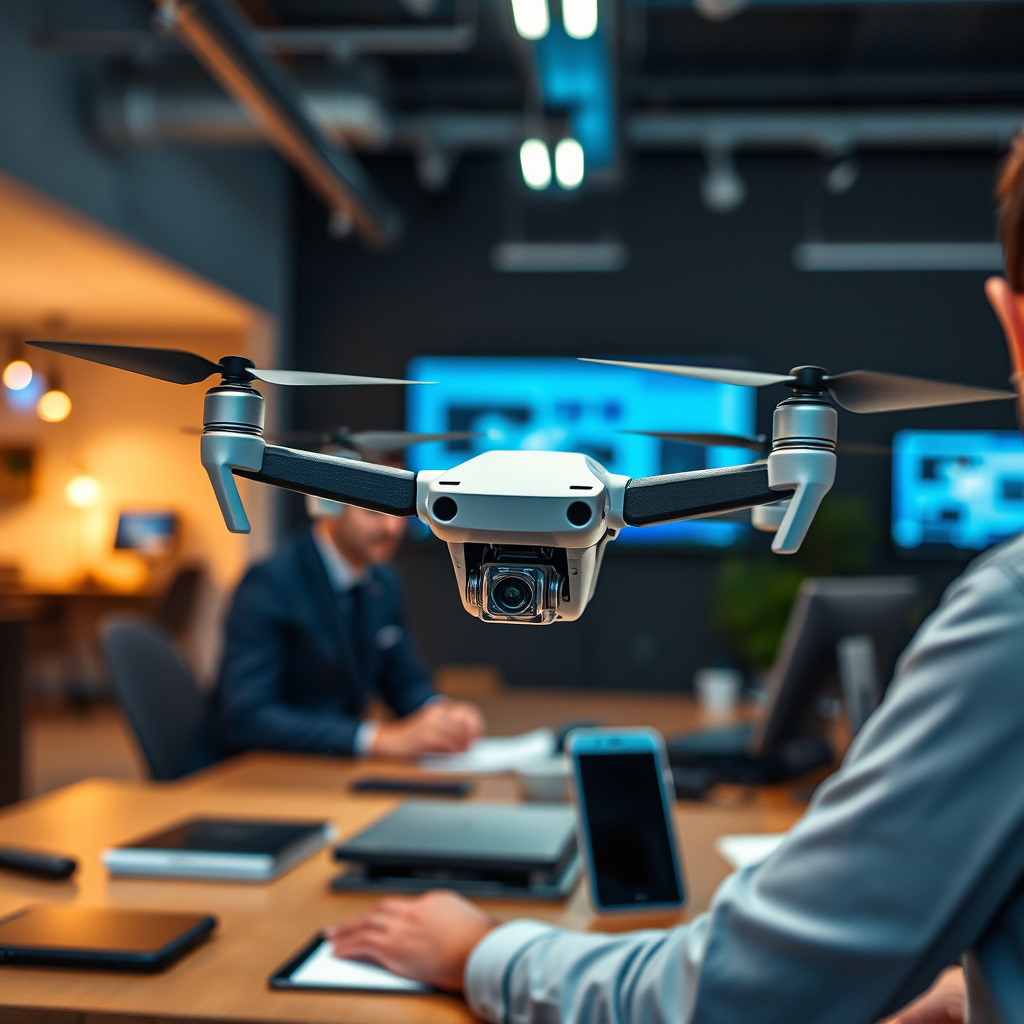
To effectively use drones for aerial portraits, it is crucial to familiarize yourself with various types of drones and their capabilities. Drones can be broadly categorized into toy-grade, prosumer, and professional-grade categories. While toy-grade drones may be suitable for casual use, prosumer and professional drones offer enhanced stability, better camera quality, and advanced features like GPS stabilization and obstacle avoidance, making them ideal for serious photography.
Camera specifications are equally important; resolution typically ranges from 12 to 48 megapixels in high-quality drones. Look for drones that support RAW image formats, as they provide greater flexibility in post-processing. Additionally, consider lens options: drones with larger sensors and interchangeable lenses allow for varied focal lengths, which can significantly impact the aesthetic of your aerial portraits. Understanding these basics will equip you to make informed choices about your drone and photography style.
Selecting the Right Drone for Portraits
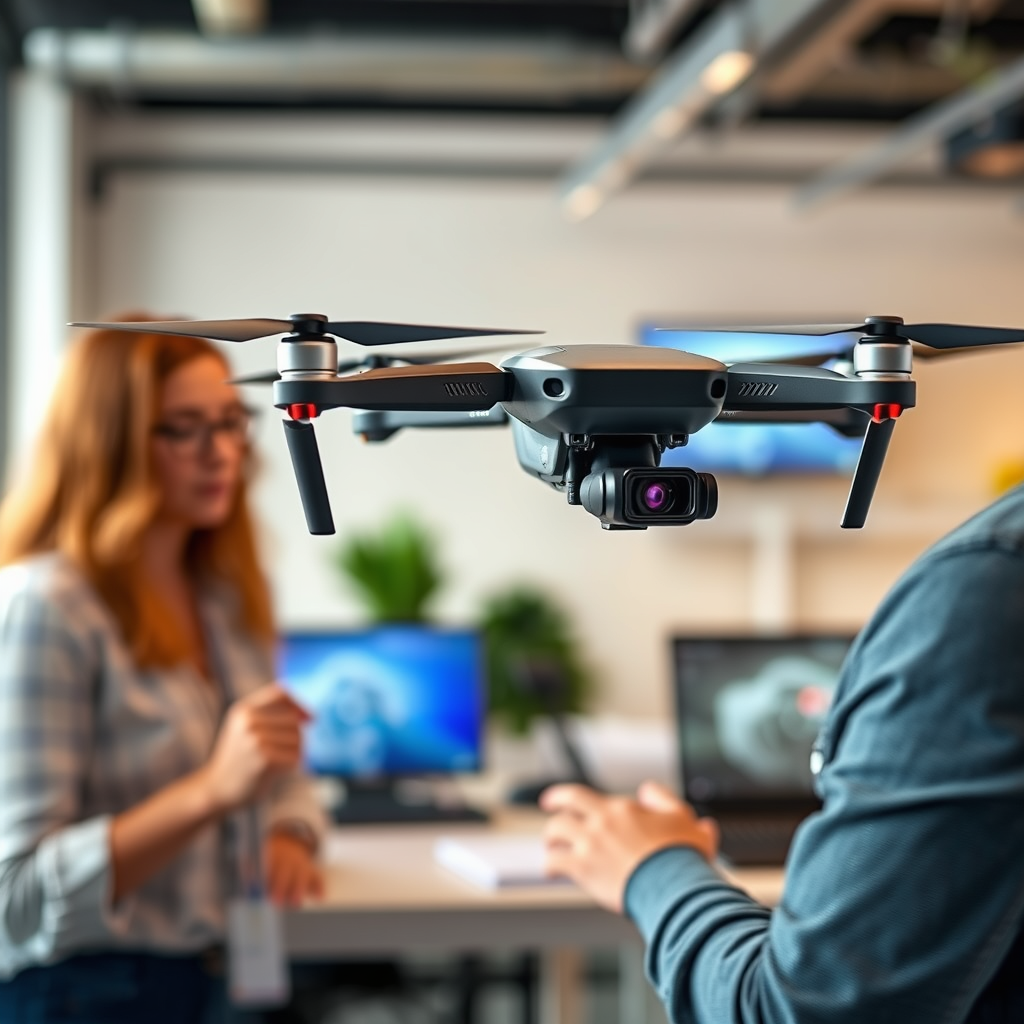
When choosing the right drone for aerial portraits, prioritize models equipped with high-quality cameras that deliver superior image quality. The DJI Mavic 3, for instance, features a 20MP Hasselblad camera capable of 5.1K video recording, making it an excellent choice for capturing detailed and vibrant portraits. Similarly, the Autel Robotics EVO Lite+ offers impressive 50MP stills and a 1-inch CMOS sensor, providing remarkable low-light performance.
Battery life and flight time are also critical considerations. Opt for drones that offer at least 30 minutes of flight time, such as the DJI Air 2S, which allows you to capture multiple angles and shots without frequent interruptions. This ensures you can maximize your creative opportunities during aerial portrait sessions, allowing ample time to experiment with different compositions and lighting conditions.
Planning Your Aerial Portrait Shoot
Successful aerial portrait shoots require meticulous planning. Begin by scouting potential locations that offer stunning backdrops, such as natural landscapes, urban settings, or unique architectural features. Websites like Google Earth can help identify promising sites, while local photography forums may provide insights from other drone enthusiasts.
Additionally, consider the lighting conditions at your chosen time of day. The golden hour, just after sunrise or before sunset, offers soft, diffused light that enhances the overall quality of your portraits. Be sure to obtain any necessary permits and permissions for flying your drone in specific areas, particularly in urban environments or protected landscapes. Understanding local regulations will not only keep you compliant but also safeguard your photography investment.
Mastering Aerial Composition Techniques
Aerial photography offers unique opportunities for composition that differ from traditional methods. The rule of thirds is a fundamental guideline to create balanced and visually appealing images. By positioning your subject off-center, you can create a dynamic composition that draws the viewer’s eye. For instance, if you are photographing a model in a vast field, placing them on one side while showcasing the expanse of the landscape can add depth and context to the portrait.
Experimenting with various angles and perspectives is essential in aerial photography. Closer shots can emphasize your subject’s features, while wider shots can capture the surrounding environment. Play with altitude, tilt, and rotation to discover compositions that resonate with your artistic vision. Aerial photography allows for unexpected perspectives, so embracing spontaneity during your shoot can lead to remarkable results.
Safety and Regulations to Keep in Mind
Safety should always be your top priority when flying drones for aerial photography. Familiarize yourself with local regulations governing drone flight, such as altitude limits, no-fly zones, and requirements for drone registration. The Federal Aviation Administration (FAA) in the United States, for example, mandates that drones be flown below 400 feet and away from populated areas.
Safety extends beyond regulations; it is essential to maintain a safe distance from your subjects and the environment. Always keep an eye on your drone and be aware of changing weather conditions. Using a spotter can help maintain situational awareness, particularly in crowded spaces. By prioritizing safety, you not only protect yourself and your subjects but also ensure that your aerial portrait sessions proceed smoothly.
Editing and Enhancing Aerial Portraits
Post-processing is a vital component of creating stunning aerial portraits. Utilizing photo editing software such as Adobe Lightroom or Photoshop can elevate your images by enhancing colors, contrast, and details. Start by correcting the exposure and white balance, ensuring your portraits reflect the true colors of the scene.
Explore creative editing techniques to give your portraits a distinctive flair. For instance, consider applying a vignette effect to draw focus to your subject or utilizing gradient filters to balance the exposure between the sky and the ground. Additionally, you might experiment with color grading to evoke specific moods or styles that resonate with your artistic vision. A well-edited aerial portrait can transform a good photograph into an extraordinary one.
Showcasing Your Aerial Portraits
Once you have created captivating aerial portraits, it’s time to share your work with the world. Social media platforms like Instagram and Facebook offer excellent opportunities to showcase your photography, allowing you to reach a broader audience. Use relevant hashtags such as #AerialPhotography or #DronePortraits to connect with other enthusiasts and attract potential clients.
Additionally, consider creating a professional portfolio or website dedicated to your aerial photography. This not only serves as a platform to display your best work but also establishes your brand within the photography community. Include a blog section to share behind-the-scenes insights, tips, and tutorials, which can further engage your audience and demonstrate your expertise.
In summary, using drones for aerial portraits opens up a world of creative possibilities. By selecting the right equipment, mastering techniques, and adhering to safety regulations, you can create stunning images that captivate viewers. Start planning your next aerial shoot today and elevate your photography to new heights!
Frequently Asked Questions
What equipment do I need to take aerial portraits with a drone?
To capture stunning aerial portraits, you will need a high-quality drone equipped with a good camera, ideally one that supports at least 4K resolution for clarity. Additionally, consider using a drone with a gimbal stabilization system to ensure smooth shots. Don’t forget extra batteries for longer shooting sessions and ND filters to manage light exposure effectively during bright conditions.
How do I plan a successful aerial portrait shoot with a drone?
Planning is key for a successful aerial portrait shoot. Start by scouting your location to identify interesting compositions and ensure you have permission to fly. Consider the time of day for optimal lighting—golden hour is often best. Create a shot list to organize your ideas and prepare for any potential challenges, such as changing weather conditions or privacy concerns.
Why is drone photography becoming popular for portraits?
Drone photography is gaining popularity for portraits because it offers unique perspectives that ground-level photography simply cannot. Aerial portraits can capture expansive landscapes and provide a sense of scale, making them visually striking. Additionally, drones allow photographers to experiment with angles and compositions that add creativity and depth to their work, enhancing the overall aesthetic.
What are the best practices for flying a drone while capturing portraits?
To ensure safety and quality while capturing aerial portraits, always follow local regulations for drone usage, including no-fly zones. Maintain a clear line of sight with your drone and avoid crowded areas to reduce risks. Use manual settings for exposure and focus to achieve the best results, and practice flying in open spaces before your shoot to gain confidence in maneuvering the drone effectively.
Which drones are best for aerial portrait photography?
The best drones for aerial portrait photography are those that combine high-quality cameras with advanced stabilization features. Popular choices include the DJI Mavic 3, which offers a Hasselblad camera with excellent low-light performance, and the DJI Air 2S, known for its compact size and impressive image quality. Consider your budget, required features, and portability when selecting the right drone for your aerial portrait needs.
References
- Aerial photography
- https://www.nytimes.com/2021/06/11/technology/drones-photography.html
- https://www.researchgate.net/publication/327293752_The_Impact_of_Drones_on_Photography
- https://www.wired.com/story/drones-photography-tips/
- https://www.nps.gov/articles/drone-use-in-national-parks.htm
- https://www.theguardian.com/technology/2022/jul/12/drones-aerial-photography-guide
- لبنان يؤكد جاهزيته للتفاوض مع الدائنين لإعادة هيكلة الديون
- Caravans at Torquay Foreshore Caravan Park – ABC News
