
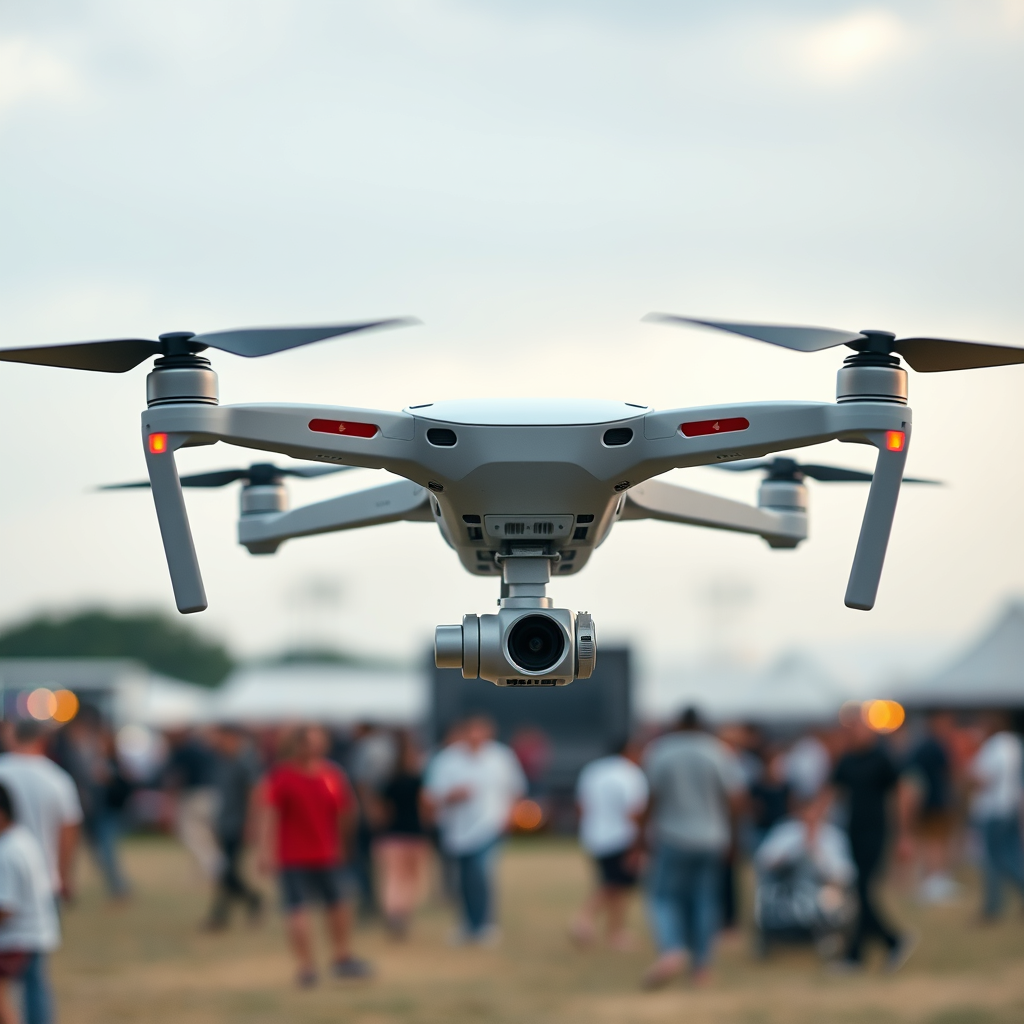
Using drones for festival videography can dramatically enhance the quality and visual appeal of your footage, providing breathtaking aerial perspectives and dynamic shots that traditional ground-based cameras cannot capture. This guide will walk you through essential tips and techniques for utilizing drones effectively, ensuring your festival coverage is both captivating and professional.
Understanding Drone Regulations
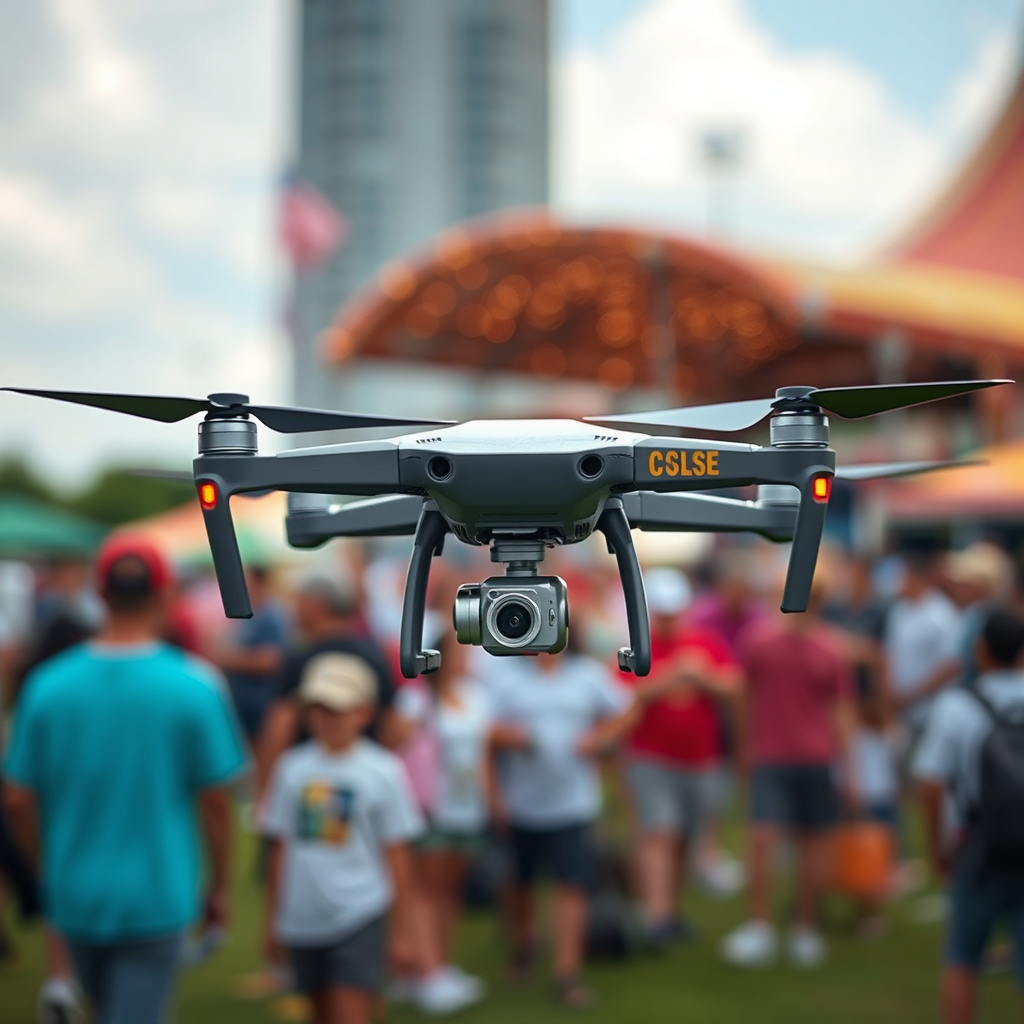
Before taking to the skies, it’s crucial to familiarize yourself with local laws and regulations regarding drone usage, especially at public events like festivals. Each country, and often each state or region, has its own set of rules governing where and how drones can be flown. For instance, in the United States, the Federal Aviation Administration (FAA) has specific regulations that must be adhered to, such as maintaining a line of sight with the drone, flying below 400 feet, and avoiding restricted airspace.
Additionally, if you plan to conduct commercial drone videography, you will need to obtain the necessary permits or permissions. This may involve applying for a Part 107 license from the FAA in the U.S. or equivalent certifications in other jurisdictions. Always check with the festival organizers as well; they may have specific guidelines or restrictions related to drone operations on their grounds.
Choosing the Right Drone
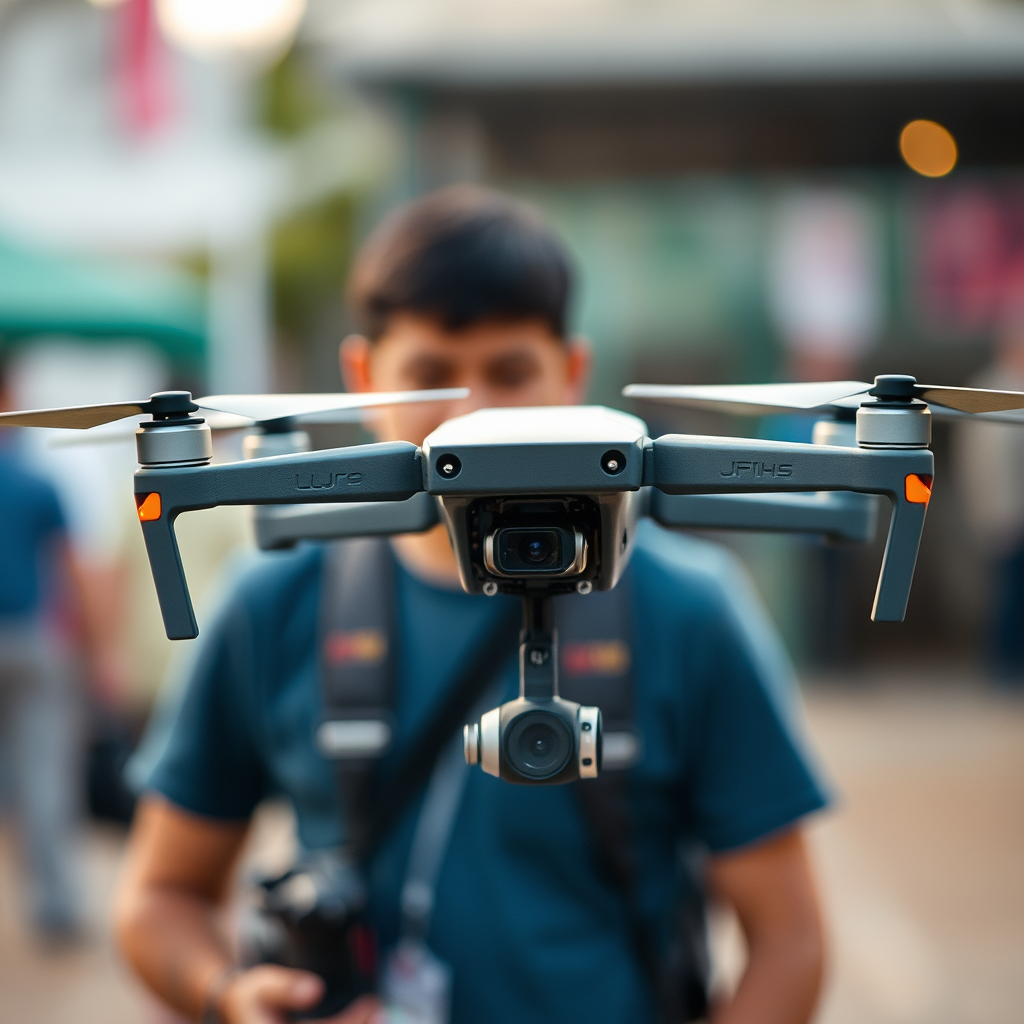
Selecting the right drone is imperative to achieving high-quality festival videography. Start by assessing your budget; while high-end drones can offer superior features, there are many mid-range options that provide excellent value. Key factors to consider include camera quality (resolution and stabilization), flight time (how long the drone can stay in the air), and ease of use, especially if you’re new to drone piloting.
For example, the DJI Mavic Air 2 is a popular choice for both amateurs and professionals, offering a 4K camera, impressive battery life, and user-friendly controls. On the other hand, if you’re looking for more advanced features, the DJI Phantom 4 Pro offers superior camera capabilities and obstacle avoidance technology, though at a higher price point. Ultimately, choose a drone that aligns with your specific needs and skill level.
Planning Your Shots
Effective festival videography requires careful planning to ensure you capture all the essential moments. Start by scouting the festival location in advance. Understanding the layout can help you identify ideal shooting spots and angles, allowing you to take advantage of the festival’s unique elements, such as stages, crowds, and natural landscapes.
Create a shot list based on the festival schedule, noting key performances, activities, and moments you want to capture. For instance, if a particular artist is known for a spectacular light show, schedule your drone shots to coincide with that performance. This will allow you to create a more dynamic and engaging narrative in your video.
Mastering Drone Flight Techniques
To achieve stunning footage, mastering drone flight techniques is critical. Begin by practicing in open spaces away from crowds to build your confidence and refine your piloting skills. Familiarize yourself with the drone’s controls, focusing on smooth movements and precise maneuvers.
Specific techniques to master include flying low to capture intimate shots of the audience or performers, executing smooth pans to follow action, and orbiting subjects to create a sense of movement and depth in your footage. Additionally, consider utilizing automated flight modes available in many drones, such as waypoint missions, which can help with complex shot compositions while you focus on creative direction.
Capturing Quality Footage
When it comes to capturing quality footage, adaptability is key. Utilize different filming modes and settings to accommodate varying lighting conditions, which can fluctuate dramatically throughout a festival day. For example, during the day, you may want to use a higher shutter speed to compensate for bright sunlight, while in the evening, you can adjust your settings to capture the vibrant colors of stage lights.
Incorporating ND (Neutral Density) filters can also help manage exposure, allowing for slower shutter speeds without overexposing your footage. This is particularly beneficial for achieving that cinematic look, where motion blur enhances the visual experience. Always keep an eye on your framing and composition, ensuring that your shots are visually appealing and tell a compelling story.
Editing and Post-Production Tips
Once you’ve captured your footage, the next step is editing. Organize your clips and begin by selecting the best takes that not only showcase the festival’s highlights but also weave a cohesive narrative. Storyboarding your edits can help in visualizing the flow of the final product.
In the editing phase, consider color grading to enhance the visual mood and tone of your video. Additionally, incorporating sound design and appropriate background music can significantly elevate the overall experience. Soundtracks that resonate with the atmosphere of the festival can create an emotional connection with viewers. Software such as Adobe Premiere Pro or Final Cut Pro offers powerful tools to achieve professional-grade edits.
Sharing Your Festival Videos
Finally, showcasing your festival videos on the right platforms is essential for maximizing reach and engagement. Social media platforms like Instagram, Facebook, and TikTok are perfect for sharing shorter clips that highlight key moments, while longer, more polished videos can be uploaded to YouTube or Vimeo.
Engage with your audience by providing behind-the-scenes content, sharing personal insights from the festival, and encouraging feedback. Utilize hashtags and tags related to the festival to increase visibility. Consider collaborating with the festival organizers to feature your work on their official channels, which can further enhance your exposure.
By understanding the intricacies of using drones for festival videography, you can significantly enhance the quality of your footage and create memorable experiences for viewers. Start by familiarizing yourself with local regulations, choosing the right equipment, and planning your shots carefully. Don’t hesitate to practice and refine your techniques, as well as share your work with a wider audience. Embrace the opportunity to capture the vibrant atmosphere of festivals like never before!
Frequently Asked Questions
What equipment do I need for drone videography at festivals?
To effectively capture festival videography using drones, you should have a reliable drone equipped with a high-definition camera, preferably one that supports 4K recording for superior image quality. Additionally, consider carrying extra batteries to ensure extended flying time, a set of ND filters for better light control, and a gimbal stabilizer to minimize camera shake. A mobile device or tablet can also be helpful for live monitoring and adjusting camera settings during the shoot.
How can I ensure safe drone operation during a festival?
To ensure safe drone operation during a festival, start by familiarizing yourself with local regulations and obtaining any necessary permits, as many events have specific guidelines regarding drone usage. Always conduct a pre-flight check of your drone and avoid flying over crowds to minimize risks. It’s also wise to maintain a clear line of sight with your drone at all times and have a flight plan in place to avoid obstacles such as trees and buildings.
Why is drone videography beneficial for capturing festival highlights?
Drone videography is beneficial for capturing festival highlights as it provides unique aerial perspectives that are not achievable with traditional cameras. This bird’s-eye view allows you to showcase the scale and atmosphere of the event, making the footage more engaging and visually striking. Additionally, drones can easily capture dynamic shots, such as sweeping panoramas and flyovers, which enhance storytelling and attract viewers’ attention.
What are the best practices for editing drone footage from festivals?
The best practices for editing drone footage from festivals include starting with a well-organized workflow by categorizing clips based on scenes or activities. Use editing software that supports 4K footage, allowing for high-quality edits, and consider incorporating music that matches the festival’s vibe. Applying color grading can enhance the visual appeal, and incorporating slow-motion effects can add dramatic flair to key moments, making your final video more compelling.
Which drones are recommended for festival videography in 2023?
In 2023, some of the top drones recommended for festival videography include the DJI Mavic Air 2 for its compact size and impressive camera capabilities, the DJI Mini 3 Pro for its lightweight design and excellent stabilization, and the Autel EVO Lite+ for its versatility in various lighting conditions. Each of these drones offers user-friendly features, such as obstacle avoidance and extended flight times, making them ideal choices for capturing stunning festival footage.
References
- https://en.wikipedia.org/wiki/Drone_filmography
- https://www.nasa.gov/feature/nasa-drones-are-helping-film-movies
- https://www.faa.gov/uas/getting_started/part_107/
- https://www.smithsonianmag.com/innovation/how-drones-are-changing-the-way-we-document-events-180962515/
- https://www.techrepublic.com/article/how-drones-can-change-the-way-you-film/
- https://www.usatoday.com/story/tech/2020/07/13/using-drones-film-music-festivals/5399172002/
- https://www.theverge.com/2016/6/28/12056576/drones-music-festivals-videography-privacy-issues
