
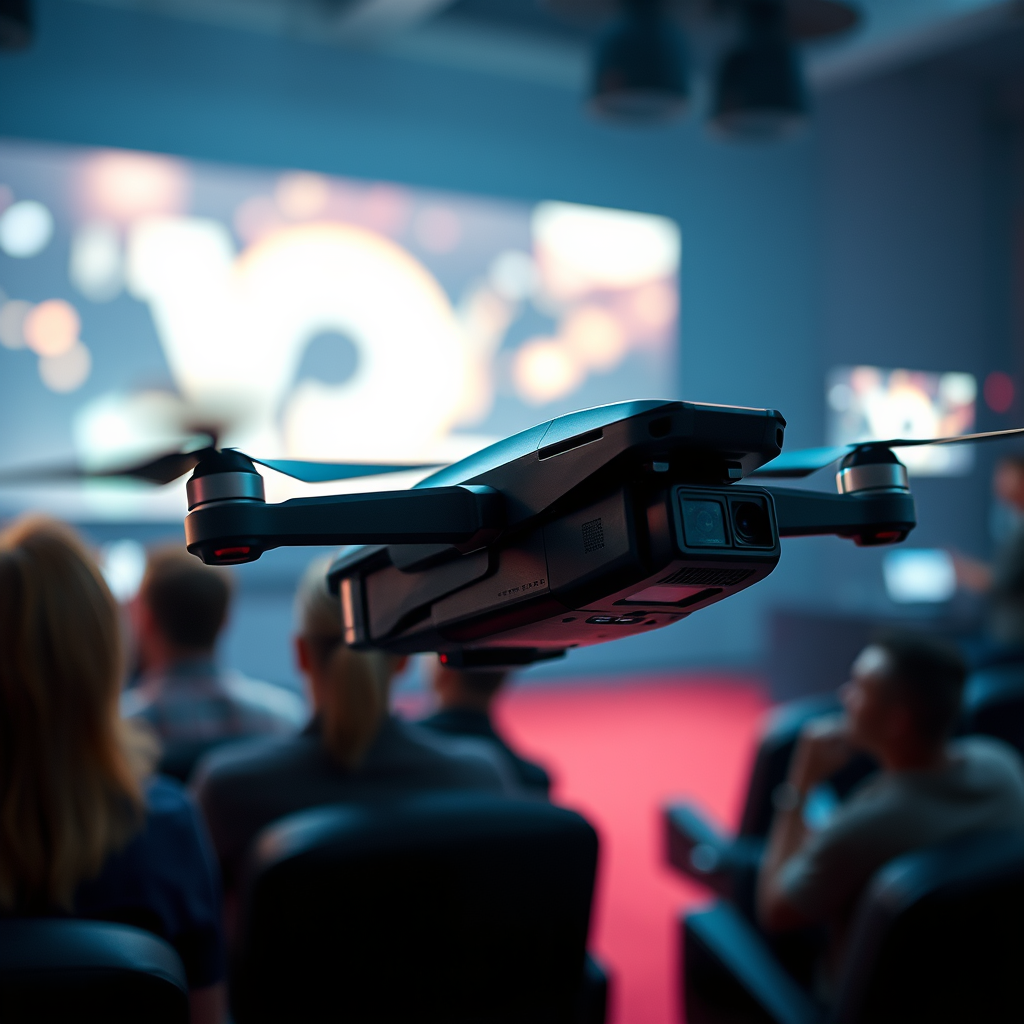
Drone photography has transformed film production, allowing filmmakers to achieve stunning aerial shots and broaden their storytelling capabilities. This technology has made capturing unique perspectives more accessible and cost-effective, enabling both large studios and independent filmmakers to elevate their visual storytelling. In this article, we will explore the myriad ways drone photography is reshaping the landscape of film production.
The Evolution of Drone Technology in Filmmaking
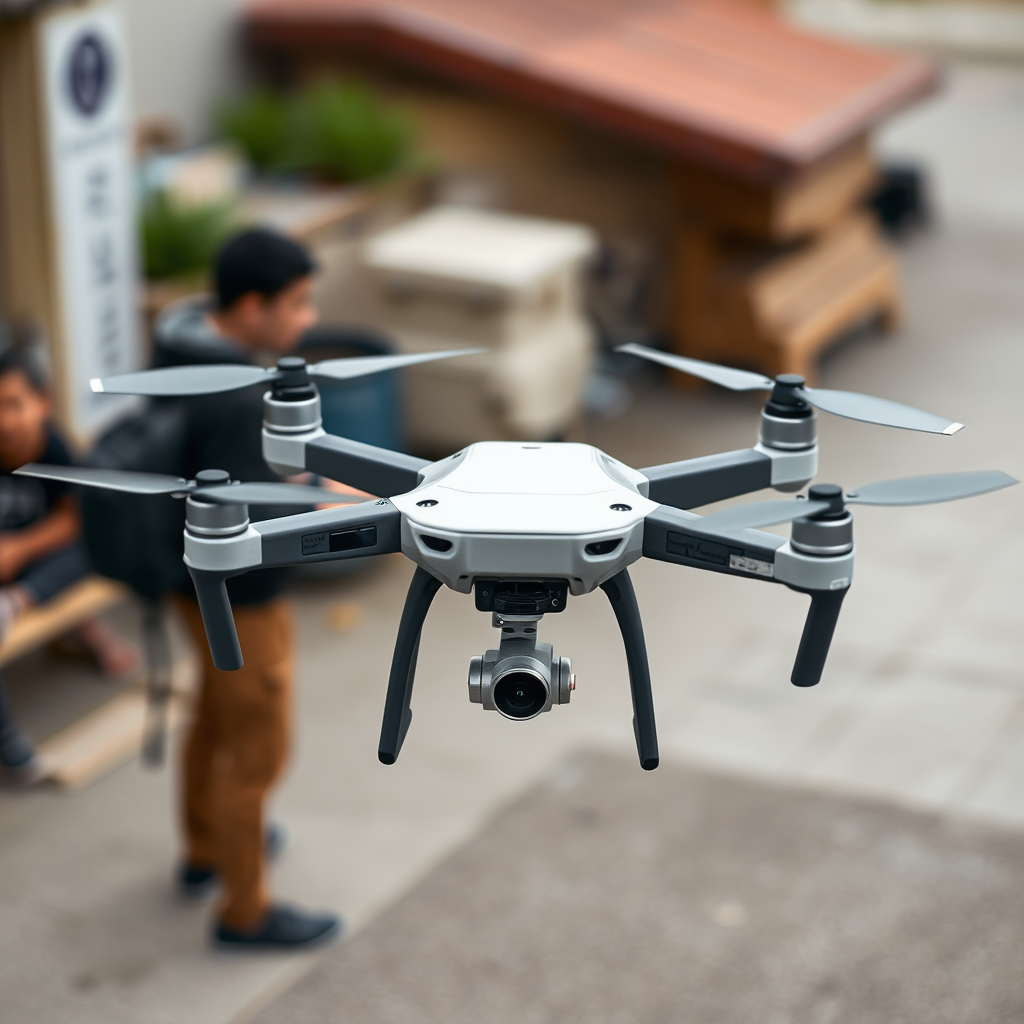
The evolution of drone technology has been nothing short of remarkable. Originally designed for military applications, drones have transitioned into versatile tools for filmmakers, offering high-resolution cameras and advanced stabilization systems. Today’s drones can shoot in 4K and even 8K resolution, providing cinematic quality that rivals traditional camera setups. Innovations such as GPS-assisted flight, obstacle avoidance, and automated flight patterns have further enhanced their utility. With user-friendly interfaces and compact designs, drones have become more accessible than ever, allowing independent filmmakers to capture aerial shots that were once only feasible through helicopters or cranes—both of which come with exorbitant costs and logistical challenges. As a result, the democratization of drone technology has empowered a new generation of storytellers, enabling creative visions that were previously limited by budget and resources.
Enhancing Visual Storytelling
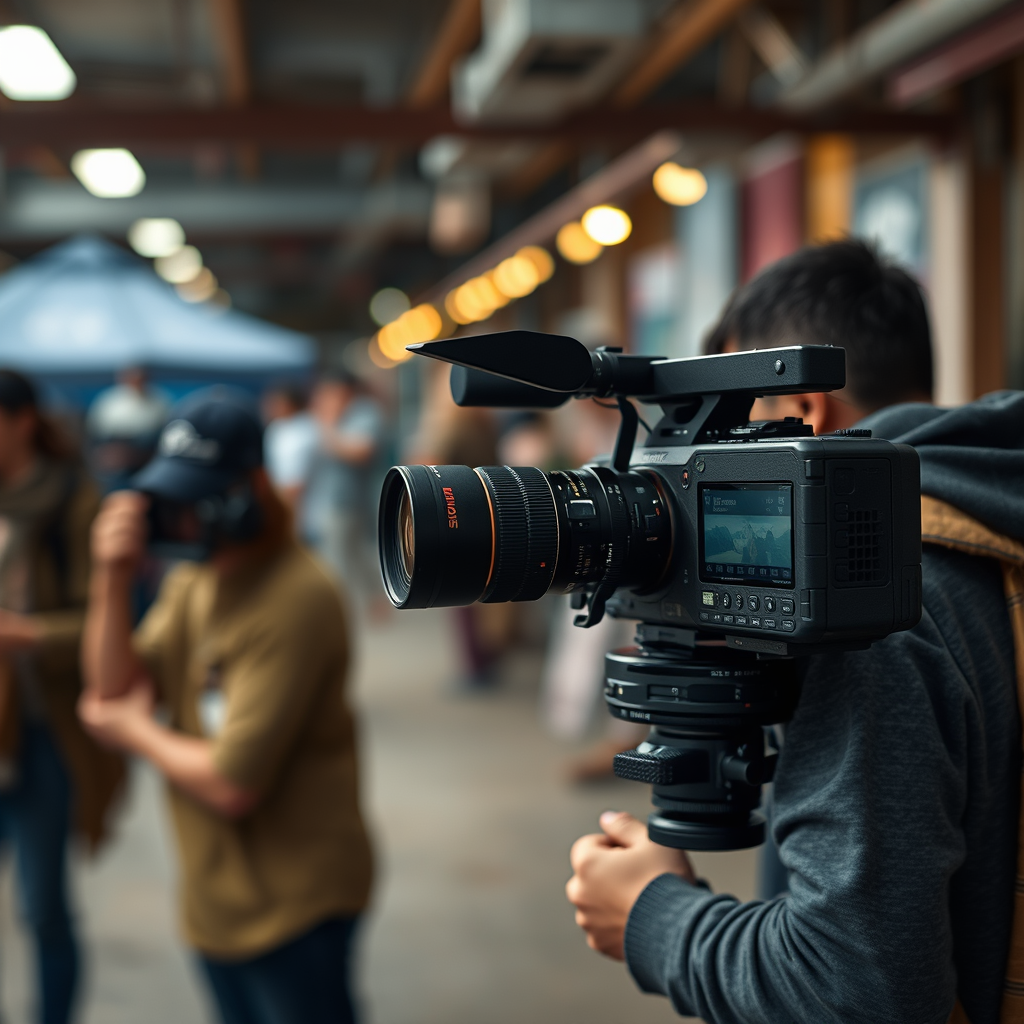
Drone photography significantly enriches visual storytelling by enabling dynamic angles and immersive visuals that engage audiences on a deeper level. Unlike traditional filming methods, drones can capture sweeping landscapes, intricate cityscapes, and even intimate moments from unique vantage points. This capability allows filmmakers to convey emotions and themes in ways that resonate more powerfully with viewers. For instance, the 2018 film “The Revenant” utilized drone shots to portray the vastness of the wilderness, enhancing the isolation of the protagonist. Similarly, the television series “Game of Thrones” employed drone photography to depict epic battle scenes and sprawling landscapes, effectively immersing the audience in its fantastical world. By integrating drone footage into narratives, filmmakers can create a sense of scale and movement that elevates the overall cinematic experience.
Cost-Effectiveness and Accessibility
One of the primary advantages of drone photography is its cost-effectiveness. The traditional methods of capturing aerial shots often involve hiring helicopters or cranes, which can be prohibitively expensive and logistically complicated. In contrast, drones offer a more affordable alternative, with costs ranging from a few hundred to several thousand dollars depending on the model and capabilities. This financial accessibility allows smaller production companies and independent filmmakers to incorporate high-quality aerial shots into their projects without breaking the bank. Furthermore, the ease of setup and operation means that filmmakers can execute complex shots in a fraction of the time it would take with traditional equipment. As a result, drone technology has not only expanded visual possibilities but also democratized the filmmaking process, allowing more diverse voices to emerge in the industry.
Safety and Regulations in Drone Filming
While the advantages of drone photography are considerable, filmmakers must adhere to specific safety measures and regulations when using drones on set. Ensuring the safety of crew members and the public is paramount; therefore, filmmakers should conduct thorough risk assessments and follow best practices for drone operation. This includes maintaining a safe distance from crowds, avoiding flights in restricted airspace, and obtaining necessary permits before filming. Regulations governing drone use vary by country, with agencies such as the Federal Aviation Administration (FAA) in the United States imposing strict guidelines on commercial drone flights. These regulations often require drone operators to obtain a Remote Pilot Certificate, register their drones, and adhere to altitude and visibility restrictions. Familiarizing oneself with these rules is essential for filmmakers to ensure compliance and safety, ultimately contributing to a more professional and responsible approach to drone filmmaking.
Case Studies of Successful Drone Usage in Film
There are numerous examples of films and series that have effectively integrated drone photography to enhance their storytelling. For instance, the documentary “Planet Earth II” utilized drones to capture breathtaking footage of wildlife in their natural habitats, showcasing behaviors that were previously difficult to document. The seamless integration of drone shots allowed audiences to experience the beauty and majesty of the planet like never before. Another notable example is the action film “Skyfall,” which features a dramatic drone chase sequence that adds intensity and excitement to the narrative. Behind the scenes, filmmakers often meticulously plan these drone shots, considering factors like flight paths, angles, and lighting conditions to ensure that the final product aligns with their creative vision. By studying these successful implementations, aspiring filmmakers can glean valuable insights into the effective use of drone technology in their own projects.
The Future of Drone Photography in Cinema
Looking ahead, the future of drone photography in cinema is poised for further innovation and expansion. As technology continues to evolve, we can expect advancements such as improved battery life, enhanced camera capabilities, and even AI-driven drones that can autonomously capture complex shots. These innovations will likely allow filmmakers to push the boundaries of creativity, experimenting with new techniques and storytelling methods. Additionally, the growing integration of virtual reality (VR) and augmented reality (AR) with drone technology could open up entirely new dimensions in filmmaking, enabling audiences to experience narratives in immersive ways. As filmmakers continue to explore these advancements, the potential for drone photography to transform cinematic storytelling will only increase.
The integration of drone photography in film production has revolutionized the way stories are told, greatly enhancing the visual experience for audiences. From breathtaking aerial shots to cost-effective solutions for independent filmmakers, drones have become essential tools in modern cinema. As technology continues to evolve, filmmakers are likely to discover even more creative applications for drones, further enriching the art of storytelling. Whether you are an aspiring filmmaker or a seasoned professional, exploring the possibilities of drone photography could unlock new dimensions for your creative projects.
Frequently Asked Questions
How has drone photography changed the landscape of film production?
Drone photography has revolutionized film production by offering filmmakers the ability to capture stunning aerial shots that were once only possible with expensive helicopters or cranes. This technology allows for greater creativity and flexibility in filming, enabling dynamic storytelling through unique perspectives. Additionally, drones are more cost-effective, making high-quality aerial footage accessible to independent filmmakers and smaller production teams.
What are the legal considerations filmmakers should be aware of when using drones for aerial photography?
Filmmakers must comply with local regulations when using drones for aerial photography, which often include obtaining a Remote Pilot Certificate from the FAA in the United States or acquiring necessary permits in other countries. It is also crucial to respect privacy laws and airspace restrictions, ensuring that drone flights do not infringe on personal property or restricted areas. Understanding these legalities helps avoid fines and ensures safe and responsible drone operation.
Why are drones becoming a preferred choice over traditional filming methods for aerial shots?
Drones are preferred for aerial shots due to their versatility, cost-effectiveness, and ease of use. Unlike traditional methods, drones can quickly maneuver in tight spaces, capturing intricate shots without the need for extensive setup time. They provide filmmakers with the ability to shoot from various altitudes and angles, enhancing the visual storytelling of their projects while reducing production delays and expenses.
What are the best practices for integrating drone footage into a film production?
To effectively integrate drone footage into film production, filmmakers should plan aerial shots during pre-production, ensuring they complement the overall narrative and visual style. It’s essential to maintain consistent color grading and stabilization across all footage to create a seamless viewing experience. Collaborating closely with the drone operator and utilizing various flight paths can also enhance the dynamic nature of the shots, making them more engaging and impactful.
Which types of films benefit the most from drone photography?
Films that benefit the most from drone photography include action films, documentaries, and nature films, as they often require expansive and breathtaking aerial views to convey their themes effectively. Additionally, real estate and tourism promotional videos leverage drone footage to showcase properties and destinations from unique perspectives. By utilizing drone technology, these genres can enhance storytelling and audience engagement, making the visuals more captivating and memorable.
References
- Aerial photography
- https://www.theguardian.com/film/2021/aug/01/how-drone-photography-changed-the-way-we-see-film
- https://www.nytimes.com/2020/01/30/movies/drone-footage.html
- https://www.sciencedirect.com/science/article/abs/pii/S0360132319300930
- https://www.bbc.com/future/article/20200129-how-drones-are-changing-the-way-we-make-films
- https://www.nationalgeographic.com/science/article/drones-in-film-production
- #8 copy – Filmmaker MagazineFilmmaker Magazine
- https://www.dji.com/education/drone-education/film-production
- https://www.aerialphotography.com/impact-of-drones-on-film-industry/
