
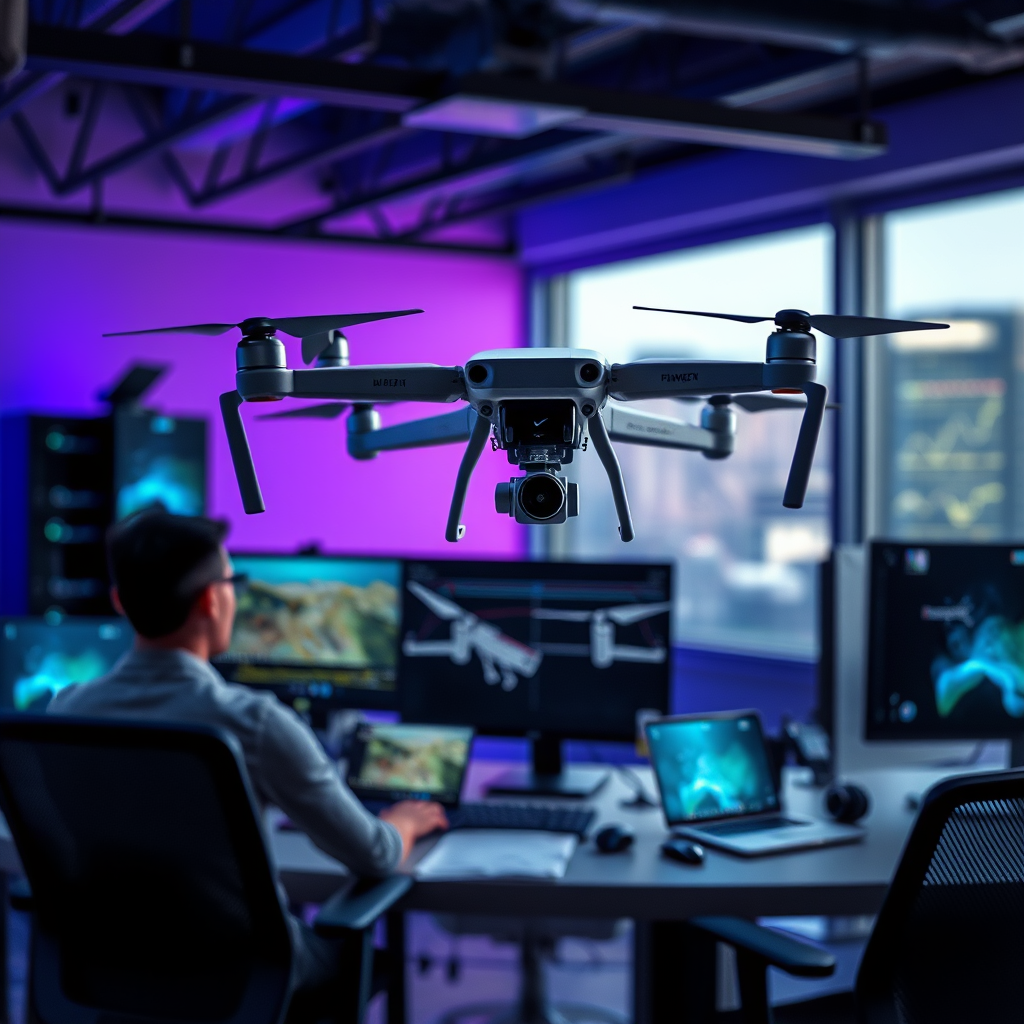
Using drones for aerial mapping photography involves capturing high-resolution images from the sky to create detailed maps and models. This innovative application of drone technology not only streamlines traditional mapping processes but also enhances accuracy and efficiency across various industries. In this article, you’ll learn how to effectively plan, execute, and analyze your aerial photography projects with drones, ensuring you get the best results for your mapping needs.
Understanding Aerial Mapping with Drones
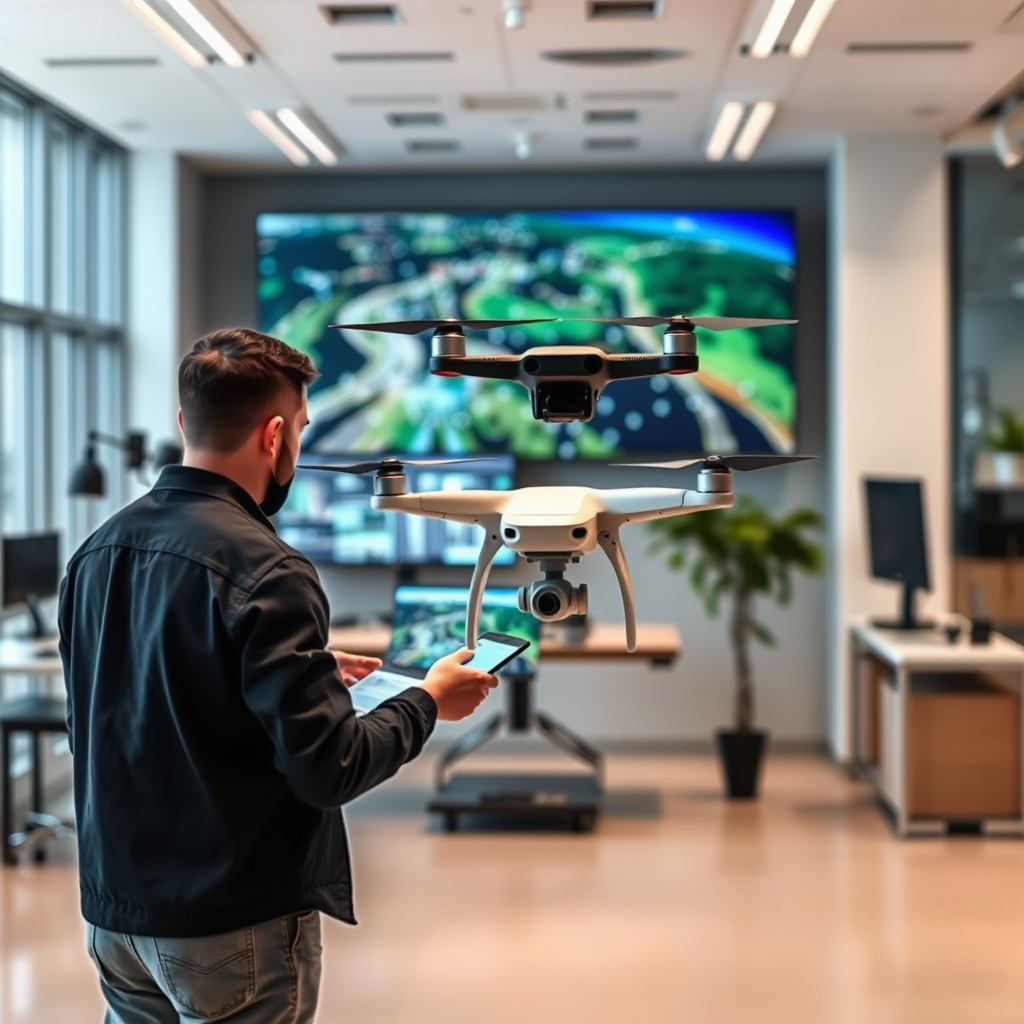
Aerial mapping refers to the process of creating maps, models, and visual representations of the Earth’s surface using images captured from airborne platforms, such as drones. This technique is essential across various sectors, including urban planning, agriculture, environmental monitoring, and construction. The importance of aerial mapping lies in its ability to provide precise geographical data that can inform decision-making, optimize land use, and enhance resource management.
Drones significantly enhance traditional mapping methods by offering several advantages. Unlike manned aircraft, drones are more affordable to operate, easier to deploy, and capable of flying at lower altitudes, which allows for high-resolution imaging. They can cover large areas quickly while capturing detailed images that traditional ground surveys often miss. Additionally, drones can be equipped with various sensors, such as LiDAR and thermal imaging, providing even richer data sets for analysis.
Choosing the Right Drone
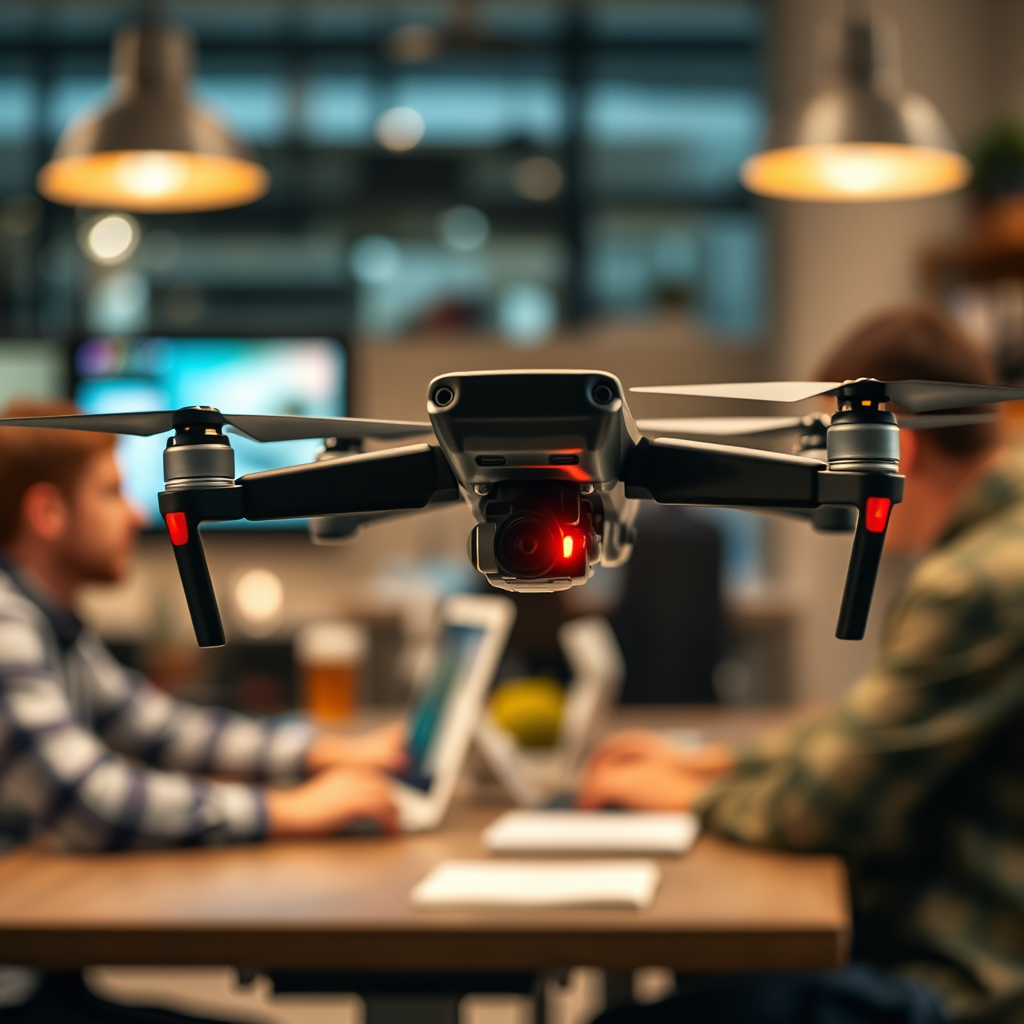
When selecting a drone for aerial mapping, several key features should be considered to ensure optimal performance. Camera quality is paramount; a high-resolution camera with a minimum of 20 megapixels is ideal for capturing the detailed imagery needed for mapping applications. Additionally, the drone’s GPS accuracy is crucial; look for models with RTK (Real-Time Kinematic) capabilities for centimeter-level precision.
Popular drone models suitable for aerial mapping include the DJI Phantom 4 RTK, which offers an integrated RTK module for enhanced accuracy, and the senseFly eBee X, known for its versatility and high-quality mapping capabilities. The Parrot Anafi USA is another contender, providing thermal imaging options along with a robust camera system. Each of these models has unique features tailored to specific mapping needs, making it essential to assess your requirements carefully before making a selection.
Planning Your Mapping Flight
Pre-flight planning is a critical step in ensuring the success of your aerial mapping project. It involves mapping out the flight path, determining the ideal altitude, and setting the camera angle to capture the necessary images. The altitude will depend on the area to be covered and the desired level of detail; typically, lower altitudes yield higher resolution images, while higher altitudes cover larger areas more quickly.
To aid in this planning process, various software options are available. Tools such as DroneDeploy, Pix4D, and DJI Terra allow users to create detailed flight plans tailored to their specific needs. These platforms often include features for managing data collection, ensuring that the necessary images are captured efficiently and accurately. By utilizing these tools, operators can optimize their mapping efforts, reducing the likelihood of missing critical data.
Capturing High-Quality Images
To ensure that the images captured during a mapping flight are of the highest quality, operators should adhere to best practices for camera settings and flight techniques. Setting the camera to shoot in RAW format is advisable, as this provides greater flexibility during post-processing. Additionally, utilizing a low ISO setting will reduce noise in the images, yielding clearer results.
Maintaining adequate overlap between images is crucial for mapping accuracy. A minimum of 70% overlap is recommended for both longitudinal and lateral images, as this ensures that the software can stitch the images together seamlessly during processing. Operators should also consider flying in consistent weather conditions to avoid image distortion caused by wind or uneven lighting.
Processing and Analyzing Aerial Data
Once the images have been captured, the next step is processing them into usable maps and models. Several software tools specialize in this area, including Agisoft Metashape and Pix4Dmapper. These platforms utilize photogrammetry techniques to convert 2D images into 3D models and orthomosaics, providing a comprehensive view of the mapped area.
The data analysis process involves several steps. First, the software will align the images based on common features. Next, it generates a dense point cloud, followed by a mesh and texture mapping, ultimately creating a 3D model. Users can then analyze this data for various applications, such as assessing land use, monitoring changes over time, or planning construction projects. The resulting maps and models can also be exported to GIS platforms for further analysis.
Legal Considerations and Safety Tips
Before embarking on a drone mapping project, it is essential to familiarize yourself with the regulations governing drone use in your area. In many countries, including the United States, operators must adhere to the Federal Aviation Administration (FAA) guidelines, which may include obtaining a Remote Pilot Certificate and ensuring that the drone is registered. Additionally, some regions may have specific restrictions on flying over populated areas or sensitive locations.
Safety is paramount when operating drones for mapping. Always conduct a pre-flight check to ensure the drone is in good condition, and be mindful of weather conditions that could affect flight stability. Establish a safe operating distance from people and property, and consider having a spotter on the ground to assist with navigation and safety. By adhering to these regulations and safety tips, operators can ensure a secure and compliant flying experience.
Case Studies and Applications
Numerous real-world examples illustrate the successful application of drones in aerial mapping. In agriculture, for instance, farmers utilize drone mapping to monitor crop health and optimize irrigation strategies, leading to increased yields and reduced resource waste. In construction, companies employ drone mapping to survey sites, track progress, and generate accurate models for project planning.
Another notable application is in environmental monitoring, where drones are used to map areas affected by natural disasters, providing critical data for recovery efforts. The forestry industry also benefits from aerial mapping, as drones can assess tree health and monitor deforestation, enabling better management practices. These case studies highlight the versatility of drone technology in enhancing mapping efforts across various sectors.
Summarizing the essential steps to utilizing drones for aerial mapping photography, you should now feel empowered to start your own projects. With the right equipment and planning, you can capture stunning aerial images that enhance mapping efforts and benefit numerous industries. Start exploring your options today and elevate your mapping capabilities with drone technology!
Frequently Asked Questions
What equipment do I need for aerial mapping photography with drones?
To successfully conduct aerial mapping photography with drones, you will need a high-quality drone equipped with a stable camera, preferably one with a gimbal for smooth footage. Additionally, GPS capabilities are essential for accurate geotagging, while software for flight planning and data processing is crucial for creating detailed maps. Consider using drones with RTK (Real-Time Kinematic) technology for enhanced precision in mapping projects.
How do I plan a drone flight for aerial mapping?
Planning a drone flight for aerial mapping involves several steps: first, determine the area you want to map and assess any regulations or restrictions in that location. Use specialized mapping software to create a flight plan, which includes setting waypoints, altitudes, and the overlap percentage for images. It’s also important to check weather conditions and battery life to ensure a successful flight, as well as to conduct a pre-flight checklist to ensure all equipment is functioning properly.
Why is overlap important in drone aerial mapping photography?
Overlap is crucial in drone aerial mapping photography because it ensures that consecutive images capture the same areas, which is vital for creating accurate 3D models and maps. Typically, a 70-80% overlap is recommended for vertical images and around 60% for side images. This overlapping data allows mapping software to stitch the images together seamlessly, resulting in high-quality, detailed maps and models.
What are the best drones for aerial mapping photography?
The best drones for aerial mapping photography typically include those with high-resolution cameras and advanced flight capabilities. Popular choices include the DJI Phantom 4 RTK for its accuracy and ease of use, the senseFly eBee X for its fixed-wing design and long flight time, and the Parrot Anafi USA, which offers thermal imaging capabilities. When selecting a drone, consider factors such as your budget, the size of the area to be mapped, and the specific features you require for your projects.
Which software should I use to process aerial mapping data collected by drones?
There are several software options available for processing aerial mapping data collected by drones, with popular choices including Pix4D, DroneDeploy, and Agisoft Metashape. These programs allow you to upload your images, perform photogrammetry, and generate detailed maps and 3D models. When selecting software, consider factors such as user-friendliness, the type of outputs you need, and whether the software can integrate with your existing workflow.
References
- Aerial photography
- https://www.nrcan.gc.ca/earth-sciences/geography/land-use-planning/land-use-planning-and-drone-photography/20730
- https://www.usgs.gov/mission-areas/natural-hazards/science/drone-mapping
- https://www.nasa.gov/feature/nasa-uses-drones-for-aerial-mapping
- https://www.faa.gov/uas/getting_started/part_107/
- Conservation and Management of Wildlife and Habitat
- A line graph showing developed countries debt. – ABC News
- https://www.researchgate.net/publication/328167439_Applications_of_Drones_in_Ecotourism_Management_An_Overview
- https://www.sciencedirect.com/science/article/pii/S0924271617300664
