
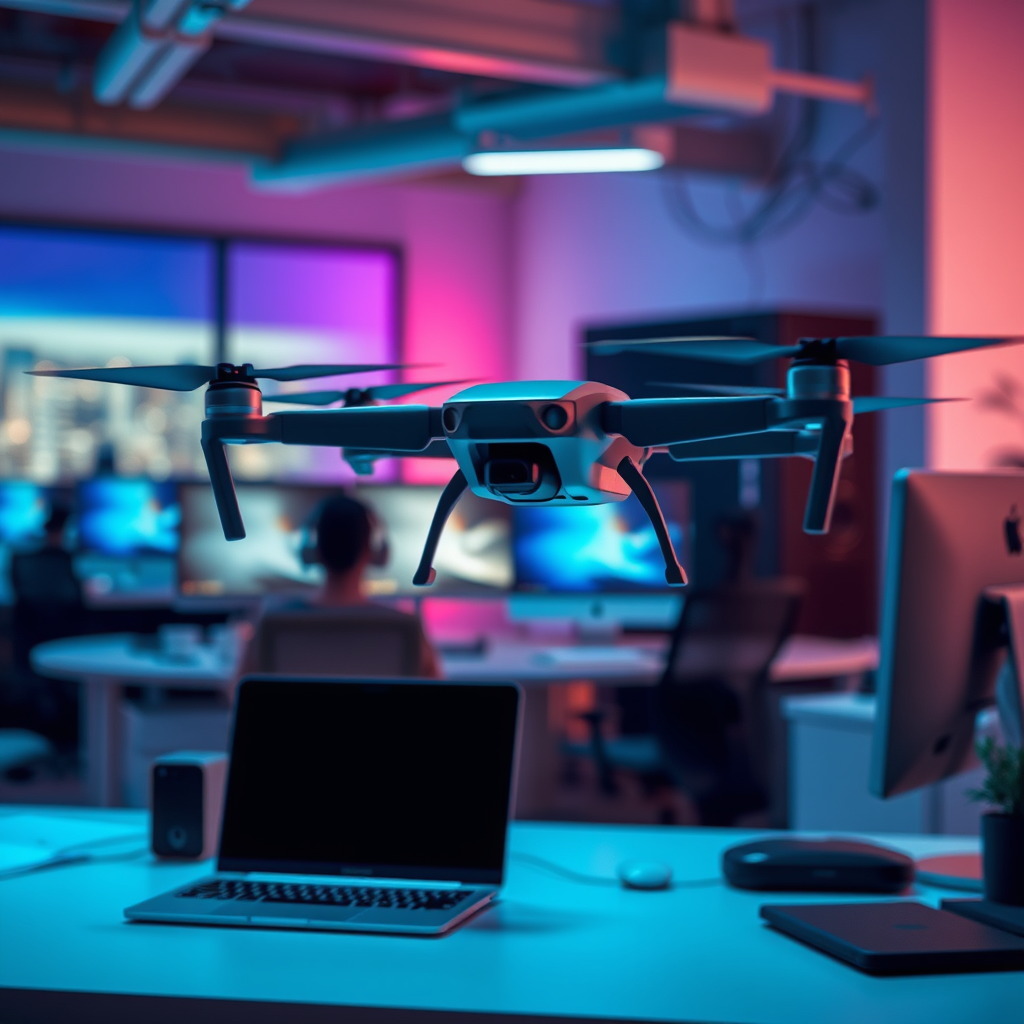
To achieve stunning light painting effects, the best drones combine stability, camera quality, and creative control. Drones provide a unique platform for capturing light trails from an aerial perspective, allowing artists and photographers to explore new dimensions in their work. In this article, you’ll discover top drone models that excel in capturing mesmerizing light trails, along with tips on how to use them for your creative projects.
Understanding Light Painting with Drones
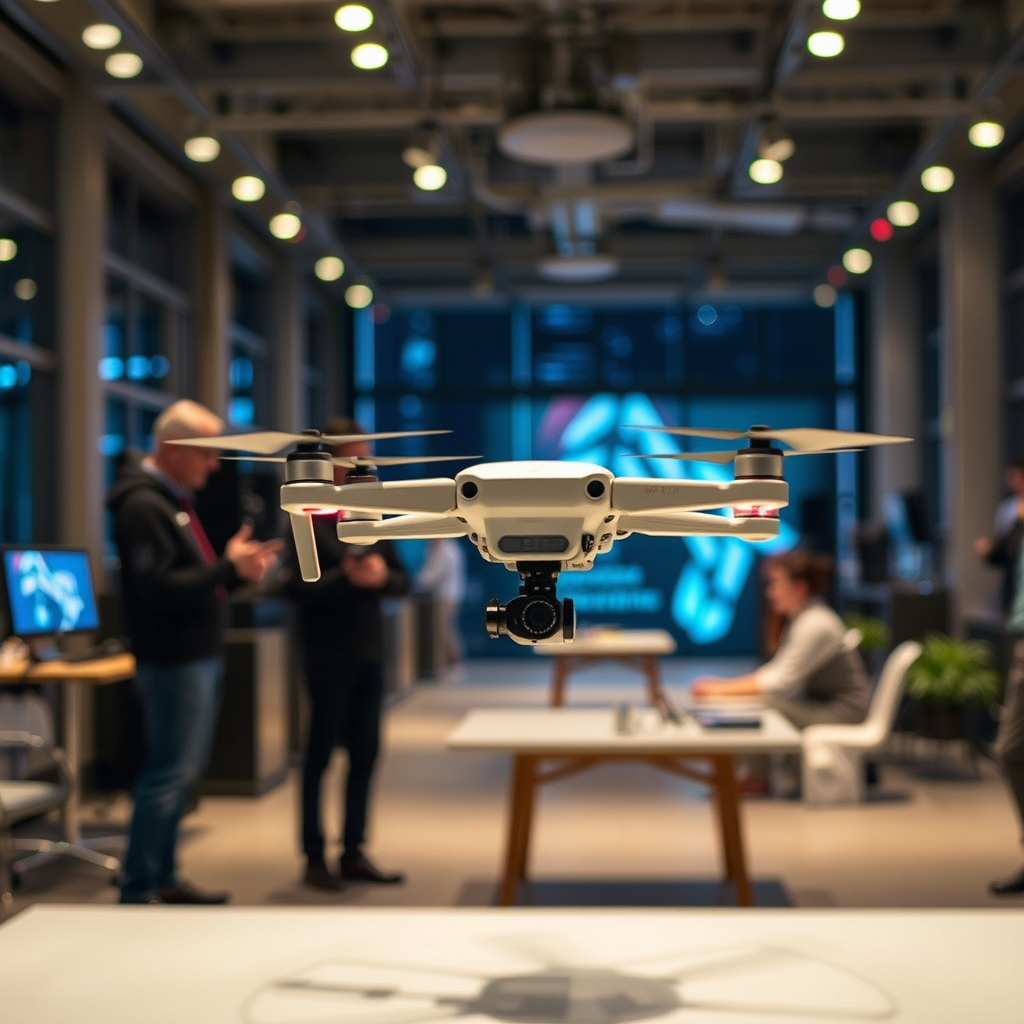
Light painting is a captivating art form that involves long-exposure photography to create stunning visuals with light sources. Artists manipulate light in various ways—using flashlights, LEDs, or even fireworks—to craft intricate designs or patterns that appear as luminous trails against a dark background. The artistic appeal of light painting lies in its ability to combine photography and performance art, enabling the creator to express their vision in real time.
The use of drones in light painting significantly enhances the creative possibilities. Drones allow for unique angles and perspectives that are often impossible to achieve from the ground. By flying at different altitudes and orientations, artists can capture expansive landscapes, cityscapes, or isolated locations, transforming a standard light painting into a multi-dimensional experience. This aerial viewpoint adds depth and context to the artwork, making it more visually engaging.
Key Features to Look for in Drones
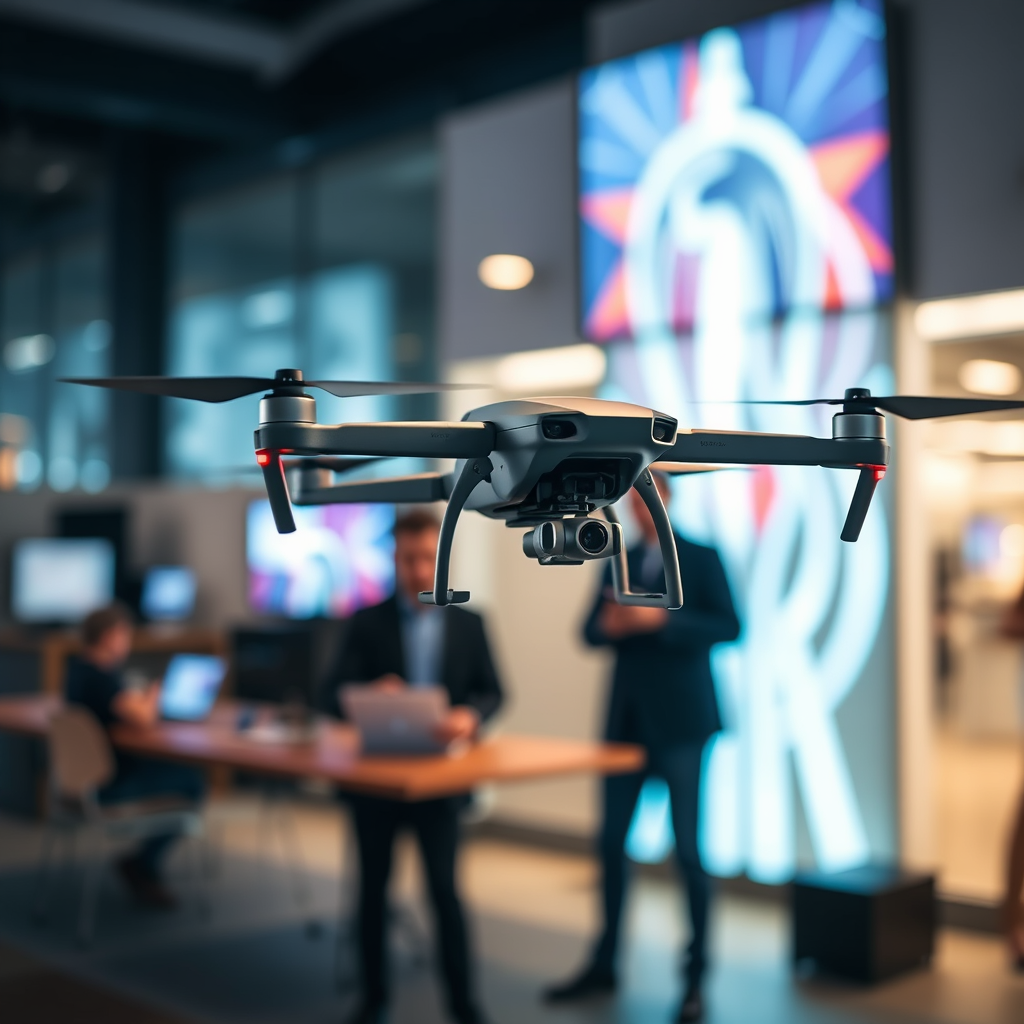
When selecting a drone for creative light painting, several key features should be considered to ensure optimal results:
– Camera Specifications: The resolution of the camera is critical; higher megapixels will yield crisper images. A minimum of 12MP is recommended, but drones with 20MP or more, such as the DJI Mavic Air 2, will provide exceptional clarity. Additionally, features like gimbal stabilization are vital to minimize camera shake during long exposure shots. Low-light performance is another crucial aspect; drones equipped with larger sensors will perform better in dim conditions, which is often the case during light painting sessions.
– Flight Stability and Battery Life: Stability is essential for achieving clear, sharp images during prolonged exposures. Drones with advanced GPS and stabilization technology, such as the DJI Mini 2, help maintain a steady flight path, reducing the chances of blurriness. Battery life is equally important; longer flight times allow for extended creative sessions without the interruption of recharging. Look for drones that can sustain flights of at least 30 minutes to maximize your shooting opportunities.
Top Drones for Creative Light Painting
– DJI Mavic Air 2: This drone stands out with its 48MP camera that captures stunning images with remarkable detail. It features advanced stabilization technology and a robust battery life of up to 34 minutes, making it an excellent choice for light painting. The Mavic Air 2 also boasts intelligent shooting modes, allowing artists to experiment with various creative techniques seamlessly.
– DJI Mini 2: The Mini 2 is compact and user-friendly, making it perfect for beginners and experienced pilots alike. With 4K video capabilities and a 12MP camera, it offers impressive quality in a lightweight package. Its extended battery life of up to 31 minutes and intuitive controls make it easy to handle, allowing artists to focus on their creative vision without getting bogged down by technical details.
Setting Up Your Drone for Light Painting
To achieve optimal light trails, it’s crucial to adjust your camera settings before starting your shoot. Begin by setting your drone’s camera to manual mode, which allows for full control over exposure settings. A shutter speed of 5 to 30 seconds is generally ideal for capturing light trails. Additionally, adjust your ISO settings to a low value (100-400) to reduce noise in your images, ensuring smoother light trails.
Planning your light painting shoot involves careful consideration of location, timing, and movement. Choose a location with minimal light pollution, such as open fields or rural areas, to enhance the visibility of your light trails. The best time to shoot is during twilight or nighttime when the sky is dark enough to make your light sources stand out. Consider using a flashlight or LED light to create intentional movements—sweeping, swirling, or spinning—to craft dynamic patterns in the air.
Techniques for Effective Light Painting
Creating effective light trails with your drone requires experimentation with various techniques and light sources. Here are some best practices to consider:
– Use different light sources to achieve varied effects; for example, colored LED sticks can create vibrant trails, while a simple flashlight can produce a more subtle glow. Experiment with the distance of the light source from the drone to see how it affects the trails’ appearance.
– Incorporate movement into your light painting by flying your drone in different patterns while simultaneously manipulating the light source. This could include circling around a subject, drawing geometric shapes in the air, or sweeping across the horizon.
– Utilize the drone’s flight capabilities to create depth in your images. Fly higher or lower while painting to alter the perspective and add layers to your artwork. This technique can create a sense of motion and intrigue in your final images.
Post-Processing Tips for Light Painting Images
Once you have captured your light painting images, post-processing is crucial to enhance their final appearance. Here are some basic editing techniques to consider:
– Adjust Brightness and Contrast: Start by fine-tuning the brightness and contrast to make the light trails pop. This will help differentiate the trails from the background and draw attention to the artwork.
– Color Correction: Use color correction tools to ensure that the colors of the light trails are vibrant and true to life. This step can significantly impact the overall mood of the image.
– Noise Reduction: If you captured images at higher ISO settings, you might notice some noise. Most editing software offers noise reduction features that can help smooth out the image without losing detail.
Recommended software for further refining images includes Adobe Lightroom and Photoshop, which provide powerful tools for adjusting various aspects of your photos. For those seeking alternatives, software like GIMP or Capture One can also offer robust editing capabilities.
Community and Inspiration
Engaging with online communities and forums can be invaluable for light painting enthusiasts. Platforms such as Reddit and Facebook have dedicated groups where you can share your work, seek advice, and learn from others’ experiences. Additionally, websites like Flickr and Instagram showcase inspiring light painting works that can spark your creativity and encourage you to try new techniques.
Exploring the work of established light painters can also provide insights into different styles and methods. Many artists share behind-the-scenes videos and tutorials, offering valuable tips to elevate your own light painting practices.
Summarizing the essential features of the best drones for creative light painting, we’ve covered everything from drone selection to technique and post-processing. Now it’s time to grab your equipment and start experimenting with light painting photography! Explore the possibilities and unleash your creativity in the sky.
Frequently Asked Questions
What features should I look for in a drone for light painting?
When selecting a drone for creative light painting, prioritize features such as stability, long battery life, and the ability to perform slow, controlled movements. Additionally, a high-resolution camera with manual settings for shutter speed and ISO will allow you to capture long-exposure shots effectively. Look for drones that support multiple lighting options, such as RGB LED lights, which can enhance your light painting effects.
How do I set up my drone for light painting photography?
To set up your drone for light painting, first ensure it has a high-quality camera capable of shooting in manual mode. Set your drone to hover at a fixed altitude and use a long exposure setting on the camera, typically between 10-30 seconds, depending on your environment. Utilize LED lights or other light sources to create your desired patterns while the shutter is open, ensuring you have a stable location to avoid any unwanted motion blur.
Why is a drone better than traditional methods for light painting?
Drones offer a unique advantage for light painting by allowing photographers to capture images from aerial perspectives that are impossible to achieve with traditional methods. This elevated viewpoint enables the creation of larger and more complex light patterns, making your artwork more dynamic and visually appealing. Additionally, drones can move through different angles and heights, providing a versatile platform for experimenting with various light painting techniques.
Which drones are considered the best for light painting?
Some of the best drones for light painting include the DJI Mavic Air 2, known for its exceptional camera quality and stability, and the DJI Phantom 4 Pro, which offers advanced photography features and long flight times. The Autel Robotics EVO Lite+ is also a strong contender, providing great low-light performance and a robust design suitable for creative projects. These drones not only support high-resolution imaging but also have customizable settings ideal for light painting.
What are some tips for successful light painting with a drone?
For successful light painting with a drone, start by planning your scene and the patterns you want to create. Practice your movements on the ground to get a feel for timing and coordination. Use a remote control with a smooth joystick for precise maneuvering and consider using a helper to manage the lighting while you pilot the drone. It’s also beneficial to shoot during twilight or nighttime to enhance the visibility of your light trails, ensuring a more dramatic effect in your final images.
References
- Aerial photography
- https://www.technologystudent.com/elec1/drone.htm
- https://www.nytimes.com/2019/10/03/technology/drones-photography.html
- https://www.wired.com/story/best-drones-for-creatives/
- https://www.theguardian.com/technology/2020/feb/08/drones-photography-light-painting
- https://www.sciencedirect.com/science/article/pii/S2352864819303868
- https://www.nasa.gov/mission_pages/technology/drones.html
