
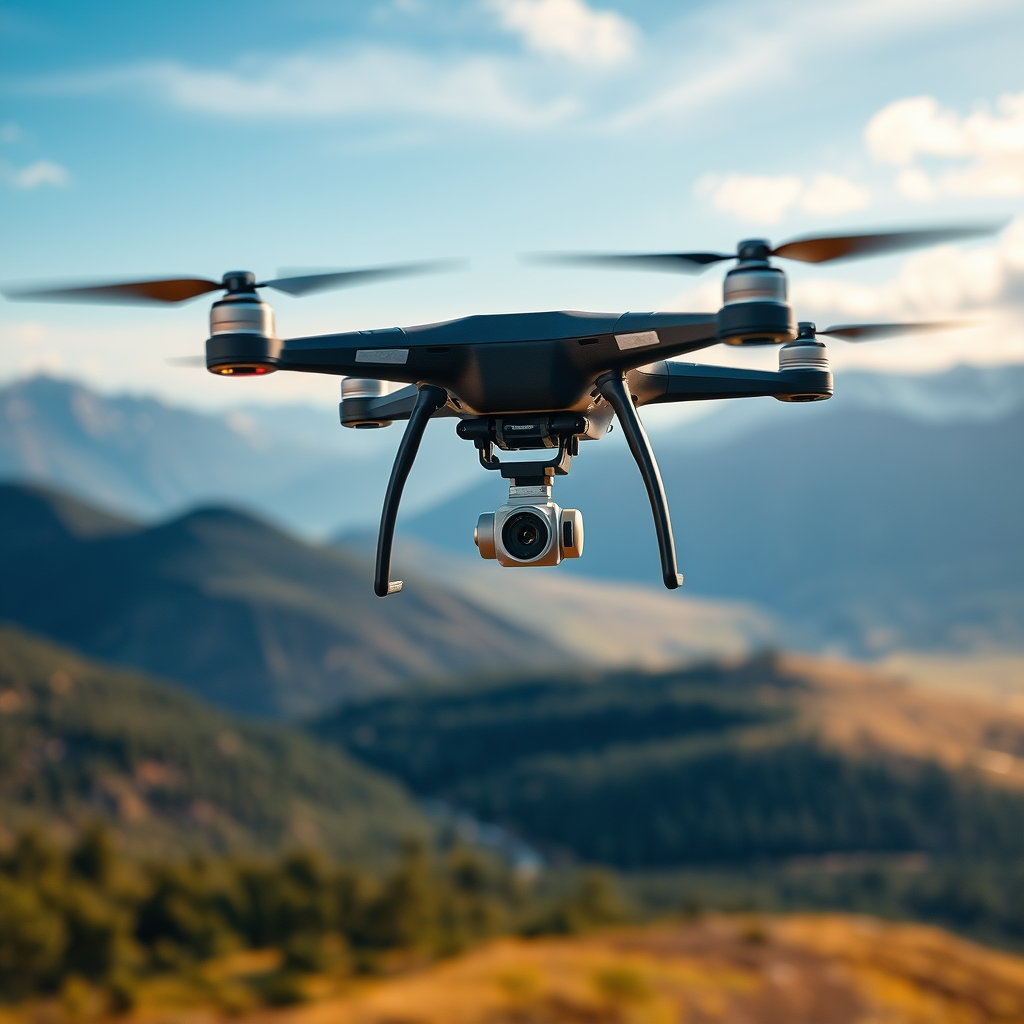
Drone photography plays a crucial role in enhancing environmental awareness by providing unique perspectives and valuable data about our planet. With the ability to capture stunning aerial images and videos, drones help stakeholders visualize environmental changes, monitor ecosystems, and engage the public in conservation efforts. This powerful technology not only fosters a better understanding of environmental issues but also inspires action towards sustainable practices.
The Impact of Aerial Perspectives
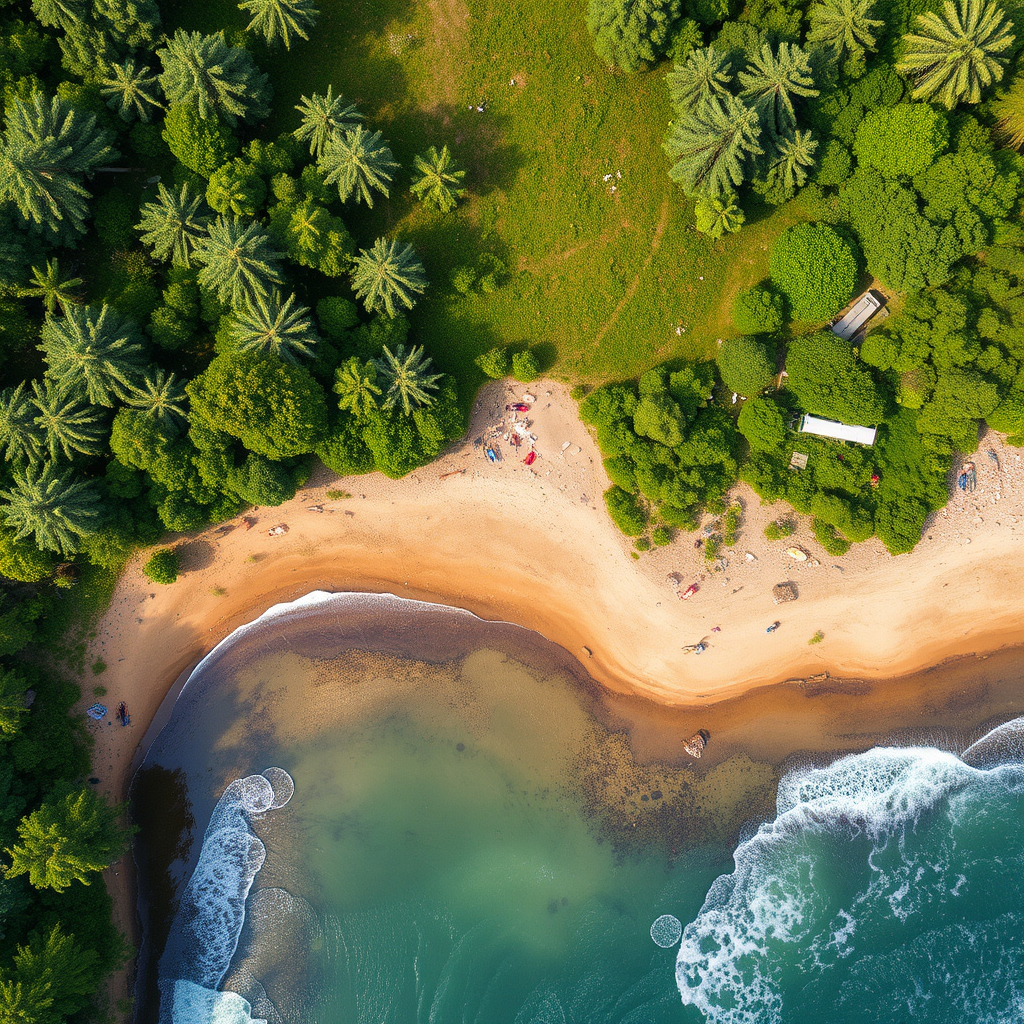
Aerial imagery reveals large-scale environmental issues such as deforestation, urban sprawl, and habitat destruction in ways that ground-level photography cannot. For instance, drones can fly over vast forested areas, capturing high-resolution images that highlight the extent of deforestation caused by logging or agricultural expansion. This bird’s-eye view enables researchers and policymakers to assess the situation more accurately, fostering informed decision-making.
Moreover, drones can access hard-to-reach areas, providing insights into remote ecosystems that are often overlooked. Areas like wetlands, mountains, and isolated forests can be challenging to survey on foot; however, drones make it possible to gather crucial data from these locations effortlessly. The ability to monitor these regions helps identify critical environmental changes that might otherwise go unnoticed, thus emphasizing the importance of aerial perspectives in environmental research.
Monitoring Environmental Changes
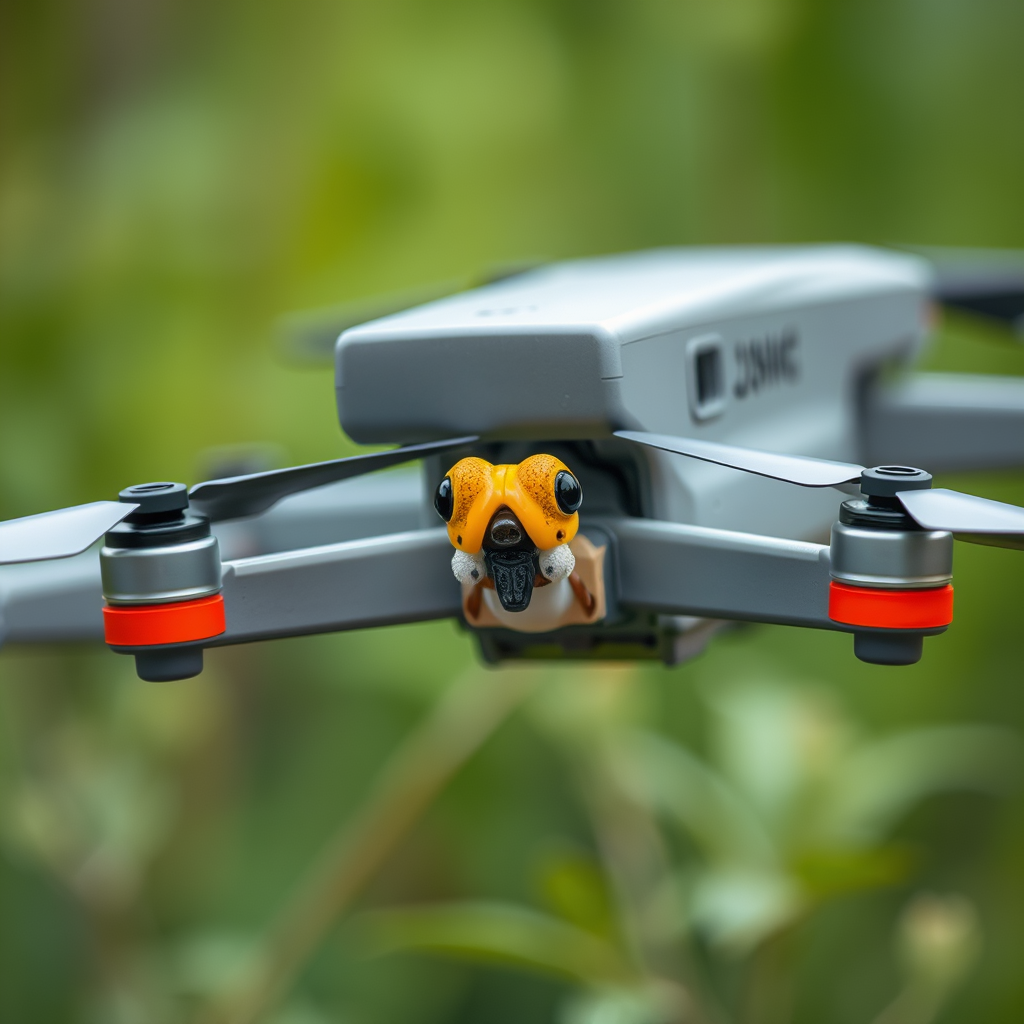
Drone technology enables real-time monitoring of natural disasters, allowing for quick assessments and responses. For example, during the recent wildfires in Australia, drones were employed to assess damage, track fire spread, and assist in firefighting efforts. The ability to gather immediate data through aerial surveys proved invaluable in strategizing effective responses to the crisis.
Regular aerial surveys conducted by environmental organizations also help track climate change effects, such as glacier retreat and rising sea levels. For instance, the National Oceanic and Atmospheric Administration (NOAA) utilizes drones to monitor coastal erosion and analyze how climate change is reshaping shorelines. This data is essential for understanding long-term trends and formulating policies to mitigate the impacts of climate change.
Engaging the Public through Visual Storytelling
Stunning drone visuals capture attention and foster emotional connections to environmental issues. Aerial photographs of breathtaking landscapes juxtaposed with images of environmental degradation can stir strong emotional responses, prompting individuals to take action. Platforms like Instagram and Twitter are flooded with breathtaking drone shots that not only showcase nature’s beauty but also highlight the urgent need for conservation.
Compelling imagery can drive social media engagement, raising awareness and encouraging community involvement. Campaigns that leverage drone photography often see a significant increase in public participation and support. For example, organizations like Conservation International share drone footage of endangered species and habitats, effectively mobilizing their audience to advocate for conservation efforts.
Supporting Research and Data Collection
Drones can collect high-resolution data for scientific research, improving accuracy in environmental studies. By employing advanced sensors and imaging technology, drones can capture aerial data that is far more detailed than traditional methods. This enhances the robustness of environmental research and allows scientists to make more informed conclusions regarding ecosystem health.
Furthermore, drones aid in wildlife monitoring by providing unobtrusive access to animal behavior and habitats. For instance, researchers studying the migration patterns of birds can deploy drones to observe without disturbing the natural behavior of the animals. This non-invasive monitoring is crucial for understanding species interactions and conservation needs, highlighting the role of drones in supporting vital research efforts.
Enhancing Conservation Efforts
Conservation organizations use drone footage to showcase their work, inspiring donations and volunteer participation. By visually demonstrating the impact of their initiatives, these organizations can more effectively communicate their mission and rally support. For instance, the World Wildlife Fund (WWF) has used drone footage to document successful habitat restoration projects, engaging the public and potential donors through powerful visual narratives.
Drones also assist in enforcing environmental regulations by identifying illegal activities like poaching and logging. Law enforcement agencies have turned to drones to patrol protected areas and monitor wildlife populations, significantly improving their ability to detect and respond to environmental crimes. This proactive approach not only helps protect endangered species but also reinforces the importance of sustainable practices among communities.
Case Studies and Success Stories
Highlighting successful projects utilizing drone photography underscores the technology’s impact on environmental awareness. The use of drones in habitat restoration projects, such as reforestation initiatives in Madagascar, has demonstrated remarkable success. Drones were employed to map deforested areas and plan replanting efforts, ultimately leading to the restoration of thousands of hectares of forest.
Additionally, partnerships between NGOs and tech companies have leveraged drone data for impactful environmental campaigns. For example, the collaboration between the Nature Conservancy and drone technology firms has resulted in innovative solutions for monitoring coral reef health. These case studies illustrate the effectiveness of drone photography in driving positive environmental change and fostering collaboration among various stakeholders.
Future Trends in Drone Technology for Environmental Awareness
As drone technology continues to advance, we can expect enhanced environmental monitoring capabilities. Innovations in battery life, sensor technology, and payload capacity will enable drones to cover larger areas and gather more comprehensive data. These advancements will significantly improve the quality and accuracy of environmental assessments.
Moreover, the integration of AI and machine learning in analyzing drone-collected data promises predictive insights into environmental trends. For instance, machine learning algorithms can analyze vast datasets to identify patterns in wildlife populations or habitat changes, enabling proactive measures to address potential threats. This synergy between technology and environmental science holds great potential for the future of conservation efforts.
By leveraging the unique capabilities of drone photography, we can significantly enhance our understanding of environmental issues and inspire collective action for a sustainable future. The integration of stunning aerial imagery into public discourse not only raises awareness but also mobilizes communities to engage in conservation efforts. Consider incorporating drone imagery into your own projects or supporting organizations that use these tools for environmental advocacy to contribute to a more sustainable world.
Frequently Asked Questions
Why is drone photography important for environmental awareness?
Drone photography plays a crucial role in environmental awareness by providing high-resolution images and videos of ecosystems, wildlife habitats, and areas affected by climate change. These aerial perspectives help visualize environmental issues like deforestation, pollution, and urban development, making them more relatable and urgent for the public. By showcasing these changes from above, drone photography can effectively communicate the impact of human activities on the environment and foster a greater sense of responsibility and action among viewers.
How can drone photography help in conservation efforts?
Drone photography assists in conservation efforts by enabling researchers and conservationists to monitor wildlife populations and their habitats from a safe distance. It allows for the mapping of large and often inaccessible areas, helping to identify critical habitats and track changes over time. This technology can also aid in detecting illegal activities, such as poaching and logging, thereby enhancing protective measures for endangered species and ecosystems.
What types of environmental issues can be documented using drone photography?
Drone photography can document a wide range of environmental issues, including deforestation, coastal erosion, water pollution, and the effects of natural disasters like wildfires and floods. It can also capture the impact of climate change, such as glacial retreat and rising sea levels, by providing before-and-after comparisons. This visual documentation is vital for raising awareness and prompting community and governmental action toward environmental protection.
Which industries benefit most from drone photography in terms of environmental monitoring?
Several industries benefit from drone photography for environmental monitoring, including agriculture, forestry, and real estate. In agriculture, drones can assess crop health and land use, while in forestry, they can monitor forest health and illegal logging activities. Additionally, real estate developers can use drone imagery to evaluate the environmental impacts of new developments, ensuring that sustainability is prioritized in their planning processes.
What are the best practices for using drone photography to promote environmental awareness?
To effectively use drone photography for promoting environmental awareness, it is essential to capture high-quality images that clearly depict the environmental issue at hand. Pairing these visuals with compelling narratives or data can enhance their impact. Additionally, collaborating with local organizations and sharing images on social media platforms can broaden outreach and engagement, helping to inspire collective action and foster community involvement in environmental conservation efforts.
References
- https://www.nationalgeographic.com/environment/article/drones-environmental-monitoring
- https://www.sciencedirect.com/science/article/pii/S2352938517310596
- https://www.wired.com/story/drones-environmental-conservation/
- https://www.usgs.gov/mission-areas/water-resources/science/drones-water-resources
- https://www.nature.com/articles/s41598-019-50879-8
- https://www.bbc.com/news/science-environment-48116614
- https://www.techtimes.com/articles/243257/20190411/how-drones-are-helping-environmental-conservation.htm
- https://www.nationalparks.org/our-work/blog/how-drones-are-changing-conservation-efforts
