
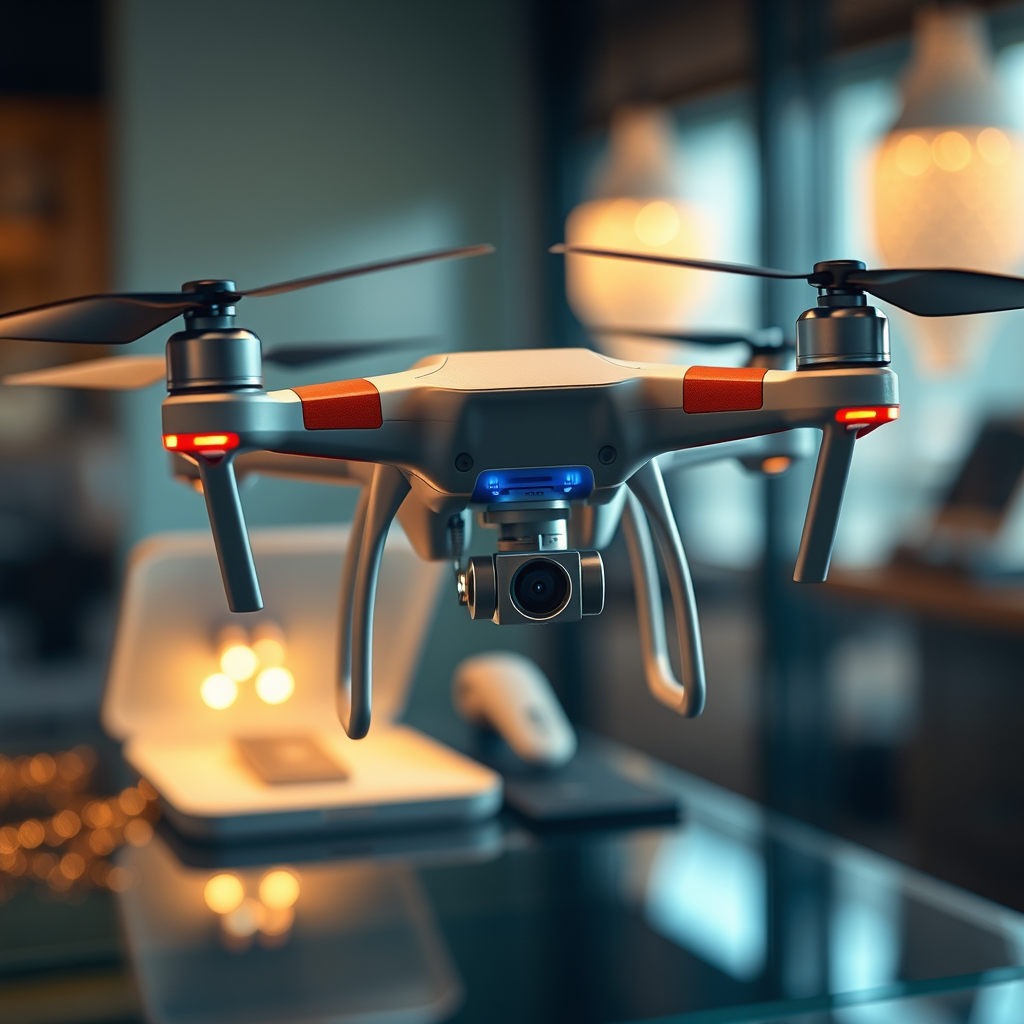
When shooting in harsh lighting conditions, the best drones to use are those equipped with advanced camera technology and features that enhance image quality. Drones such as the DJI Mavic 3 and Autel EVO Lite+ are specifically designed to excel under bright sunlight, delivering stunning, vibrant aerial photography. In this article, you’ll discover top drone models that not only withstand the challenges posed by harsh lighting but also ensure that your images remain breathtaking and true to life.
Understanding Harsh Lighting Challenges
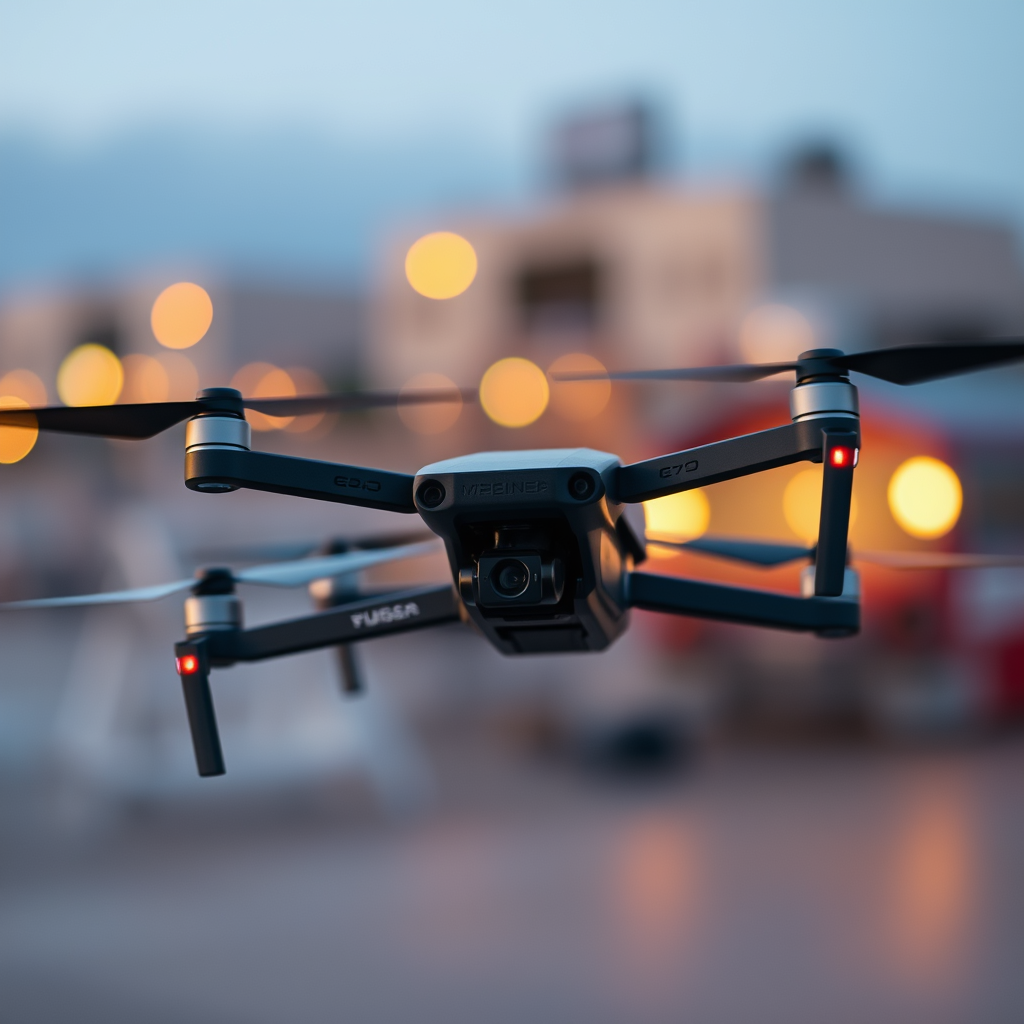
Harsh sunlight presents a unique set of challenges for photographers, particularly those using drones. One of the primary issues is overexposure, where bright sections of an image lose detail, resulting in washed-out highlights. This phenomenon can diminish the overall quality of your photographs, making them less impactful. Additionally, shadows cast by objects can create harsh contrasts that disrupt the balance of an image. These unwanted contrasts can obscure important details, leading to a less pleasing composition.
Photographers need to be aware of these challenges and select equipment that can mitigate the adverse effects of harsh lighting. Understanding how light interacts with the environment will allow for better preparation and ultimately lead to superior photography outcomes.
Key Features to Look For
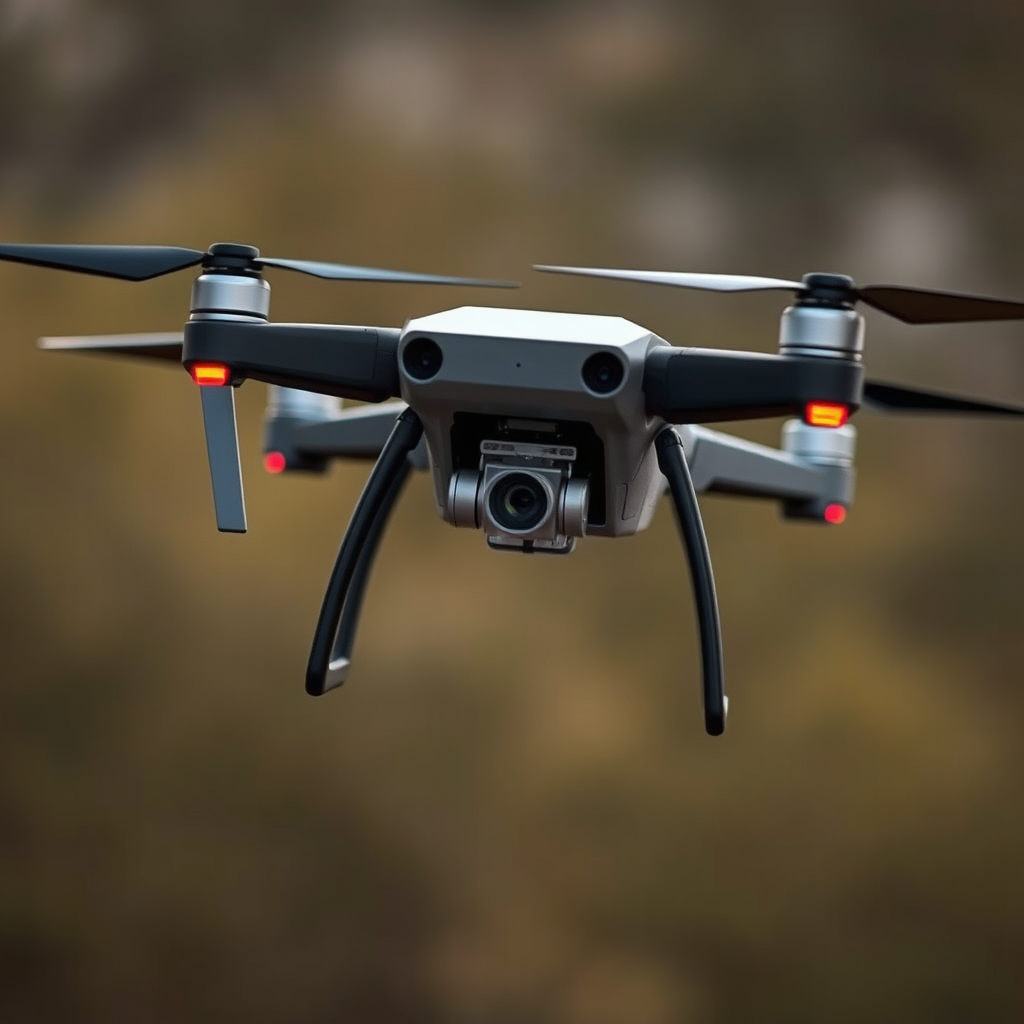
When choosing a drone for harsh lighting conditions, several key features significantly enhance image quality.
– High Dynamic Range (HDR) Capabilities: Drones with HDR capabilities are designed to capture a wider range of light, allowing for better detail in both the highlights and shadows of an image. This feature is particularly useful when shooting in conditions where different areas of the scene are exposed to varying levels of light.
– Adjustable Aperture Settings: Drones that offer adjustable aperture settings provide photographers with greater control over the amount of light entering the camera. This flexibility helps to manage exposure effectively, allowing for crisp images even in bright conditions. An adjustable aperture can also create a pleasing depth of field, separating the subject from the background.
By focusing on these features, photographers can ensure that their drone selections are equipped to handle harsh lighting environments effectively.
Top Drones for Harsh Lighting
Several drone models stand out in their ability to perform well under harsh lighting conditions.
– DJI Mavic 3: This drone is renowned for its large sensor and impressive HDR capabilities. The sensor, which is a 4/3 CMOS, captures more light and detail than smaller sensors, making it an excellent choice for bright environments. Additionally, the Mavic 3’s advanced imaging processing allows for stunning color rendition and dynamic range, ensuring that your aerial photography remains vibrant and detailed.
– Autel EVO Lite+: Known for its adjustable aperture ranging from f/2.8 to f/11, the EVO Lite+ offers exceptional flexibility when shooting in varying light conditions. This drone also boasts a large 1-inch CMOS sensor, which enhances its low-light performance, making it versatile for different shooting scenarios. Its ability to switch between different aperture settings allows photographers to manage exposure effectively, even in the brightest sunlight.
These drones embody the necessary specifications and features that make them suitable for capturing stunning images in challenging lighting conditions.
Camera Specifications That Matter
When evaluating drones for their suitability in harsh lighting, certain camera specifications are crucial to consider.
– Sensor Size: The size of the sensor plays a vital role in image quality, particularly in bright conditions. Larger sensors can capture more light, which is essential when dealing with intense sunlight. For example, a 1-inch sensor will generally outperform a smaller 1/2.3-inch sensor in terms of low-light performance and dynamic range.
– Megapixel Count: While a higher megapixel count does not always equate to better image quality, it can enhance the overall detail captured in a photo. For aerial photography, a drone with a minimum of 20 megapixels is recommended, as this allows for larger prints and more cropping flexibility without loss of detail.
By prioritizing these specifications, photographers can choose drones that will deliver superior image quality, even in the most challenging lighting scenarios.
Additional Accessories for Better Results
To further enhance image quality when shooting in harsh lighting, consider investing in additional accessories.
– Polarizing Filters: These filters can significantly reduce glare from reflective surfaces, such as water or glass, and improve color saturation. By cutting down on reflections, polarizing filters help reveal more detail in your images and provide a more vibrant color palette.
– ND Filters (Neutral Density Filters): ND filters are invaluable in bright conditions, as they reduce the amount of light entering the camera without affecting color balance. This allows for longer exposure times and can help create smooth motion effects in video or achieve better depth of field in still images. They are particularly useful during midday shooting when the sun is at its brightest.
Incorporating these accessories into your drone kit can greatly enhance the quality of your images captured in harsh lighting conditions.
Tips for Shooting in Harsh Lighting
To maximize your image quality when shooting in harsh lighting, consider the following tips:
– Shoot During Golden Hours: The golden hours, which occur shortly after sunrise and before sunset, provide softer, more diffused light that can enhance the quality of your images. Plan your drone flights around these times to take advantage of the natural lighting conditions.
– Use Manual Settings: Relying on auto settings can often lead to subpar results, especially in challenging lighting. By switching to manual mode, you can control exposure, ISO, and shutter speed. This level of control allows you to fine-tune your settings to achieve the best possible image quality.
These strategies can help you navigate the complexities of harsh lighting conditions and elevate your aerial photography to new heights.
In summary, selecting the right drone for shooting in harsh lighting involves understanding the challenges posed by bright conditions and utilizing models with superior camera features. The DJI Mavic 3 and Autel EVO Lite+ stand out as top choices, thanks to their advanced technology and specifications. Additionally, utilizing accessories like polarizing and ND filters can further enhance your images. By implementing the tips outlined, you can significantly improve your aerial photography and capture breathtaking images, no matter the lighting conditions. Ready to take your shots to the next level? Explore these drones and start capturing stunning images today!
Frequently Asked Questions
What features should I look for in drones for shooting in harsh lighting conditions?
When selecting drones for harsh lighting, prioritize models with high-quality cameras that feature large sensors, as these can better capture details in bright conditions. Look for drones that offer manual exposure settings, adjustable ISO levels, and HDR capabilities, as these features allow for greater control over image quality. Additionally, consider drones with advanced stabilization systems to mitigate the effects of glare and enhance overall footage clarity.
How do I reduce glare when filming with a drone in bright sunlight?
To minimize glare while shooting with a drone in bright sunlight, use neutral density (ND) filters, which reduce the amount of light entering the camera, allowing for better exposure control and smoother video. Additionally, angle your drone to avoid direct sunlight hitting the lens and consider shooting during golden hour (early morning or late afternoon) when the sunlight is softer. Adjusting camera settings like shutter speed and aperture can also help in managing glare effectively.
Why is it important to choose the right drone for shooting in bright environments?
Choosing the right drone for shooting in bright environments is essential because improper equipment can lead to poor image quality, overexposed shots, and loss of detail in highlights and shadows. Drones with inadequate camera capabilities may struggle to produce clear images, which can affect the overall production quality of your footage. Selecting a drone designed for harsh lighting ensures superior performance, making it easier to achieve professional results.
Which drones are considered the best for filming in bright sunlight?
Some of the best drones for filming in bright sunlight include the DJI Mavic 3, known for its Hasselblad camera with a large sensor and excellent dynamic range, and the Autel Robotics EVO Lite+, which also features a large sensor and adjustable ND filters. The DJI Air 2S is another strong contender, offering impressive low-light performance and advanced HDR capabilities. Each of these models provides the necessary features to effectively handle harsh lighting conditions while delivering stunning visuals.
What settings should I adjust on my drone camera for optimal performance in harsh lighting?
For optimal performance in harsh lighting, adjust your drone camera settings to include a lower ISO to reduce noise and enhance image quality, and set a faster shutter speed to minimize motion blur caused by bright sunlight. Use aperture settings that allow for a balanced depth of field, and consider enabling features like HDR or exposure bracketing to capture a wider range of light in your shots. These adjustments will help you produce clearer, more vibrant footage even in challenging lighting conditions.
References
- https://en.wikipedia.org/wiki/Drone_photography
- https://www.wired.com/story/best-drones-2023/
- The best drone: top aerial cameras that we’ve tested and reviewed | TechRadar
- The 5 Best Drones for Photos and Video of 2026 | Reviews by Wirecutter
- https://www.sciencedirect.com/science/article/pii/S2352864817300525
- https://www.forbes.com/sites/forbestechcouncil/2021/05/26/tips-for-droning-in-harsh-conditions/
- https://www.smithsonianmag.com/innovation/the-best-drones-for-2023-180982955/
