
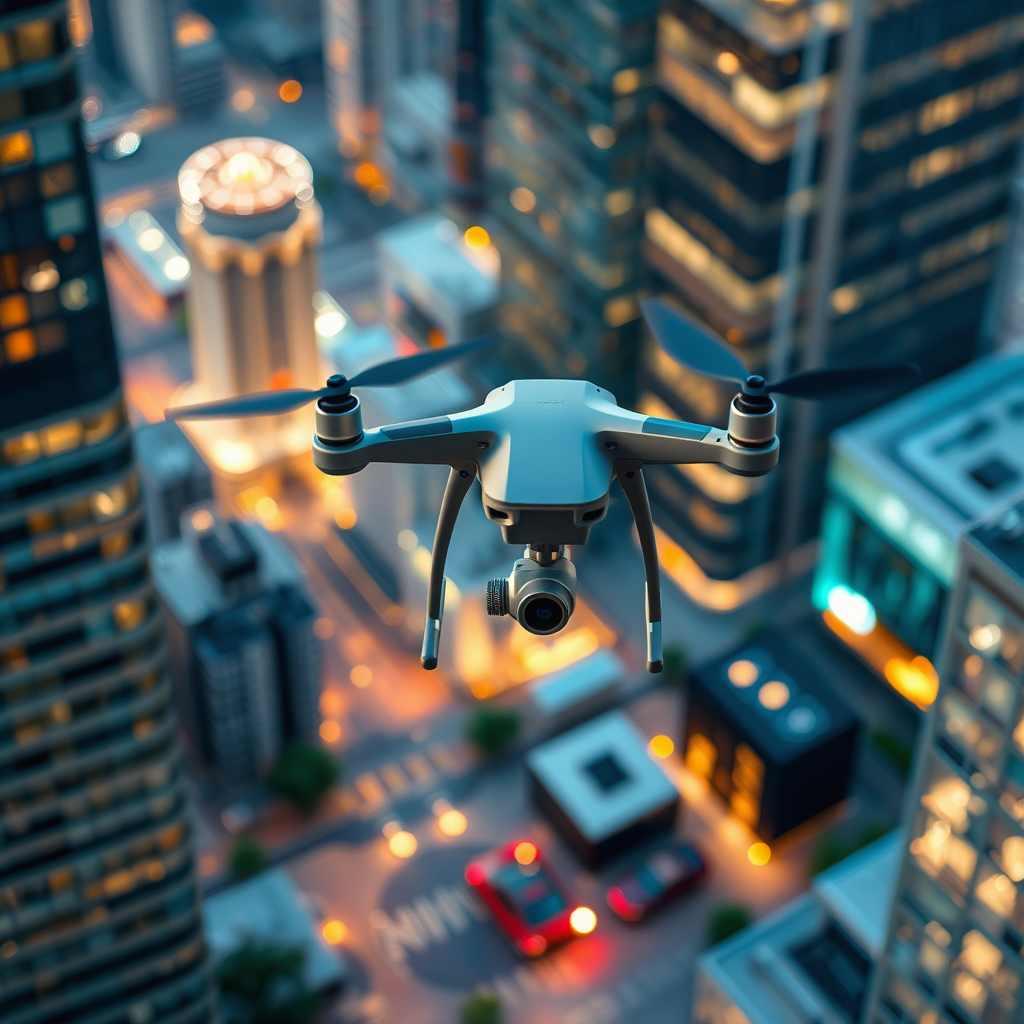
Drones play a transformative role in aerial art installations by enabling artists to create captivating displays that were previously unimaginable. This technology allows for innovative designs, dynamic movements, and expansive reach, making it a game-changer in the art world. In this article, we’ll explore how drones are revolutionizing aerial art, the techniques artists are using, and the impact on audiences.
The Evolution of Aerial Art
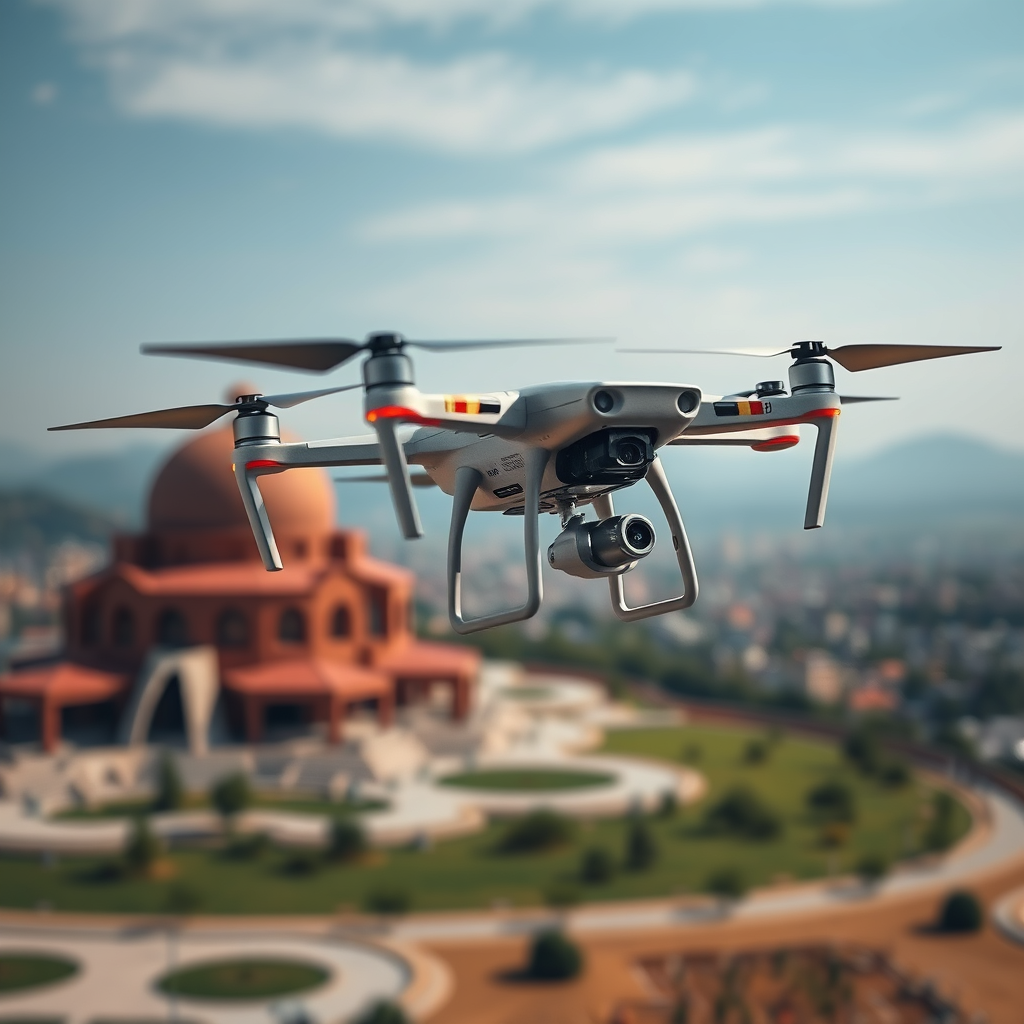
Aerial art has a rich history that dates back to the early 20th century, where artists experimented with kites and balloons to create three-dimensional displays in the sky. These traditional methods, while pioneering, were often limited by the physical constraints of their materials and the artists’ ability to control their movements. The introduction of drones as a new medium has significantly expanded these boundaries, allowing for greater precision and creativity. Drones can be programmed to execute complex flight paths, enabling artists to create intricate patterns and formations that would be impossible to achieve with conventional methods. With capabilities such as GPS navigation, real-time control, and high-definition cameras, drones have opened a new frontier for aerial artistry.
How Drones Enhance Artistic Expression
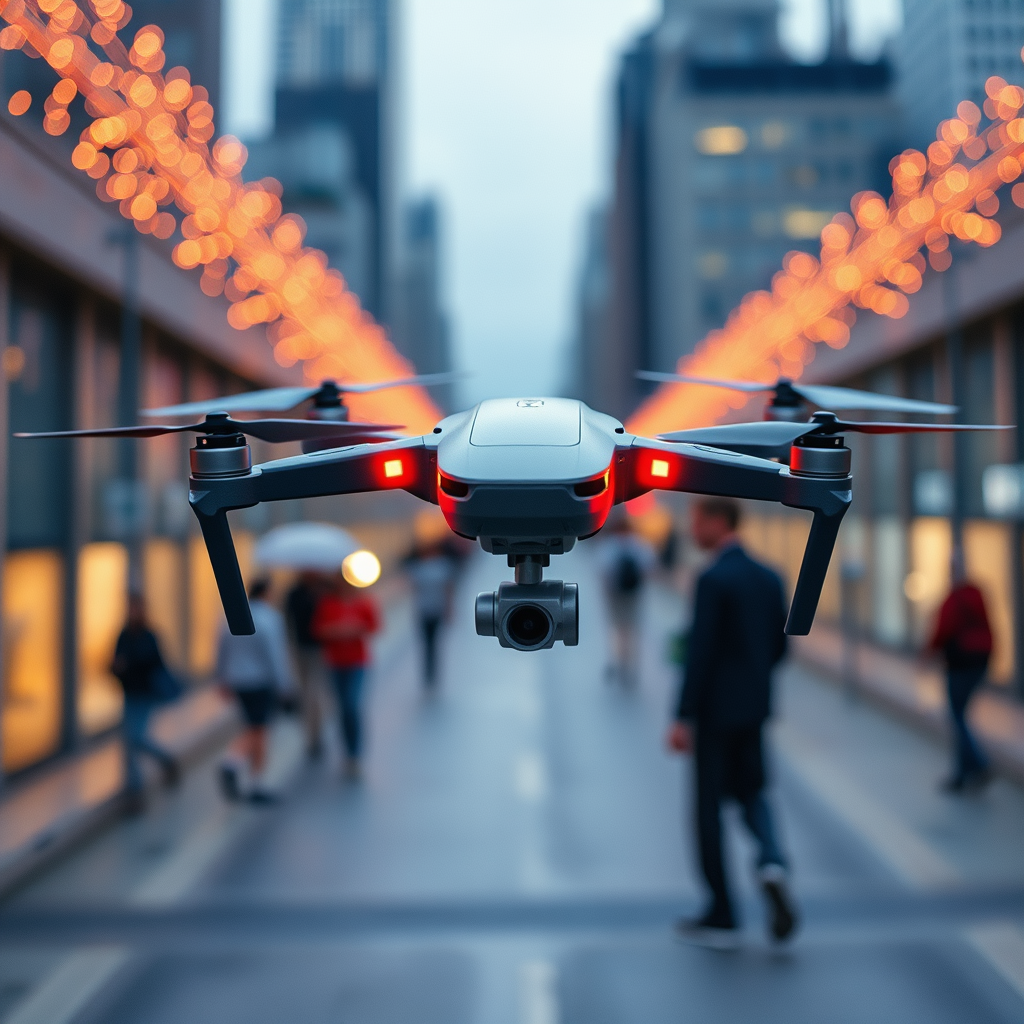
Drones provide unique design opportunities that empower artists to push the envelope of their creativity. Unlike static installations, drones can move fluidly through space, allowing for dynamic and ever-changing visual experiences. Artists can choreograph aerial performances that blend light, color, and sound, creating immersive environments that engage audiences on multiple sensory levels. For instance, the use of drones in light shows can transform a nighttime landscape into a canvas of colors, where each drone acts as a pixel in a larger artwork. Furthermore, the interactive potential of drone installations invites audiences to participate in the experience, whether through augmented reality applications or by influencing the drones’ movements via mobile devices, deepening their connection to the artwork.
Technical Aspects of Drone Art Installations
The technology underpinning drone art installations involves a combination of advanced hardware and specialized software. Artists often utilize autonomous drones equipped with LED lights, high-definition cameras, and sometimes even projectors to create visual spectacles. Software such as DroneDeploy or Pix4D allows for precise flight path planning and real-time monitoring, ensuring that the drones perform as intended. However, artists must also navigate a landscape of safety protocols and regulations. FAA regulations, for instance, dictate where and how drones can be flown, particularly in urban environments or near populated areas. Understanding these regulations is crucial for artists to ensure that their installations are not only creative but also compliant with local laws.
Case Studies of Successful Drone Art Installations
Several notable installations have demonstrated the potential of drones in the art world. One prominent example is the “Drone Light Show” performed by Intel at the 2018 Winter Olympics, where 1,218 drones synchronized to create stunning aerial displays that celebrated the spirit of the games. Audience reactions were overwhelmingly positive, with viewers marveling at the seamless choreography and intricate patterns that unfolded in the night sky. Another significant project is the work of artist Kira Bursky, who created “Drone Ballet,” a performance where drones danced alongside human dancers, establishing a dialogue between technology and traditional art forms. These installations have not only captivated audiences but also sparked discussions about the future of art and the role of technology in shaping our experiences.
Challenges Faced by Artists Using Drones
While the integration of drones into aerial art installations offers numerous advantages, it also presents a range of challenges. On a technical level, artists must contend with unpredictable weather conditions, as wind, rain, or low visibility can severely impact drone performance. Additionally, battery life poses a significant limitation; most consumer drones have a flight time of approximately 20-30 minutes, which can restrict the duration and complexity of installations. Creatively, artists face the challenge of integrating drones with traditional art forms, ensuring that the technology complements rather than overshadows their artistic vision. This requires a deep understanding of both the artistic and technical aspects of drone operation, as well as a willingness to experiment and adapt.
The Future of Drones in the Art World
Looking ahead, the future of drones in the art world appears promising. With ongoing advancements in drone technology, artists can anticipate even more sophisticated capabilities, such as improved battery life, enhanced artificial intelligence for autonomous flight, and the integration of virtual reality experiences. Collaborations between artists, technologists, and communities are likely to become more commonplace, fostering interdisciplinary projects that merge art, science, and technology. As drones become more accessible and affordable, we can expect to see a proliferation of aerial art installations in public spaces, festivals, and urban environments, further democratizing creativity and inviting broader participation from diverse audiences.
The rise of drones in aerial art installations signifies a new frontier for creative expression, blending technology with artistry in unprecedented ways. Artists are not only captivated by the capabilities of drones but are also challenged to think outside the box. As technology continues to advance, the possibilities for aerial art are limitless. Engage with this new medium and explore its potential by attending local drone art exhibitions or trying your hand at creating your own aerial designs. Through this fusion of art and technology, we are witnessing a transformative moment in the artistic landscape that is sure to leave a lasting impact on both creators and audiences alike.
Frequently Asked Questions
What are the benefits of using drones in aerial art installations?
Drones offer a unique perspective and flexibility for aerial art installations, allowing artists to create large-scale works that can be viewed from the sky. They can easily access hard-to-reach locations, enabling installations in remote or expansive areas. Furthermore, drones can be equipped with various tools such as cameras and lights, enhancing the artistic expression and providing dynamic visual experiences that engage viewers in innovative ways.
How do artists incorporate drones into their aerial art projects?
Artists typically incorporate drones into their aerial art projects by programming them to follow specific flight paths, capturing images or videos of the artwork from above. This can involve choreographed movements that create patterns or shapes in the sky, or using drones to drop materials to form transient installations on the ground. Additionally, many artists collaborate with drone operators to ensure precise execution and maximize the artistic impact of their work.
Why are drones considered a game-changer for outdoor art exhibitions?
Drones are considered a game-changer for outdoor art exhibitions because they allow for unprecedented creativity and audience engagement. Unlike traditional installations, drones can create kinetic art that changes in real-time, captivating viewers with their mobility. This technology also enables artists to reach broader audiences, as aerial displays can be documented and shared digitally, expanding the reach of their work beyond the physical location.
What are the best practices for using drones in aerial art installations?
The best practices for using drones in aerial art installations include ensuring compliance with local regulations and obtaining necessary permits for drone flights. Artists should also prioritize safety by maintaining a safe distance from crowds and utilizing experienced drone operators. Additionally, planning flight paths meticulously and conducting pre-flight inspections can help prevent accidents, ensuring that the installation runs smoothly and achieves the desired artistic effect.
Which types of drones are ideal for creating aerial art installations?
The ideal types of drones for creating aerial art installations typically include quadcopters and hexacopters, as they offer stability, maneuverability, and the ability to carry additional payloads like cameras or lighting equipment. Drones with high-resolution cameras are essential for capturing stunning visuals from above, while those with programmable flight capabilities allow for intricate choreographies. It’s crucial to select drones that are reliable, easy to operate, and have sufficient battery life to complete the artistic vision without interruptions.
References
- Drone art
- https://www.theguardian.com/artanddesign/2019/jul/05/drone-art-installation-works-in-the-sky
- https://www.nytimes.com/2016/10/03/arts/design/drones-art-installation.html
- https://www.sciencedirect.com/science/article/pii/S1877050919311010
- GeeksforGeeks | 404
- https://www.arts.gov/impact/creative-placetypes/creative-placemaking-drone-art
- https://www.bbc.com/news/technology-45584915
