
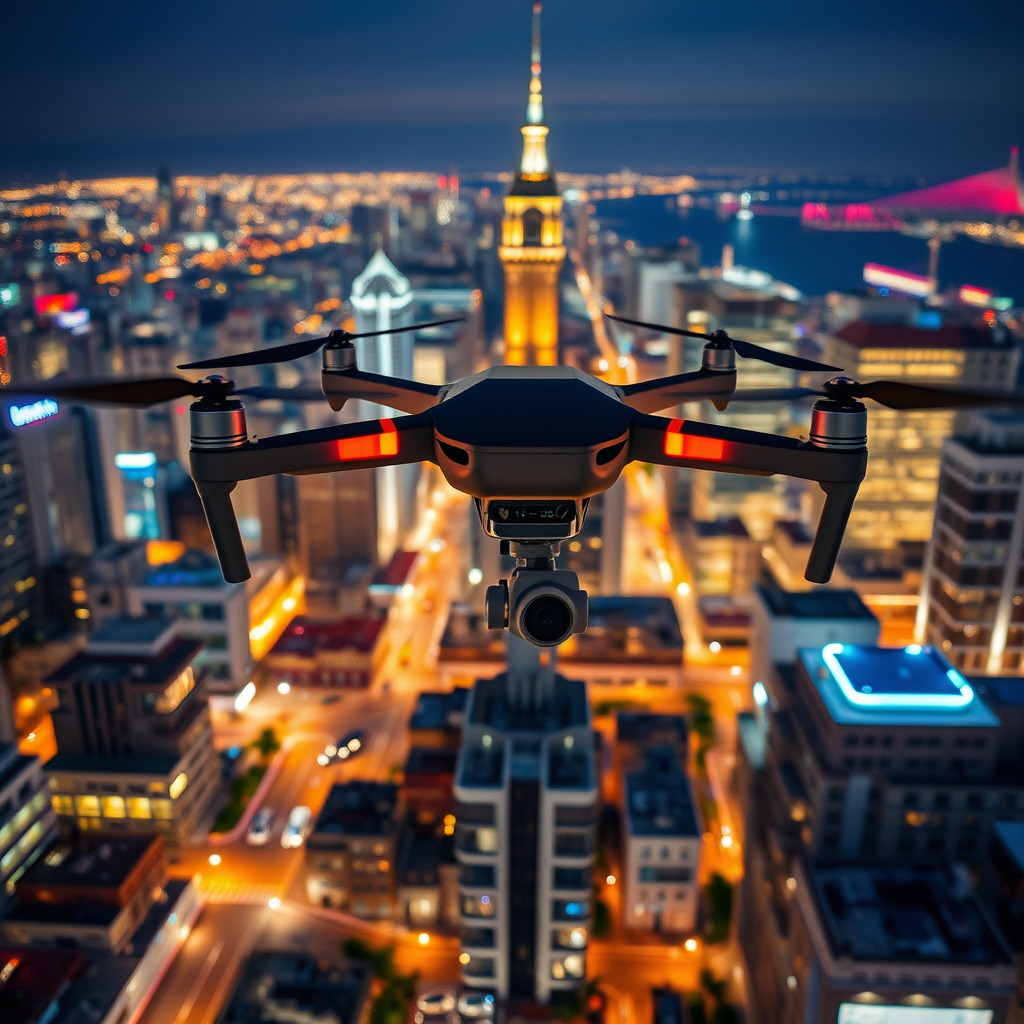
Using drones to capture stunning nighttime cityscapes requires the right equipment, techniques, and a thorough understanding of safety protocols. With proper preparation, you can create breathtaking aerial images that highlight the enchanting beauty of urban landscapes illuminated by vibrant city lights. This guide will walk you through essential tips and best practices to elevate your nighttime drone photography.
Choosing the Right Drone
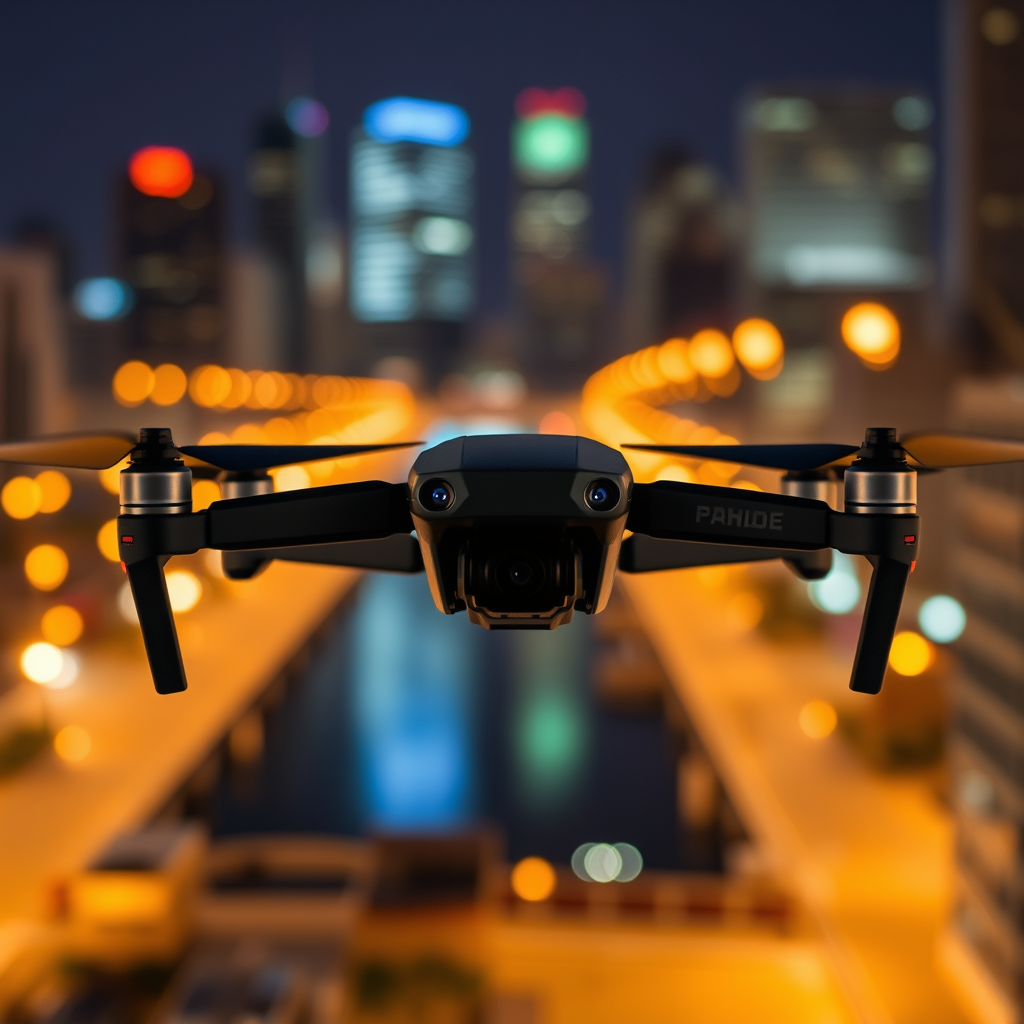
When it comes to nighttime drone photography, the choice of drone can significantly affect the quality of your images. Look for drones equipped with high-quality low-light cameras that excel in capturing detail in dim conditions. Models like the DJI Mavic 3 and the Phantom 4 Pro V2.0 feature large sensors and advanced imaging technologies, enabling them to perform exceptionally well in low-light situations.
Additionally, ensure your drone has a stable flight system, as nighttime conditions can be more challenging due to reduced visibility and potential wind gusts. A drone with a robust stabilization system allows for smoother flight paths and clearer images, minimizing motion blur that can occur during nighttime flights.
Essential Equipment for Nighttime Flights
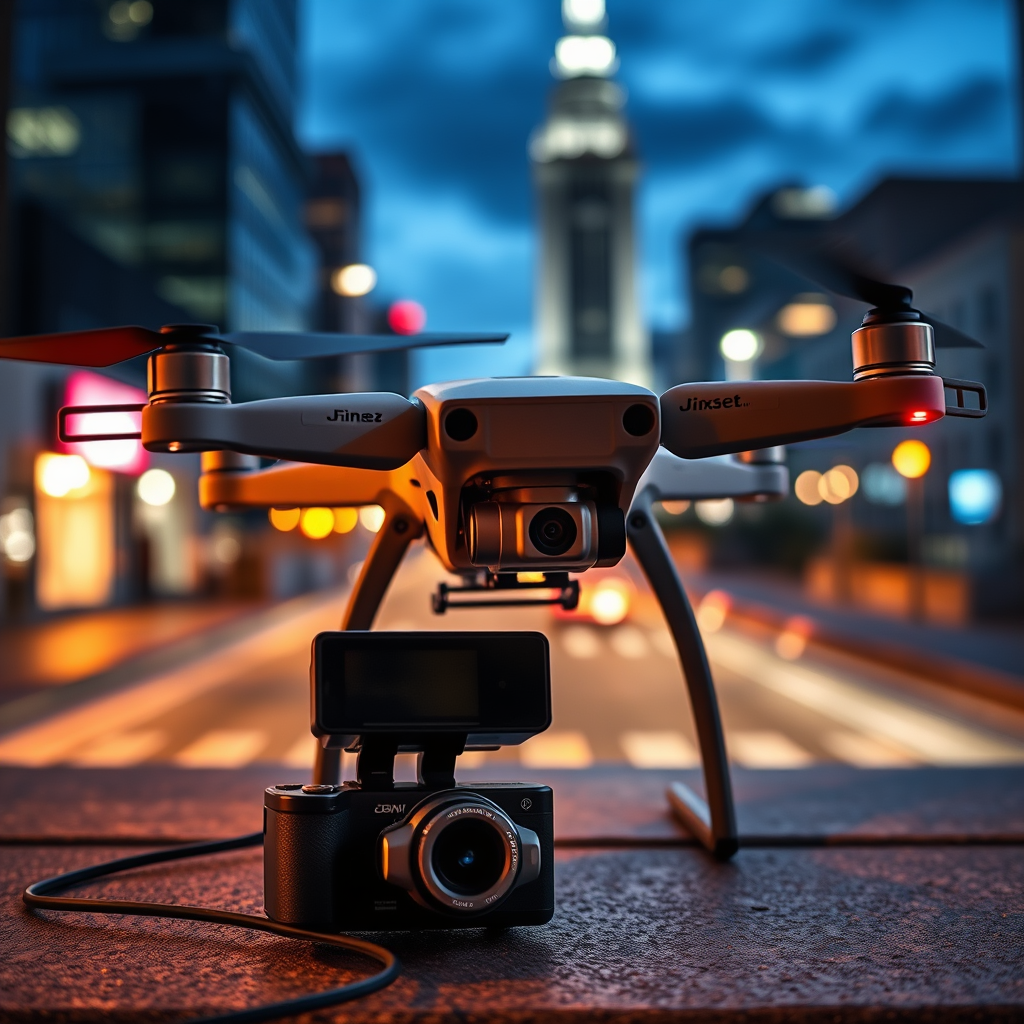
To maximize your drone’s performance during nighttime operations, it’s crucial to have the right accessories. One of the most effective tools for nighttime photography is the use of Neutral Density (ND) filters. These filters help manage exposure levels, preventing overexposure from the bright lights of the city while enhancing light trails created by moving vehicles and other light sources. By reducing the amount of light entering the camera, ND filters enable longer exposure times, resulting in stunning, dynamic images.
Moreover, carrying extra batteries is essential for nighttime flights. Drones tend to consume more power in colder night air due to increased energy demands for stabilization and lighting systems. Therefore, it’s advisable to have at least one or two additional batteries on hand to ensure you can capture all the shots you desire without interruptions.
Understanding Legal Regulations
Before embarking on your nighttime drone photography adventure, it’s critical to familiarize yourself with local laws and regulations governing nighttime drone flights. Different jurisdictions have specific rules regarding drone operations, particularly in urban areas where the risk of collisions with buildings or other aircraft is higher.
In many countries, flying drones at night may require special permits or adherence to additional safety measures, such as enhanced visibility requirements. Always check with your local aviation authority or drone regulatory body to ensure compliance. This proactive approach not only keeps you within the legal framework but also enhances your safety and the safety of others.
Planning Your Flight Path
Effective planning is key to successful nighttime drone photography. Start by scouting potential locations during daylight hours. This allows you to familiarize yourself with the area, identify potential hazards, and determine the best angles for capturing cityscapes. Notable viewpoints may include elevated areas, bridges, or open parks that offer unobstructed views of the skyline.
Utilizing flight planning apps can also streamline your process. Tools like DJI Fly or Litchi allow you to pre-map your route, ensuring that you avoid obstacles such as buildings and trees. These applications often provide crucial information about no-fly zones and help you plan for optimal flight altitude, guaranteeing a smoother and safer flying experience.
Mastering Nighttime Photography Techniques
Capturing stunning nighttime cityscapes demands a solid grasp of photography techniques that cater to the unique challenges of low-light environments. Adjusting your camera settings is essential; start by lowering the ISO to reduce noise that can detract from image quality. While higher ISO settings may seem appealing for capturing more light, they often introduce graininess that can compromise the clarity of your photos.
Experimenting with longer exposure times is another effective technique. This approach allows your camera to gather more light over an extended period, resulting in captivating light trails from vehicles and vibrant city lights. A tripod or, in this case, a stable drone can help maintain focus during these longer exposures, ensuring that your images remain sharp and clear.
Safety Precautions for Nighttime Flying
Safety should always be a top priority when flying drones, especially at night. One effective strategy is to always fly with a visual observer. This additional set of eyes can help you navigate and maintain spatial awareness of your surroundings, significantly reducing the risk of collisions with other aircraft or obstacles.
Moreover, keeping your drone within visual line of sight is not just a legal requirement in many areas; it’s also a practical safety measure. Be aware of your surroundings, including other drones, birds, and obstacles that may not be immediately visible. Utilizing GPS and obstacle avoidance systems can further enhance safety during nighttime flights, ensuring a smoother and more secure experience.
Post-Processing Nighttime Images
Once you have captured your nighttime images, the next step is post-processing to enhance their visual appeal. Using software such as Adobe Lightroom or Photoshop can help you adjust colors and contrast, making your photographs pop. Don’t hesitate to play with sliders to bring out the vibrancy of city lights and ensure that the details of the urban landscape are well defined.
Additionally, editing out noise is crucial, especially if you used higher ISO settings during your shoot. Noise reduction tools in post-processing software can help maintain the overall quality of your images, allowing you to produce professional-grade photographs that showcase the breathtaking beauty of nighttime cityscapes.
Your nighttime drone photography can truly shine with the right preparation and knowledge. By applying these techniques and safety measures, you’ll be able to capture the vibrant energy of cityscapes after dark. Embrace the opportunity to experiment and push your creative boundaries, as doing so will lead to stunning aerial visuals that reflect the unique character of urban environments under the enchanting glow of city lights.
Frequently Asked Questions
What are the best drones for capturing nighttime cityscapes?
When selecting a drone for nighttime cityscapes, consider models equipped with high-quality cameras and low-light capabilities. Drones like the DJI Mavic 3 and the Autel Robotics EVO Lite have larger sensors and advanced stabilization features, allowing for clearer images in low-light conditions. Additionally, look for drones with adjustable ISO settings and long battery life to maximize your shooting time during the night.
How can I ensure my drone is safe to fly at night in urban areas?
To ensure safe nighttime drone flights in urban areas, always check local regulations regarding drone usage after dark, including any required permits or restrictions. Additionally, equip your drone with LED lights for visibility, and use GPS and obstacle avoidance features to navigate safely. Planning your flight path in advance and conducting a pre-flight checklist can help mitigate risks associated with flying in densely populated areas.
Why is nighttime photography with drones different from daytime photography?
Nighttime photography with drones presents unique challenges, including lower light conditions that require different camera settings and techniques. The absence of natural light means you’ll need to adjust your drone’s settings, such as increasing the ISO and using longer exposure times to capture vibrant city lights. Additionally, understanding how to utilize the drone’s gimbal stabilization and avoiding motion blur is crucial for achieving sharp images at night.
What are some tips for capturing stunning nighttime cityscape photos with a drone?
To capture stunning nighttime cityscape photos with your drone, start by flying at a higher altitude to encompass more of the skyline and its lights. Utilize long exposure settings to create dynamic light trails from moving vehicles, and experiment with various angles and compositions to highlight iconic landmarks. Always keep an eye on your battery life, and consider using a neutral density filter to manage light exposure effectively.
Which settings should I use on my drone camera for nighttime cityscapes?
For nighttime cityscapes, set your drone camera to a higher ISO (typically between 800 and 3200) to enhance light sensitivity, but be wary of introducing noise at higher settings. Use a slower shutter speed to allow more light into the camera, and consider a wider aperture to achieve a better depth of field. Experiment with different settings during practice flights to find the best combination that suits your specific shooting conditions.
References
- Aerial photography
- https://www.nytimes.com/2021/06/01/technology/drones-nighttime.html
- https://www.nasa.gov/feature/nasa-s-drone-in-the-sky-helps-researchers-see-the-world-at-night
- https://www.sciencedirect.com/science/article/pii/S0140988321001044
- https://www.researchgate.net/publication/334346953_Drones_for_Sustainable_Cities
- https://www.techrepublic.com/article/how-drones-are-changing-the-way-we-see-the-world/
- https://www.unm.edu/~drones/
- https://www.bbc.com/future/article/20200807-how-drones-are-changing-the-way-we-see-the-world-at-night
