
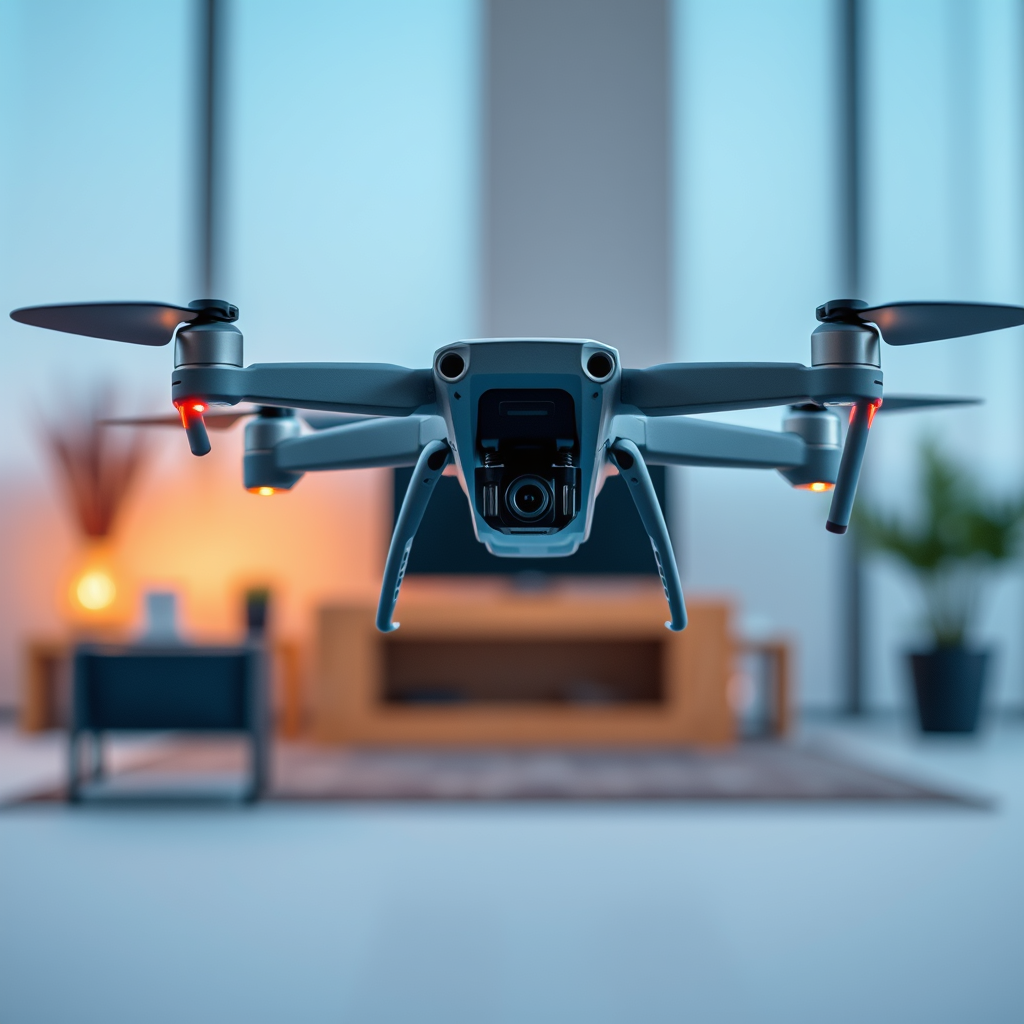
While not all DJI drones need to be registered, many do depending on their weight and where you plan to fly them. Understanding the regulatory landscape is crucial for all drone enthusiasts and operators. This article delves into the specific regulations governing drone registration, identifies the types of DJI drones that require registration, and offers guidance on ensuring compliance with local laws.
Understanding Drone Registration Requirements
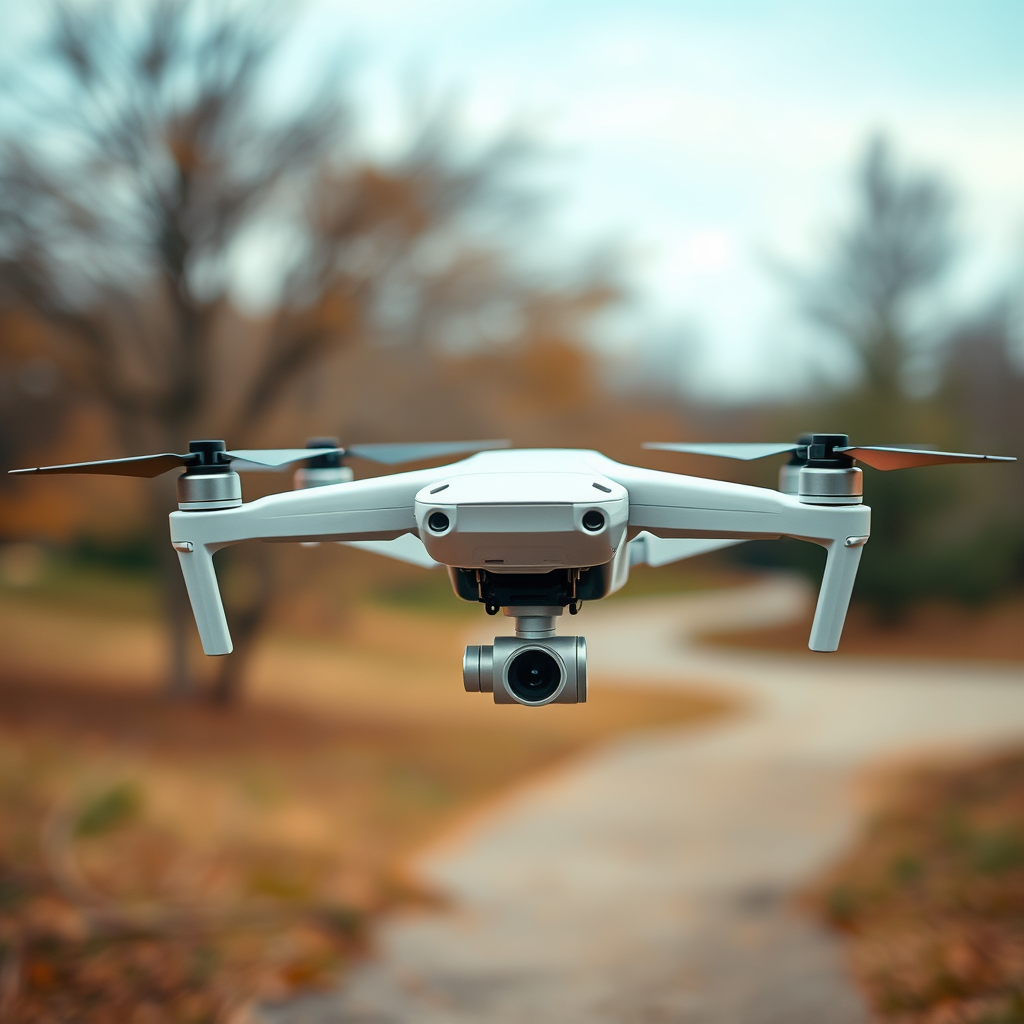
In the United States, the Federal Aviation Administration (FAA) mandates that any drone weighing over 0.55 pounds (approximately 250 grams) must be registered before it can be flown outdoors. This regulation aims to promote safe airspace usage and accountability among drone operators. The registration process requires users to provide personal information and the drone’s details, and it typically results in a unique identification number that must be affixed to the drone.
However, regulations regarding drone registration can vary significantly from country to country. For instance, in the United Kingdom, the Civil Aviation Authority (CAA) also has its own set of rules, requiring registration for drones weighing over 250 grams. In many European countries, the European Union Aviation Safety Agency (EASA) has implemented similar requirements. As such, it is imperative for drone operators to familiarize themselves with local laws before flying their DJI drones to avoid any potential infractions.
Types of DJI Drones That Require Registration
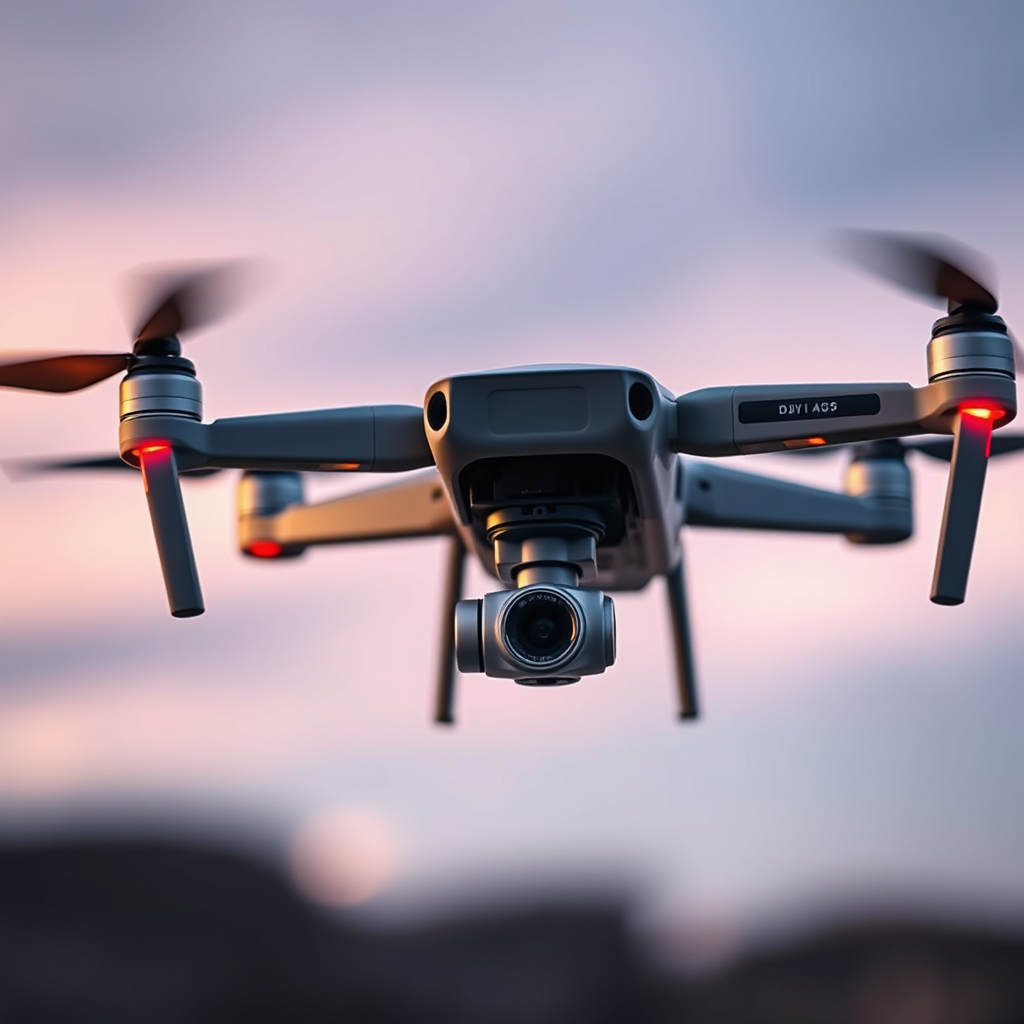
Most consumer drones produced by DJI, such as the Mavic Air, Mavic Pro, and Phantom series, easily exceed the 0.55-pound weight limit, necessitating registration. For instance, the DJI Mavic Air weighs about 0.68 pounds, while the Phantom 4 Pro weighs approximately 3.1 pounds. Both of these models require FAA registration.
On the other hand, DJI also manufactures mini drones like the DJI Mini SE and the DJI Mini 2. These models weigh around 0.55 pounds or less, which may exempt them from registration under specific conditions. However, it’s important to note that any mini drone exceeding the weight limit still falls under registration requirements. Therefore, if you are considering purchasing a DJI drone or already own one, always check its weight and confirm whether it requires registration.
How to Register Your DJI Drone
Registering your DJI drone is a straightforward process and can typically be completed online through the FAA’s website or your country’s aviation authority. In the U.S., the registration fee is relatively modest at $5, which covers a three-year registration period. You’ll need to provide personal information including your name, address, and a valid email address, along with the drone’s make, model, and serial number.
Once registered, you will receive a registration number that must be displayed on your drone. This can be done by labeling it in a visible location. It’s advisable to keep your registration information readily accessible, as you might need to show it to local authorities while flying.
For those operating in other countries, be sure to follow the respective registration protocols outlined by your local aviation authority. Many countries have streamlined their processes to encourage compliance and promote safe drone operations.
Consequences of Flying an Unregistered Drone
The repercussions of operating an unregistered drone can be severe. In the United States, flying a drone that has not been registered can result in fines of up to $27,500 for civil penalties, and criminal penalties can reach up to $250,000, along with potential imprisonment. Additionally, local law enforcement may confiscate your drone if you are found operating it without proper registration.
Beyond legal ramifications, flying unregistered also poses safety risks. Unregistered drones can interfere with manned aircraft and other drone operations, leading to potential accidents. This not only jeopardizes public safety but can also tarnish the reputation of the drone flying community, resulting in stricter regulations for all operators.
Tips for Staying Compliant with Drone Regulations
To ensure compliance with drone regulations, it is essential to stay informed about the latest rules, as policies can change frequently. Regularly check the FAA’s website or your local aviation authority’s site for updates. Additionally, consider subscribing to newsletters or joining forums that discuss drone regulations and share experiences among operators.
Joining a local drone community can be beneficial, as it provides a platform for discussing best practices and any recent changes in legislation. Networking with other drone enthusiasts can also enhance your knowledge about responsible flying and registration processes.
Lastly, always conduct a pre-flight checklist that includes verifying registration, checking local airspace restrictions, and ensuring your drone is in good working condition before taking to the skies.
Resources for DJI Drone Owners
For DJI drone owners seeking guidance on registration processes and requirements, official government websites are invaluable resources. The FAA’s website offers comprehensive information on how to register your drone, as well as updates on regulations and safety guidelines.
In addition to government resources, online forums, community groups, and DJI’s official site provide a wealth of information and support for drone users. These platforms often feature discussions about best practices, troubleshooting tips, and firsthand experiences that can enhance your flying experience.
Moreover, organizations such as the Academy of Model Aeronautics (AMA) and other drone advocacy groups offer educational resources, safety training, and insurance options, further enriching the knowledge base for both novice and experienced drone operators.
Staying informed about registration requirements for your DJI drone is essential for safe and legal flying. Ensure you understand the specific regulations that apply to your drone model and location, and take the necessary steps to register. By doing so, you’ll not only avoid penalties but also enjoy your aerial adventures with peace of mind.
Frequently Asked Questions
Do I need to register my DJI drone with the FAA?
Yes, if your DJI drone weighs more than 0.55 pounds (250 grams), you are required to register it with the Federal Aviation Administration (FAA) in the United States. Registration ensures that drone operators are accountable for their unmanned aircraft and helps maintain safety in the national airspace. The registration process is straightforward and can be completed online for a small fee, and it lasts for three years.
What are the consequences of not registering my DJI drone?
Failing to register your DJI drone can lead to significant penalties, including fines up to $27,000 for non-compliance with FAA regulations. Additionally, if you operate an unregistered drone and are involved in an incident, you may face legal repercussions and difficulties with insurance claims or liability issues. Proper registration is essential for responsible drone operation.
How do I register my DJI drone?
To register your DJI drone, visit the FAA’s official registration website and create an account. You’ll need to provide information such as your name, address, and email, along with the make and model of your drone. After paying the registration fee, you will receive a unique registration number, which must be marked on your drone. Remember to keep your registration current, especially if you change your address or acquire new drones.
Why is it important for DJI drone operators to register their drones?
Registering your DJI drone is crucial for maintaining safety and accountability in the airspace. It helps the FAA track drone activity and enforce regulations, ensuring that operators adhere to guidelines that prevent accidents and conflicts with manned aircraft. Additionally, registration legitimizes your status as a drone operator, which can be beneficial if you ever face legal challenges or need to prove compliance with aviation laws.
Which DJI drones require registration?
Most DJI drones that weigh over 0.55 pounds must be registered with the FAA. This includes popular models like the DJI Mini 2, Mavic Air 2, and Phantom series. However, some lightweight drones like the DJI Mini SE (under 0.55 pounds) do not require registration, making it important for operators to know the specifications of their drone. Always check the latest FAA guidelines to ensure compliance with registration requirements.
References
- How to Register Your Drone | Federal Aviation Administration
- https://www.faa.gov/uas/getting_started/registration
- https://en.wikipedia.org/wiki/Drone_registration
- https://www.nytimes.com/2021/04/21/technology/drone-registration.html
- https://www.theguardian.com/us-news/2020/jun/09/drone-registration-faa-rules
- Trump holds first coronavirus briefing in months, Portland standoff and U.S. abruptly closes Chin…
- https://www.reuters.com/technology/us-faa-proposes-drone-registration-rules-2021-12-15/
- https://www.nass.usda.gov/Newsroom/Notices/2021/Drone_Registration.pdf
