
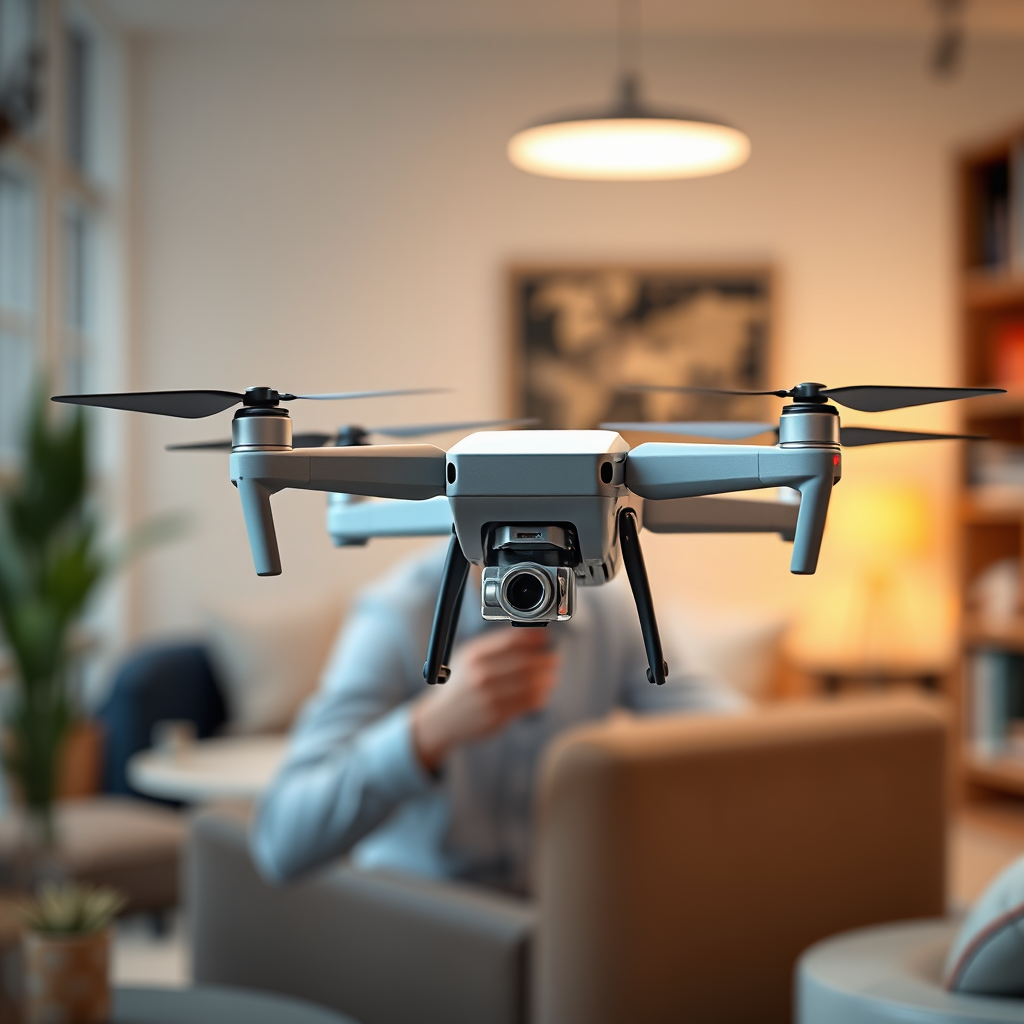
While there have been concerns regarding data privacy, DJI drones do not automatically send user information to China without consent. DJI has implemented strict data handling practices aimed at maintaining user privacy and complying with global regulations. However, understanding how data is collected, processed, and shared is crucial for users to make informed choices about their privacy when operating these drones.
Understanding DJI’s Data Handling Policies
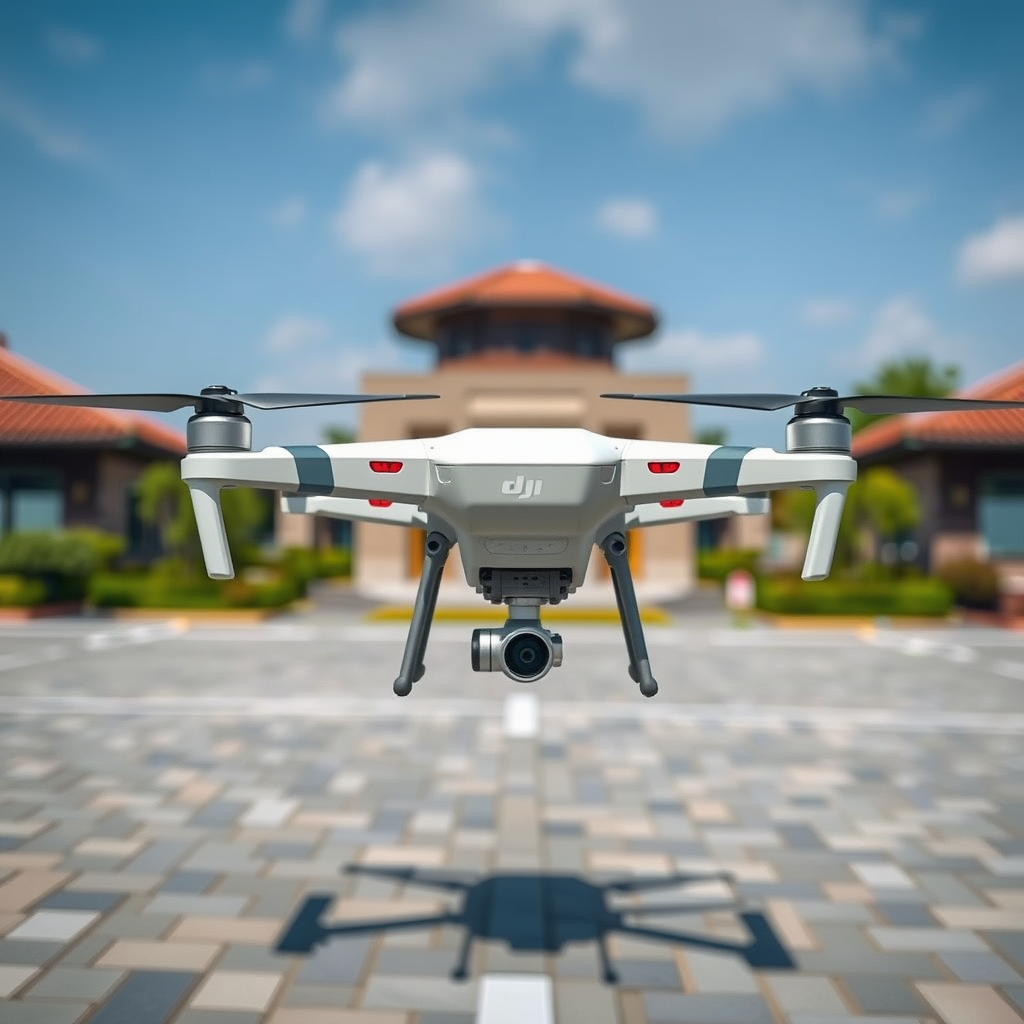
DJI has established a comprehensive privacy policy that outlines the specifics of how the company collects and uses user data. This policy is designed to provide transparency and clarity, ensuring users are aware of what information may be collected, including flight data, device information, and user preferences. DJI emphasizes that data can be utilized for purposes such as improving user experience, enhancing product functionality, and ensuring compliance with legal obligations.
Moreover, users have the option to manage their privacy settings through the DJI app. The settings allow users to customize what data they share, enabling them to opt-out of certain data collection processes if they choose. By providing these options, DJI empowers users to take control of their data, which is increasingly important in today’s digital landscape where data privacy concerns are at the forefront.
Concerns Over Data Security
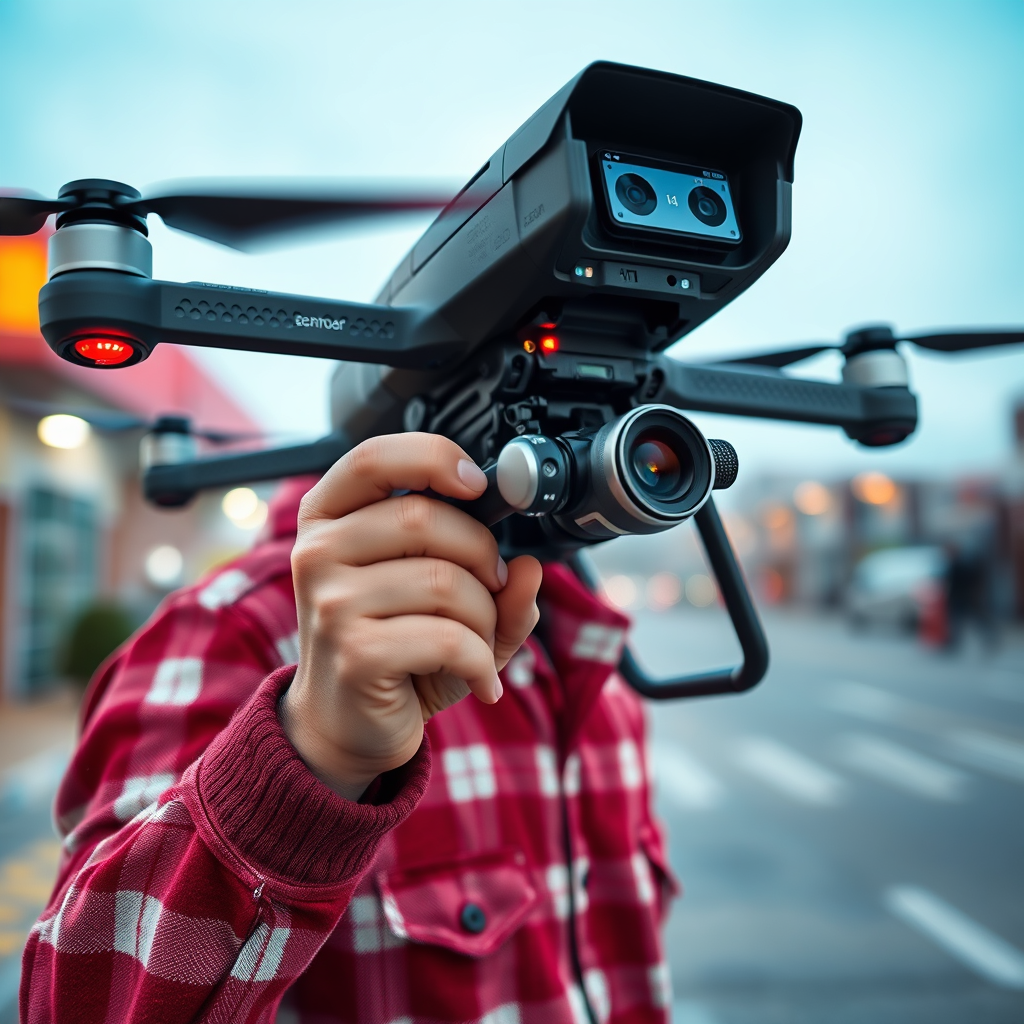
Despite the transparency in DJI’s policies, many users remain apprehensive about potential government surveillance and the implications of data sharing. Concerns have been amplified by reports that suggest data collected by DJI drones could be accessed by Chinese authorities due to the company’s headquarters in China. Such fears have led to widespread scrutiny from governments and privacy advocates, raising questions about how data is stored and processed.
For instance, in 2020, the U.S. Department of the Interior grounded its fleet of DJI drones over security concerns, citing the potential for sensitive data to be sent back to China. This incident exemplified the broader anxiety surrounding the usage of foreign-made technology in sensitive applications, particularly in sectors like government and defense. It is essential for users to stay informed about these concerns while also understanding the context of how data is managed by the company.
How DJI Ensures User Privacy
In response to privacy concerns, DJI has implemented various encryption methods to protect user data. This includes encryption during data transmission and storage, which helps safeguard information from unauthorized access. By employing strong encryption protocols, DJI attempts to mitigate the risk of data breaches and unauthorized data sharing.
Additionally, DJI has established local data centers in several countries to comply with local laws and regulations regarding data privacy. For example, in 2020, DJI announced the creation of a data center in the United States to store data collected from American users locally. This initiative not only aligns with data sovereignty principles but also provides users with an added layer of assurance regarding the handling of their data. By localizing data storage, DJI aims to alleviate fears of foreign access to sensitive information.
The Role of User Consent
User consent plays a crucial role in how DJI handles data sharing practices. When users set up their drones and the accompanying applications, they are required to agree to terms and conditions that outline the company’s data collection and sharing practices. Understanding these terms is vital for users who wish to make informed decisions about their privacy.
DJI’s consent framework allows users to opt-in or opt-out of specific data collection features. For instance, users may choose to disable location tracking or limit the sharing of flight data. By being proactive in reading and understanding these terms, users can take steps to protect their information and ensure that their data is used in a manner consistent with their preferences.
Steps to Protect Your Data While Using DJI Drones
To enhance data security while operating DJI drones, users can take several practical steps. First, it is advisable to regularly review and adjust privacy settings within the DJI app. This ensures that users are aware of what data is being collected and can modify settings to suit their privacy preferences.
Moreover, users should consider utilizing offline modes when operating their drones. Operating in offline mode limits data transmission, which can be particularly useful in sensitive environments or during critical missions. Additionally, users can disconnect from Wi-Fi or mobile data when they do not require internet access, further minimizing the risk of data being sent unintentionally.
Lastly, staying updated on software updates and security patches is essential. DJI frequently releases updates that enhance security features and address potential vulnerabilities, so users should ensure their devices are running the latest firmware.
Regulatory Responses and Industry Standards
Governments worldwide are scrutinizing drone data practices, leading to increased regulatory oversight in the industry. In the U.S., for example, various federal agencies have issued guidelines regarding the use of drones, particularly concerning data privacy and security. Such regulations aim to protect citizen data while fostering innovation in drone technology.
Moreover, industry standards are evolving to enhance user privacy and data security. Organizations such as the International Organization for Standardization (ISO) are developing frameworks that guide drone manufacturers in implementing best practices for data protection. As these standards become more widely adopted, they will provide a benchmark for companies, including DJI, to enhance their data handling practices in line with global expectations.
Future Considerations for Drone Users
As awareness of data privacy issues continues to grow among consumers, drone users must remain vigilant and informed. The landscape of data privacy is continually evolving, with new regulations and standards emerging that may impact how drones operate and how data is handled. It is crucial for users to stay updated on any changes from DJI regarding their data policies, as well as developments in regulatory frameworks that could affect their rights and options.
Furthermore, as public interest in privacy rights intensifies, DJI and other drone manufacturers may face increasing pressure to enhance their privacy measures. Users should advocate for transparency and accountability, ensuring that their voices are heard in the broader conversation about data privacy in the drone industry.
By understanding how DJI drones manage data and the choices available to users, drone operators can take proactive steps to safeguard their privacy. Always stay informed about potential changes in policies and practices to ensure your data remains secure. It is essential to remain engaged with the evolving landscape of drone technology and data privacy, empowering users to operate their drones with confidence and security.
Frequently Asked Questions
Do DJI drones send user data to China?
Yes, DJI drones can collect and transmit data, including flight logs and geolocation information, to the company’s servers, which are based in China. However, DJI has stated that they do not sell or share data with the Chinese government. Users concerned about privacy can manage their data settings and disable certain features that send data back to DJI.
What specific data do DJI drones collect?
DJI drones typically collect various data types, such as flight logs, GPS coordinates, and usage statistics. This data helps improve the functionality of the drones and provides users with flight insights. However, users should be aware of what information is shared by reviewing DJI’s privacy policy and adjusting their device settings accordingly.
How can I limit data transmission on my DJI drone?
To limit data transmission on your DJI drone, you can adjust the settings within the DJI Fly or DJI GO app. Disable features like “Automatic Flight Data Sharing” and ensure that location services are turned off when not needed. Additionally, consider using offline modes when possible, as they can prevent data from being sent during your flights.
Why are people concerned about DJI drones sending information to China?
Concerns about DJI drones sending information to China stem from geopolitical tensions and fears about data privacy and security. Many users worry that sensitive information could be accessed by the Chinese government or used inappropriately. This has led to discussions about the need for stricter regulations and transparency in how companies handle user data.
Which DJI drones are known for data privacy issues?
While all DJI drones have the potential to collect and transmit data, models like the DJI Mavic series and Phantom series have faced scrutiny due to their widespread use by both hobbyists and professionals. Users should remain informed about the latest updates on data handling practices and consider alternative drone brands if data privacy is a significant concern for them.
References
- https://www.bbc.com/news/technology-50867967
- https://www.nytimes.com/2020/07/02/technology/dji-drone-china.html
- https://www.reuters.com/article/us-usa-drones-dji-idUSKBN1ZK0J5
- https://www.wired.com/story/dji-drone-security-concerns/
- https://www.nist.gov/news-events/news/2020/07/what-you-should-know-about-dji-drones-and-data-security
- https://www.theguardian.com/us-news/2020/jul/01/dji-drone-china-data-security-concerns
- White House Briefing | Video | C-SPAN.org
- https://www.dhs.gov/sites/default/files/publications/2020-12/dhs-dji-report-2020-12-22_0.pdf
