

When it comes to flying a DJI drone, you do not necessarily need cellular connectivity, but it can enhance your flying experience and capabilities. While many hobbyists and professionals successfully operate their drones without cellular access, the benefits of being connected are significant, particularly for those requiring real-time data and enhanced operational features. In this article, we’ll explore the benefits of cellular connectivity, alternatives, and factors to consider for your drone operations.
Benefits of Cellular Connectivity
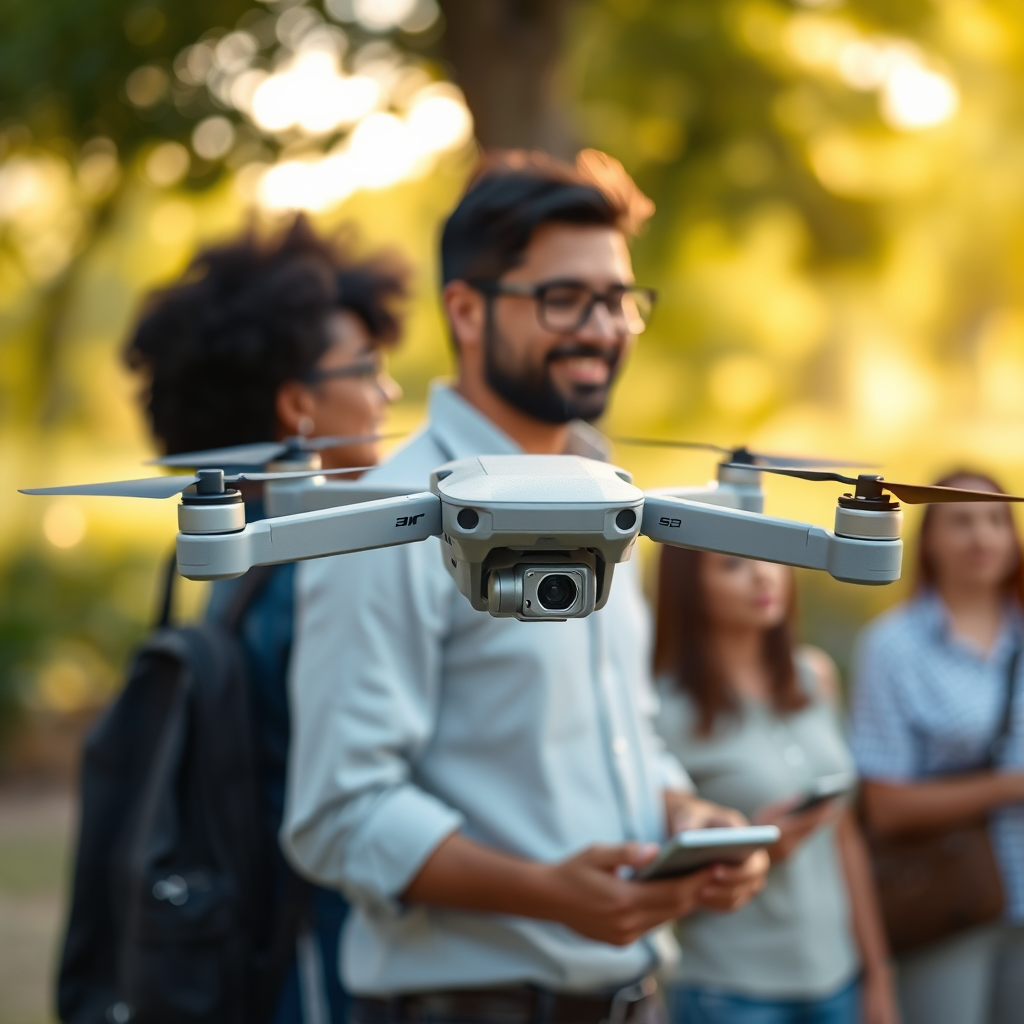
– Real-Time Data: One of the most significant advantages of cellular connectivity for DJI drones is the ability to access real-time flight data and updates. This connectivity provides pilots with critical information such as GPS location, battery status, and any airspace restrictions. In scenarios where every second counts, having immediate access to this data can be a game-changer, especially for commercial operations or search and rescue missions.
– Live Streaming and Sharing: Cellular connectivity enables the live streaming of drone footage, which can be particularly valuable for industries like real estate, event coverage, and journalism. By broadcasting high-definition video in real time, operators can engage with audiences instantly, providing a dynamic viewing experience. Additionally, cellular connectivity allows for immediate sharing of footage to social media platforms or cloud storage, facilitating quick turnaround times for content creation.
Alternatives to Cellular Connectivity
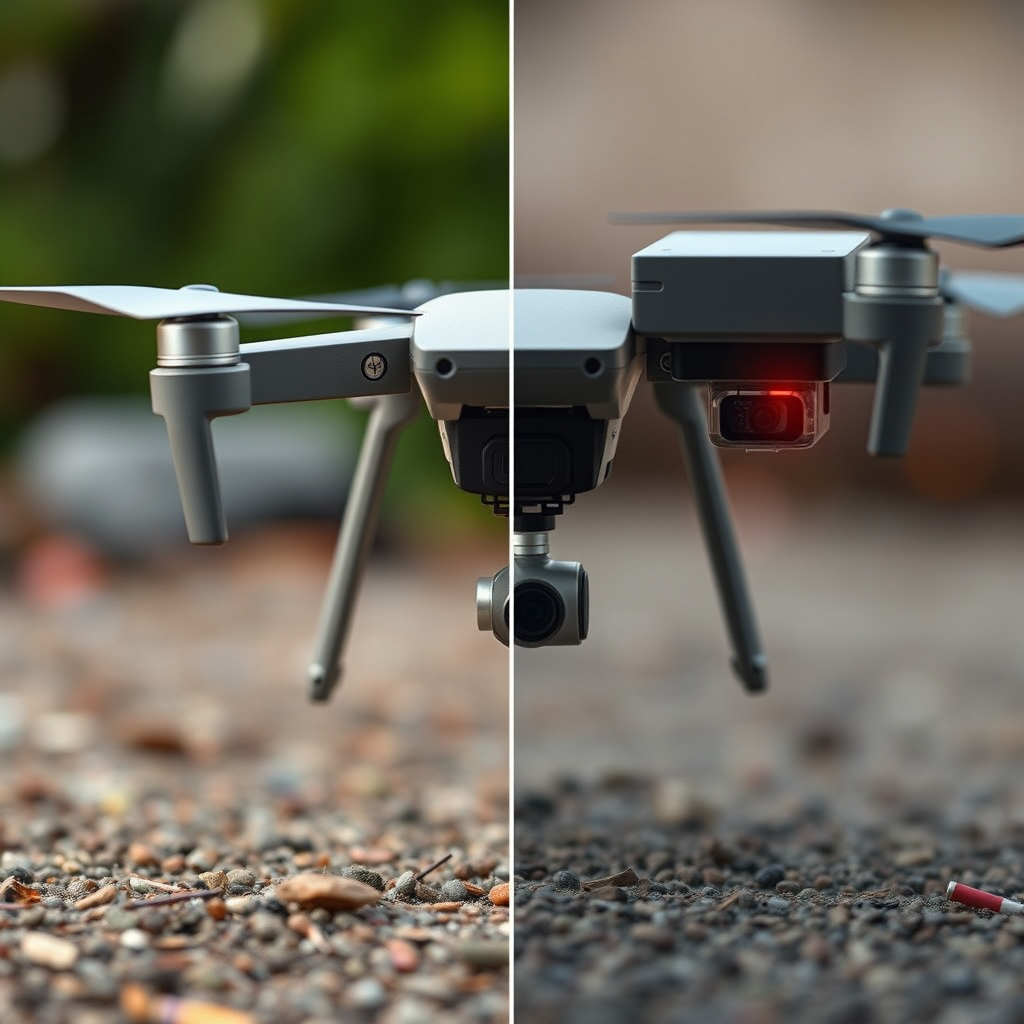
– Wi-Fi Connections: Many DJI drones are equipped with the ability to connect to Wi-Fi networks. This option can be sufficient for most flight operations, especially when flying in urban areas where Wi-Fi signals are strong and plentiful. Wi-Fi connections also enable data transfer and access to certain features without relying on cellular networks, making them a viable alternative for many users.
– Local Control: DJI drones are designed to operate independently of cellular data. They can utilize remote control interfaces and GPS signals for navigation and operation. For casual flyers or those operating in areas with poor cellular coverage, relying solely on the remote control and onboard sensors can suffice. This local control feature ensures that pilots can maintain full operational control without the necessity of a cellular connection.
Factors to Consider for Drone Use
– Flight Location: The geographical area in which you intend to fly is a critical factor influencing the need for cellular connectivity. If you find yourself flying in remote regions, cellular signals may be weak or entirely absent. In such cases, relying on Wi-Fi networks or offline modes can be more practical. Understanding the local infrastructure and potential connectivity issues can help you plan your flight operations effectively.
– Purpose of Flight: The intended purpose of your flight plays a significant role in determining whether cellular connectivity is necessary. For recreational flights, the added capabilities provided by cellular access may not be crucial. However, for commercial operations, particularly those that require constant data access or real-time communication with a base station, cellular connectivity can be highly beneficial. Assessing your specific needs will help you make informed decisions regarding connectivity.
DJI Drone Models and Their Connectivity Options
– Popular Models: DJI has developed a range of drone models, each with its own connectivity features. For instance, the DJI Mavic series offers robust Wi-Fi capabilities and is compatible with various mobile apps for enhanced functionality. The Phantom series, known for its reliability and advanced features, also provides options for connecting to cellular networks depending on the model and setup.
– Cellular Compatibility: Some DJI models have the capability to integrate with cellular networks through mobile devices. For example, when using the DJI GO app, users can leverage their smartphone’s cellular data to enhance their drone’s operational capabilities. Understanding which models support cellular integration and how they perform can help users select the right drone for their needs.
Regulatory Considerations
– Local Regulations: It is imperative to be aware of the legal requirements related to drone operation, particularly concerning data transmission. Different countries and regions have varying regulations regarding the use of cellular data and how it affects drone operations. Before flying, ensure that you are compliant with local laws regarding data transmission to avoid potential penalties.
– Airspace Restrictions: In addition to general regulations, pilots must be mindful of any airspace restrictions that may impact their flight plans. Areas with limited cellular coverage often coincide with controlled airspace, necessitating permission from local authorities. Understanding these regulations will help you navigate airspace safely and legally.
Tips for Optimizing Drone Performance
– Pre-Flight Checks: To ensure a successful flight, conduct thorough pre-flight checks. This includes confirming that your drone’s software is up to date and that you have a strong GPS signal before taking off. Proper pre-flight preparations can mitigate the risks of connectivity issues during operation.
– Battery Life Management: Cellular connectivity can impact battery life; therefore, it is crucial to consider how it may affect your drone’s performance. Engaging cellular data increases power consumption, so plan your flights accordingly. Being mindful of battery levels and estimating the flight duration in conjunction with expected connectivity needs will help ensure you have adequate power for your operations.
The decision to use cellular connectivity with your DJI drone ultimately depends on your specific flying needs and the environment in which you operate. While it’s not strictly necessary, having cellular access can provide significant advantages in terms of data streaming and operational efficiency. If you’re serious about maximizing your drone’s capabilities, consider exploring cellular options and the benefits they offer. By understanding both the advantages and alternatives, you can make well-informed decisions that enhance your drone flying experience.
Frequently Asked Questions
Do I need cellular data for my DJI drone to operate?
No, you do not need cellular data for your DJI drone to operate, as most DJI drones rely on a Wi-Fi connection between the drone and the remote controller or mobile device. However, having cellular data can enhance your flying experience by allowing you to access real-time maps, firmware updates, and other online resources. If you’re flying in remote areas without Wi-Fi, consider downloading maps and necessary updates beforehand.
How can I control my DJI drone without cellular data?
You can control your DJI drone without cellular data by using the remote controller that comes with the drone, which connects directly to the drone via a dedicated frequency. Ensure that you have the DJI app installed on your mobile device, which can function offline after you download the necessary maps and firmware in advance. This setup allows for full control and functionality without the need for cellular connectivity.
What features of a DJI drone require an internet connection?
While flying your DJI drone does not typically require an internet connection, certain features do benefit from it. For instance, live streaming, accessing the DJI Fly app’s map features, or downloading firmware updates necessitate an internet connection. Additionally, if you’re using features like DJI’s geofencing or no-fly zone data, having access to the internet can ensure you have the latest information and updates.
Why should I consider using cellular data with my DJI drone?
Using cellular data with your DJI drone can enhance your flying experience by providing access to live maps, weather updates, and real-time data that can improve your flight safety and navigation. It also allows you to use cloud features such as live streaming your footage or sharing images and videos directly to social media. If you’re flying in unfamiliar areas, having cellular data can help you stay informed about your surroundings and any restrictions in place.
Which DJI drones have built-in cellular capabilities?
As of October 2023, DJI drones typically do not have built-in cellular capabilities, as they primarily rely on Wi-Fi for communication with the remote controller. However, some advanced models like the DJI Matrice series can be equipped with additional modules that enable cellular connectivity for specific applications, such as surveying or search and rescue. If cellular functionality is crucial for your drone operations, consider looking into third-party modules or accessories that can provide this capability.
References
- Drone
- https://www.faa.gov/uas/getting_started/part_107
- https://www.dji.com/education/faq
- https://www.ncbi.nlm.nih.gov/pmc/articles/PMC6771071/
- https://www.techradar.com/news/what-is-a-drone-and-how-do-they-work
- https://www.theverge.com/2021/10/12/22717747/dji-drone-cellular-connection-explained
- https://www.wired.com/story/what-is-a-drone/
- https://www.reuters.com/business/aerial-drones-are-changing-the-world-2021-07-13/
