
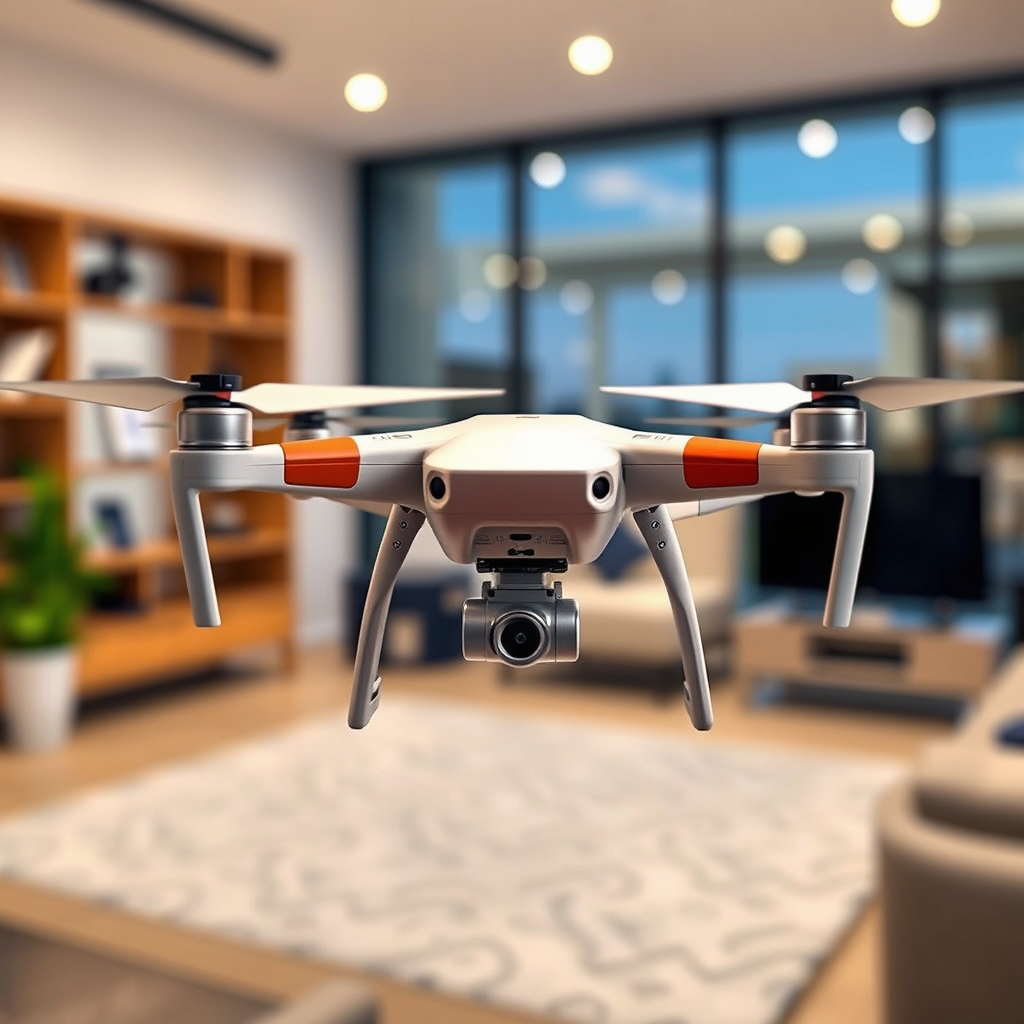
Owning a DJI drone often raises the question of whether a license is required for operation. The answer largely depends on the specific drone model, its intended use, and local regulations. In general, recreational users may not need a license, while commercial operators typically do. This article will provide a comprehensive overview of the licensing requirements for flying DJI drones, exploring the distinctions between recreational and commercial use, as well as the necessary steps to ensure compliance with regulations.
Understanding Drone Regulations
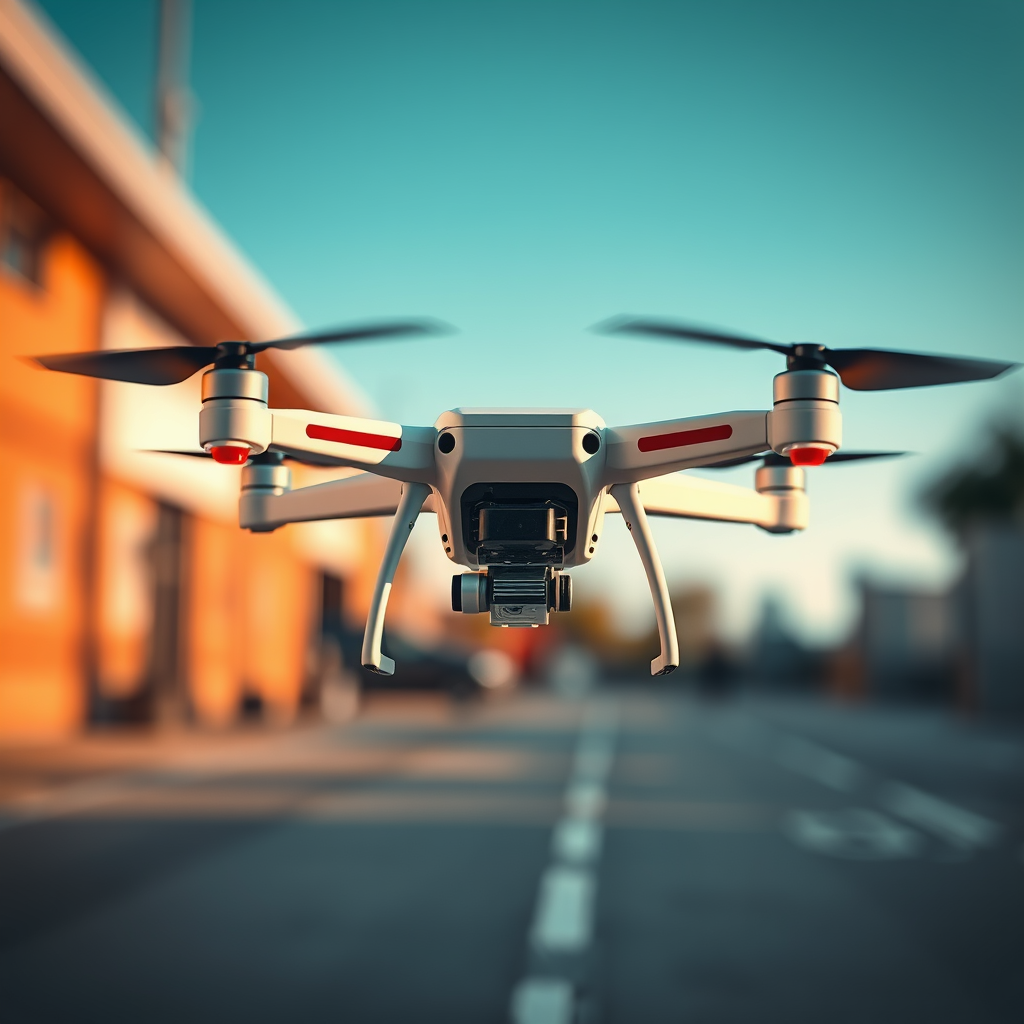
The regulations governing drone use vary significantly across the globe. In the United States, the Federal Aviation Administration (FAA) is the primary regulatory body overseeing drone operations. Under FAA regulations, it is mandatory for commercial drone operators to obtain a license, specifically the Part 107 certification. This requirement ensures that pilots are knowledgeable about airspace rules, weather conditions, and safe operational practices. On the other hand, recreational drone users must adhere to the FAA’s guidelines, which include flying below 400 feet, maintaining visual line of sight, and avoiding restricted airspace.
In countries outside the U.S., such as Canada and those in Europe, regulations differ. Canada requires drone operators to register their drones and obtain a pilot certificate for any drone weighing more than 250 grams, while in Europe, operators must comply with the European Union Aviation Safety Agency (EASA) regulations. Understanding these varying regulatory frameworks is essential for anyone considering flying a DJI drone.
Recreational vs. Commercial Use
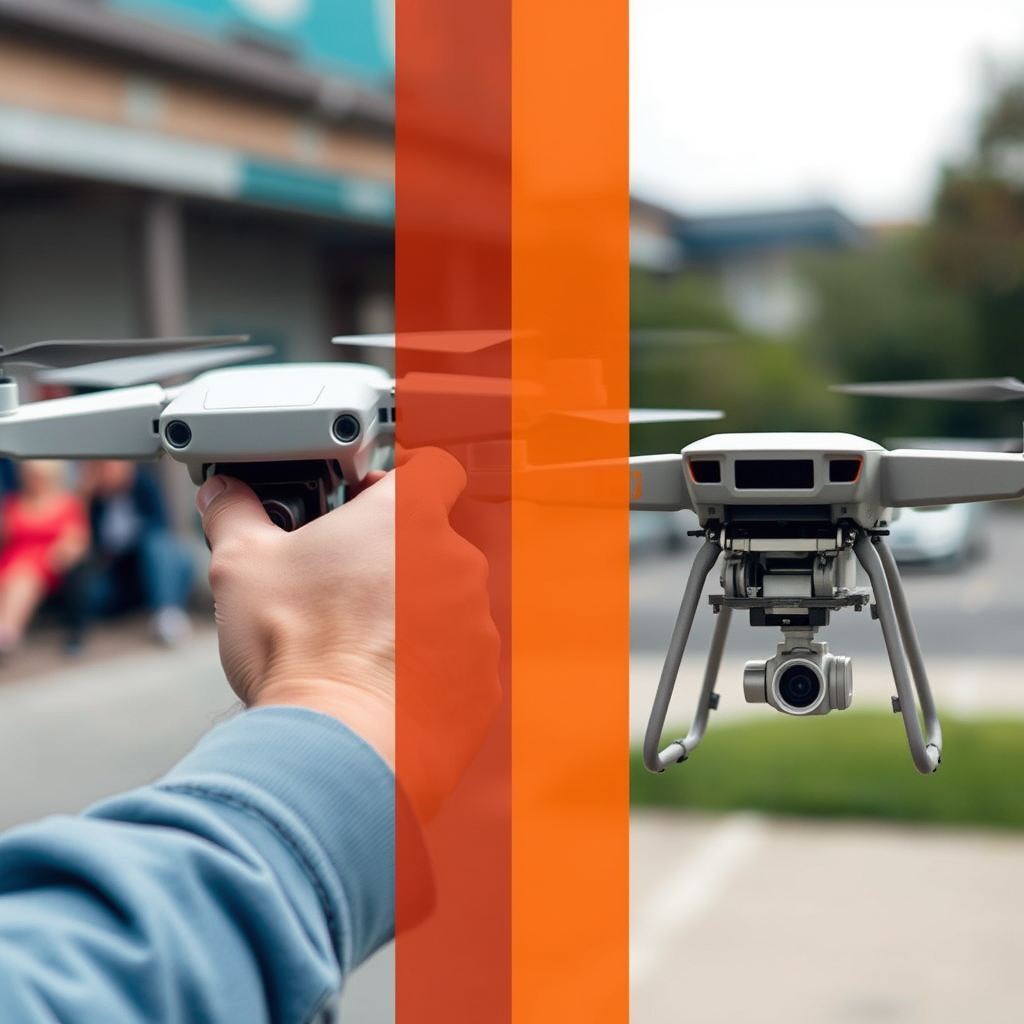
The distinction between recreational and commercial use is crucial when discussing licensing requirements for DJI drones. Recreational users typically do not need a license if their drone weighs less than 250 grams (0.55 pounds). However, they must still follow the FAA’s guidelines for safe flying. For instance, even hobbyists are prohibited from flying near airports, over gatherings of people, or in a manner that poses a risk to others.
Conversely, commercial operators must obtain a Part 107 certification from the FAA to legally fly for business purposes. This certification is required for anyone who uses their drone for activities such as aerial photography, surveying, or any other commercial ventures. The Part 107 certification process includes passing an Aeronautical Knowledge Test, which covers topics such as airspace classification, weather, and drone operation regulations. Ensuring compliance with these regulations is vital for businesses to avoid legal repercussions and maintain safety standards.
Licensing Requirements by Country
Licensing requirements for drones, including DJI models, vary widely by country and are often influenced by the drone’s weight and intended purpose. In the United States, as previously mentioned, commercial operators must hold a Part 107 certificate, while recreational users are exempt for drones under 250 grams.
In Canada, drone operators must register their drones and, depending on the weight, obtain a pilot certificate. For instance, drones weighing between 250 grams and 25 kilograms require a Basic Pilot Certificate, while those flying in controlled airspace or near people require an Advanced Pilot Certificate.
In Europe, EASA regulations categorize drones into three classes: Open, Specific, and Certified, each with varying licensing requirements. Operators in the Open category can fly drones under 250 grams without a license, while those wishing to operate in the Specific category must obtain an operational authorization.
Understanding these international regulations is essential for DJI drone operators who travel or operate across borders, as non-compliance can lead to substantial fines or confiscation of equipment.
Steps to Obtain a Drone License
Obtaining a Part 107 license in the United States involves several clear steps. First, aspiring drone pilots must be at least 16 years old and be able to read, write, and speak English. The next step is to study for the FAA’s Aeronautical Knowledge Test, which covers critical topics such as airspace rules, aircraft performance, weather, and emergency procedures. Numerous resources, including online courses and study guides, are available to help candidates prepare.
After feeling adequately prepared, candidates must schedule and complete the FAA’s Aeronautical Knowledge Test at an approved testing center. The test consists of 60 multiple-choice questions, and a passing score is typically 70% or higher. Once passed, applicants can apply for their Remote Pilot Certificate through the FAA’s Integrated Airman Certification and Rating Application (IACRA) system.
It’s important to note that the license must be renewed every two years, which involves completing a recurrent training course or retaking the Aeronautical Knowledge Test. This ongoing education ensures that pilots stay current with evolving regulations and best practices.
Operating Without a License
Flying a drone without the necessary license can lead to serious legal consequences. In the United States, violators may face hefty fines, ranging from hundreds to thousands of dollars, depending on the severity of the violation. Additionally, operating without a license can result in the confiscation of the drone and potential civil liabilities if the drone causes injury or property damage.
Moreover, flying in restricted areas, such as near airports or military bases, without proper authorization can lead to criminal charges. The risks associated with flying a drone illegally extend beyond legal penalties; they also include the potential for accidents that could harm individuals or damage property. Compliance with local regulations not only ensures legal operation but also promotes a culture of safety in the drone community.
Best Practices for DJI Drone Operators
To operate a DJI drone safely and legally, it is imperative to follow established best practices. First and foremost, always check local laws and regulations before flying. This includes understanding any restrictions based on location, airspace classification, and specific requirements for DJI drones.
Additionally, joining drone pilot communities can be immensely beneficial. These communities offer support, resources, and updates regarding regulations, technology advancements, and best practices. Engaging with fellow drone enthusiasts can also provide valuable insights and experiences that can enhance your flying capabilities.
Finally, maintaining thorough documentation of your flight operations, including logs of flight hours and maintenance records, is advisable. This practice helps ensure compliance with regulations and provides a valuable reference in case of any disputes or inquiries.
Resources for Further Information
To stay updated on drone regulations and licensing requirements, it’s essential to refer to authoritative sources. The FAA website is an invaluable resource for U.S. drone operators, providing guidelines, updates on regulations, and access to the IACRA system for applying for a license.
For Canadian drone operators, Transport Canada’s website offers comprehensive information on drone registration and licensing requirements. In Europe, the EASA website provides detailed guidance on the various categories of drone operation and the associated requirements.
Additionally, aspiring drone pilots should consider enrolling in training programs that specialize in drone operation and FAA regulations. These programs often provide hands-on experience and thorough instruction, ensuring that pilots are well-prepared for both the Aeronautical Knowledge Test and real-world flying scenarios.
Understanding the licensing requirements for operating a DJI drone is crucial to ensure safe and legal flying. Whether you are using your drone for leisure or business, being informed about the regulations will help you avoid penalties and enhance your flying experience. Be sure to check local laws, consider obtaining a license if necessary, and stay updated on any changes in regulations.
Frequently Asked Questions
Do I need a license to fly a DJI drone for recreational purposes in the United States?
For recreational flying of DJI drones in the United States, you do not need a license if you follow the guidelines set by the Federal Aviation Administration (FAA). However, you must register your drone if it weighs more than 0.55 pounds and adhere to safety guidelines, such as flying below 400 feet and keeping the drone within visual line of sight. It’s also recommended to take the TRUST (The Recreational UAS Safety Test) to understand the regulations better.
What type of license do I need to operate a DJI drone for commercial use?
To operate a DJI drone for commercial purposes, you need to obtain a Remote Pilot Certificate from the FAA under Part 107 regulations. This involves passing a written knowledge test that covers topics like airspace regulations, weather, and drone operation. Additionally, you must register your drone and comply with operational limitations, including altitude restrictions and maintaining visual line of sight.
Why is it important to have a license when flying a DJI drone commercially?
Having a license to fly a DJI drone commercially is crucial for legal compliance and safety. The Remote Pilot Certificate ensures that operators have the necessary knowledge to safely navigate airspace, understand regulations, and manage drone operations effectively. This not only reduces the risk of accidents but also protects you from potential fines and legal issues associated with unauthorized drone use.
How can I prepare for the FAA Part 107 test for my DJI drone license?
To prepare for the FAA Part 107 test, you should start by studying the FAA’s Remote Pilot – Small Unmanned Aircraft Systems Study Guide, which outlines the key topics covered in the exam. Additionally, consider taking online courses or attending local workshops that focus on drone operation and regulations. Practice tests can also be beneficial to familiarize yourself with the question format and identify areas where you may need further study.
Which DJI drones require registration and licensing before flying?
Any DJI drone that weighs more than 0.55 pounds (250 grams) requires registration with the FAA before flying. This includes popular models such as the DJI Mavic series, Phantom series, and Air series. Furthermore, if you plan to use these drones for commercial purposes, you will also need to obtain a Remote Pilot Certificate under Part 107 regulations. Always check the specific weight and purpose of your drone to ensure compliance with FAA requirements.
References
- How to Register Your Drone | Federal Aviation Administration
- https://www.faa.gov/uas/getting_started/part_107
- https://www.nytimes.com/2021/12/08/business/drone-regulations.html
- https://www.dji.com/flying-in-the-us
- https://www.wired.com/story/drone-regulations-faa/
- Improving the Airport Customer Experience | The National Academies Press
- https://www.usatoday.com/story/tech/2021/06/01/drone-faa-regulations-licenses-requirements/7460059002/
