
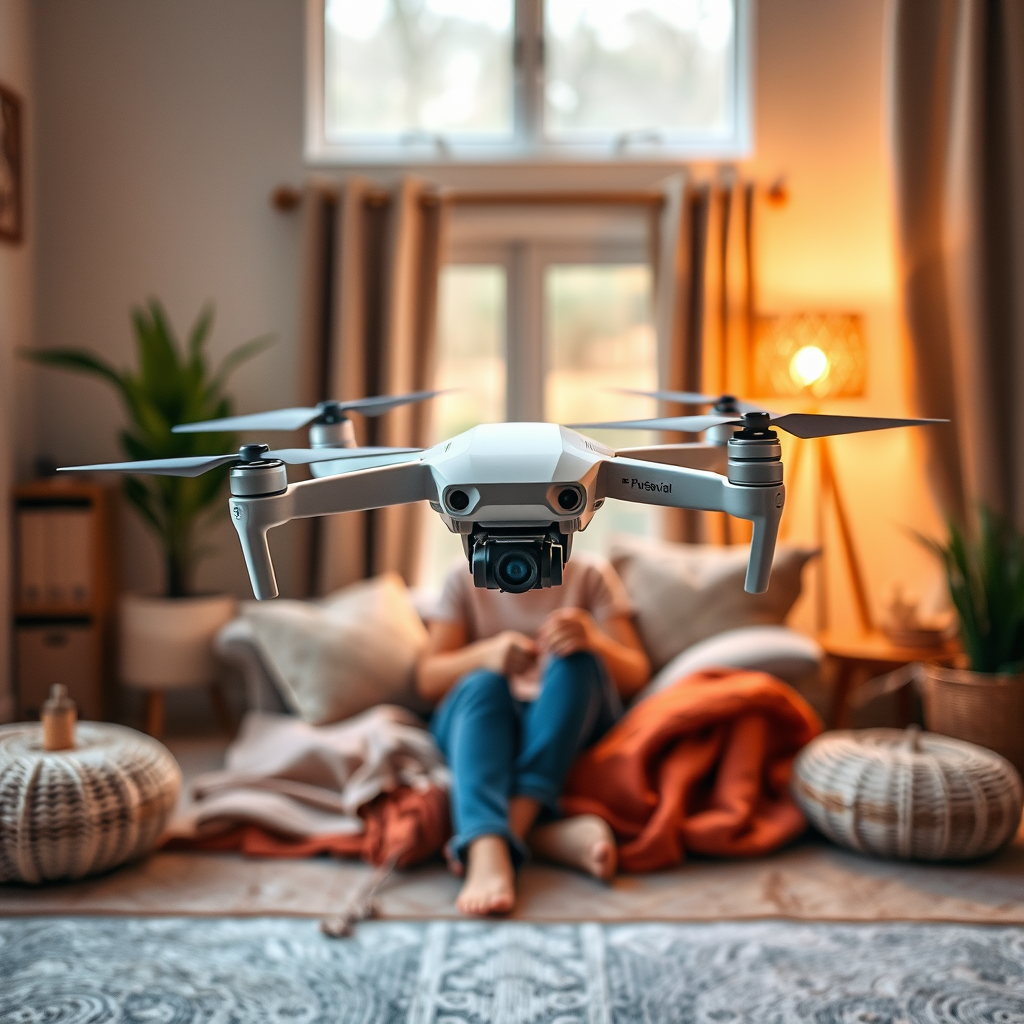
Flying a DJI Spark drone does require a license in certain circumstances. If you’re planning to fly for recreational purposes, you might not need a formal license, but if you’re using the drone for commercial activities, you’ll likely need to obtain a Remote Pilot Certificate from the FAA. This article will explore the licensing requirements based on your intended use of the DJI Spark.
Understanding FAA Regulations
The Federal Aviation Administration (FAA) is the primary authority governing drone usage in the United States. Their regulations outline how drones can be operated safely and legally in the national airspace. The FAA distinguishes between recreational and commercial drone flying, each subject to different rules and requirements. Understanding these distinctions is crucial for any prospective drone operator, as violations can lead to hefty fines or legal repercussions.
For recreational flyers, the FAA has established guidelines to promote safe flying practices while preserving the integrity of airspace. On the other hand, commercial operators must adhere to stricter regulations, ensuring that their operations do not pose risks to public safety or privacy. This framework is designed to facilitate the growth of the drone industry while maintaining safety standards.
Recreational Flying and Licensing
Under the FAA’s Special Rule for Model Aircraft, hobbyists typically do not need a formal license to operate a DJI Spark drone for recreational purposes. However, there are specific guidelines that must be followed. These include flying within the visual line of sight, not exceeding an altitude of 400 feet, and ensuring the drone is registered if it weighs more than 0.55 pounds. The DJI Spark, weighing approximately 0.68 pounds, does require registration.
Recreational flyers are also encouraged to join a community-based organization, such as the Academy of Model Aeronautics (AMA), which helps promote safety and best practices in drone flying. Following these guidelines not only ensures compliance with FAA regulations but also contributes to a safer flying environment for everyone.
Commercial Flying and Licensing
If you intend to use your DJI Spark for commercial purposes, you will need to obtain a Remote Pilot Certificate, commonly referred to as a Part 107 license, from the FAA. This certification is mandatory for any individuals or businesses looking to use drones for profit, which includes aerial photography, surveying, or any other commercial activity.
To obtain your Remote Pilot Certificate, you must pass the FAA’s Aeronautical Knowledge Test, which covers various topics, including airspace classification, weather, drone operations, and regulations. The test consists of 60 questions, and a score of 70% or higher is required to pass. After passing the test, you must apply for your certificate through the FAA’s Integrated Airman Certification and Rating Application (IACRA) system.
It’s important to note that the Remote Pilot Certificate must be renewed every two years, requiring pilots to complete a recurrent training course. This ensures that commercial drone operators stay updated on the latest regulations and safety practices.
DJI Spark Specifications and Capabilities
The DJI Spark is lauded for its compact size, ease of use, and impressive features, making it a favored choice among both hobbyists and professionals. With a weight of approximately 0.68 pounds, the Spark falls under the category of drones that require registration with the FAA. Its capabilities include a 12-megapixel camera that can shoot 1080p video, a flight time of around 16 minutes, and advanced features like Gesture Control, ActiveTrack, and QuickShot modes.
The Spark’s lightweight design and user-friendly controls make it an attractive option for beginners, while its high-quality camera and intelligent flight modes appeal to more experienced users. Understanding these specifications is essential, as they influence how the drone can be used and the requirements for its operation.
Local and State Regulations
While the FAA provides overarching regulations for drone operation, individual states and local municipalities may impose additional laws and restrictions. It is crucial for drone operators to familiarize themselves with these local regulations to avoid potential legal issues.
For example, some cities may have specific no-fly zones, such as near schools, parks, or airports, while others might require permits for drone flights in public spaces. States like California and New York have enacted laws that regulate drone usage in ways that can differ significantly from federal guidelines. Always check local ordinances and community rules to ensure compliance before flying your DJI Spark.
Safety and Best Practices
Flying responsibly is paramount for all drone operators, regardless of whether they are flying recreationally or commercially. Adhering to safety guidelines not only protects the operator but also ensures the safety of others in the vicinity. Here are some best practices to consider:
1. Pre-flight Checks: Always conduct a thorough pre-flight check of your drone to ensure it is in good working condition. This includes checking battery levels, propeller integrity, and camera functionality.
2. Weather Conditions: Avoid flying in adverse weather conditions, such as high winds, rain, or fog, which can affect the drone’s performance and control.
3. Avoid Crowds: Steer clear of crowded areas to minimize the risk of accidents and respect the privacy of others.
4. Stay Informed: Keep abreast of any changes to FAA regulations or local laws that may impact drone flying.
5. Maintain Visual Line of Sight: Always keep your drone within your visual line of sight during flight to maintain control and awareness of the surrounding environment.
By following these safety practices, drone operators can contribute to a safer flying environment and avoid legal complications.
Resources for Drone Pilots
For those looking to obtain a Remote Pilot Certificate or seeking additional information about drone regulations, several resources are available:
– FAA’s Official Website: The FAA offers a wealth of information regarding drone regulations, safety guidelines, and registration processes. Their website provides comprehensive resources for both recreational and commercial drone pilots.
– Online Courses: Numerous online platforms offer courses specifically designed for aspiring drone pilots preparing for the Aeronautical Knowledge Test. Websites like RemotePilot101 and Drone Pilot Ground School are popular options.
– Local Training Programs: Many community colleges and flight schools offer in-person training for drone operation, which can be beneficial for hands-on learning.
Staying informed and educated about drone regulations is essential for all operators, ensuring compliance and enhancing safety during flights.
Flying a DJI Spark drone can be an exciting and rewarding experience, but understanding the licensing requirements is crucial. For recreational flying, you generally won’t need a license, but commercial users must obtain a Remote Pilot Certificate. Always check local regulations and prioritize safety to ensure a responsible flying experience. By staying informed and compliant, you can enjoy the many benefits that drone flying has to offer.
Frequently Asked Questions
Do you need a license to fly a DJI Spark drone in the United States?
Yes, you need a license to fly a DJI Spark drone in the United States if you plan to use it for commercial purposes. Under the Federal Aviation Administration (FAA) regulations, any drone operations for business require a Remote Pilot Certificate, which can be obtained by passing the Part 107 exam. However, for recreational flying, you are not required to have a license, but you must still adhere to FAA guidelines.
What are the FAA regulations for flying a DJI Spark drone?
The FAA regulations for flying a DJI Spark drone include maintaining a maximum altitude of 400 feet, flying within visual line of sight, and avoiding flights over people or moving vehicles. Additionally, pilots must register their drones if they weigh more than 0.55 pounds and must also avoid flying near airports or in restricted airspace without proper authorization. Understanding these regulations is crucial to ensure safe and legal drone operations.
How can I register my DJI Spark drone with the FAA?
To register your DJI Spark drone with the FAA, visit the FAA’s official drone registration website and follow the step-by-step instructions. You’ll need to provide basic information such as your name, address, email, and drone details. The registration fee is $5, and once registered, you will receive a unique registration number that must be displayed on your drone.
Why is it important to have a drone license for commercial use of the DJI Spark?
Having a drone license for commercial use of the DJI Spark is essential for legal compliance and safety. The Remote Pilot Certificate ensures that operators have a thorough understanding of airspace rules, weather conditions, and safe flying practices. Operating without a license for commercial purposes can lead to hefty fines, legal trouble, and potential safety hazards in the air.
What is the best way to prepare for the FAA Part 107 exam for DJI Spark pilots?
The best way to prepare for the FAA Part 107 exam is to study the FAA’s official study materials and take an online course that covers essential topics like airspace classifications, weather effects, and drone operations. Additionally, practice tests can help reinforce your knowledge and boost your confidence. Investing time in preparation is crucial for passing the exam and obtaining your Remote Pilot Certificate.
References
- https://en.wikipedia.org/wiki/Drone_regulations_in_the_United_States
- Getting Started | Federal Aviation Administration
- Unmanned Aircraft Systems (UAS) | Federal Aviation Administration
- https://www.nytimes.com/2020/01/29/technology/drones-regulations.html
- https://www.npr.org/sections/thetwo-way/2016/08/29/491085183/faa-releases-new-drone-rules-for-commercial-users
- https://www.reuters.com/business/aerospace-defense/us-drone-regulations-what-you-need-know-2022-04-20/
- https://www.droneadvocacy.org/
- https://www.techcrunch.com/2021/04/18/drone-regulation-and-the-faa/
