
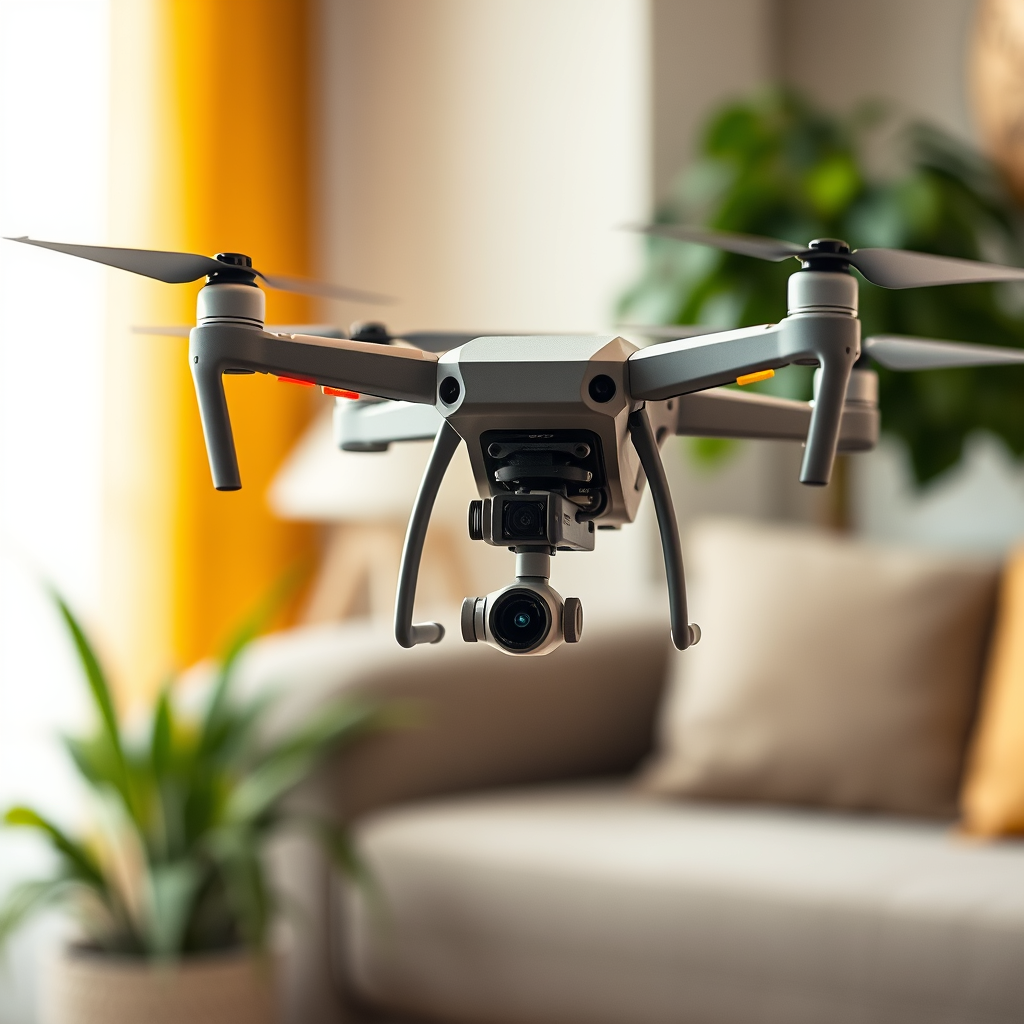
Yes, DJI drones do utilize encryption for their communication links, which significantly enhances security and protects user data during drone operations. Encryption is a critical component in the architecture of DJI drones, safeguarding against unauthorized access and ensuring the integrity of data transmission. In this article, we will delve into the specifics of how DJI drones implement encryption, the types of encryption employed, the benefits it offers to users, potential vulnerabilities that might exist, regulatory compliance, and best practices for drone operators to enhance their security measures.
Understanding DJI Drone Communication
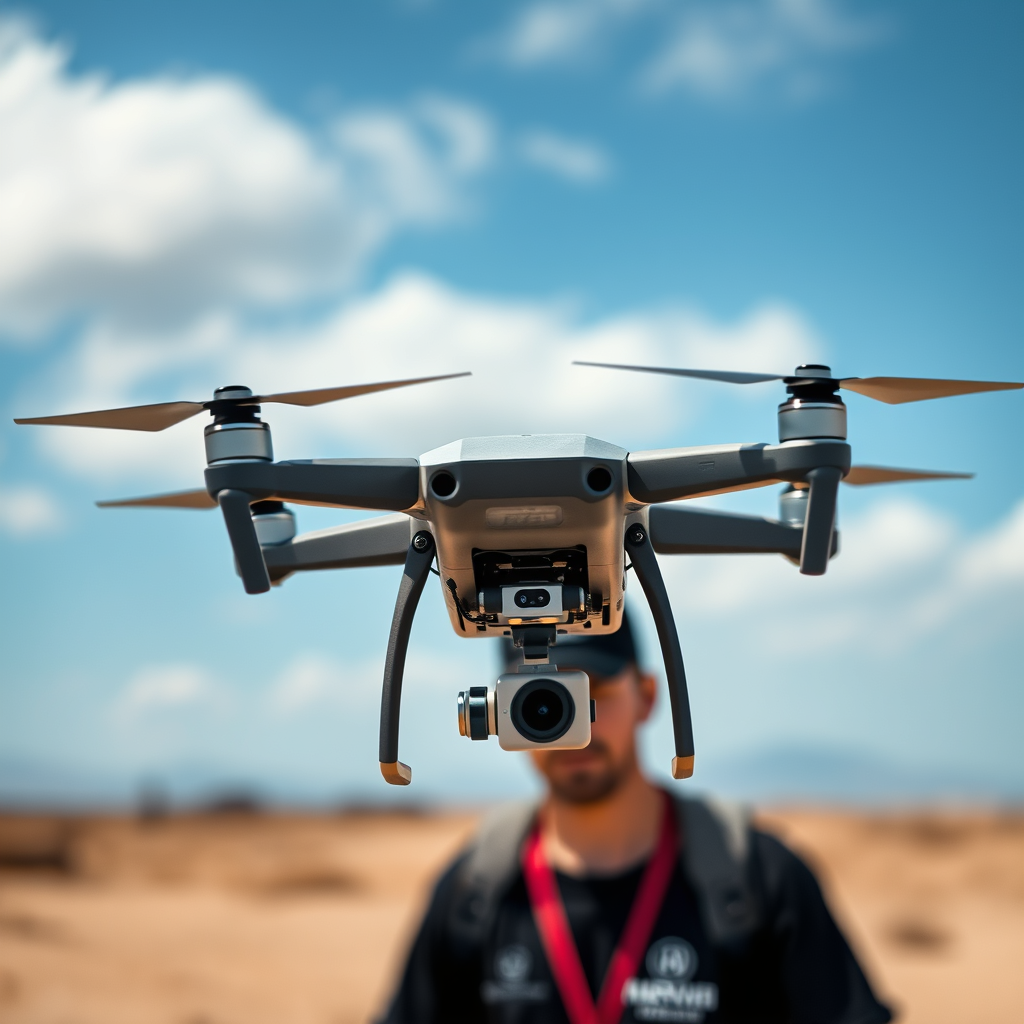
DJI drones rely on a sophisticated communication system that includes various technologies designed to transmit data between the drone and its controller. The primary channels of communication include video feeds, telemetry data, and control signals, all of which must be transmitted securely to ensure effective operation. This secure communication is essential, especially considering the increasing prevalence of drone usage in sensitive environments such as surveillance, agriculture, and infrastructure inspection.
Secure communication is vital for drone operations as it not only prevents hijacking of the drone by malicious actors but also protects the data being transmitted, which can include sensitive information. In an age where privacy and data security are paramount, having robust communication protocols is crucial for maintaining user trust and operational integrity.
Types of Encryption Used
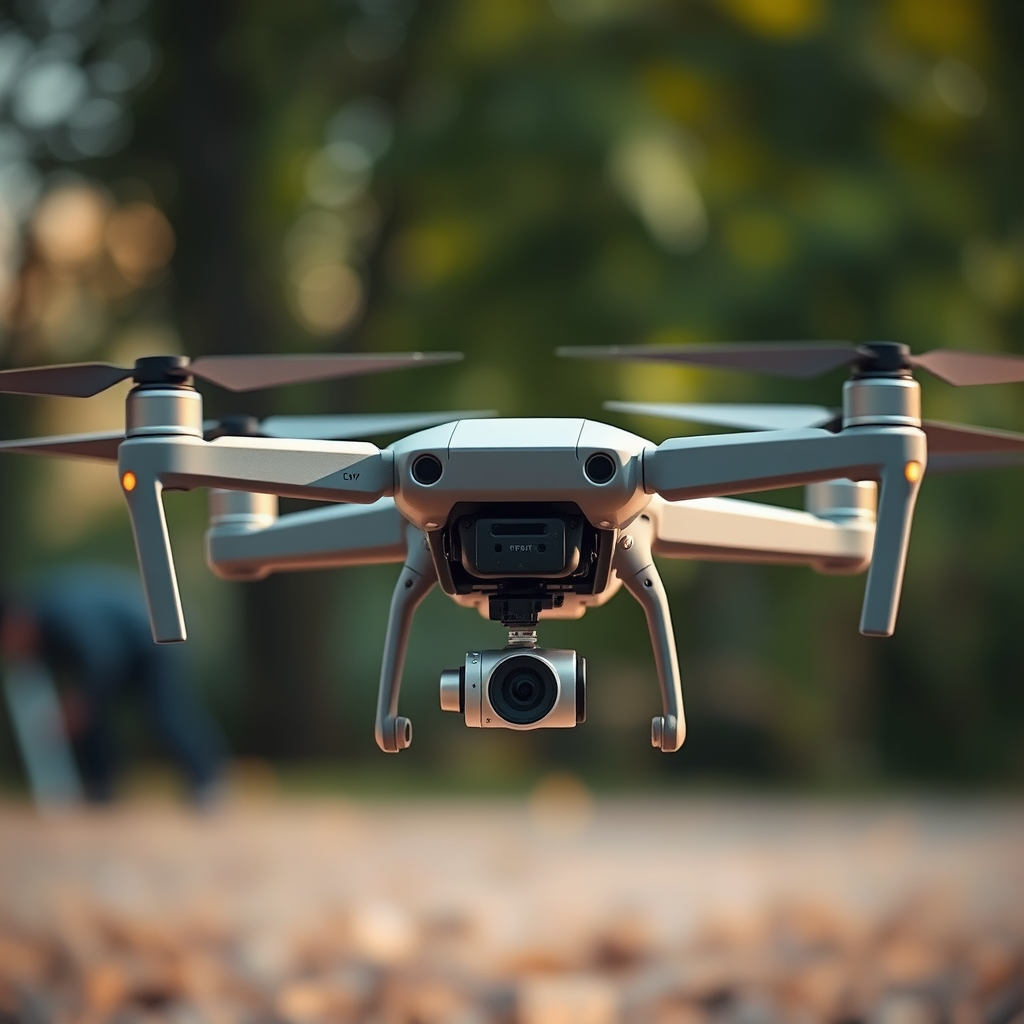
DJI employs various types of encryption to secure the data transmitted between the drone and the controller. One of the most significant encryption protocols used is the Advanced Encryption Standard (AES). AES is a symmetric encryption algorithm that is widely regarded as one of the most secure methods for encrypting data. It operates by using a fixed block size and key length, which can be 128, 192, or 256 bits, making it highly effective against brute-force attacks. The implementation of AES in DJI drones ensures that any data sent over the communication link is encrypted, making it nearly impossible for unauthorized users to decipher the information without the appropriate cryptographic keys.
In addition to AES, DJI also utilizes SSL/TLS (Secure Sockets Layer/Transport Layer Security) protocols for data transmission. SSL/TLS provides an additional layer of security by encrypting the connection itself, ensuring that data remains secure during transit. This is particularly important for operations that require real-time video streaming or telemetry data, where any interception could lead to unauthorized access or manipulation of the drone’s operation.
Benefits of Encryption for Users
The use of encryption in DJI drones provides several key benefits for users. Primarily, it offers protection against unauthorized access and potential data breaches. By encrypting communication links, DJI ensures that even if an attacker intercepts the data, they will be unable to read or manipulate it without the encryption keys. This is especially crucial for industries relying on drone technology for sensitive tasks, such as surveying private properties or monitoring critical infrastructure.
Furthermore, encryption enhances the privacy of drone operators and their footage. With the rise of concerns surrounding privacy violations, the ability to securely transmit data without the risk of interception is invaluable. Operators can confidently capture aerial footage and telemetry data without fearing that their information could be compromised, thus ensuring a more secure operational environment.
Potential Vulnerabilities
While encryption significantly bolsters the security of DJI drones, it is essential to acknowledge that no system is entirely immune to vulnerabilities. Potential weaknesses in encryption protocols can arise due to factors such as outdated software, improper implementation, or the emergence of new attack vectors. For example, if a drone’s firmware is not regularly updated, it may become susceptible to known vulnerabilities, potentially allowing attackers to exploit weaknesses in the encryption protocols.
Moreover, there have been past incidents affecting drone security, including cases where researchers have demonstrated the ability to intercept and decode signals from consumer drones. These incidents highlight the importance of continuous vigilance and the need for manufacturers like DJI to stay ahead of evolving security threats.
Regulatory Compliance and Standards
As drone technology continues to advance, so do the regulations surrounding their use, particularly concerning data protection and encryption standards. Various regulatory bodies worldwide have established guidelines that influence encryption use in drones. For instance, the Federal Aviation Administration (FAA) in the United States and the European Union Aviation Safety Agency (EASA) have set forth regulations that call for secure communication protocols in drone operations.
In addition to regulatory compliance, adherence to industry standards for drone security—such as those set by the International Organization for Standardization (ISO)—is crucial. These standards provide a framework for manufacturers and operators to ensure that their systems are secure and that they are employing best practices in data encryption and transmission.
Best Practices for Drone Operators
To maximize the security of drone operations, operators should adopt several best practices. First and foremost, it is vital to secure the drone’s communication link by ensuring that all connections are encrypted. Operators should also make use of strong passwords and enable two-factor authentication where possible to further enhance security.
Regular software updates and security patches are equally important in safeguarding against vulnerabilities. Operators should consistently check for firmware updates released by DJI and apply them promptly to mitigate any potential risks. Additionally, operators should educate themselves about the latest security practices and developments in drone technology to stay informed on how to protect their systems effectively.
Finally, utilizing secure storage solutions for recorded footage and telemetry data is essential. Cloud storage options that offer encryption and robust security features can provide an additional layer of protection against unauthorized access.
DJI’s implementation of encryption significantly boosts the security of their drones, making it vital for operators to understand how it works and the best practices to maintain that security. By staying informed about encryption and its role in your drone’s operation, you can enhance your flying experience and protect your data. With the right knowledge and practices, drone operators can ensure a secure and efficient operation while enjoying the many benefits that drone technology offers.
Frequently Asked Questions
Do DJI drones use encryption on the communication link?
Yes, DJI drones utilize encryption on their communication links to enhance security and protect data transmission between the drone and the remote controller. This encryption helps prevent unauthorized access and potential hacking, ensuring that the flight control and video feed remain secure during operation. DJI employs various encryption protocols to safeguard user information and maintain the integrity of the flight experience.
How does encryption improve the security of DJI drones?
Encryption improves the security of DJI drones by ensuring that the data exchanged between the drone and the controller is encoded, making it unreadable to any potential interceptors. This means that even if someone attempts to eavesdrop on the communication, they will not be able to decipher the information without the correct decryption key. This added layer of protection is crucial for preventing data breaches and maintaining user privacy.
Why is encryption important for drone operations?
Encryption is important for drone operations because it protects sensitive data, such as flight paths and personal information, from being intercepted by malicious actors. As drones are increasingly used for commercial and recreational purposes, ensuring secure communication becomes critical to prevent unauthorized control or data theft. Additionally, encryption helps to build trust among users, knowing that their drone operations are safeguarded against potential cyber threats.
Which DJI drone models feature encrypted communication links?
Most of the newer DJI drone models, including the Mavic Air 2, Mavic 3, and the Phantom 4 series, feature encrypted communication links. DJI has integrated advanced encryption technology into these models to enhance security during flight operations. Users should check the specifications of their specific drone model for details on encryption capabilities, as older models may not include the same level of encryption.
What should I do if I suspect my DJI drone’s communication link is compromised?
If you suspect that your DJI drone’s communication link has been compromised, you should immediately land the drone and disconnect it from the remote controller. Following this, ensure that your drone’s firmware is up to date, as manufacturers often release updates to fix security vulnerabilities. Additionally, consider changing any associated passwords and reviewing your flight logs for any unusual activity, as this can help you assess whether there has been unauthorized access.
References
- DJI
- https://www.reuters.com/technology/dji-drones-are-being-used-ukraine-while-us-looks-restrict-exports-2022-04-12/
- https://www.bbc.com/news/technology-59048398
- https://www.theguardian.com/technology/2020/jun/30/dji-drone-encryption-privacy-concerns
- https://www.nist.gov/news-events/news/2021/03/cybersecurity-research-drones-and-unmanned-aerial-systems
- https://www.eff.org/deeplinks/2020/07/dji-drone-privacy-issues-need-attention
