
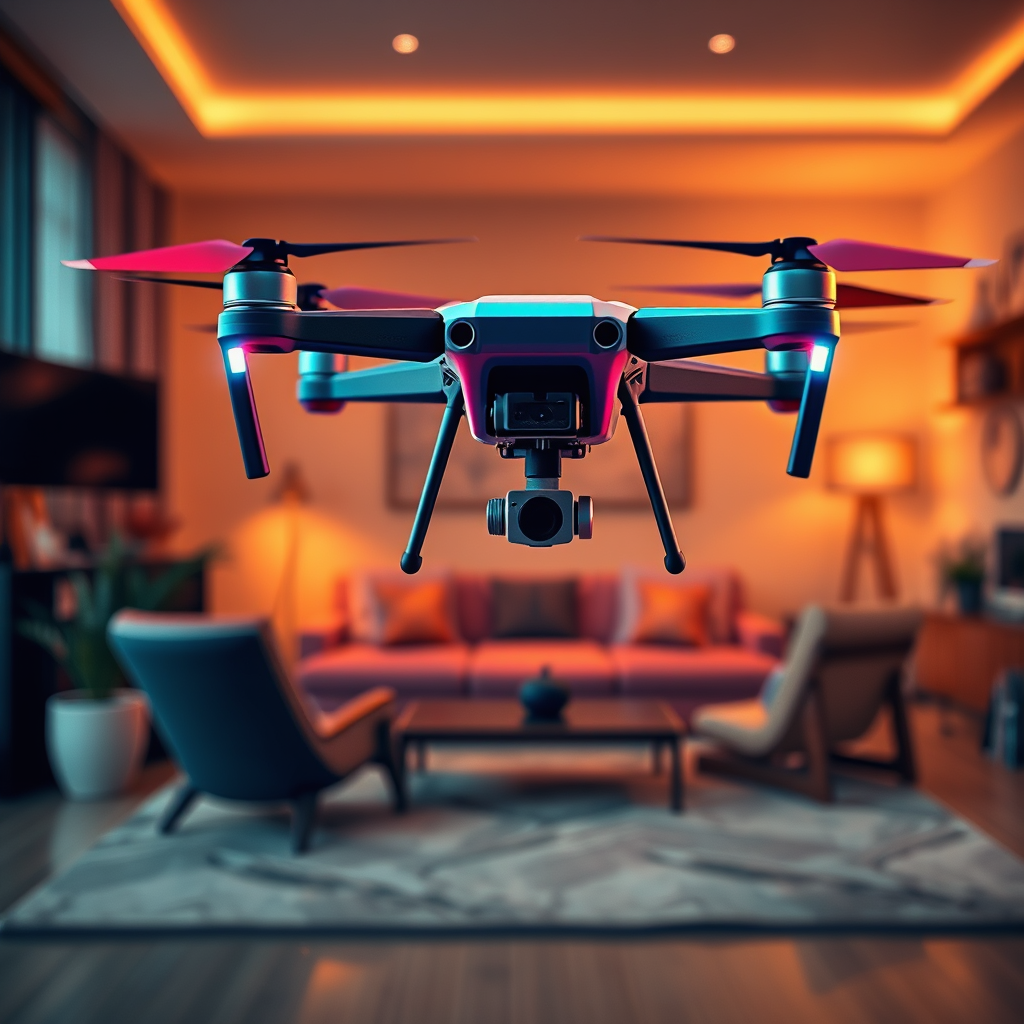
Yes, DJI does produce thermal drones, specifically engineered for various industries, including agriculture, construction, and search and rescue. These drones are equipped with state-of-the-art thermal imaging technology, enabling users to capture precise heat signatures that facilitate detailed analysis. In this article, we will delve into DJI’s thermal drone offerings, highlight their features, explore practical applications, compare them with competitors, share user experiences, and discuss the future of thermal drone technology.
Overview of DJI’s Thermal Drone Offerings
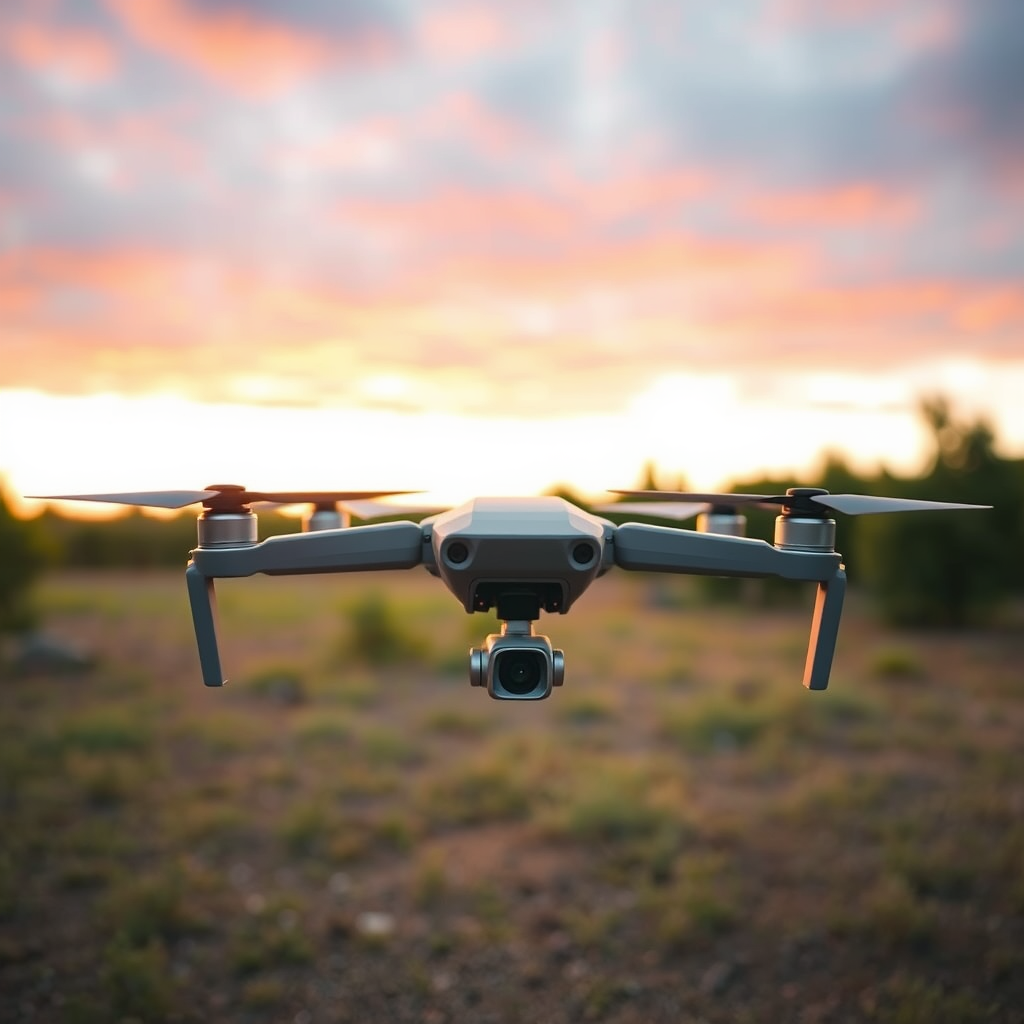
DJI has positioned itself as a leader in the drone industry, and its thermal drones are no exception. The two notable models are the DJI Mavic 2 Enterprise Dual and the Matrice 300 RTK.
The DJI Mavic 2 Enterprise Dual is a compact and versatile drone that combines a 4K camera with a thermal imaging sensor. This dual-sensor capability allows for seamless switching between visual and thermal views, making it ideal for inspecting infrastructure or conducting search and rescue missions in confined spaces. With its foldable design, the Mavic 2 Enterprise Dual is highly portable, allowing operators to deploy it quickly in the field.
On the other hand, the Matrice 300 RTK is a more robust platform designed for extensive and demanding applications. It supports multiple payload configurations, including various thermal cameras such as the Zenmuse H20T, which features a radiometric thermal sensor that provides accurate temperature measurements. The Matrice 300 RTK excels in complex environments, offering extended flight times and advanced safety features, including obstacle avoidance and AI capabilities.
Key Features of DJI Thermal Drones
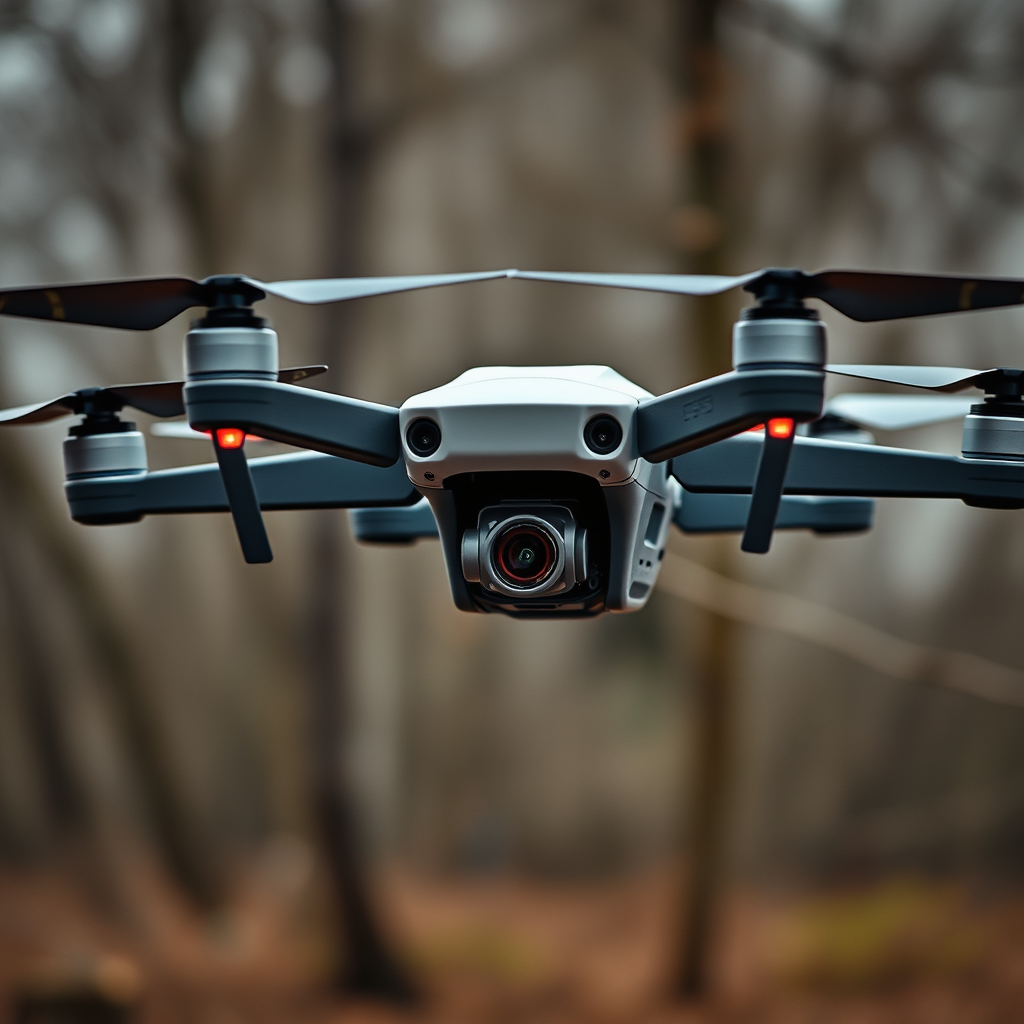
One of the standout features of DJI’s thermal drones is their high-resolution thermal imaging capabilities. For instance, the Mavic 2 Enterprise Dual provides thermal resolution up to 640×512 pixels, allowing users to detect minute temperature differences that can indicate potential issues in equipment or infrastructure. The Matrice 300 RTK raises the bar even higher with its Zenmuse H20T, which offers a thermal resolution of 640×512 pixels at 30Hz, making it suitable for detailed inspections.
Additionally, DJI’s thermal drones come equipped with intelligent flight modes, which enhance operational efficiency. Features such as Waypoint Flight allow users to pre-program flight paths, while the AI Spot Check mode enables automated inspections of critical assets. These intelligent functionalities reduce the workload on operators and ensure that inspections are thorough and consistent.
Applications of Thermal Drones
The applications of thermal drones are vast and varied, making them invaluable tools across multiple industries.
In agriculture, thermal drones are increasingly used for monitoring crop health and irrigation efficiency. By utilizing thermal imaging, farmers can identify areas of water stress, assess plant health, and optimize irrigation schedules. For example, a study showed that farmers using thermal drones could increase crop yields by up to 20% by addressing irrigation issues more effectively.
In the realm of search and rescue, thermal drones have revolutionized the way responders locate missing persons in challenging environments. The ability to detect body heat through dense foliage or in total darkness can significantly reduce search times. For instance, during a recent search operation in a mountainous region, a thermal drone successfully located a hiker lost for over 48 hours, showcasing the technology’s life-saving potential.
Comparison with Competitors
When comparing DJI’s thermal drones with offerings from other brands, it’s essential to consider both the technology and the ecosystem. Companies like FLIR and Parrot also manufacture thermal drones, but they cater to slightly different market segments. FLIR’s drones are often tailored for industrial applications, focusing heavily on advanced thermal sensors, while Parrot’s products tend to appeal to hobbyists and smaller enterprises with simpler thermal imaging needs.
DJI stands out in the thermal drone market due to its integrated ecosystem. The ability to seamlessly integrate drones with software solutions, such as DJI’s Pilot app, enhances the user experience by providing real-time data analysis and flight planning tools. Moreover, DJI’s commitment to customer support and continuous product innovation fosters brand loyalty and reliability in the industry.
User Experiences and Case Studies
Real-world applications of DJI’s thermal drones have yielded impressive results across various industries. For instance, companies in the construction sector have reported that using the Mavic 2 Enterprise Dual for thermal inspections has significantly reduced the time required for identifying issues such as heat leaks in buildings. A construction firm in California noted that integrating thermal drones into their workflow increased productivity by over 30%, allowing for quicker identification and resolution of design flaws.Additionally, testimonials from emergency responders highlight the effectiveness of thermal drones in life-saving scenarios. A fire department in Texas shared an experience where their Matrice 300 RTK was utilized during a wildfire to locate trapped individuals. The drone’s thermal imaging capabilities allowed the team to conduct a successful rescue operation within minutes, demonstrating the critical role thermal drones can play in emergency situations.
Future of Thermal Drone Technology
The future of thermal drone technology is poised for exciting advancements. Emerging trends include integration with AI and machine learning, which will enhance thermal imaging analysis, allowing for more intuitive and actionable insights. For example, AI algorithms can analyze thermal data to predict equipment failures before they occur, which is particularly beneficial in industries such as manufacturing and energy.
DJI’s roadmap indicates a commitment to expanding its thermal drone lineup and features. As new sensors and imaging technologies develop, we can expect DJI to lead the market with innovative solutions that enhance the capabilities of their thermal drones, making them even more indispensable across various sectors.
In summary, DJI’s thermal drones, such as the Mavic 2 Enterprise Dual and Matrice 300 RTK, offer high-resolution imaging and intelligent features that cater to diverse applications ranging from agriculture to search and rescue. Their integration within a robust ecosystem, combined with user testimonials highlighting their effectiveness in real-world scenarios, cements DJI’s position as a leader in the thermal drone market. As technology continues to advance, the future looks promising for both DJI and the industries that rely on thermal imaging solutions. If you’re considering thermal drone technology, exploring DJI’s offerings could provide significant advantages in operational efficiency and effectiveness.
Frequently Asked Questions
Does DJI make a thermal drone?
Yes, DJI manufactures thermal drones, most notably the DJI Matrice 300 RTK, which can be equipped with a Zenmuse H20T camera featuring a thermal imaging sensor. This drone is widely used in various industries, including search and rescue, firefighting, and infrastructure inspection, providing high-quality thermal data for effective decision-making.
What are the benefits of using a DJI thermal drone?
The benefits of using a DJI thermal drone include enhanced visibility in low-light conditions, the ability to detect heat sources, and efficient data collection for thermal inspections. These drones can help identify issues such as energy loss in buildings, overheating electrical components, or locating people in emergency situations, making them invaluable tools for professionals in multiple fields.
How much does a DJI thermal drone cost?
The cost of a DJI thermal drone can vary significantly based on the model and specifications. For example, the DJI Matrice 300 RTK starts at around $10,000, while the Zenmuse H20T thermal camera adds an additional cost of approximately $6,000. Overall, users should budget between $10,000 and $20,000 for a complete thermal drone setup depending on their specific needs and accessories.
Which industries benefit most from DJI thermal drones?
Several industries benefit from DJI thermal drones, particularly those involved in public safety, energy, agriculture, and construction. Fire departments use them for locating hotspots, utility companies employ them for inspecting power lines, and farmers utilize them for monitoring crop health. The versatility of DJI thermal drones makes them essential for any field requiring precise thermal data.
Why should I choose a DJI thermal drone over competitors?
Choosing a DJI thermal drone over competitors can offer advantages such as superior camera technology, advanced flight stability, and a robust ecosystem of accessories and software. DJI’s reputation for reliability and innovation, along with comprehensive customer support, makes their thermal drones a preferred choice for professionals seeking quality and performance in thermal imaging applications.
References
- DJI
- https://www.reuters.com/article/us-dji-drone-thermal-idUSKBN1ZP1G5
- https://www.forbes.com/sites/bernardmarr/2020/01/20/how-dji-is-transforming-the-drone-industry/?sh=3bc1b3b36e02
- https://www.sciencedirect.com/science/article/pii/S235286481830271X
- https://www.wired.com/story/dji-drone-thermal-imaging/
- https://www.techrepublic.com/article/how-thermal-imaging-drones-are-transforming-the-way-we-see-our-world/
- https://www.nasa.gov/feature/thermal-imaging-drones-helping-to-make-sure-people-are-not-left-in-the-cold
- https://www.dhs.gov/science-and-technology/thermographic-imaging-drones
