
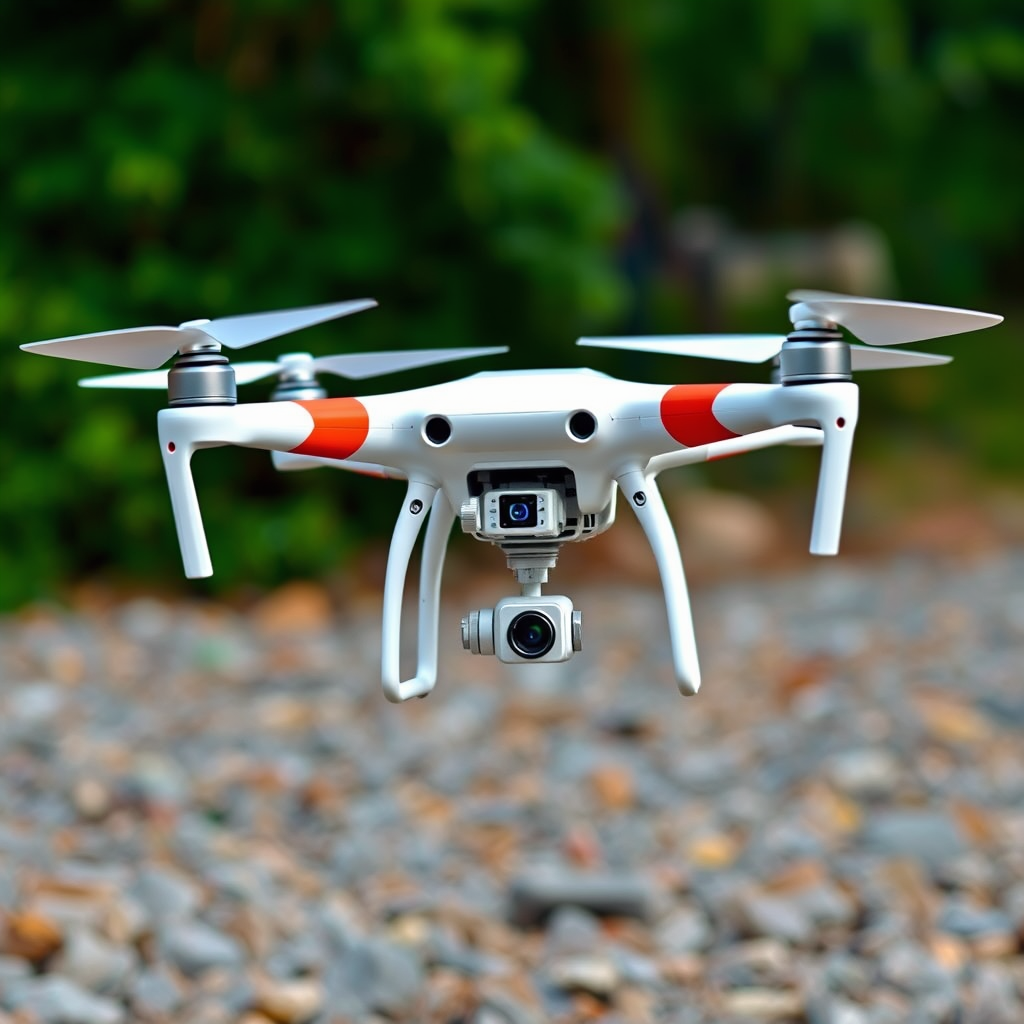
The DJI Phantom drones do not feature optical zoom capabilities in their standard configurations, but some models allow for digital zoom through specific settings. In this article, we will explore the zoom features available across different DJI Phantom models, how they work, and tips for capturing great aerial shots. Understanding these capabilities can help you make informed decisions about your aerial photography needs.
Understanding Zoom in Drones
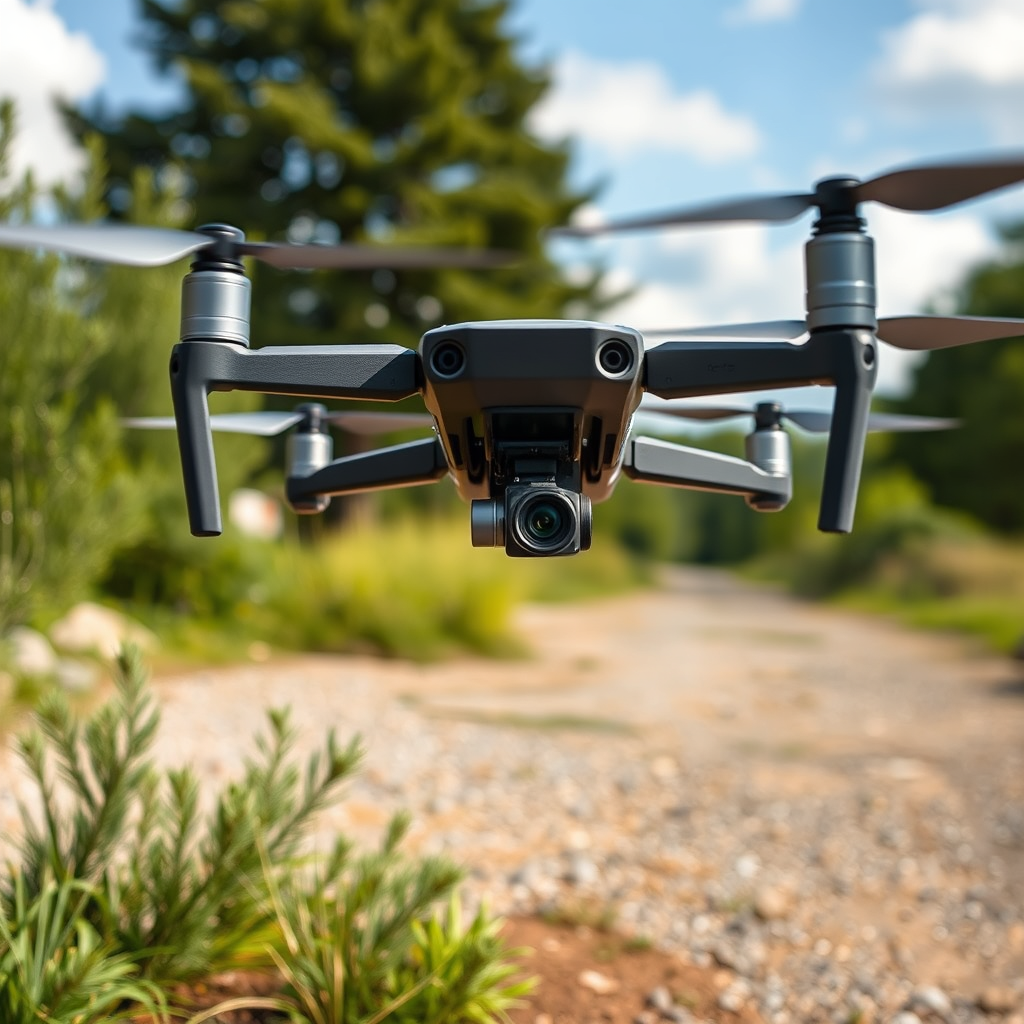
To grasp the zoom capabilities of drones, it’s essential to differentiate between optical and digital zoom. Optical zoom refers to the ability of a camera lens to magnify an image using its glass elements, maintaining image quality as you zoom in. Digital zoom, however, crops the image and enlarges the pixels, resulting in a loss of detail and resolution. This distinction is crucial for aerial photography, where clarity and detail can significantly affect the final image quality. For drone enthusiasts and professionals, having zoom capabilities can enhance storytelling and the ability to capture distant subjects without compromising on image integrity.
DJI Phantom Models Overview
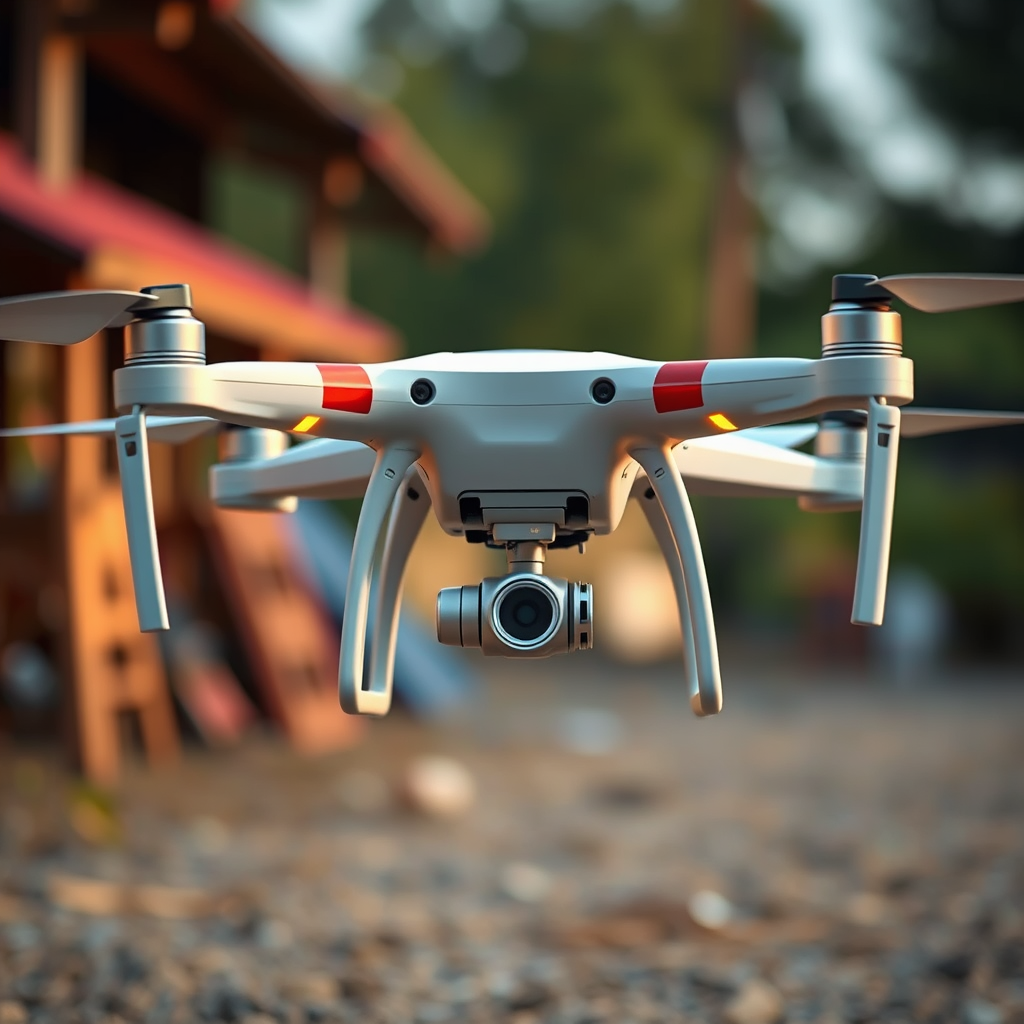
The DJI Phantom series has evolved through several models, each bringing advancements in technology and features. The most notable models include the Phantom 3, Phantom 4, and Phantom 4 Pro.
– DJI Phantom 3: This earlier model features a 12MP camera capable of 4K video recording but lacks advanced zoom capabilities.
– DJI Phantom 4: An upgrade from its predecessor, the Phantom 4 introduced a more sophisticated camera and improved flight stability, but still does not offer optical zoom.
– DJI Phantom 4 Pro: This model features a 20MP camera and offers enhanced capabilities, including a mechanical shutter and a larger sensor, but it also does not include optical zoom.
Each of these models incorporates unique camera technology, affecting image quality and performance. The lack of optical zoom across the series is a common thread that potential buyers should consider.
Zoom Features in DJI Phantom Drones
While DJI Phantom drones do not come equipped with optical zoom, some models like the Phantom 4 Pro allow for digital zoom. Digital zoom is achieved by cropping the image using the drone’s onboard software, which can be initiated through the app. However, it’s essential to understand its limitations: as you zoom in digitally, the image quality diminishes, leading to pixelation and a less sharp image. For example, while shooting at 4K resolution, using digital zoom may result in a significant loss of detail, especially in larger prints or when viewed on high-resolution displays.
Understanding how to effectively utilize digital zoom, such as limiting the zoom factor to maintain acceptable quality, is vital for drone operators seeking to maximize their photographic results.
Best Practices for Capturing Images Without Zoom
Even without traditional zoom capabilities, there are several techniques drone operators can employ to get closer to their subjects.
1. Flight Maneuvers: Utilize the drone’s agility to fly closer to the subject. Planning your flight path can allow for dynamic angles and perspectives that enhance your photographs.
2. Framing and Composition: Focus on the composition of your shots. Techniques such as the rule of thirds can draw attention to the subject without needing to zoom in.
3. Use of Altitude: Changing your altitude can offer unique perspectives. Sometimes, shooting from a higher vantage can help capture the subject in its environment effectively, negating the need for zoom.
4. Post-Processing: Leverage editing software to enhance details after the fact. While this does not replace the need for optical zoom, it can help improve the overall quality of your images.
Incorporating these techniques can significantly enhance the effectiveness of your aerial photography, allowing for stunning visuals without the need for zoom.
Alternatives for Zoom Capabilities
For those who require zoom capabilities, there are alternatives to consider.
– Compatible Camera Upgrades: Some drone operators opt for external camera systems or gimbals that feature optical zoom functionalities. These attachments can elevate the capabilities of the drone and allow for high-quality zoom shots.
– Other DJI Drones with Zoom: DJI also offers models specifically designed with built-in zoom capabilities, such as the DJI Mavic 2 Zoom. This model allows for both optical and digital zoom, providing an ideal solution for users who prioritize this feature.
Evaluating these alternatives can help determine the best fit for your specific needs in aerial photography.
User Experiences and Feedback
User testimonials offer valuable insight into the actual performance of DJI Phantom drones concerning zoom functionalities. Many users appreciate the overall quality of the Phantom series but express a desire for improved zoom options.
Common challenges include the limitations of digital zoom, which can lead to unsatisfactory results in certain scenarios. Users often recommend utilizing flight techniques and post-processing to mitigate these issues. Some have successfully integrated compatible cameras to achieve better zoom outcomes, sharing their experiences to guide others in similar situations.
Engaging with the community through forums and social media can be beneficial for addressing common challenges and sharing solutions regarding zoom functionality.
Understanding the zoom capabilities of DJI Phantom drones can significantly enhance your aerial photography experience. Consider your specific needs and explore compatible upgrades or other models if zoom is crucial for your projects. Feel free to share your experiences or ask questions in the comments below!
Frequently Asked Questions
Does the DJI Phantom drone have a zoom feature?
No, the DJI Phantom series drones do not come with a built-in optical zoom feature. While certain models, like the DJI Phantom 4 Pro, offer advanced camera capabilities with high-resolution sensors and digital cropping, they lack true optical zoom. For capturing distant subjects, users may need to rely on post-processing techniques to enhance images or consider using a different drone model that supports optical zoom.
How can I achieve zoom-like effects with a DJI Phantom drone?
To achieve a zoom-like effect with your DJI Phantom drone, you can use the drone’s camera settings to crop images or use digital zoom features, if available, during video recording. Additionally, flying the drone closer to your subject can create an illusion of zooming in. However, keep in mind that digital zoom may reduce image quality, so it’s essential to maintain a balance between proximity and clarity.
Why is optical zoom important for drone photography?
Optical zoom is important for drone photography because it allows photographers to capture clear, high-resolution images of distant subjects without compromising quality. Unlike digital zoom, which simply enlarges the image, optical zoom utilizes physical lens adjustments to maintain clarity and detail. This feature is particularly valuable for wildlife photography or landscape shots, where getting physically closer to the subject may not be feasible.
What are the best alternatives to DJI Phantom drones for zoom capabilities?
The best alternatives to DJI Phantom drones for zoom capabilities include the DJI Mavic 2 Zoom, which features a 2x optical zoom lens, allowing for greater flexibility in shooting distant subjects. Other options include the Autel Robotics EVO Lite+ and the Parrot Anafi, both of which offer impressive zoom capabilities and high-quality imaging. When choosing a drone, consider factors like camera quality, flight time, and ease of use to find the best option for your needs.
Which DJI Phantom model is best for high-quality aerial photography?
The DJI Phantom 4 Pro is often regarded as the best model in the Phantom series for high-quality aerial photography. It features a 1-inch 20MP sensor that captures stunning images and 4K video at 60fps, along with advanced flight modes and obstacle avoidance technology. While it lacks an optical zoom, its superior camera performance and versatility make it a top choice for professional photographers and videographers looking to capture breathtaking aerial shots.
