
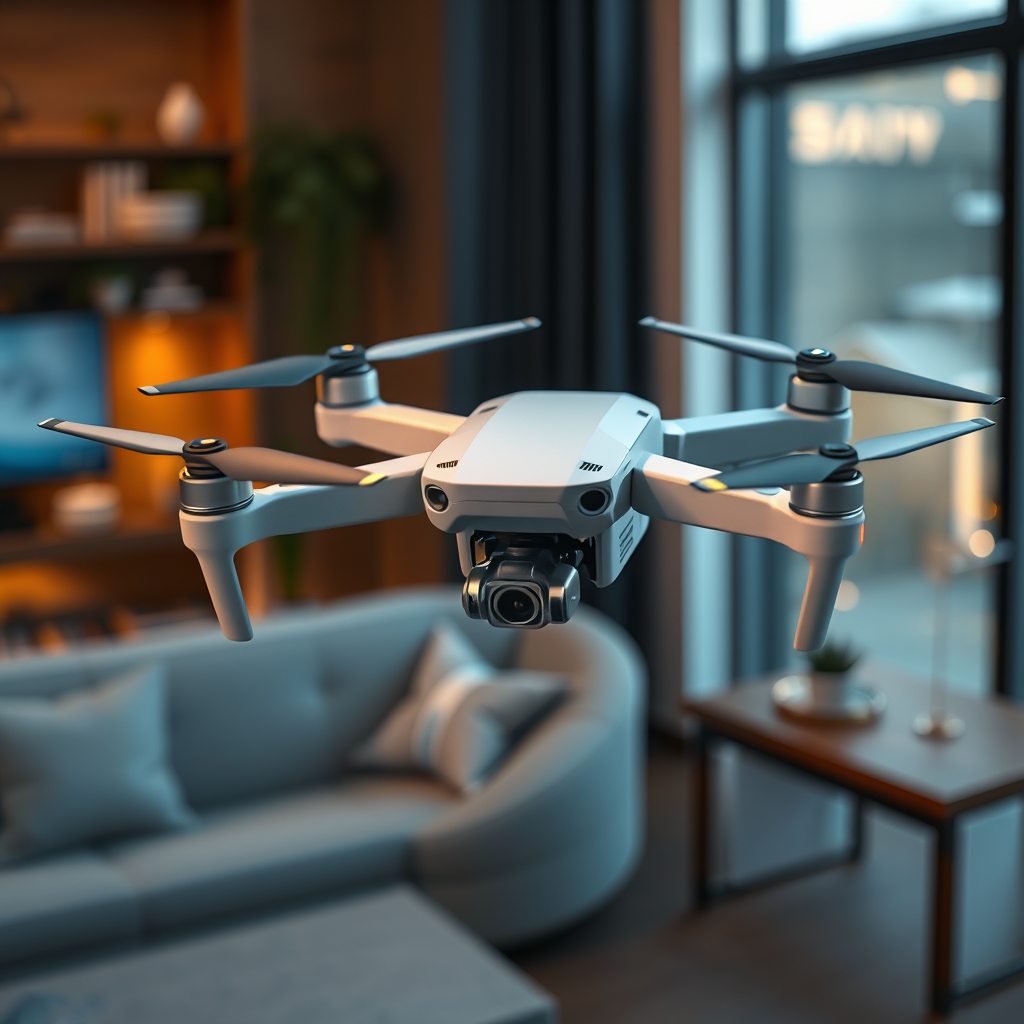
The DJI Mini 3 drone does not feature obstacle avoidance technology, which is a key aspect to consider when flying in complex environments. While it offers impressive flight capabilities and camera quality, the absence of this safety feature means that pilots must be more vigilant when navigating around obstacles. In this article, we will explore the implications of this design choice, compare it with other models, and discuss best practices for safe flying.
Overview of the DJI Mini 3
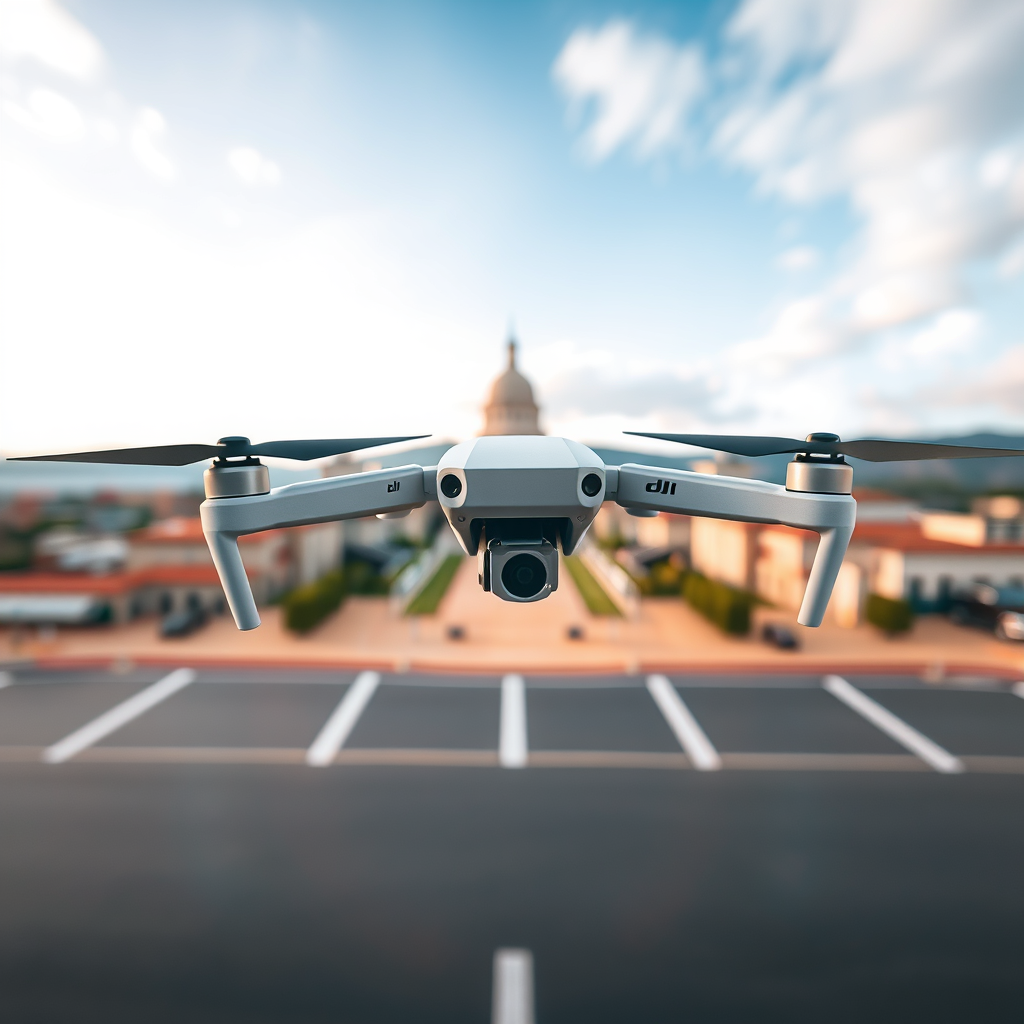
The DJI Mini 3 is an advanced entry-level drone designed to cater to both novice and experienced pilots. Weighing less than 250 grams, it boasts a compact design that enhances portability, making it ideal for travel and outdoor adventures. Key specifications include a maximum flight time of up to 38 minutes, a 1/1.3-inch sensor capable of capturing 4K video at 60 frames per second, and a range of intelligent flight modes that allow users to easily create stunning aerial shots.
When compared to its predecessors in the Mini series, such as the Mini 2, the Mini 3 represents a significant upgrade in camera capabilities and flight performance. The improved sensor, combined with enhanced low-light performance, allows for more creative shooting options. However, the most notable distinction lies in the absence of obstacle avoidance technology, which is available in higher-end models. This lack of obstacle sensors necessitates a more hands-on approach to navigation, especially in environments with potential hazards.
Understanding Obstacle Avoidance Technology
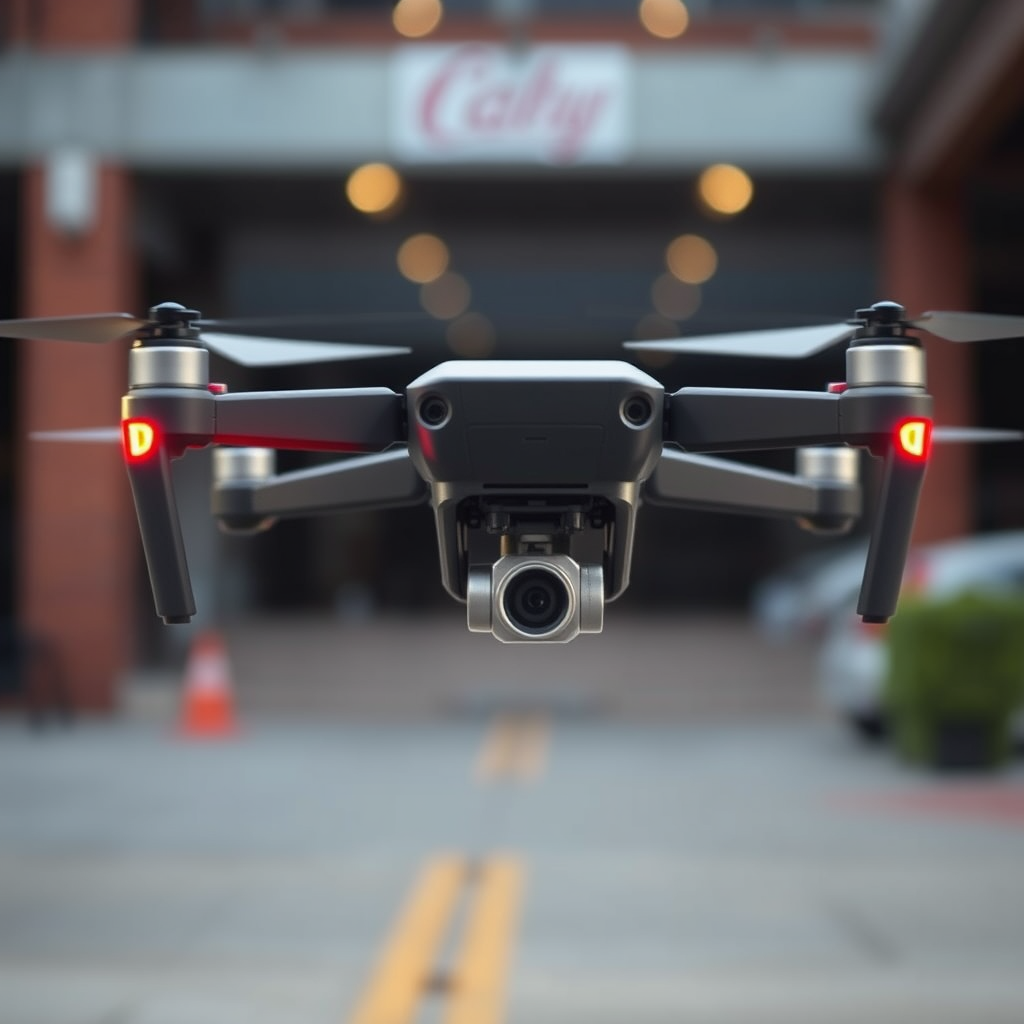
Obstacle avoidance technology in drones employs a combination of sensors and algorithms to detect and navigate around obstacles. This technology is designed to prevent collisions and ensure safer flying experiences, particularly in complex environments like urban landscapes or densely wooded areas. The systems typically utilize a variety of sensors, including ultrasonic sensors, stereo cameras, and LiDAR technology, to create a three-dimensional map of the surroundings.
Different types of sensors are utilized in obstacle detection, each with its own advantages. For instance, ultrasonic sensors measure the distance to objects using sound waves, making them effective for short-range detection. On the other hand, stereo cameras leverage visual data to identify obstacles and assess their distance, allowing for more sophisticated navigation. The integration of these technologies enables drones to autonomously adjust their flight paths, enhancing pilot safety and reducing the risk of accidents.
Comparison with Other DJI Drones
When evaluating the DJI Mini 3, it is crucial to compare it with other models in DJI’s lineup that include obstacle avoidance features. The DJI Air 2S and the Mavic series are notable examples that incorporate advanced obstacle sensing systems. For instance, the DJI Air 2S is equipped with four-way obstacle sensing technology, allowing it to detect obstacles in front, behind, above, and below, significantly enhancing flight safety.
The advantages of flying drones with obstacle avoidance include reduced anxiety for pilots, the ability to focus more on capturing footage rather than navigation, and the capability to fly in more complex environments. Conversely, drones without this feature, such as the Mini 3, require pilots to be actively engaged in monitoring their surroundings and making real-time decisions to avoid collisions. This can be a disadvantage for less experienced users who may not have developed the skills necessary for safe navigation in challenging conditions.
Implications of No Obstacle Avoidance
The absence of obstacle avoidance technology in the DJI Mini 3 carries several implications for pilots. One of the most significant risks is the potential for collisions with unanticipated obstacles, which could lead to damage to the drone or injury to people and property. This risk is heightened in crowded areas or environments with numerous natural and man-made obstacles.
To mitigate these risks while flying the Mini 3, pilots should adopt several strategies. First, thorough pre-flight planning is critical. This includes familiarizing oneself with the flying area and identifying potential hazards. Second, maintaining an appropriate altitude can help avoid low-hanging branches, buildings, or other obstacles. Lastly, pilots should practice situational awareness, constantly scanning the environment for any changes or unexpected obstacles during flight.
Best Practices for Safe Flying
Flying a drone without obstacle avoidance features necessitates a proactive approach to safety. Here are some best practices for pilots using the DJI Mini 3:
1. Pre-Flight Planning: Assess the environment where you plan to fly. Use maps and local knowledge to identify potential hazards and plan your flight path accordingly.
2. Maintain Line of Sight: Always keep the drone within visual line of sight. This enhances your ability to react to obstacles and understand your surroundings.
3. Fly in Open Areas: Whenever possible, fly in open spaces where there are fewer obstacles. If you are flying in more complex environments, take extra precautions.
4. Practice Maneuvering: Spend time practicing basic flight maneuvers in a safe, controlled environment. This will help you develop the necessary skills to navigate around obstacles.
5. Use Spotters: If flying in challenging environments, consider having a spotter to assist you in identifying potential hazards while you focus on piloting.
6. Stay Informed: Regularly update yourself on local regulations and drone flying best practices to ensure compliance and safety.
User Experiences and Community Feedback
Feedback from users regarding the lack of obstacle avoidance in the DJI Mini 3 has been mixed. Many users appreciate the drone’s lightweight design and camera capabilities, while others express concerns about the absence of such a critical safety feature. Community discussions often highlight the importance of skill development for pilots who choose to fly the Mini 3, emphasizing that increased vigilance is necessary.
Moreover, users have shared tips and techniques that have proven effective in navigating environments without obstacle avoidance. Engaging with the drone community through forums or social media platforms can provide valuable insights and enhance the flying experience.
The DJI Mini 3’s lack of obstacle avoidance may be a limitation for some users, but with careful flying and awareness, it can still be a powerful tool for capturing stunning aerial footage. Consider your flying environment and personal skill level when deciding if the Mini 3 is the right drone for you. If you’re interested in learning more about drone safety or exploring other models, keep following our updates for more insights and tips.
Frequently Asked Questions
Does the DJI Mini 3 drone have obstacle avoidance features?
Yes, the DJI Mini 3 drone is equipped with advanced obstacle avoidance features. Specifically, it utilizes a downward vision sensor that helps the drone detect and avoid obstacles when flying at low altitudes. This feature enhances flight safety and allows for smoother operation during automated flight paths, making it a great choice for both beginners and experienced pilots.
How does the obstacle avoidance system work on the DJI Mini 3?
The obstacle avoidance system on the DJI Mini 3 works through a combination of sensors and intelligent software. It uses downward-facing sensors to detect obstacles beneath the drone, allowing it to automatically adjust its flight path to prevent collisions. This system is particularly useful in complex environments, providing added confidence for users when flying in unfamiliar areas.
Why is obstacle avoidance important when flying a drone like the DJI Mini 3?
Obstacle avoidance is crucial when flying a drone like the DJI Mini 3 because it significantly reduces the risk of crashes and damage to the drone. By preventing collisions with trees, buildings, and other obstacles, this feature enhances the overall flying experience, allowing users to focus on capturing stunning aerial footage rather than worrying about potential accidents. Additionally, improved safety can lead to longer flight times and a more enjoyable experience.
Which obstacles can the DJI Mini 3 detect and avoid?
The DJI Mini 3 is primarily designed to detect and avoid ground-level obstacles, such as trees, buildings, and other structures. Its downward vision sensors can recognize objects directly beneath the drone during flight, allowing it to navigate safely in various environments. However, it’s important to note that while the Mini 3 has some obstacle avoidance capabilities, it may not detect all obstacles, especially those at higher altitudes or moving objects.
What should I do if the obstacle avoidance feature is not functioning properly on my DJI Mini 3?
If the obstacle avoidance feature on your DJI Mini 3 is not functioning as expected, first ensure that the drone’s firmware is up to date, as software updates can fix bugs and improve performance. Additionally, check the sensors for dirt or obstructions, as clear sensors are essential for accurate detection. If issues persist, consult the user manual for troubleshooting steps or contact DJI support for further assistance.
