
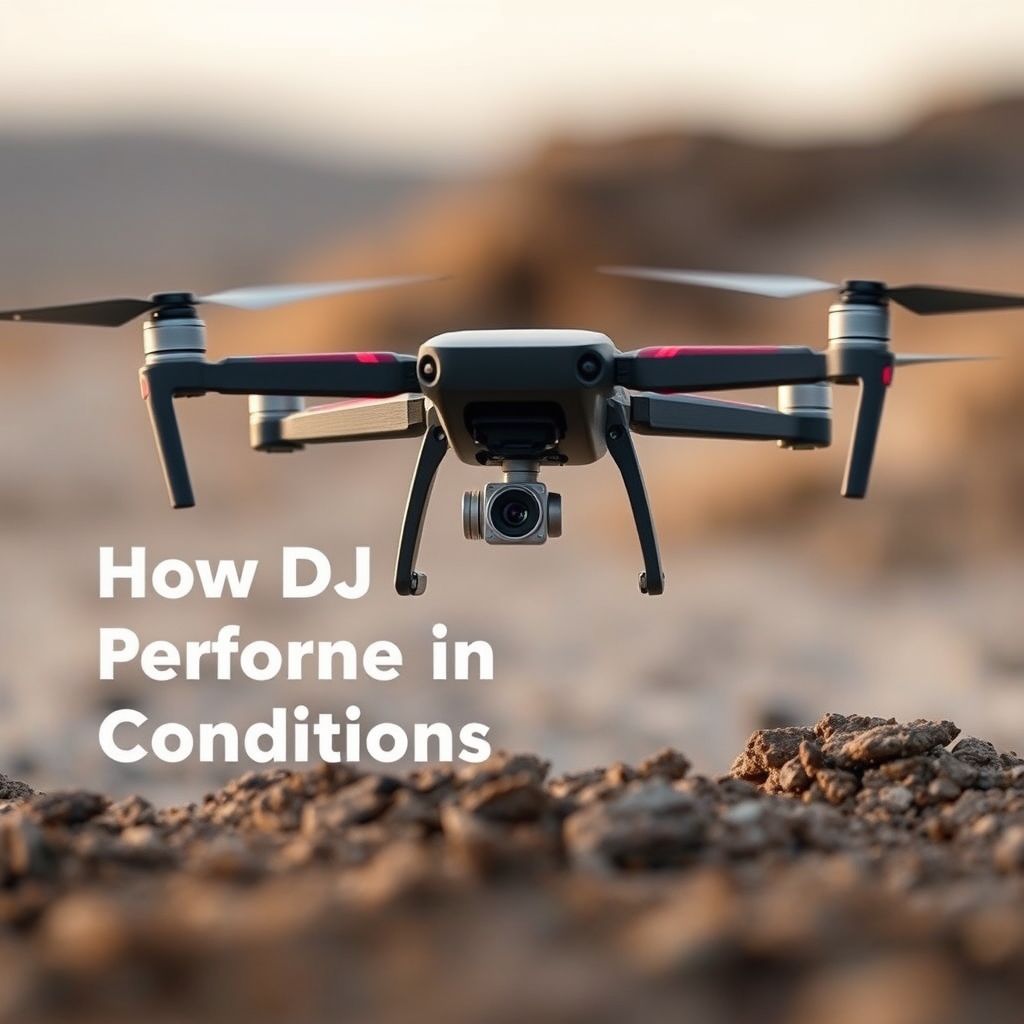
DJI drones are generally capable of handling moderate wind conditions, but their performance can be significantly affected by wind speed and gusts. The key to successful flying in breezy environments lies in understanding the specific capabilities of different DJI models, the technology they employ to counteract wind, and the precautions pilots can take to ensure safety and stability. In this article, you’ll learn about how different DJI models cope with wind, factors to consider, and tips for flying safely in windy conditions.
Understanding Wind Resistance in DJI Drones
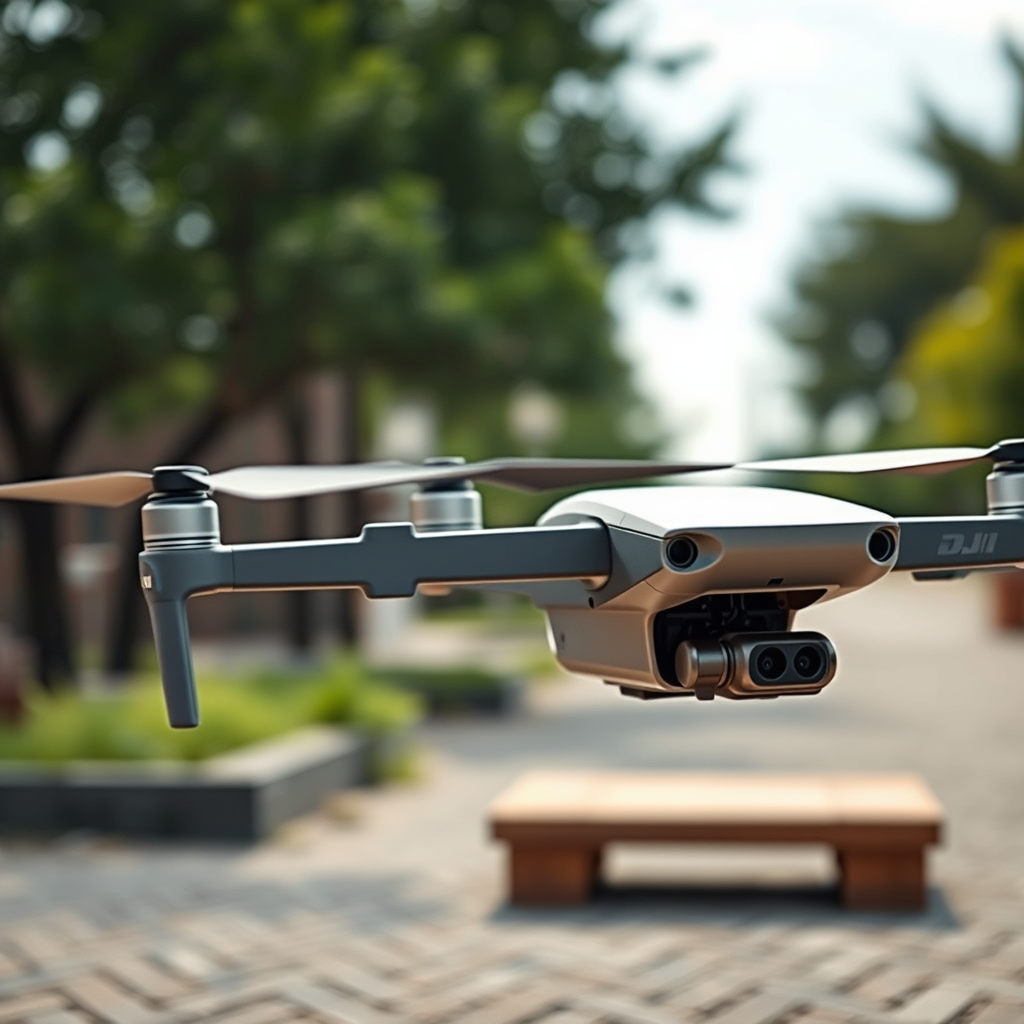
DJI drones are engineered with advanced stabilization systems that are crucial for maintaining flight control in windy conditions. These systems often include features like GPS positioning, inertial measurement units (IMUs), and a suite of sensors that work together to detect and counteract wind disturbances. Each model has a specified maximum wind resistance, which can vary significantly; for instance, the Mavic Mini is designed to handle winds up to 8 m/s (18 mph), whereas the Phantom 4 Pro can withstand winds as strong as 20 m/s (45 mph). Understanding these specifications is essential for drone operators to make informed decisions about when and how to fly.
The ability to fly in windy conditions is not just about the drone’s wind resistance rating; it also involves understanding the drone’s design and intended use. For example, professional-grade drones tend to have more robust build quality and advanced stabilization features compared to entry-level models. This means that while a hobbyist might find joy in flying a smaller drone in light winds, professionals often rely on more durable models that can handle harsher weather.
Key Features That Aid in Windy Conditions
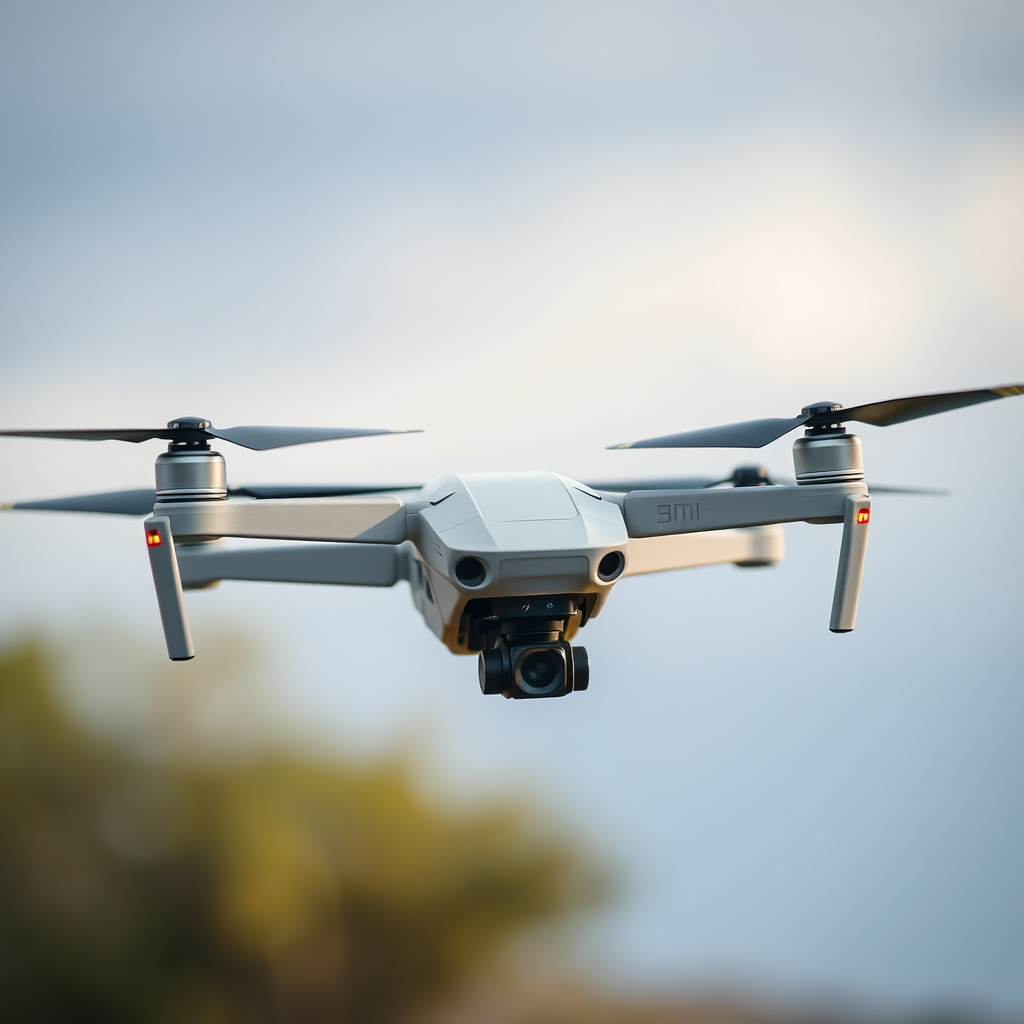
Several features contribute to the performance of DJI drones in windy weather. One of the most significant is the integration of GPS and sensor technology, which allows for precise positioning. By using GPS signals and onboard sensors, DJI drones can accurately maintain their position, even when buffeted by wind gusts. This not only helps in stabilizing the drone but also aids in achieving smooth video footage, which is particularly essential for filmmakers and photographers.
Additionally, the powerful motors found in DJI drones provide the necessary thrust to counteract external wind forces. These motors are designed to deliver optimal performance under various environmental conditions, ensuring that the drone can maintain altitude and stability. For instance, the Mavic 2 Pro’s dual rear motors are engineered to provide exceptional thrust, allowing the drone to push against wind resistance effectively.
Another critical feature is the intelligent flight modes available in many DJI models. Features like “ActiveTrack” and “Point of Interest” utilize GPS data and advanced algorithms to maintain a steady position, even when wind conditions fluctuate. This is particularly beneficial for capturing aerial shots in challenging environments.
Effects of Wind on Flight Performance
Wind can have a range of effects on flight performance, some of which may not be immediately apparent to casual users. One of the most noticeable impacts is on battery life. When flying in windy conditions, the drone’s motors must work harder to maintain stability and altitude, which can lead to increased power consumption. As a result, operators may experience reduced flight times, necessitating careful planning and monitoring of battery levels during flights.
Moreover, high winds can significantly impair a drone’s ability to hover and maneuver effectively. For example, a drone that is designed to maintain a stable hover may struggle in gusty conditions, leading to drift or unintended movements. This can complicate tasks such as precise aerial photography or videography, where stability is paramount. Pilots should be prepared for these challenges by practicing in controlled environments and understanding their drone’s flight dynamics under different wind conditions.
Recommended DJI Models for Windy Weather
When it comes to selecting a DJI drone for windy weather, several models stand out due to their robust performance and superior wind resistance. The Mavic Air 2, for instance, is celebrated for its impressive stabilization capabilities and can handle moderate winds with ease. Its compact design and powerful motors make it an excellent choice for both amateur and professional pilots who need to capture high-quality footage in less-than-ideal weather.
Another top contender is the Phantom 4 Pro, renowned for its strong build quality and advanced flight features. This drone not only offers excellent wind resistance but also provides features like obstacle avoidance and intelligent flight modes that enhance its usability in adverse conditions. For professionals conducting aerial surveys or inspections, the Phantom 4 Pro’s stability in windy environments is a decisive factor.
Lastly, the DJI Matrice series, designed for commercial use, is built to withstand extreme weather conditions, making it an ideal choice for those who require reliability and performance in harsh environments. These models feature heavy-duty motors and advanced stabilization technology, ensuring that they can handle challenging wind conditions efficiently.
Tips for Flying DJI Drones in Wind
To maximize safety and performance while flying DJI drones in windy conditions, operators should follow several practical tips. First and foremost, it’s essential to check wind conditions before takeoff. Reliable weather apps can provide real-time data on wind speed and gusts, helping pilots make informed decisions about whether to fly.
Adjusting flight settings can also enhance stability. For example, using Sport Mode may improve responsiveness, allowing the drone to counteract wind forces more effectively. However, pilots should be cautious when using this mode, as it may also reduce the drone’s ability to maintain a steady hover.
Additionally, it is wise to maintain a lower altitude during flights in windy conditions. Flying at a reduced height can help mitigate the impact of wind gusts and provide a more controlled flying experience. This is particularly important for those capturing aerial imagery, as stability is crucial for achieving high-quality results.
Lastly, always keep the drone within line of sight and be prepared to land if conditions worsen. Having a clear visual of the drone allows for better control and quicker decision-making, ensuring a safe flying experience.
Safety Measures When Flying in Wind
Safety should always be the top priority when flying drones, especially in windy weather. Pilots should develop a comprehensive pre-flight checklist that includes assessing wind conditions, reviewing the drone’s battery status, and ensuring that all systems are functioning correctly.
In addition to maintaining a lower altitude, it is also advisable to avoid flying near obstacles or structures that might create turbulence. Buildings, trees, and other large objects can generate unpredictable wind patterns, posing additional risks to flight stability.
Moreover, having a clear landing strategy is crucial. If at any point the drone begins to struggle against the wind, pilots should be ready to land safely. This may involve returning to a designated landing zone or choosing a nearby open area that is free of obstacles.
By implementing these safety measures, drone operators can significantly reduce the risks associated with flying in windy conditions, ensuring that their experience remains enjoyable and productive.
DJI drones can handle windy conditions better than many other consumer drones, but understanding their limitations is crucial for safe flying. Each model has specific capabilities that dictate how well it can perform in windy weather. By following the tips outlined and selecting the appropriate model for your needs, you can enhance your flying experience and ensure your drone remains in control, even in breezy environments.
Frequently Asked Questions
How well do DJI drones perform in windy conditions?
DJI drones are designed with advanced stabilization technology, making them relatively resilient in moderate wind conditions. Most models can handle wind speeds of up to 20-25 mph, depending on their size and weight. However, pilots should always check the wind speed and avoid flying in severe gusts to ensure safe operation and prevent potential crashes.
What should I do if my DJI drone is struggling in the wind?
If your DJI drone is struggling in windy conditions, it’s essential to land it safely as soon as possible. Avoid aggressive maneuvers and keep the drone close to you to maintain control. Additionally, utilize the Return-to-Home feature if you are unable to manually land it. Always monitor the wind conditions before flying to prevent such situations.
Why do DJI drones have a maximum wind resistance rating?
DJI drones have a maximum wind resistance rating to inform users of the safe operational limits for their specific model. This rating helps ensure safe flying and prevents accidents that could arise from losing control in high winds. Understanding these limits is crucial for drone pilots to maintain safe operations and protect their investment.
Which DJI drones are best for flying in windy weather?
The DJI Mavic 3 and the DJI Phantom 4 series are among the best models for flying in windy weather due to their robust construction and advanced stabilization systems. These drones offer enhanced performance in challenging conditions, providing pilots with better control and stability. Always consult the specifications for maximum wind resistance before choosing a drone for windy conditions.
What are the risks of flying DJI drones in high winds?
Flying DJI drones in high winds can lead to several risks, including loss of control, difficulty in maintaining stable flight, and increased chances of crashing. High winds can cause the drone to drift off course, making it harder to return safely. Pilots should always assess weather conditions and consider postponing flights during windy weather to avoid accidents and damage to their equipment.
References
- https://www.wired.com/story/drone-wind-turbulence-testing/
- https://www.researchgate.net/publication/329045412_The_effect_of_wind_on_drones
- https://www.sciencedirect.com/science/article/abs/pii/S2352864817307501
- https://www.nasa.gov/centers/dryden/pdf/86534.pdf
- https://www.nytimes.com/2019/05/09/us/drone-wind-turbulence.html
- Species-Specific Responses of Bird Song Output in the Presence of Drones
- https://www.cnbc.com/2021/05/21/how-wind-affects-drone-flight.html
