
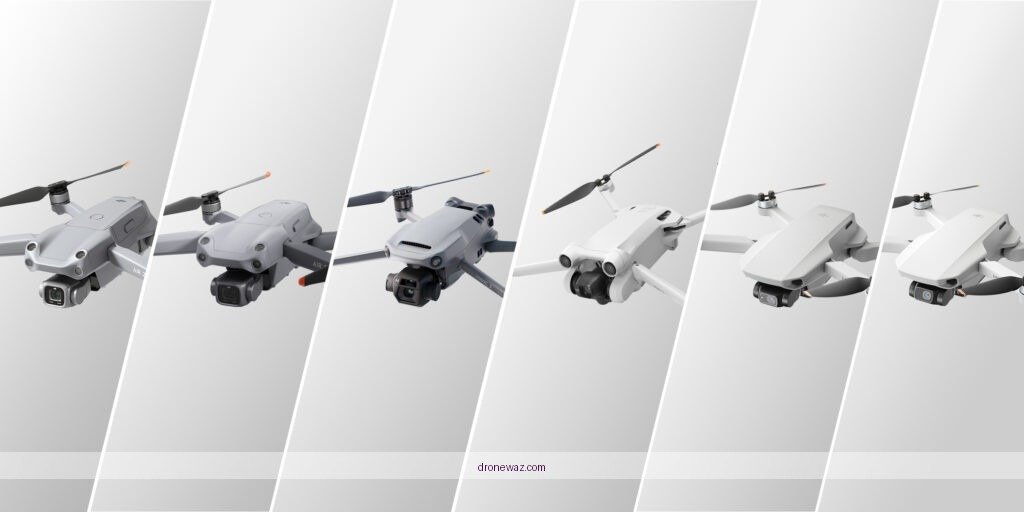
DJI drones compared reveal a clear winner for performance in specific conditions. Whether you prioritize aerial photography, stability, or flight time, one model stands out above the rest. This comparison will answer which DJI drone delivers the best overall performance based on your needs. Get ready to discover the top choice for your aerial adventures.
What You’re Really Risking If You Choose Wrong
Choosing the wrong DJI drone can lead to significant financial loss. Investing in a high-quality drone typically costs hundreds to thousands of dollars, and a poor choice might necessitate additional spending on upgrades or replacements. For professional photographers and videographers, subpar performance in capturing aerial footage can jeopardize projects, disappointing clients and potentially harming your reputation in the industry. Additionally, failing to consider safety features can result in accidents; for instance, a drone with insufficient battery life may malfunction mid-flight, posing risks to both people and property below.
The Mistake Almost Everyone Makes
Many buyers fixate on the highest specifications, such as camera resolution and flight time, without considering their specific use cases. This oversight often leads to selecting a model that fails to meet practical needs. A frequent miscalculation involves underestimating the importance of portability; users may not fully appreciate how the size and weight of drones like the Mavic and Phantom impact their ability to travel or transport the device. Moreover, a lack of thorough research into user reviews and performance reports can leave buyers unaware of real-world challenges that specifications alone cannot reveal, such as connectivity issues or software bugs.
How to Know Which One Is Right for You
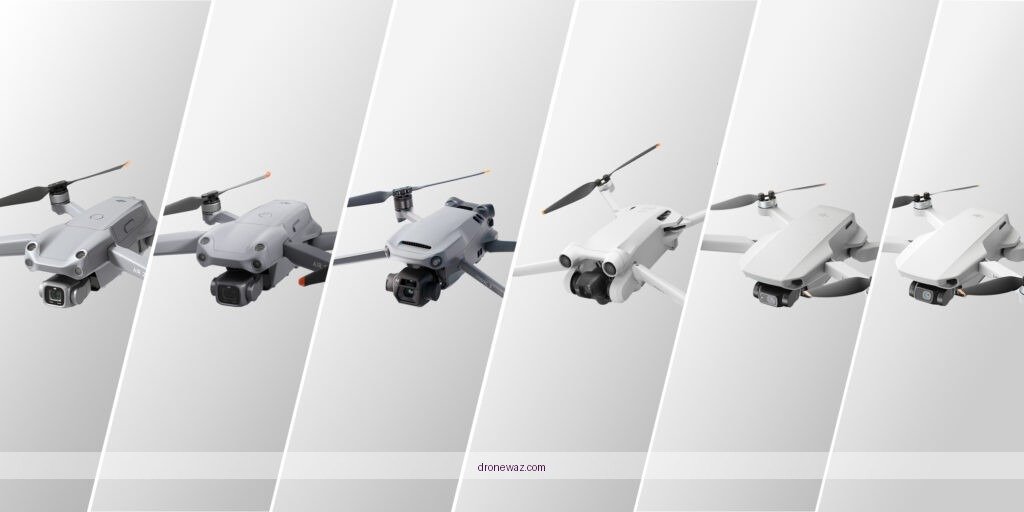
To select the best drone for your needs, start by identifying your primary use case. Are you focused on professional photography, casual flying, or racing? This clarity will help narrow down the DJI models that best align with your objectives. Assess your experience level with drones; novice users might find the Mavic series appealing due to its ease of use and stability, while seasoned pilots may prefer the advanced capabilities of the Phantom. Finally, consider your flying environment: If you plan to operate in urban areas with strict regulations, the compact Mavic may be the better option, whereas open spaces could benefit from the Phantom’s robust features.
Why You Should Choose DJI Mavic
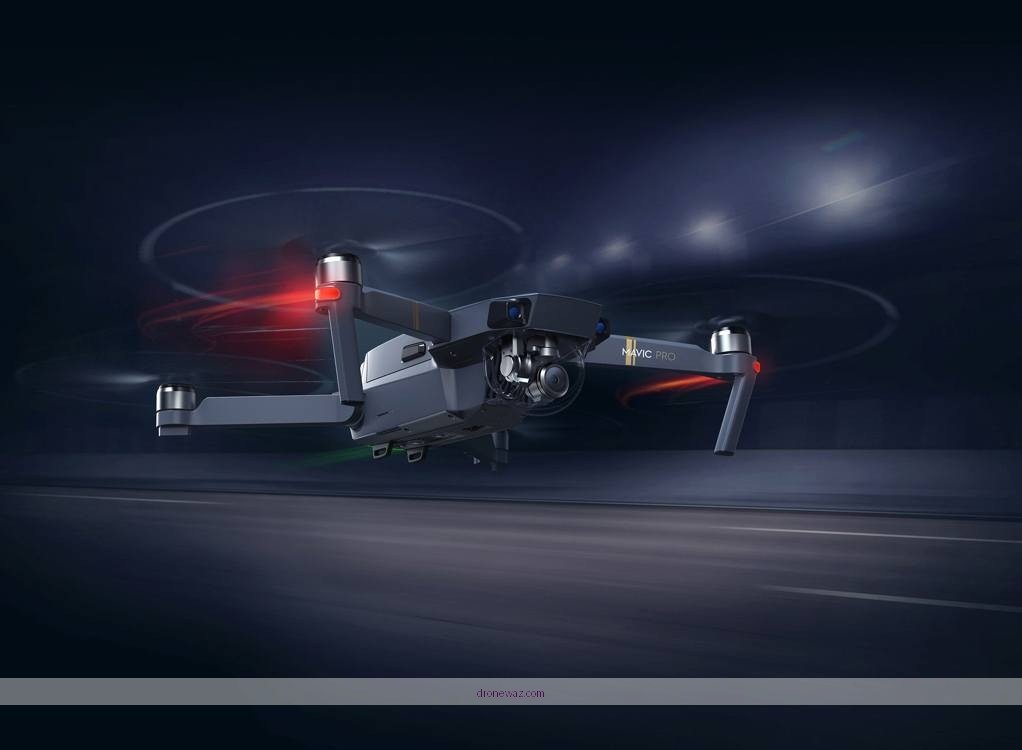
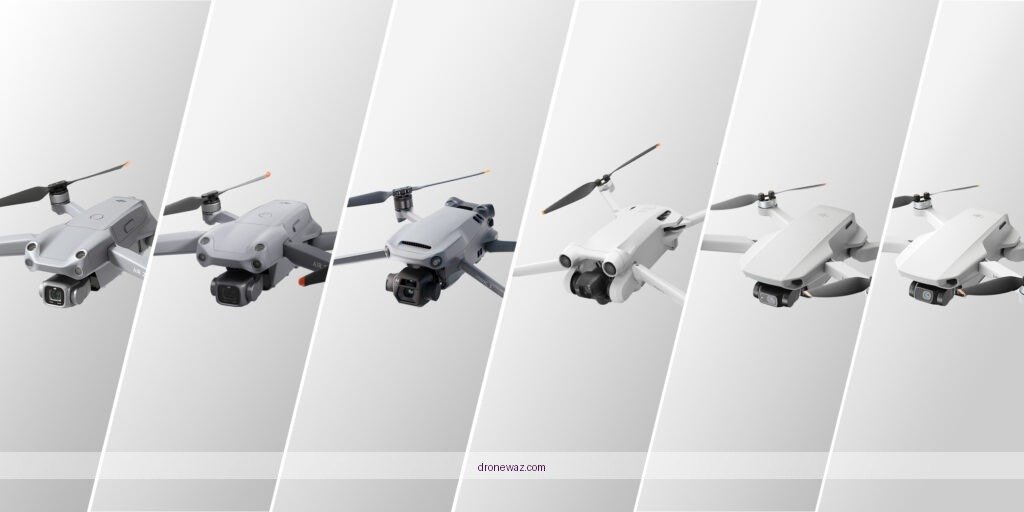
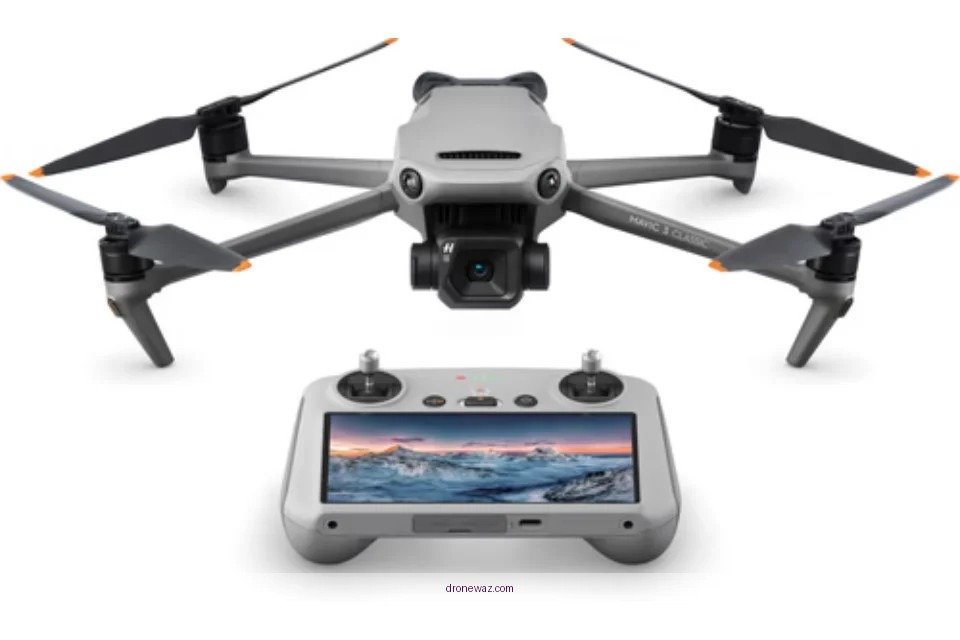
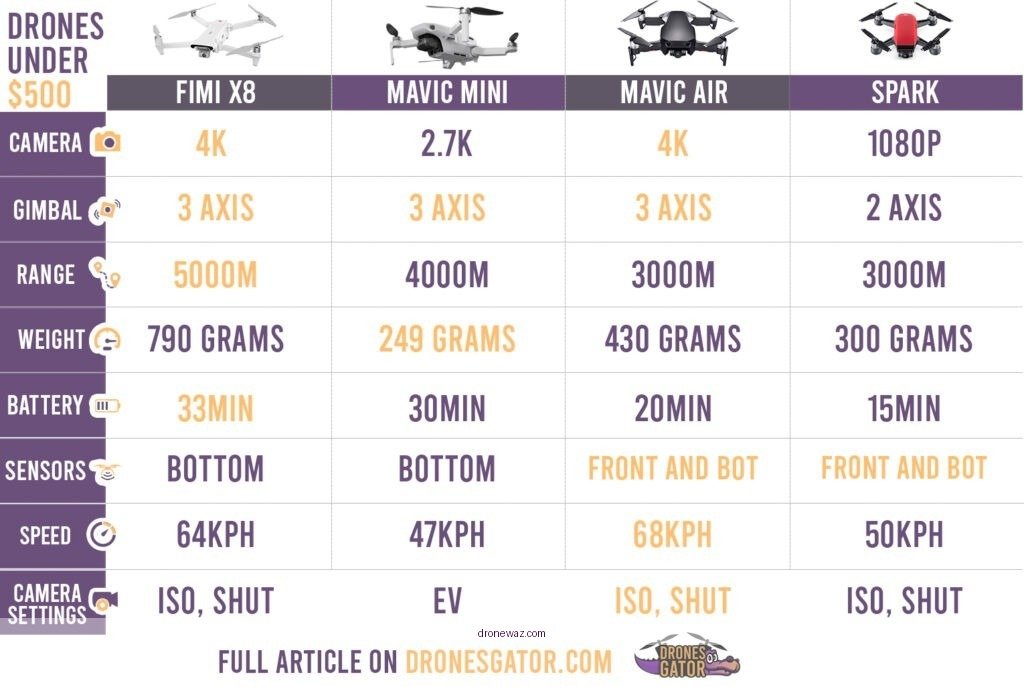
The DJI Mavic series stands out for its portability and compact design, making it an excellent choice for travelers and hobbyists who require a lightweight drone without compromising on quality. With models like the Mavic Air 2 and Mavic Mini, you can effortlessly slip these drones into a backpack, ideal for on-the-go shooting. The advanced obstacle avoidance technology in the Mavic series enhances safety, making it particularly suitable for beginners or those flying in complex environments. Additionally, the impressive battery life of up to 30 minutes and 4K camera capabilities deliver outstanding photo and video quality, making this series perfect for social media influencers and content creators, while the Phantom may not be as easily transportable.
Why You Should Choose DJI Phantom
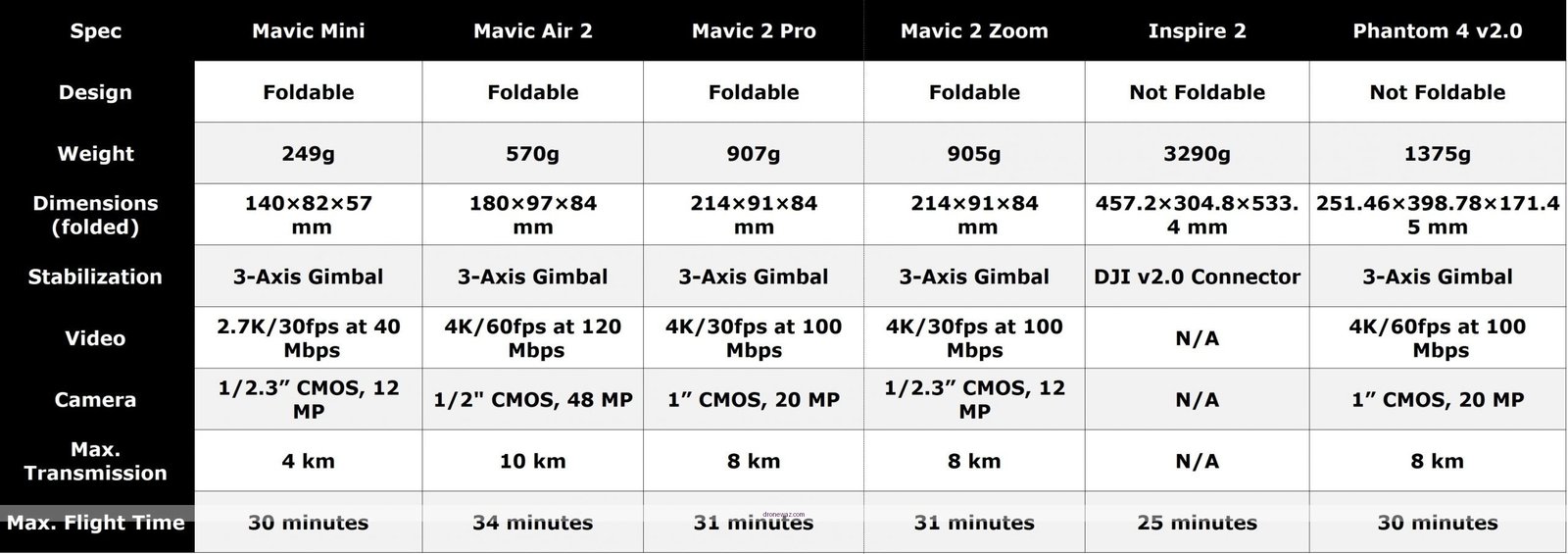
The DJI Phantom series is celebrated for its exceptional stability and flight performance, particularly in windy conditions, making it the preferred option for professional filmmakers and serious drone enthusiasts. Models like the Phantom 4 Pro feature larger camera sensors and advanced gimbal stabilization, which are essential for users who prioritize high-quality media production. The Phantom’s extensive customization options and compatibility with additional accessories attract advanced users looking to enhance their drone experience, whereas the Mavic’s simpler design may limit opportunities for upgrades. If you require a drone capable of handling demanding conditions and delivering superior footage, the Phantom is the clear choice.
Head-to-Head Comparison Table
| Feature / Criteria | ✅ DJI Mavic | ✅ DJI Phantom |
|---|---|---|
| Weight | 743 grams | 1,380 grams |
| Camera Resolution | 12 MP – 48 MP (depending on model) | 12 MP – 20 MP (depending on model) |
| Battery Life | Up to 30 minutes | Up to 28 minutes |
| Max Range | 8 km | 5 km |
| Stabilization | 3-axis gimbal | 3-axis gimbal |
| Portability | Foldable design | Fixed design |
| Price | Starting at $799 | Starting at $1,199 |
Our Verdict
Opt for the DJI Mavic if you’re a casual user or frequently travel. Its portability, user-friendly design, and excellent camera performance cater perfectly to social media content creation. On the other hand, choose the DJI Phantom if you’re a professional filmmaker or photographer who prioritizes image quality and stability. The Phantom series offers advanced features that justify its higher price point, making it a more suitable option for high-stakes projects. Ultimately, each model targets specific user needs, underscoring the importance of evaluating your personal requirements before making a purchase.
When the Answer Flips
If you often fly in challenging weather conditions or need long-range capabilities for tasks like mapping or surveying, the DJI Phantom may become your preferred choice over the Mavic. In situations where the drone’s size and weight are less critical—such as dedicated aerial photography projects—the Phantom’s superior camera quality and stability can outweigh the Mavic’s portability advantages. Additionally, users looking to upgrade their drone with accessories or seeking a more customizable platform should consider the Phantom, as it supports a broader range of aftermarket modifications compared to the Mavic.
Additional Insights
In conclusion, the DJI Mavic and Phantom series each present unique advantages tailored to different users. The Mavic shines for those who value convenience and mobility, while the Phantom is designed for those who demand the highest quality and performance in aerial imaging. The key to a successful purchase lies in understanding your specific needs and aligning them with the features offered by these remarkable drones.
Frequently Asked Questions
What are the main features to consider when reviewing DJI drones?
When reviewing DJI drones, it’s crucial to consider features such as camera quality, flight time, range, and stabilization technology. Additionally, look for user-friendly controls, intelligent flight modes, and the drone’s overall build quality. These aspects greatly influence the drone’s performance and user experience, especially for photographers and videographers.
How do DJI drones compare to other brands in terms of performance?
DJI drones generally outperform many competitors in terms of flight stability, camera capabilities, and innovative technology features. The advanced gimbal systems and high-resolution cameras found in DJI models like the Mavic and Phantom series provide superior image quality and smooth footage. This makes them a top choice for both hobbyists and professionals seeking reliability and excellence.
Why should I choose a DJI drone for aerial photography?
Choosing a DJI drone for aerial photography is beneficial due to its exceptional camera technology and advanced stabilization features. DJI models often come equipped with high-quality lenses and sensors, allowing for stunning 4K video and high-resolution images. The intuitive flight modes and smart features, like ActiveTrack and Waypoints, also make capturing professional-grade shots easier.
What is the best DJI drone for beginners?
The DJI Mini 2 is often considered the best drone for beginners due to its compact size, lightweight design, and user-friendly features. It offers impressive flight time of up to 31 minutes and 4K video capabilities, allowing new pilots to explore aerial photography without overwhelming complexity. Additionally, its built-in safety features help ensure a secure flying experience for novices.
Which DJI drone offers the longest battery life?
The DJI Mavic 3 boasts one of the longest battery lives among DJI drones, providing up to 46 minutes of flight time under optimal conditions. This extended battery life allows users to capture more footage without frequent interruptions for recharging. The Mavic 3’s advanced power management and efficient design contribute to its impressive longevity in the air.
References
- DJI
https://en.wikipedia.org/wiki/DJI_Innovations - https://www.bbc.com/news/technology-50825684
https://www.bbc.com/news/technology-50825684 - https://www.theguardian.com/technology/2021/apr/19/dji-drones-review
https://www.theguardian.com/technology/2021/apr/19/dji-drones-review - https://www.nytimes.com/2021/07/01/technology/dji-drones.html
https://www.nytimes.com/2021/07/01/technology/dji-drones.html - https://scholar.google.com/scholar?q=dji+drones+review Google Scholar
https://scholar.google.com/scholar?q=dji+drones+review - Google Scholar Google Scholar
https://scholar.google.com/scholar?q=dji+drones+technology - Google Scholar Google Scholar
https://scholar.google.com/scholar?q=dji+drones+performance - https://www.sciencedirect.com/topics/engineering/drones
https://www.sciencedirect.com/topics/engineering/drones - https://www.nature.com/articles/s41598-020-70872-4
https://www.nature.com/articles/s41598-020-70872-4 - https://pubmed.ncbi.nlm.nih.gov/33124661
https://pubmed.ncbi.nlm.nih.gov/33124661
