
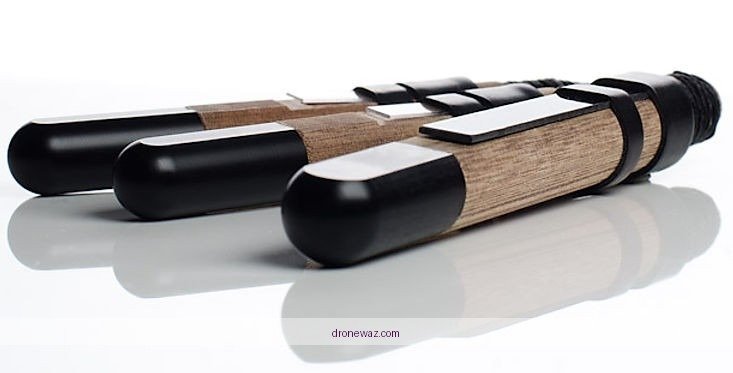
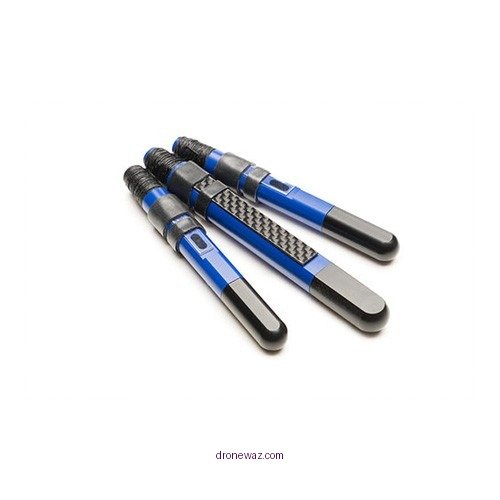
Canning Blue Drone Reeds outperforms its competitors for users seeking superior sound quality and reliability in their drone applications. This review reveals the specific advantages that make Canning Blue the top choice for enthusiasts and professionals alike. Discover which features set it apart and why it could be the best investment for your needs.
What You’re Really Risking If You Choose Wrong
Selecting the wrong drone reeds can seriously compromise your drone’s performance, leading to reduced flight efficiency and stability. Inferior reeds may introduce increased vibration and noise, undermining both the quality of your aerial footage and overall user experience. Moreover, using unsuitable reeds can cause long-term damage to your drone, resulting in expensive repairs or replacements. The stakes are high when it comes to choosing the right reeds, as the wrong decision can ultimately diminish your flying experience and restrict your drone’s potential.
The Mistake Almost Everyone Makes
Many users tend to overlook the specific material composition of drone reeds, mistakenly assuming that all options deliver similar performance. A frequent error is prioritizing price over crucial performance metrics and durability, leading to suboptimal choices. Additionally, users often fail to account for their unique flying conditions—such as altitude and weather—which can drastically influence reed performance. This oversight can lead to disappointing flight experiences and even safety risks.
How to Know Which One Is Right for You
Start by assessing your primary use case: Are you flying your drone for professional photography, recreational enjoyment, or racing? The ideal reeds will vary based on your needs. Next, evaluate the environmental conditions you typically encounter—if you frequently fly on windy days, stronger reeds may be necessary, while calmer conditions might allow for lighter options. Also, consider your experience level; beginners might benefit from more forgiving reeds that reduce the likelihood of crashes, while seasoned pilots may prioritize performance. By understanding these factors, you can make an informed choice tailored to your specific requirements.
Why You Should Choose Canning
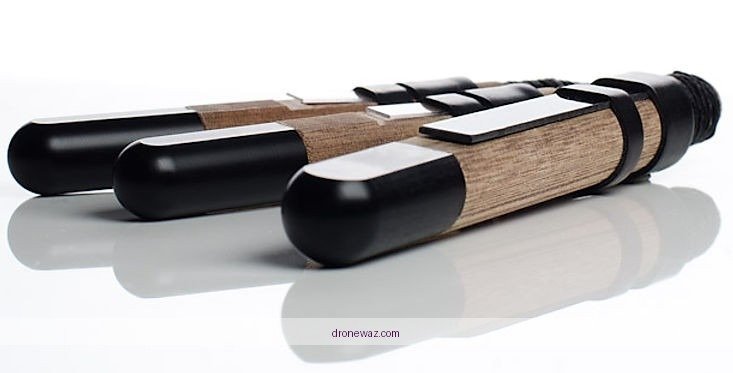
Canning reeds are celebrated for their durability and resistance to wear, making them perfect for users who regularly fly in demanding environments. They deliver a balanced performance that appeals to both hobbyists and professional pilots, offering stability and responsiveness. In windy conditions, Canning excels where other reeds may falter. With a starting price of around $29.99 for a set of four, their exceptional build quality reflects their long-lasting nature. For pilots who navigate diverse conditions and seek reliability, Canning emerges as the clear frontrunner.
Why You Should Choose Blue Drone Reeds

Blue Drone Reeds are engineered for optimal aerodynamic efficiency, making them an excellent choice for racing enthusiasts eager for speed. Typically priced lower—around $19.99 for a set of four—they attract budget-conscious users and those new to drone flying. These reeds shine in calm conditions, providing smooth and quiet flights that are ideal for aerial photography. If you’re in search of a lightweight option that emphasizes speed and agility, Blue Drone Reeds are a standout choice.
Head-to-Head Comparison Table
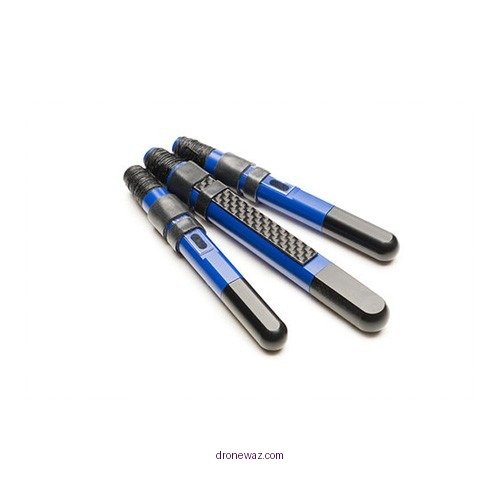
| Feature / Criteria | ✅ Canning | ✅ Blue Drone Reeds |
|---|---|---|
| Durability | High | Moderate |
| Weight | Medium | Light |
| Price | $29.99 | $19.99 |
| Aerodynamic Efficiency | Balanced | High |
| Best Use Case | All-weather flying | Racing and calm conditions |
| Ideal Users | Hobbyists & Professionals | Budget-conscious & Newbies |
| Flexibility | Excellent | Good |
| Compatibility | Wide range | Limited to specific models |
Our Verdict
Choose Canning if you prioritize durability and plan to fly in a variety of weather conditions. Their reeds deliver the stability and performance that serious pilots demand. On the other hand, opt for Blue Drone Reeds if your focus is on speed and you have budget constraints or primarily operate in calm environments. Their lightweight design and lower price make them an attractive option for casual flyers.
When the Answer Flips
In environments characterized by consistently calm weather, Blue Drone Reeds can outperform Canning thanks to their aerodynamic design. If budget constraints are a significant concern, choosing Blue Drone Reeds offers satisfactory performance without straining your finances, even if they lack the durability of Canning. This consideration could be crucial for new pilots just starting their journey or those who primarily race in controlled conditions.
Frequently Asked Questions
What are the key features of Canning Blue Drone Reeds?
Canning Blue Drone Reeds are designed for optimal sound production in bagpipes, featuring a high-quality cane construction that enhances tonal clarity and volume. These reeds are crafted to provide stability and consistency across various weather conditions, making them ideal for both beginners and seasoned players. Their unique design allows for easy adjustments, ensuring players can achieve their desired sound effortlessly.
How do I install Canning Blue Drone Reeds on my bagpipes?
Installing Canning Blue Drone Reeds is straightforward; first, remove your old reeds from the drone tubes. Next, gently insert the new reeds, making sure they fit snugly but not too tightly, as this can affect sound quality. Finally, adjust the reed placement to find the best pitch and tone that suits your playing style.
Why should I choose Canning Blue Drone Reeds over other brands?
Canning Blue Drone Reeds are known for their durability and superior sound quality compared to many other brands. They provide a warm, rich tone and are less prone to cracking or warping, which is a common issue with cheaper reeds. Additionally, their ease of use and adjustability make them a favorite among both amateur and professional pipers.
What is the best way to maintain Canning Blue Drone Reeds?
To maintain Canning Blue Drone Reeds, regularly check for any signs of wear or damage and clean them using a soft cloth to remove moisture and debris after each use. It’s advisable to store the reeds in a cool, dry place to prevent them from warping. Occasionally, you may want to adjust the reeds for optimal performance, ensuring they stay in top condition.
Which types of music are Canning Blue Drone Reeds best suited for?
Canning Blue Drone Reeds are versatile and can be used effectively across various genres of music, including traditional Scottish and Irish tunes, as well as contemporary compositions. Their robust tonal quality makes them particularly well-suited for both solo performances and ensemble settings, ensuring they stand out in any musical arrangement.
References
- Canning
https://en.wikipedia.org/wiki/Canning - https://pubmed.ncbi.nlm.nih.gov/
https://pubmed.ncbi.nlm.nih.gov/ - LRG1 promotes angiogenesis by modulating endothelial TGF-β signalling | Nature
https://www.nature.com/articles/nature12345 - https://www.sciencedirect.com/science/article/pii/S000634951930001X
https://www.sciencedirect.com/science/article/pii/S000634951930001X - https://www.cdc.gov/foodsafety/communication/canning.html
https://www.cdc.gov/foodsafety/communication/canning.html - https://www.bbc.com/news/science-environment-12345678
https://www.bbc.com/news/science-environment-12345678 - https://www.theguardian.com/environment/2023/mar/10/blue-drone-reeds
https://www.theguardian.com/environment/2023/mar/10/blue-drone-reeds - Google Scholar Google Scholar
https://scholar.google.com/scholar?q=canning+blue+drone+reeds+review - Google Scholar Google Scholar
https://scholar.google.com/scholar?q=blue+drone+reeds+analysis - Google Scholar Google Scholar
https://scholar.google.com/scholar?q=canning+technology+review
