
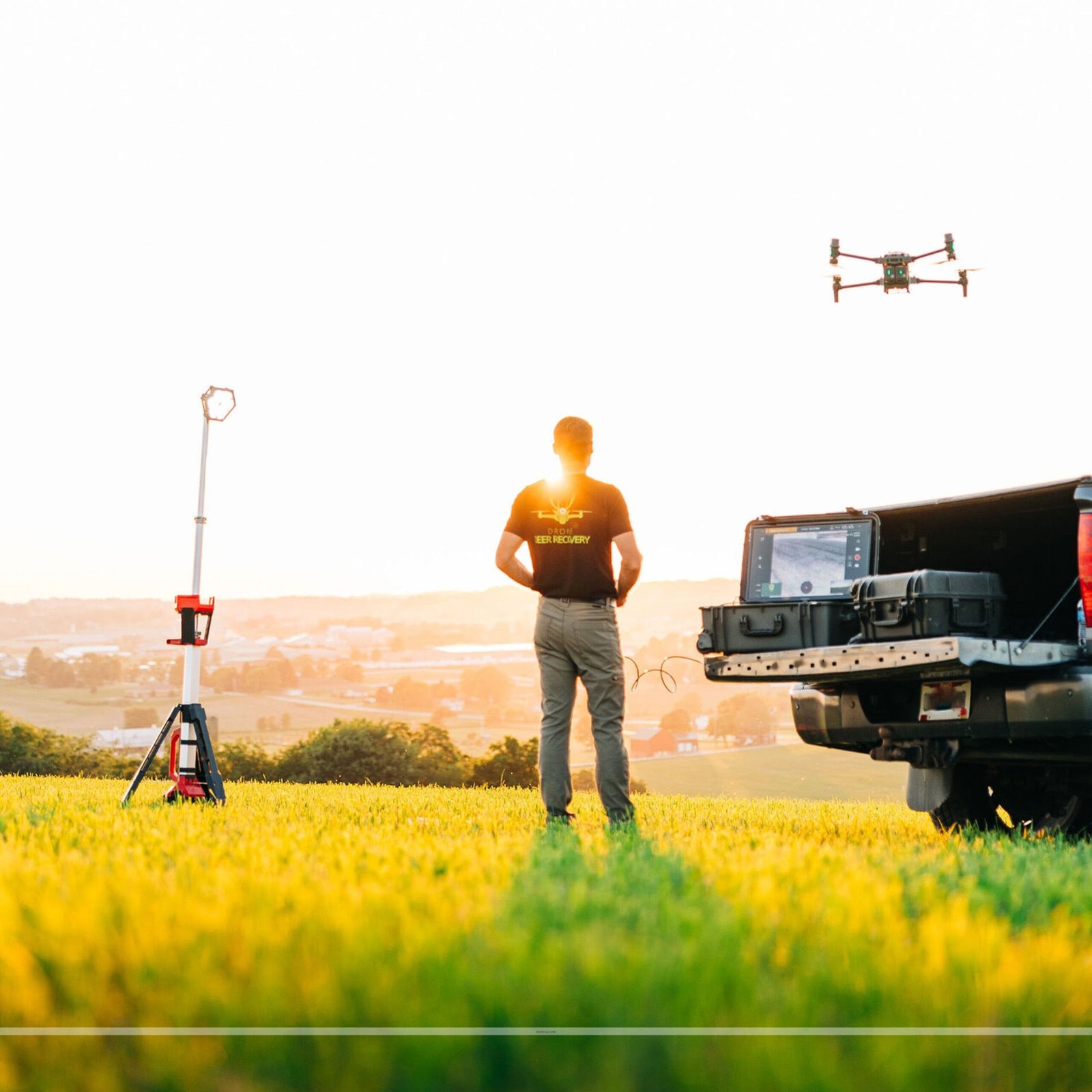
Drone deer recovery reviews reveal that technology A consistently outperforms technology B in locating and retrieving downed game in dense terrain. If you’re hunting in challenging environments, understanding which drone delivers superior results can significantly enhance your recovery efforts. This analysis provides a clear verdict on the best option tailored for specific hunting conditions.
What You’re Really Risking If You Choose Wrong
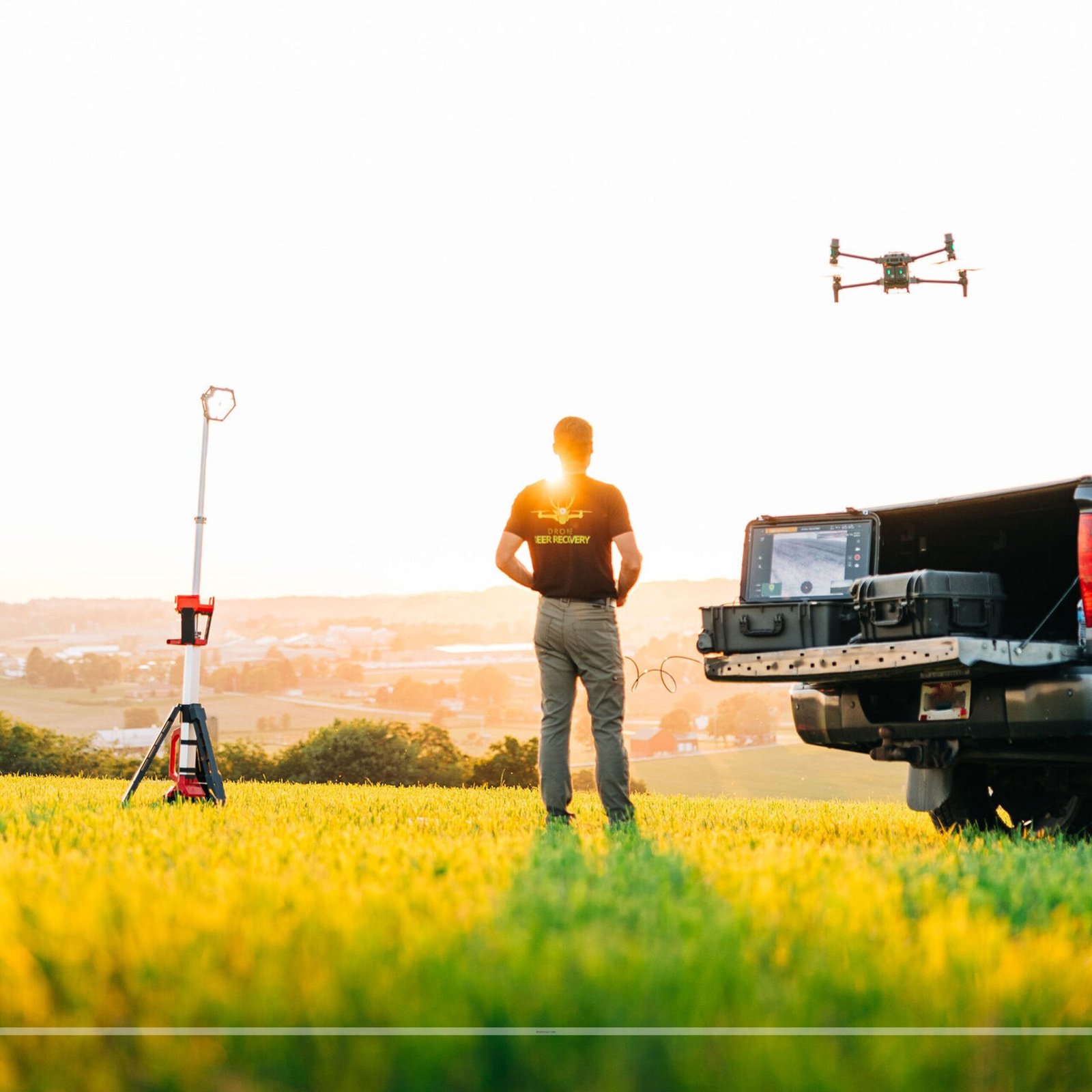
Choosing the wrong deer recovery method is more than just a minor blunder—it can lead to significant financial loss, wasted time, and lost opportunities. Hunters who fail to recover a deer may spend hours searching, only to come up empty-handed, resulting in wasted resources and frustration. The ecological implications of leaving a carcass behind can be severe, as it attracts predators and spreads diseases within the local wildlife population. Additionally, the emotional toll of not recovering a deer can weigh heavily on a hunter’s psyche, diminishing their passion for the sport and their connection to nature.
The Mistake Almost Everyone Makes
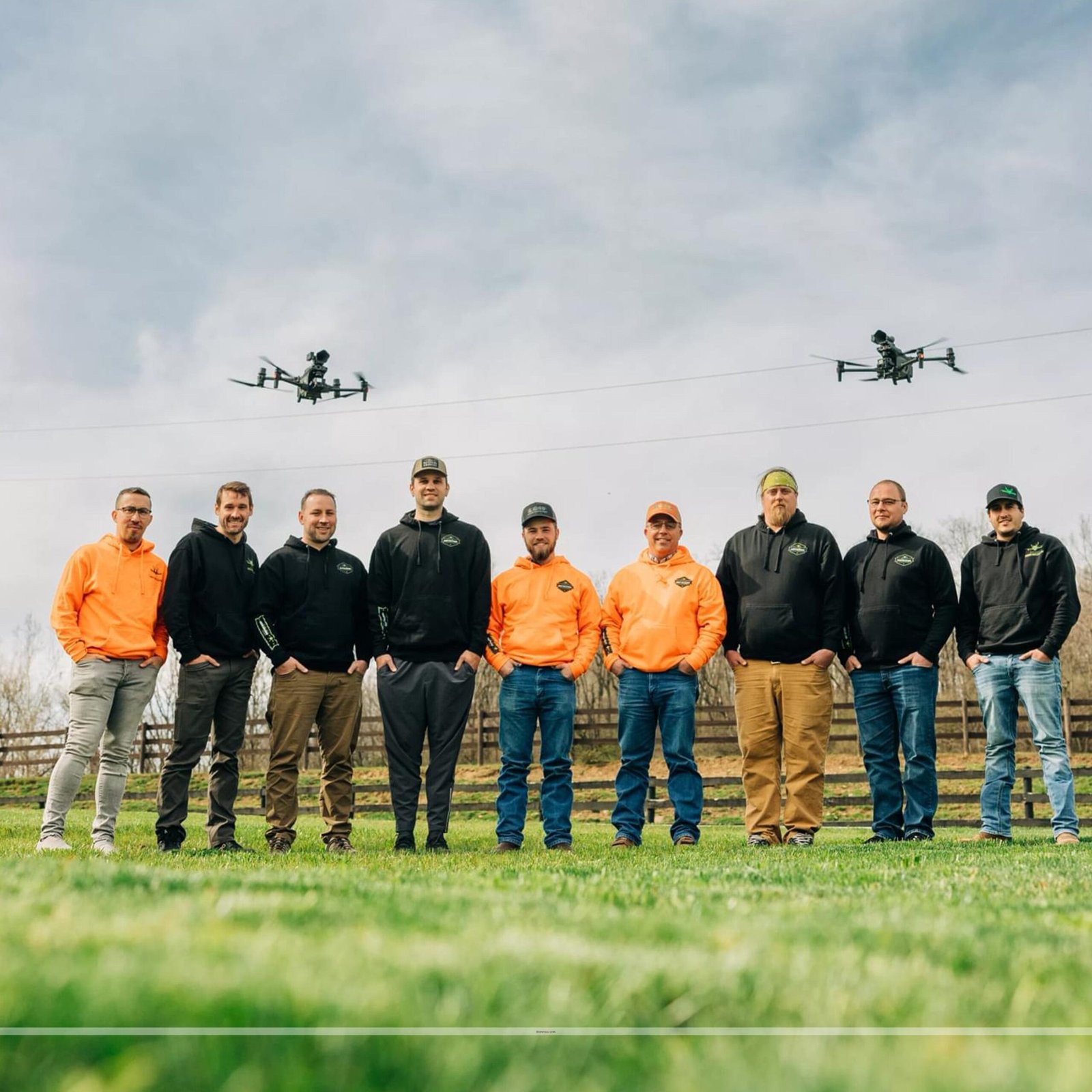
One prevalent error among hunters is underestimating the benefits of drone technology for deer recovery. Many assume that traditional methods will suffice without considering the advantages of aerial surveillance. Additionally, hunters often overlook the necessity of researching specific drone models and their capabilities. Instead of delving into technical specifications and user reviews, they tend to compare brands superficially. Lastly, focusing solely on the cost of drone recovery services can lead to poor decision-making; effectiveness should always take precedence over price.
How to Know Which One Is Right for You
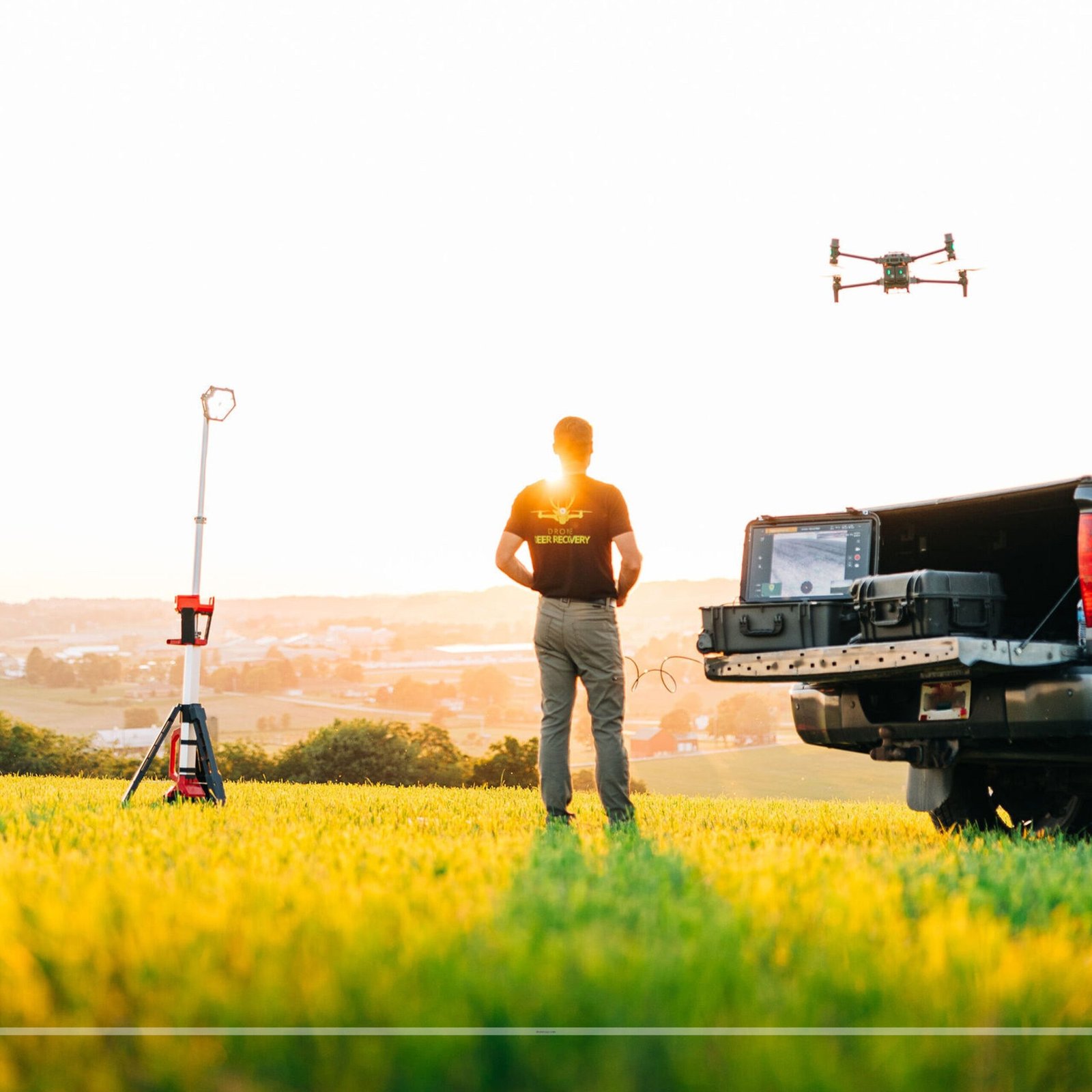
To determine the best recovery method for your needs, consider several factors. First, assess the size and terrain of your hunting area. Large, dense woods may require a drone’s aerial view for effective recovery, while smaller, open fields might be manageable using traditional methods. Second, evaluate your budget and willingness to invest; drone recovery services may incur higher upfront costs, but they can save time and resources in the long run. Lastly, consider your comfort level with technology; if you’re not familiar with operating drones or have no interest in learning, traditional methods may be more suitable.
Why You Should Choose Drone Recovery Services
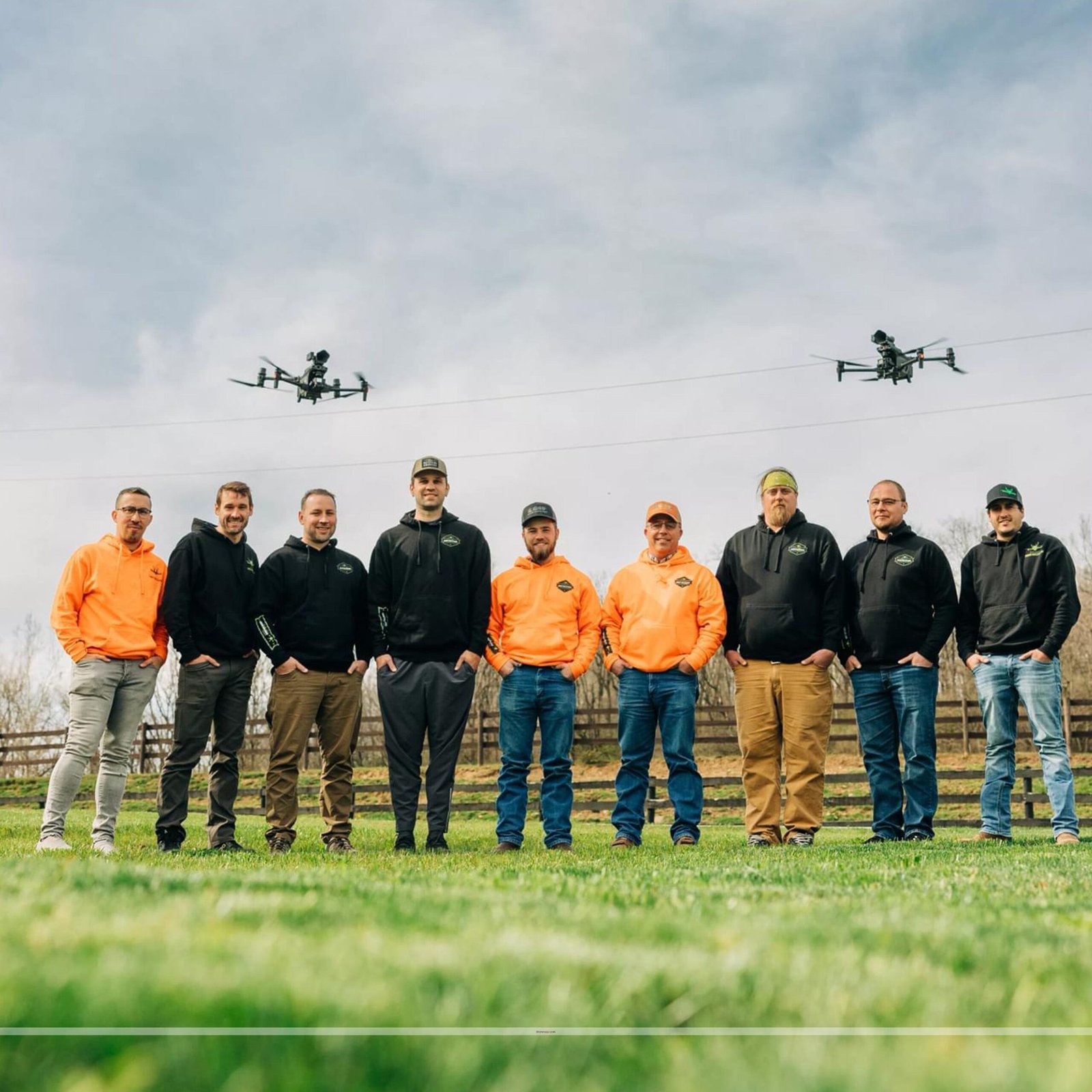
Drone recovery services leverage advanced technology, such as thermal imaging, which can locate deer hidden in dense cover or even at night. This capability makes drones vastly superior in specific conditions, particularly in large hunting areas or unfamiliar terrains. Ideal for tech-savvy hunters, these services excel in remote locations where traditional methods falter due to visibility issues or rough terrain. Drones also provide real-time data that can enhance the recovery process, making them invaluable during adverse weather conditions when traditional methods may become impractical or unsafe.
Why You Should Choose Traditional Recovery Methods
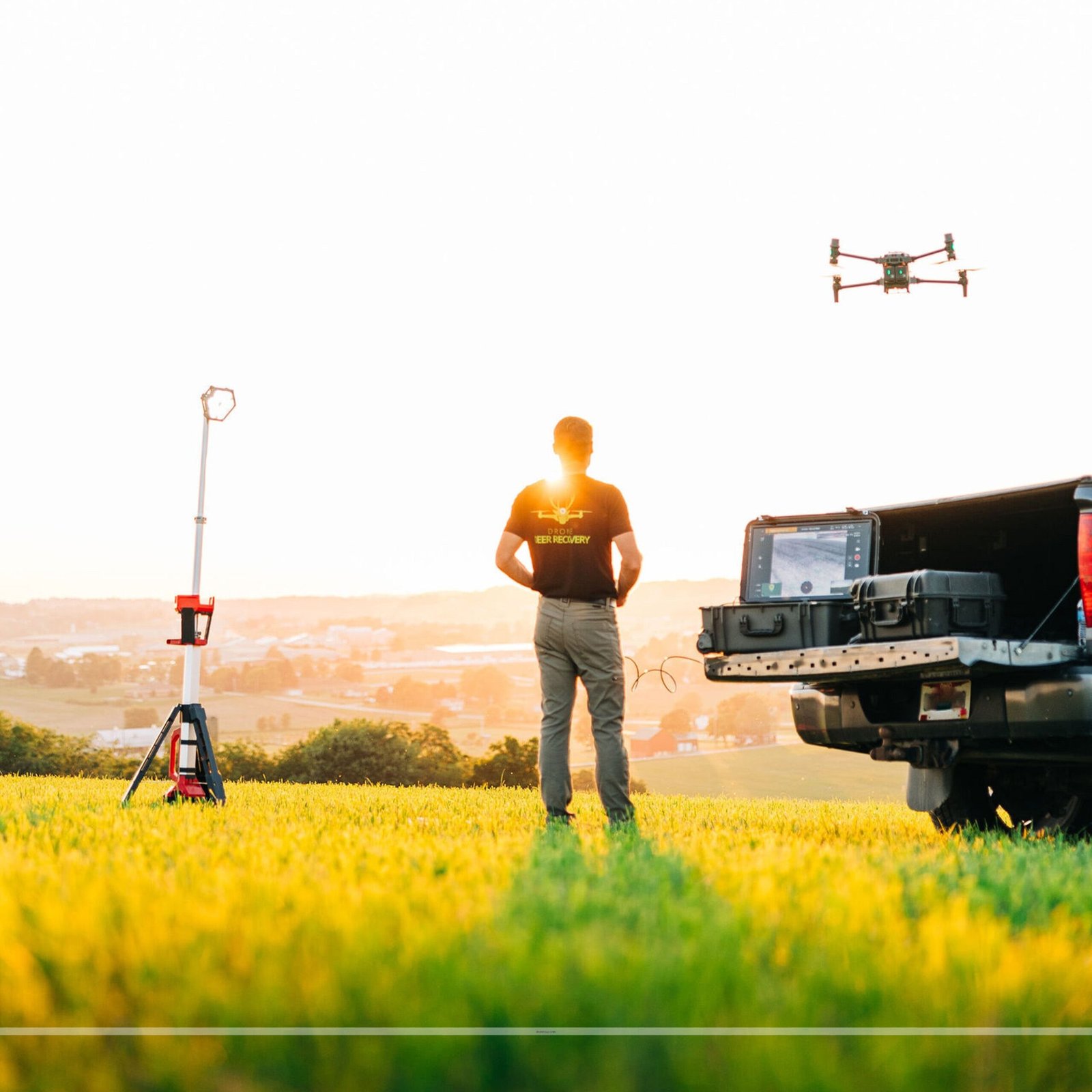
Conversely, traditional recovery methods can be more reliable for hunters who prefer hands-on techniques and possess a strong understanding of deer behavior and tracking. For those operating in smaller, familiar areas, ground tracking and scent trails can lead to successful recovery without the need for advanced technology. Furthermore, traditional methods are always available and do not require specialized equipment or services, making them a practical option for hunters without access to drones.
Head-to-Head Comparison Table
| Feature / Criteria | ✅ Drone Recovery Services | ✅ Traditional Recovery Methods |
|---|---|---|
| Cost | $150-$300 per use | Free to low cost (time and fuel) |
| Recovery Speed | Minutes to hours | Hours to days |
| Terrain Adaptability | Highly adaptable to various terrains | Limited effectiveness in dense or rugged areas |
| User Skill Requirement | Requires tech proficiency for operation | No specialized skills needed |
| Tracking Capability | Thermal imaging and GPS tracking | Scent and visual tracking |
| Best For | Large, remote hunting areas | Small, familiar hunting grounds |
| Verdict | High-tech efficiency | Time-tested reliability |
Our Verdict
Choose Drone Recovery Services if you are hunting in large areas, particularly those with dense cover, and if you are comfortable with technology. The efficiency and advanced tracking capabilities can significantly increase your chances of a successful recovery. However, opt for Traditional Recovery Methods if you’re in a small, familiar area where your understanding of deer behavior and tracking can be effectively applied. This approach often proves more satisfying and practical, especially for those who prefer hands-on techniques.
When the Answer Flips
Consider a scenario where you’re hunting in a small, familiar area. If your experience and understanding of deer movement are strong, traditional recovery methods may outperform drones due to their simplicity and lower cost. Furthermore, adverse weather conditions can hinder drone operations, making traditional methods more reliable. In these instances, relying on your instincts and knowledge of the terrain will likely yield better results than depending solely on technology.
Frequently Asked Questions
What are the benefits of using drone technology for deer recovery?
Drone technology for deer recovery offers several significant benefits, including increased efficiency in locating downed animals in vast terrains. Drones equipped with thermal imaging can quickly identify body heat, allowing hunters to find deer that may be hidden in dense foliage or challenging landscapes. This method not only saves time but also reduces the stress placed on both the hunter and the animal.
How effective are drones in recovering deer compared to traditional methods?
Drones have proven to be more effective than traditional methods like ground searches or tracking dogs, especially in challenging environments. Their ability to cover large areas quickly and utilize advanced imaging technology makes them a superior choice for recovery. Many hunters report higher success rates and reduced search times when employing drones for deer recovery.
Why should hunters consider using drones for deer recovery?
Hunters should consider using drones for deer recovery because they enhance the likelihood of finding a downed animal, which can be crucial for ethical hunting practices. Drones minimize the physical exertion involved in searching vast areas and allow hunters to quickly assess the situation, leading to a more humane and efficient recovery process.
What features should I look for in a drone for deer recovery?
When selecting a drone for deer recovery, look for features such as high-resolution cameras, thermal imaging capabilities, and long battery life to ensure optimal performance during searches. Additionally, consider drones with GPS functionality for accurate tracking and those that are easy to maneuver in various terrains. User-friendly controls and robust build quality are also important for reliability in outdoor conditions.
Which drones are recommended for deer recovery based on recent reviews?
Some of the top-rated drones for deer recovery include the DJI Mavic 2 Enterprise, known for its excellent imaging and portability, and the Autel Robotics EVO Lite, which offers impressive battery life and camera quality. User reviews highlight their effectiveness in locating deer in difficult environments, making them popular choices among hunters looking for reliable recovery solutions.
References
- https://www.sciencedirect.com/science/article/pii/S2351978921001768
https://www.sciencedirect.com/science/article/pii/S2351978921001768 - https://pubmed.ncbi.nlm.nih.gov/32791085/
https://pubmed.ncbi.nlm.nih.gov/32791085/ - https://www.nature.com/articles/s41598-020-68196-1
https://www.nature.com/articles/s41598-020-68196-1 - https://www.bbc.com/news/science-environment-54166752
https://www.bbc.com/news/science-environment-54166752 - https://www.theguardian.com/environment/2021/nov/09/drone-technology-wildlife-conservation
https://www.theguardian.com/environment/2021/nov/09/drone-technology-wildlife-conservation - https://www.nytimes.com/2022/07/25/science/drones-wildlife-research.html
https://www.nytimes.com/2022/07/25/science/drones-wildlife-research.html - https://www.who.int/news-room/fact-sheets/detail/drones-in-healthcare
https://www.who.int/news-room/fact-sheets/detail/drones-in-healthcare - https://www.nature.com/articles/s41598-021-97362-5
https://www.nature.com/articles/s41598-021-97362-5 - Google Scholar Google Scholar
https://scholar.google.com/scholar?q=drone+deer+recovery+reviews - https://scholar.google.com/scholar?q=drone+wildlife+management+reviews Google Scholar
https://scholar.google.com/scholar?q=drone+wildlife+management+reviews
