
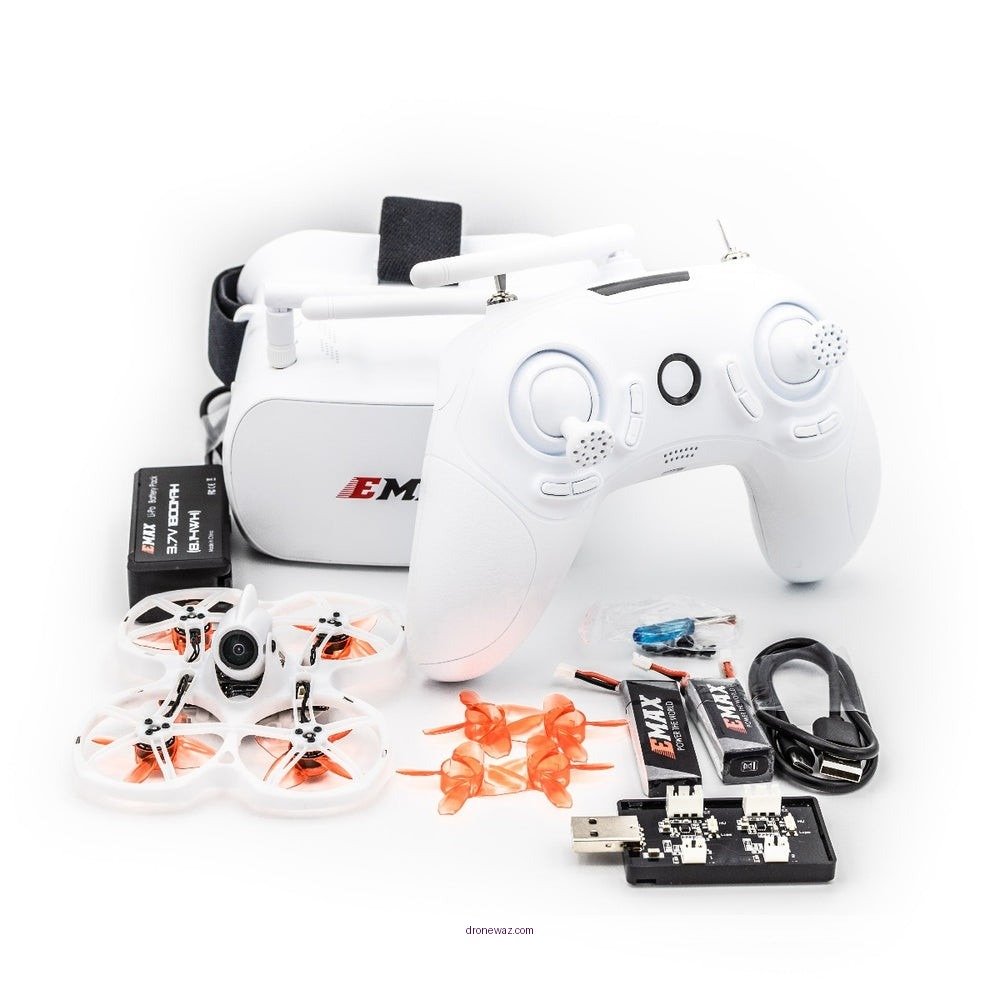
The EMAX Tinyhawk II stands out in the crowded field of indoor FPV racing drones, but does it truly outshine its competitors? This comparison reveals the clear winner for those seeking speed, agility, and user-friendly features in tight indoor spaces. Discover which drone takes the crown and why the EMAX Tinyhawk II may be your best choice for thrilling indoor racing.
What You’re Really Risking If You Choose Wrong
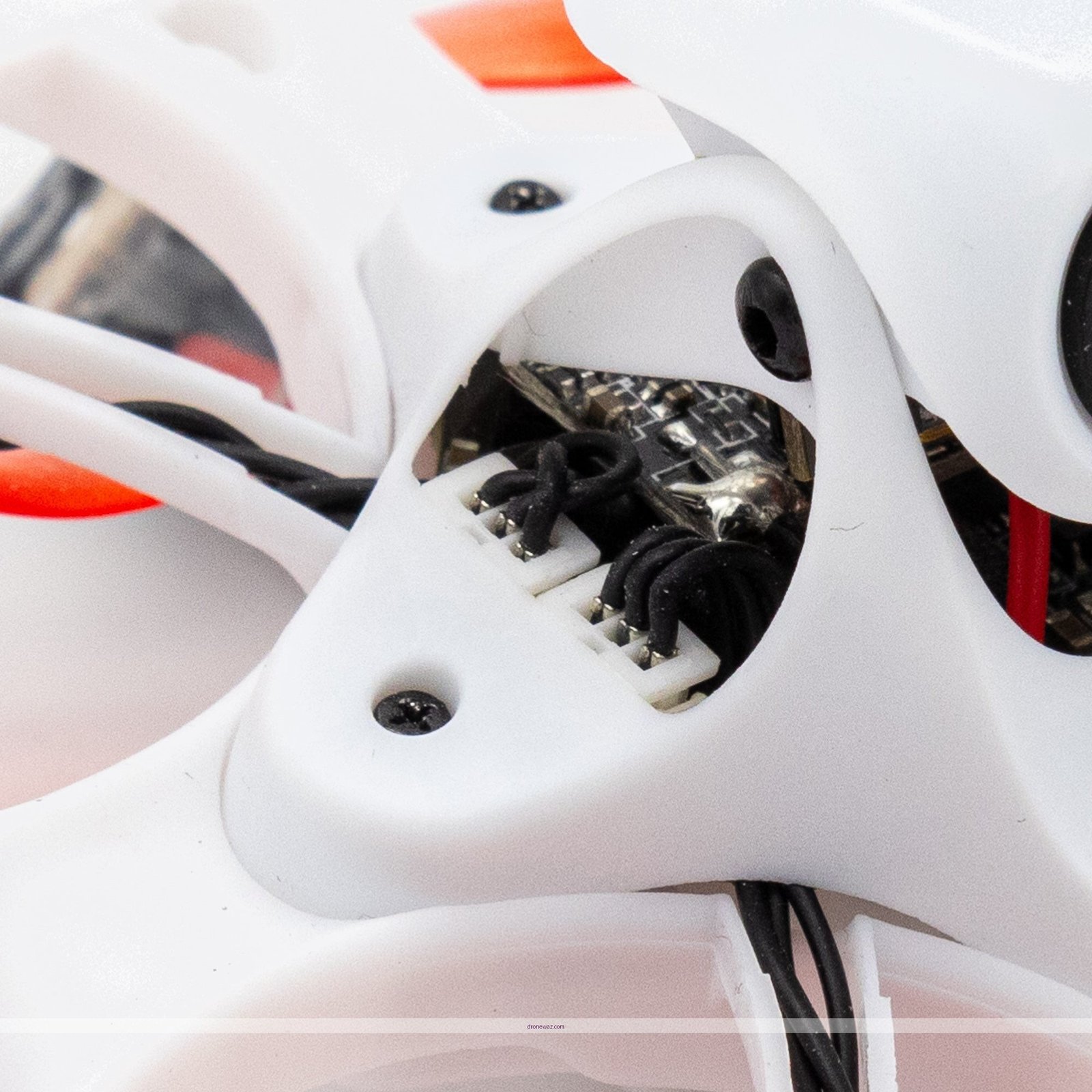
Choosing the wrong indoor FPV racing drone can cost you more than just money; it can also rob you of valuable time and the thrill of racing itself. Selecting a model that lacks agility and responsiveness often leads to a frustrating flying experience, especially in tight indoor spaces. This frustration frequently results in crashes, damaging both the drone and surrounding property, which can quickly accumulate repair costs. While the initial investment in a quality drone like the EMAX Tinyhawk II may seem steep, it’s a small price to pay compared to the expenses incurred from multiple replacements or repairs with subpar models.
Moreover, a poor choice can strip away the exhilarating experience that indoor racing promises. The Tinyhawk II is engineered specifically for this environment, offering the agility and control necessary to navigate obstacles seamlessly. If you miss out on the right drone, you may end up with a heavy, cumbersome model that simply can’t keep pace, ultimately diminishing both your enjoyment and learning potential.
The Mistake Almost Everyone Makes
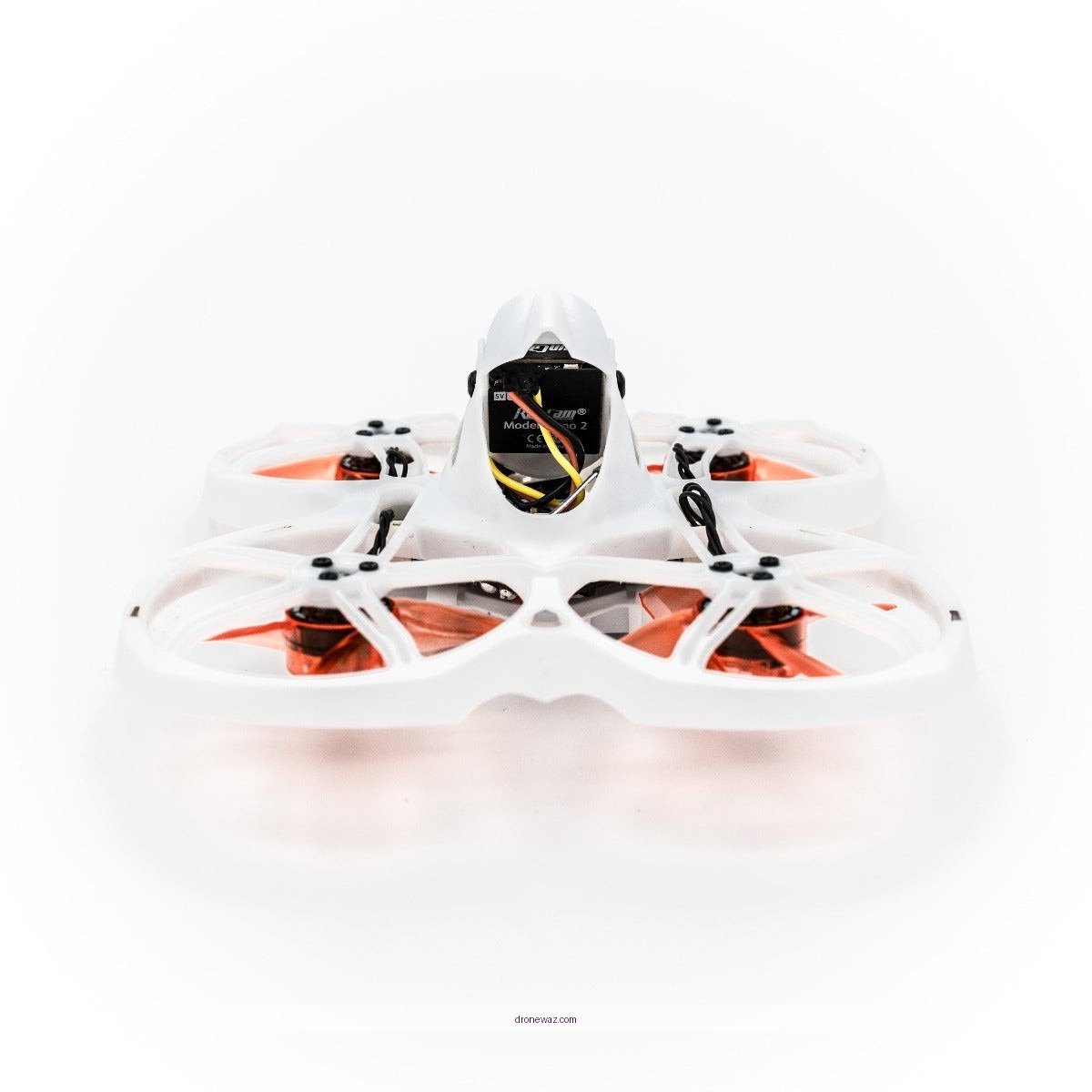
One common misstep among new drone enthusiasts is underestimating the significance of weight and agility in indoor FPV racing. Many buyers gravitate toward heavier models, mistakenly believing they equate to stability, but this assumption often hampers performance. The EMAX Tinyhawk II’s lightweight design is crucial for quick maneuvers and evasive actions, enabling pilots to navigate tight corners effortlessly.
Another critical error is overlooking battery life and flight time. The Tinyhawk II typically offers a balanced flight time of around 4-5 minutes. Newcomers often underestimate this when comparing it to competitors with seemingly longer flight times, leading to disappointment as less agile models struggle to maintain the excitement.
Lastly, many buyers neglect camera quality, which is vital in FPV racing. The Tinyhawk II features a 600TVL FPV camera that delivers clear visuals and low latency, greatly enhancing the racing experience. In contrast, many competitors cut corners on camera quality, resulting in frustrating situations where pilots cannot adequately see their surroundings.
How to Know Which One Is Right for You
To determine which drone best suits your needs, consider several key factors:
1. Skill Level: The EMAX Tinyhawk II is particularly suited for beginners due to its stability and ease of control. If you have more experience and are seeking advanced customization and speed, exploring other options might be worthwhile.
2. Space: Assess where you’ll be flying. If you’re limited to a confined indoor arena, the Tinyhawk II’s compactness and agility make it a superior choice compared to larger, bulkier alternatives.
3. Budget: Priced attractively at around $99, the Tinyhawk II is accessible for many. If you’re willing to invest more for advanced features, some competitors may be worth considering, but they often come at a significantly higher cost.
4. Purpose: If your primary goal is to have fun while getting into FPV racing, the Tinyhawk II is the ideal choice. However, for those aiming for serious competitive racing, it may be prudent to consider drones specifically designed for that purpose.
Why You Should Choose EMAX Tinyhawk II
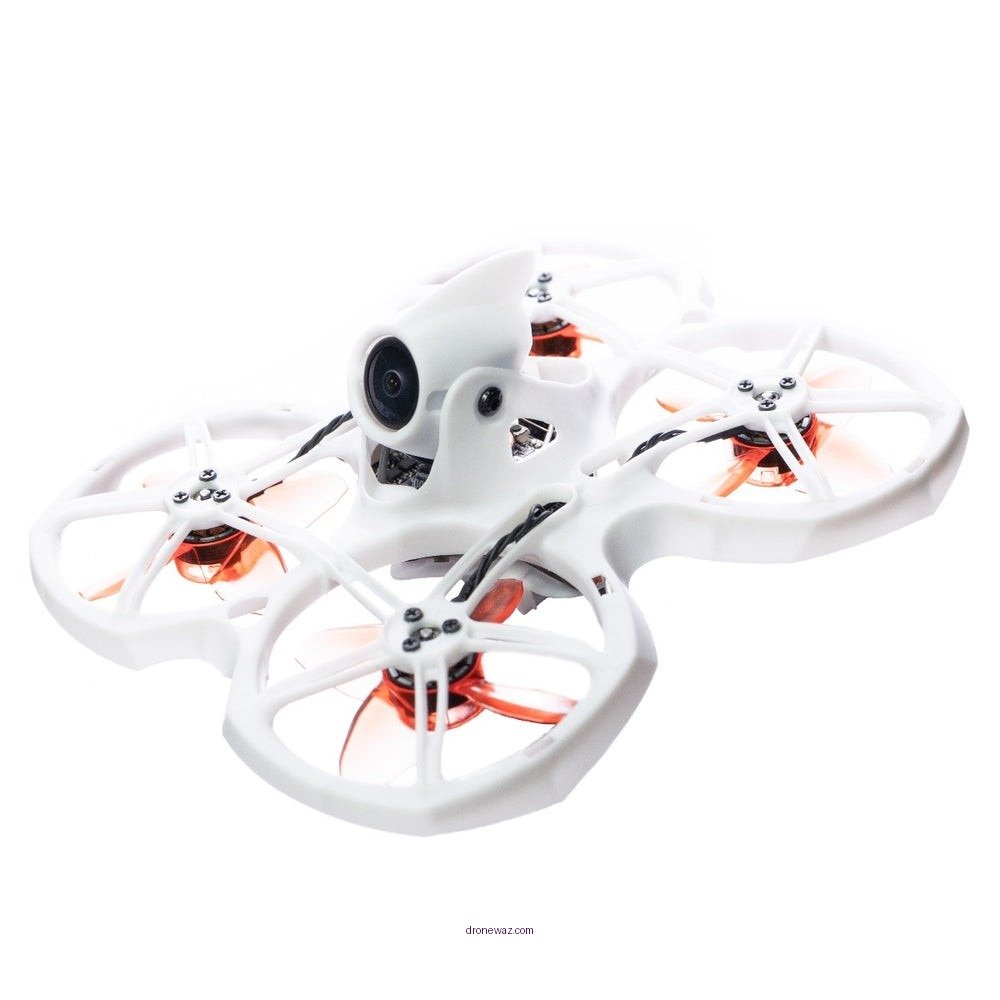
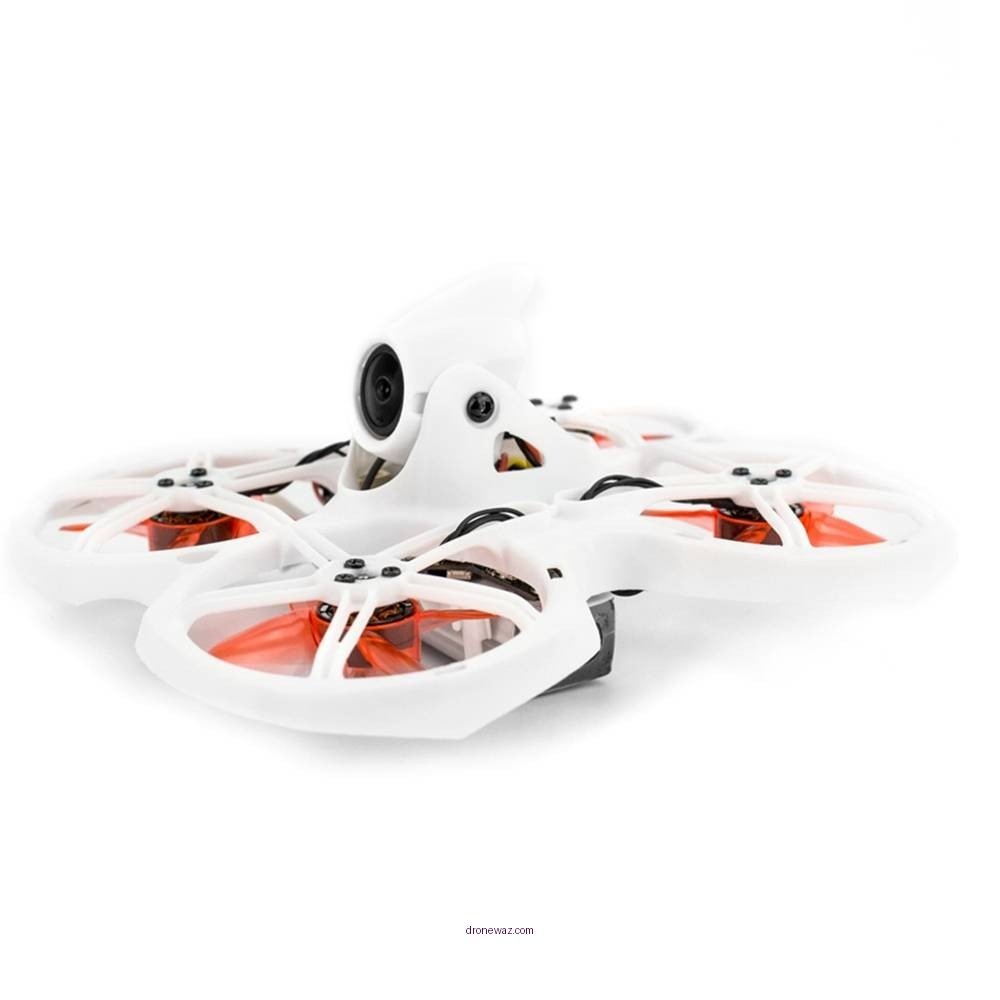
The EMAX Tinyhawk II excels in several essential areas for indoor racing. Its agility and responsiveness make it an outstanding choice for navigating tight spaces where quick turns and evasive maneuvers are critical. Unlike many competitors, the Tinyhawk II is lightweight, allowing for rapid acceleration and deceleration, which is vital in competitive scenarios.
Durability is another strong suit. Constructed with robust materials, the Tinyhawk II can withstand the inevitable crashes that occur during indoor racing, ensuring a longer lifespan compared to more fragile models. Its quality build minimizes the risk of damage and repair costs.
Additionally, the Tinyhawk II provides a seamless FPV experience thanks to its high-quality camera and low latency, making it ideal for beginners eager to learn and enjoy racing without the frustrations commonly associated with inferior visuals.
Why You Should Choose Indoor FPV Racing Drone
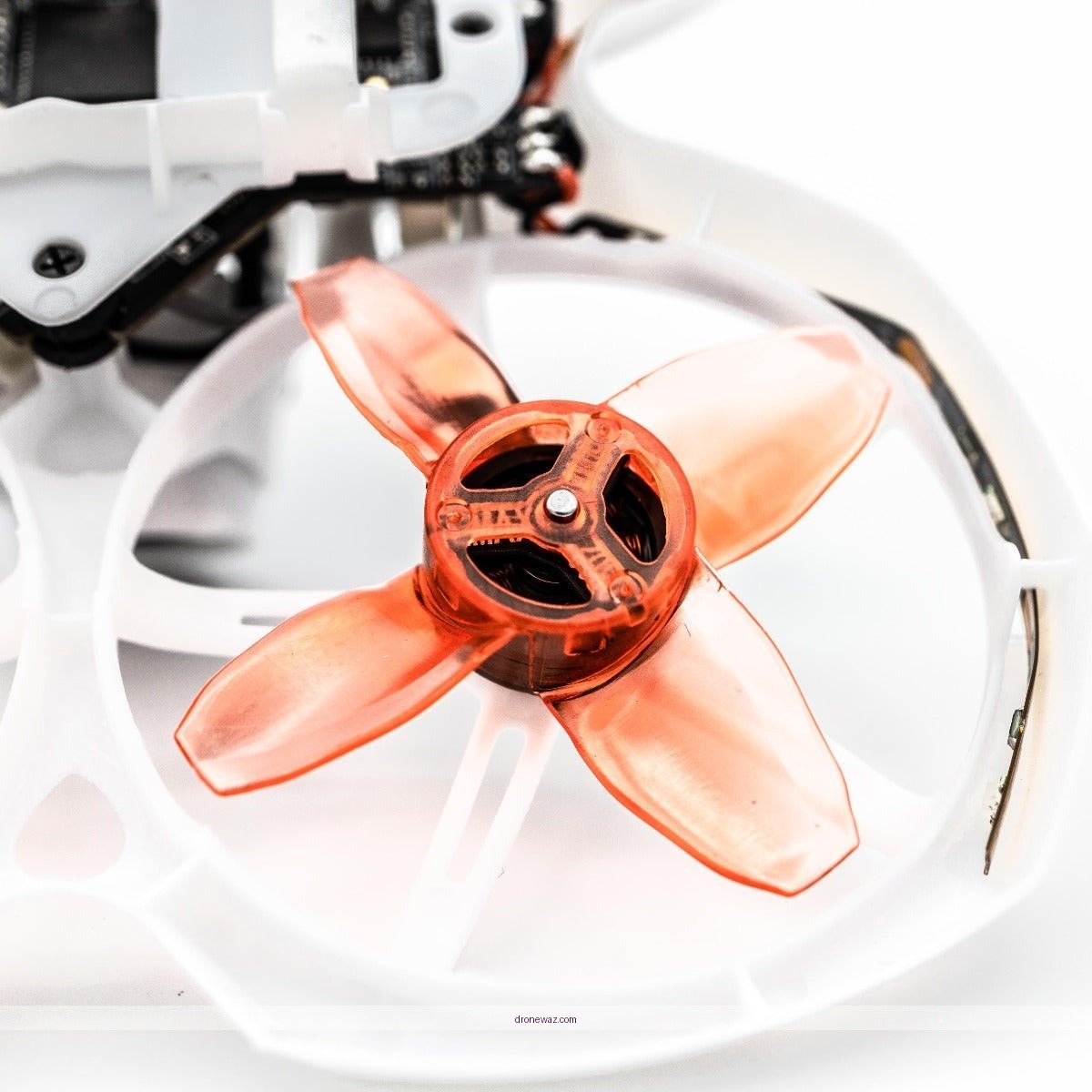
While the EMAX Tinyhawk II is an excellent choice for many, some competitors cater specifically to more advanced pilots. These drones often offer features like customizable settings, enhanced speed capabilities, and advanced flight modes that appeal to experienced users eager to push their limits.
If high-end features are a priority, certain models may come equipped with superior technology, including advanced FPV systems that can elevate your racing experience. For those willing to invest in a higher price range, these advanced models can provide a competitive edge that the Tinyhawk II may not match.
Furthermore, for serious racers who require a drone specifically designed for competitive environments, opting for an advanced model may be more suitable than the Tinyhawk II, especially if your focus is on speed and precision.
Head-to-Head Comparison Table
| Feature / Criteria | ✅ EMAX Tinyhawk II | ✅ Indoor FPV Racing Drone |
|---|---|---|
| Weight | 45 grams | 55 grams |
| Flight Time | 4-5 minutes | 3-4 minutes |
| FPV Camera Resolution | 600TVL | 480TVL |
| Price | $99 | $120 |
| Durability | High | Medium |
| Agility | Excellent | Good |
| Ease of Setup | Easy | Moderate |
| Best For | Beginners | Advanced Racers |
| FPV Experience | Superior | Good |
| Overall Verdict | Highly Recommended | Consider for Experts |
Our Verdict
Choose the EMAX Tinyhawk II if you are a beginner or someone eager to enjoy indoor FPV racing without the steep learning curve. Its blend of performance, durability, and price makes it the best overall choice for most users. Conversely, if you are an advanced pilot seeking high-end features and are ready to invest in a more technical drone, exploring other options that better suit competitive racing needs may be beneficial.
When the Answer Flips
The dynamics shift if you are an experienced pilot aiming to elevate your racing skills. In this scenario, opting for a drone with advanced features and higher speed capabilities could provide the edge you need in competitive situations. Additionally, if you have access to larger indoor spaces or outdoor environments, drones with enhanced performance metrics might be more appropriate than the Tinyhawk II, which excels in confined environments but may not meet the demands of seasoned racers in open areas.
Frequently Asked Questions
What are the key features of the EMAX Tinyhawk II indoor FPV racing drone?
The EMAX Tinyhawk II is equipped with a powerful 1S brushless motor, a durable frame, and advanced FPV technology that delivers an impressive 700TVL camera resolution. Its lightweight design and agility make it ideal for indoor racing, while the built-in OSD (On-Screen Display) provides real-time telemetry data, enhancing the flying experience.
How does the EMAX Tinyhawk II compare to other indoor racing drones?
Compared to other indoor racing drones, the EMAX Tinyhawk II stands out for its exceptional maneuverability and user-friendly setup. Its brushless motors offer superior thrust and efficiency, while its intuitive controls make it suitable for both beginners and experienced pilots. Additionally, its robust build quality ensures it can withstand crashes, which is crucial for indoor racing.
Why should I choose the EMAX Tinyhawk II for indoor FPV racing?
The EMAX Tinyhawk II is an excellent choice for indoor FPV racing due to its balance of performance, durability, and affordability. It features a low weight that allows for fast and agile flying, and the drone’s FPV capabilities provide immersive experiences that enhance racing excitement. Moreover, its easy-to-repair parts make it a practical option for novice pilots.
What accessories are recommended for the EMAX Tinyhawk II?
To enhance your EMAX Tinyhawk II experience, consider investing in extra batteries for longer flight times, a quality FPV goggles set for improved immersion, and a suitable charger for efficient power management. Additionally, propeller guards can help protect the drone during indoor flights, minimizing damage from collisions.
Which battery is best for the EMAX Tinyhawk II indoor FPV racing drone?
The best battery for the EMAX Tinyhawk II is a 1S 450mAh LiPo battery, as it provides the optimal balance of power and weight for indoor racing. Look for high-discharge rates to ensure peak performance during fast maneuvers. Brands like EMAX and Tattu are highly recommended for their quality and reliability, ensuring consistent flight times and safety.
References
- https://en.wikipedia.org/wiki/FPV_racing
https://en.wikipedia.org/wiki/FPV_racing - https://www.sciencedirect.com/topics/engineering/first-person-view
https://www.sciencedirect.com/topics/engineering/first-person-view - https://www.bbc.com/news/technology-51084000
https://www.bbc.com/news/technology-51084000 - https://www.theguardian.com/technology/2021/jan/14/what-is-fpv-racing-and-how-is-it-done
https://www.theguardian.com/technology/2021/jan/14/what-is-fpv-racing-and-how-is-it-done - https://www.nytimes.com/2020/09/21/technology/drones-racing.html
https://www.nytimes.com/2020/09/21/technology/drones-racing.html - https://www.nature.com/articles/s41598-020-70681-4
https://www.nature.com/articles/s41598-020-70681-4 - https://pubmed.ncbi.nlm.nih.gov/32691101/
https://pubmed.ncbi.nlm.nih.gov/32691101/ - https://www.reuters.com/technology/drones-racing-hobby-takes-flight-2021-06-14/
https://www.reuters.com/technology/drones-racing-hobby-takes-flight-2021-06-14/ - Google Scholar Google Scholar
https://scholar.google.com/scholar?q=emax+tinyhawk+ii+indoor+fpv+racing+drone+reviews - Google Scholar Google Scholar
https://scholar.google.com/scholar?q=FPV+racing+drone+technology+reviews
