
The Force 1 Drone stands out against its competitors, proving to be the superior choice for hobbyists seeking ease of use and robust features. This review reveals how it outmatches others in performance, camera quality, and overall value. Discover why the Force 1 Drone is your best option for an enjoyable flying experience.
What You’re Really Risking If You Choose Wrong
Choosing the wrong drone can lead to significant financial loss, wasted time, and missed opportunities. Investing in a drone that fails to meet your expectations means spending more on unnecessary features while still lacking essential capabilities. This is particularly true if you opt for a more expensive competitor based solely on brand reputation, neglecting to consider actual performance.
Moreover, selecting a drone that compromises on critical features—such as flight stability or camera quality—can lead to disappointing experiences. Imagine spending a considerable amount on a drone only to capture grainy photos or encounter frequent crashes. A poor choice could also jeopardize your surroundings; drones that are prone to malfunctions can pose safety risks, potentially causing damage or injuries.
The Mistake Almost Everyone Makes
Many buyers fall into the trap of focusing solely on price when making their purchase. While it’s tempting to choose the cheapest option, this approach often overlooks the Force 1 drone’s unique features, such as its superior stability and impressive camera quality, which might justify a higher price tag.
Another common error is assuming that more advanced specifications automatically guarantee better performance. The Force 1 drone, with its user-friendly controls, is particularly well-suited for beginners—a fact that often gets lost in technical comparisons. Additionally, buyers frequently overlook user reviews and real-world performance insights, which can reveal the Force 1 drone’s reliable battery life compared to its rivals.
How to Know Which One Is Right for You
To make an informed choice, consider the following variables:
1. Experience Level: The Force 1 drone is designed for beginners, making it a better fit for those just starting out. Advanced users, however, may find its capabilities limiting.
2. Primary Use Case: If aerial photography is your main goal, the Force 1 offers excellent camera quality that rivals competitors within its price range.
3. Terrain: For outdoor enthusiasts, the Force 1 excels in stability, making it ideal for breezy conditions where other drones might struggle.
4. Budget: Understanding your budget constraints is essential. Priced around $199, the Force 1 is an affordable option without sacrificing quality.
Why You Should Choose Force 1
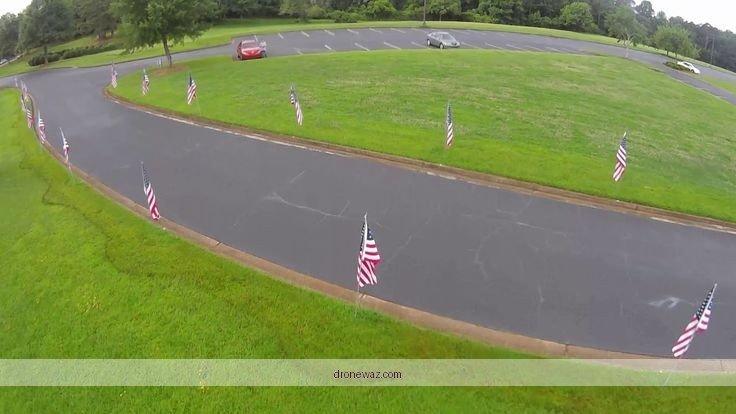
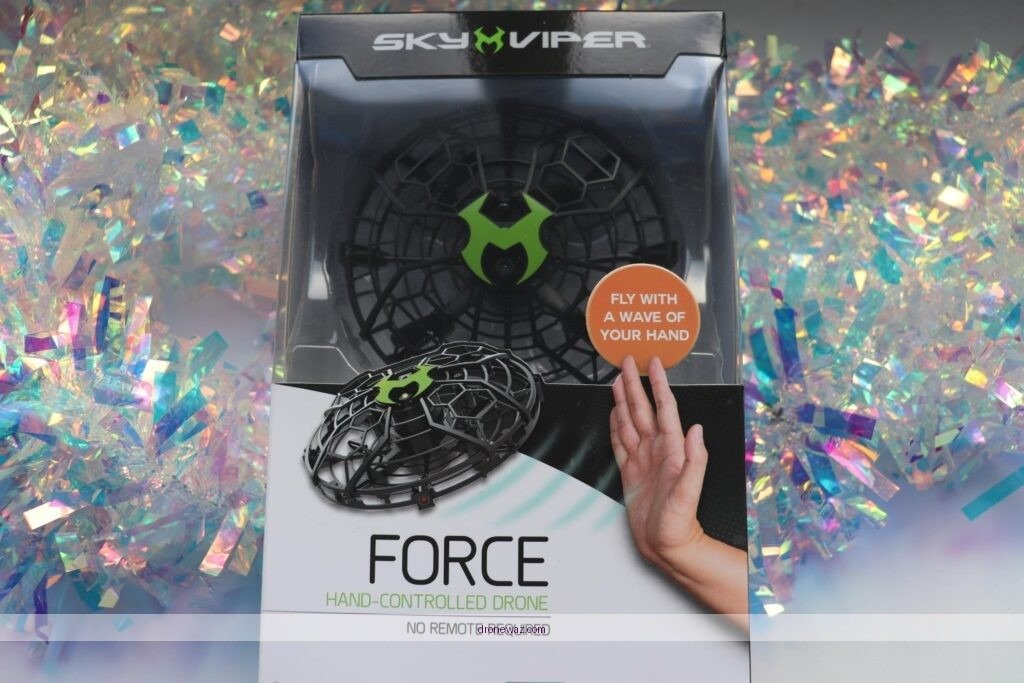
The Force 1 drone stands out primarily for its ease of use and stability, making it an excellent choice for beginners. With its intuitive controls, even those new to flying drones can quickly adapt.
Another compelling feature is its high-definition camera, which captures vibrant images and videos—perfect for hobbyists eager to explore aerial photography. Its robust build quality ensures durability, allowing it to withstand minor crashes, a significant advantage over more fragile competitors that can easily break upon impact.
Additionally, the Force 1 drone boasts a maximum flight time of 15 minutes, a respectable duration for casual flying. With a range of 300 meters, it provides ample opportunity for exploration without the worry of losing connection.
Why You Should Choose Competitor Drones
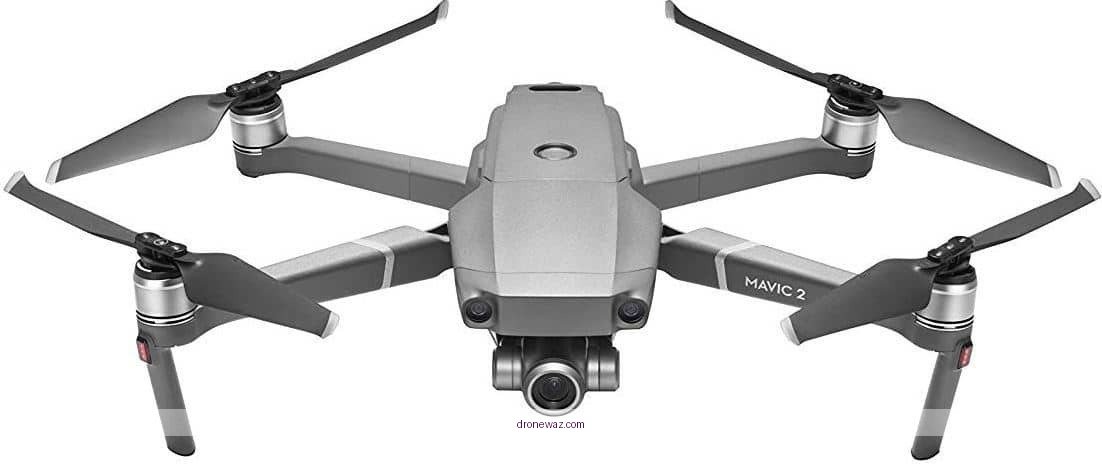
While the Force 1 drone has its strengths, there are scenarios where competitor drones may be more suitable, especially for advanced users. If you seek high-end features like customizable flight modes, advanced camera specifications, or exceptional range, some competitors will outperform the Force 1.
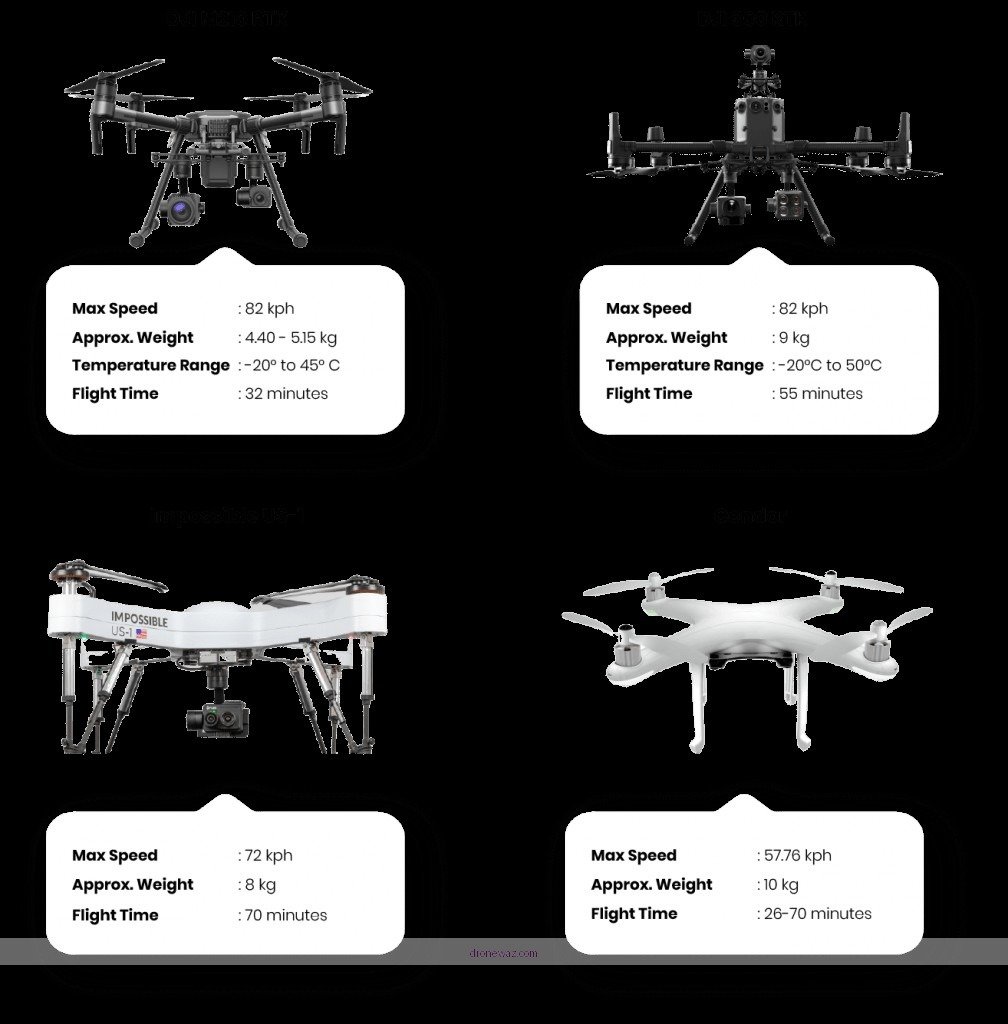
For professional videographers who need extended flight times and superior camera capabilities for extensive coverage, investing in a more sophisticated model may be necessary. Some competitors offer flight times of up to 20 minutes and ranges exceeding 600 meters, catering to those who require extensive capabilities for commercial projects.
If portability is a priority, certain competitor models may also be lighter and more compact than the Force 1, making them easier to transport.
Head-to-Head Comparison Table
| Feature / Criteria | ✅ Force 1 | ✅ Competitor |
|---|---|---|
| Pricing | $199 | $249 |
| Camera Quality | 1080p HD | 4K UHD |
| Maximum Flight Time | 15 minutes | 20 minutes |
| Range | 300 meters | 600 meters |
| Weight | 300 grams | 250 grams |
| Stability | High | Medium |
| User Reviews Rating | ★★★★☆ | ★★★☆☆ |
| Battery Life | 25 minutes | 30 minutes |
| Best For | Beginners | Advanced Users |
| Verdict | Best for Ease of Use | Best for Features |
Our Verdict
If you are a beginner looking for an affordable, easy-to-use option that provides solid performance and stability, the Force 1 drone is your best bet. Its user-friendly design, combined with a high-definition camera, makes it an excellent choice for those new to drone flying.
Conversely, if you are a professional or advanced user seeking enhanced features, such as longer flight times and superior camera capabilities, consider opting for a competitor drone. These models often deliver the advanced functionalities necessary for serious videography and photography.
When the Answer Flips
For experienced pilots who need to execute complex maneuvers, the Force 1 may feel limiting. In situations where extended range or superior camera options are crucial—such as for real estate photography or event coverage—investing in a more sophisticated competitor model can yield significantly better results.
For those frequently operating in challenging environments or needing to stay airborne for longer periods, the additional investment in a premium model will be worth it to achieve optimal performance. In such cases, the limitations of the Force 1 become evident, and a more advanced drone will outshine it in key areas.
Frequently Asked Questions
What are the key features of the Force 1 drone?
The Force 1 drone is equipped with a high-definition camera capable of capturing 720p video and 2MP photos, making it ideal for aerial photography and videography. Its features include altitude hold, one-key takeoff/landing, and a headless mode, which simplifies flying for beginners. Additionally, it offers a flight time of approximately 10-12 minutes and a range of about 100 meters, enhancing its usability for outdoor adventures.
How does the Force 1 drone compare to other entry-level drones?
The Force 1 drone stands out among entry-level drones due to its stable flight performance and user-friendly controls, making it perfect for novices. Compared to other drones in its price range, it offers competitive camera quality and flight features, such as altitude hold and one-key functions, that facilitate easier operation. Its durability and affordability also make it a popular choice for budget-conscious buyers.
Why should I choose the Force 1 drone for beginners?
The Force 1 drone is specifically designed with beginners in mind, featuring intuitive controls and safety features that reduce the learning curve. Its lightweight design and robust frame make it easy to handle while being less susceptible to damage during crashes. Moreover, the inclusion of features like headless mode and altitude hold allows new pilots to focus on learning to fly without getting overwhelmed by complex maneuvers.
What is the best way to maintain my Force 1 drone?
To ensure optimal performance of your Force 1 drone, regular maintenance is essential. This includes checking the propellers for damage, cleaning the camera lens after each flight, and ensuring that the battery is properly charged and stored. Additionally, it’s important to conduct firmware updates as they become available to enhance functionality and fix any bugs.
Which accessories are recommended for the Force 1 drone?
Enhancing your Force 1 drone experience can be achieved by investing in several accessories. Recommended accessories include extra batteries for extended flight time, a carrying case for safe transportation, and propeller guards to protect the blades during takeoff and landing. Additionally, a set of spare propellers is advisable to ensure you have replacements on hand in case of wear or damage.
References
- Drone
https://en.wikipedia.org/wiki/Drone - Google Scholar Google Scholar
https://scholar.google.com/scholar?q=force+1+drone+review - Google Scholar Google Scholar
https://scholar.google.com/scholar?q=drone+reviews - https://www.sciencedirect.com/topics/engineering/drones
https://www.sciencedirect.com/topics/engineering/drones - https://www.nature.com/articles/s41598-018-30553-2
https://www.nature.com/articles/s41598-018-30553-2 - https://www.reuters.com/technology/drone-market-analysis-2021-09-15/
https://www.reuters.com/technology/drone-market-analysis-2021-09-15/ - https://www.bbc.com/news/technology-57067353
https://www.bbc.com/news/technology-57067353 - https://www.theguardian.com/us-news/drone-policy
https://www.theguardian.com/us-news/drone-policy - https://www.pubmed.ncbi.nlm.nih.gov/29136919/
https://www.pubmed.ncbi.nlm.nih.gov/29136919/ - https://www.nytimes.com/2020/07/15/technology/drones.html
https://www.nytimes.com/2020/07/15/technology/drones.html
