
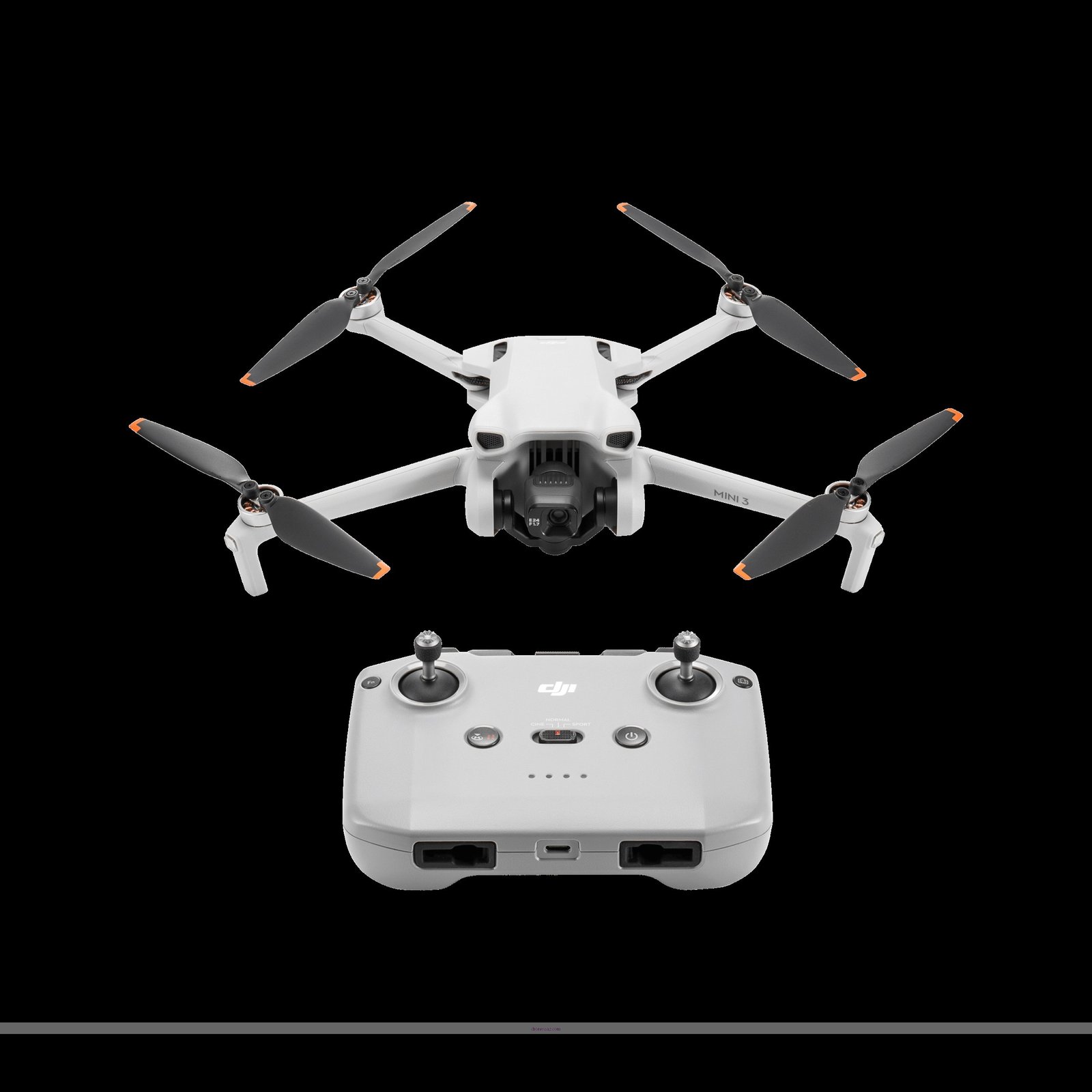
The showdown between the DJI Mini and the Parrot Anafi reveals a clear winner for those prioritizing portability and superior camera performance. While both drones boast impressive features, the DJI Mini edges out with its lightweight design and exceptional image quality. This comparison will determine which micro drone reigns supreme for enthusiasts and casual users alike.
What You’re Really Risking If You Choose Wrong
Selecting the wrong micro drone can lead to significant financial loss, as both the DJI Mini and Parrot Anafi typically cost upwards of $300. Imagine investing your hard-earned cash only to discover that the drone falls short of your expectations—be it due to lackluster camera quality or unstable flight performance. The disappointment can be particularly acute when you aim to capture unforgettable moments for social media or personal projects.
Beyond financial implications, a drone that doesn’t meet your needs can also result in frustration and safety concerns, especially for beginners unfamiliar with drone operation. You may end up with a device that’s difficult to fly, leading to crashes and additional costs for repairs or replacements. Given these factors, it’s essential to understand the strengths and weaknesses of each option before making a decision.
The Mistake Almost Everyone Makes
Many consumers make the mistake of focusing solely on price rather than evaluating specific features such as camera capabilities, battery life, and ease of use. A common error is assuming that the cheapest option will suffice without considering how the drone’s features align with their intended use.
Users often overlook the critical importance of flight range and stability, both of which significantly affect the overall flying experience and the quality of the footage captured. Furthermore, many enthusiasts mistakenly believe that more features equate to better performance; as a result, they may feel overwhelmed by complex settings they don’t need, which can lead to a lackluster experience.
How to Know Which One Is Right for You
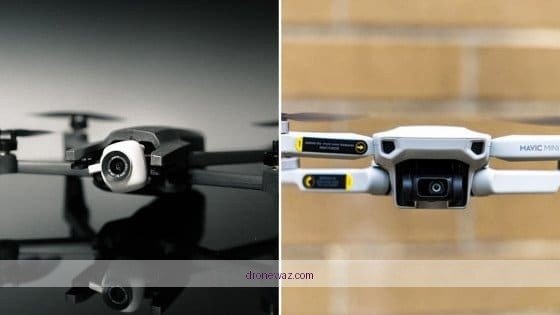
Begin by considering your primary use case: Are you a novice seeking simple operation, or an advanced user pursuing high-quality aerial shots? This distinction will help guide your choice.
Next, assess the environment in which you’ll be flying: Will you be in wide open spaces, or are you looking to navigate urban areas where compact size and maneuverability are essential?
Finally, evaluate your budget against the features that matter most to you, such as camera resolution, flight time, and ease of transport. Taking these factors into account will enable you to make an informed decision that aligns with your specific needs and expectations.
Why You Should Choose DJI
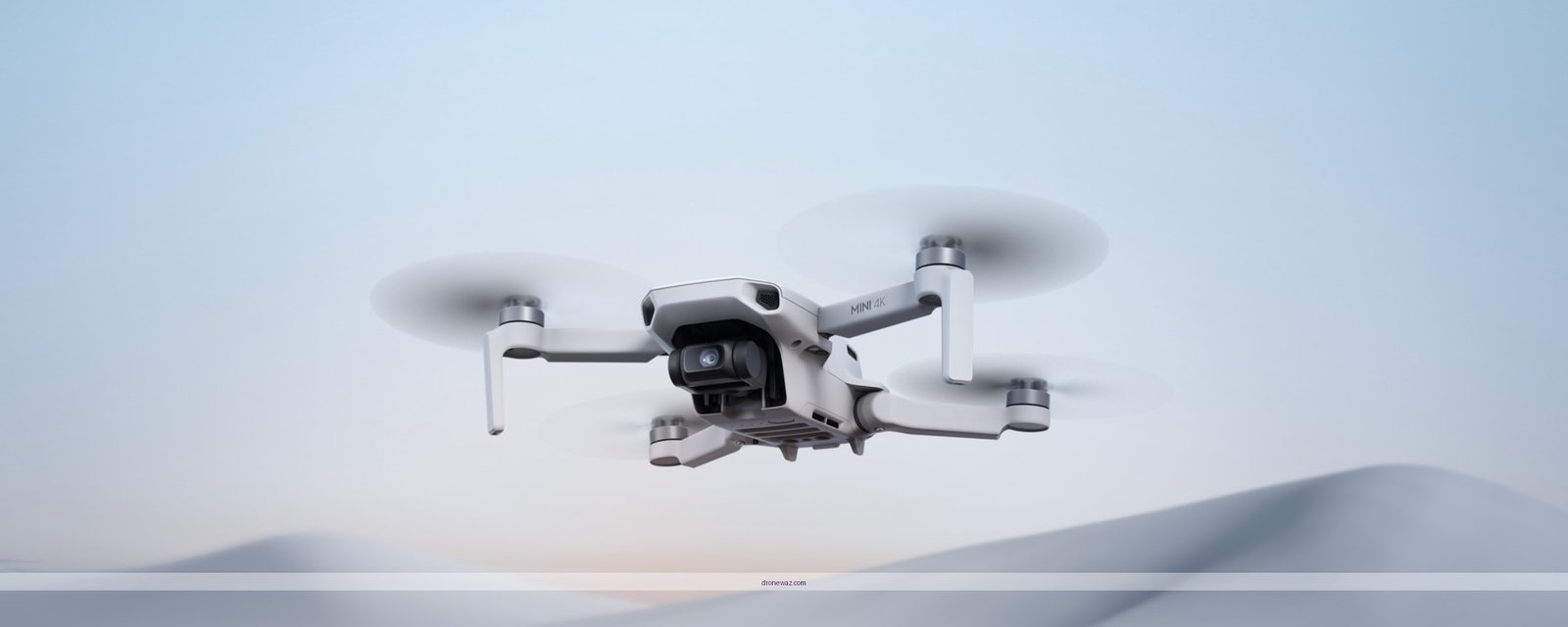
The DJI Mini excels in camera quality with its 4K video capabilities, making it the ideal choice for aspiring filmmakers and content creators. The Mini’s 12MP camera delivers sharp, vibrant images that rival those of larger drones, and its ability to shoot in 4K at 30 frames per second is a game changer for serious video work.
Its user-friendly interface and automatic features like QuickShots are perfect for beginners who want to get started without extensive training. You can capture cinematic shots with just a few taps on your smartphone, making it accessible for those who might be intimidated by more complex controls.
Additionally, DJI’s robust app offers a variety of flight modes and intelligent features, enriching the flying experience and enhancing your creative possibilities. With a maximum flight range of 10 km, the Mini allows you to explore vast areas without losing connection, making it particularly well-suited for outdoor adventures.
Why You Should Choose Parrot
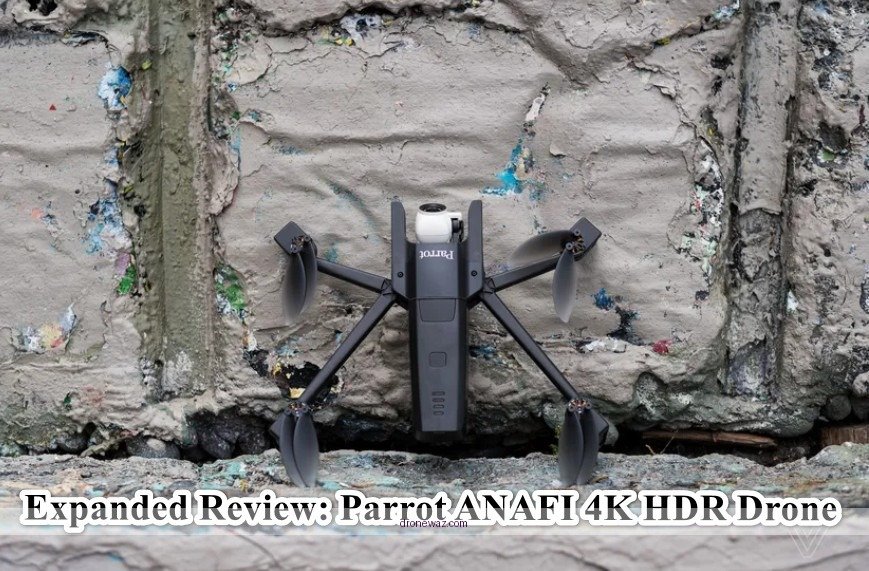
The Parrot Anafi distinguishes itself with its unique 180-degree tilt gimbal, enabling creative angles and versatility in photography that the DJI Mini cannot match. This feature is especially useful for capturing shots from unexpected perspectives, making the Anafi a favorite among those focused on artistic videography.
Its lightweight and compact design make it the perfect choice for travel enthusiasts who need a portable drone without compromising on quality. Weighing in at just 320 grams, the Anafi easily fits into your backpack, allowing for spontaneous flying sessions wherever you go.
While the Anafi’s flight time of up to 25 minutes is slightly less than that of the DJI Mini, it remains impressive for its size. Its customizable flight modes cater to tech-savvy users seeking unique flying experiences and greater control over their drone’s capabilities. Whether you’re shooting a dynamic action sequence or capturing serene landscapes, the Anafi provides the flexibility to meet diverse creative needs.
Head-to-Head Comparison Table
| Feature / Criteria | ✅ DJI Mini | ✅ Parrot Anafi |
|---|---|---|
| Camera Resolution | 12MP, 4K Video | 21MP, 4K Video |
| Flight Time | Up to 30 minutes | Up to 25 minutes |
| Weight | 249 grams | 320 grams |
| Gimbal | 3-axis | 3-axis, 180-degree tilt |
| Maximum Range | 10 km | 4 km |
| Price | $399 | $299 |
Our Verdict
Choose DJI if you prioritize high-quality video and ease of use. The DJI Mini is particularly well-suited for beginners and casual users, thanks to its superior camera and user-friendly features. Its extended flight range and excellent app support make it a versatile tool for a variety of applications.
Opt for Parrot if you value innovative photography and portability, especially if you are an experienced user seeking unique angles and creative features. The Anafi’s lightweight design and tilt gimbal make it attractive for those who want to experiment with their aerial shots.
When the Answer Flips
For advanced users who frequently travel to remote locations, the Parrot Anafi’s lightweight build and unique photographic features may become the preferred choice, especially when weight is a concern. Additionally, in situations requiring unusual shooting angles, the Anafi’s 180-degree gimbal can be a game-changer, making it the better option despite DJI’s overall superior reputation.
In conclusion, both drones serve their respective markets well, but understanding your specific needs and conditions is crucial for making the right choice. Whether you choose DJI or Parrot, ensure that your selection aligns with your creative vision and flying experience.
Frequently Asked Questions
What features should I look for in a micro drone?
When selecting a micro drone, consider features such as battery life, camera quality, flight range, and stability. Look for drones with at least 720p video resolution for decent footage, and ensure they have a good flight time of around 10-20 minutes. Additionally, features like GPS and obstacle avoidance can significantly enhance your flying experience.
How do I choose the best micro drone for beginners?
To choose the best micro drone for beginners, prioritize ease of use, stability, and safety features. Look for models with a user-friendly remote control, one-key takeoff and landing, and built-in propeller guards. Drones like the Holy Stone HS210 or Potensic A20 are excellent options, as they are lightweight, durable, and come with beginner-friendly features.
Why is camera quality important in a micro drone review?
Camera quality is crucial in a micro drone review because it directly impacts the quality of the aerial footage you capture. Higher resolution cameras, such as those with 1080p or 4K capability, provide clearer images and videos, making your recordings more professional. If you plan to use your drone for photography or videography, investing in one with good camera specs is essential.
Which micro drone offers the best value for money?
The DJI Tello is often recommended as the micro drone that offers the best value for money. With a solid camera, intuitive controls, and impressive flight features, it provides an excellent balance of performance and affordability. Priced under $100, it’s a great option for both beginners and hobbyists looking for quality without breaking the bank.
How can I improve my flying skills with a micro drone?
To improve your flying skills with a micro drone, practice consistently in open spaces free of obstacles and distractions. Start with basic maneuvers like takeoff, landing, and hovering, then gradually progress to more advanced techniques like flips and aerial photography. Watching tutorial videos online can also provide tips and tricks that enhance your flying abilities.
References
- Drone
https://en.wikipedia.org/wiki/Drone - Google Scholar Google Scholar
https://scholar.google.com/scholar?q=micro+drone+review - https://www.sciencedirect.com/topics/engineering/micro-drone
https://www.sciencedirect.com/topics/engineering/micro-drone - https://www.nature.com/articles/s41598-019-45716-7
https://www.nature.com/articles/s41598-019-45716-7 - Google Scholar Google Scholar
https://scholar.google.com/scholar?q=small+unmanned+aerial+vehicles+review - https://www.bbc.com/news/technology-47776942
https://www.bbc.com/news/technology-47776942 - https://www.theguardian.com/technology/2018/dec/06/faa-drone-rules-2019
https://www.theguardian.com/technology/2018/dec/06/faa-drone-rules-2019 - https://pubmed.ncbi.nlm.nih.gov/31476156/
https://pubmed.ncbi.nlm.nih.gov/31476156/ - https://www.reuters.com/technology/what-you-need-know-about-drones-2021-04-02/
https://www.reuters.com/technology/what-you-need-know-about-drones-2021-04-02/ - https://www.nih.gov/news-events/nih-research-matters/drones-are-soaring-new-possibilities
https://www.nih.gov/news-events/nih-research-matters/drones-are-soaring-new-possibilities
