
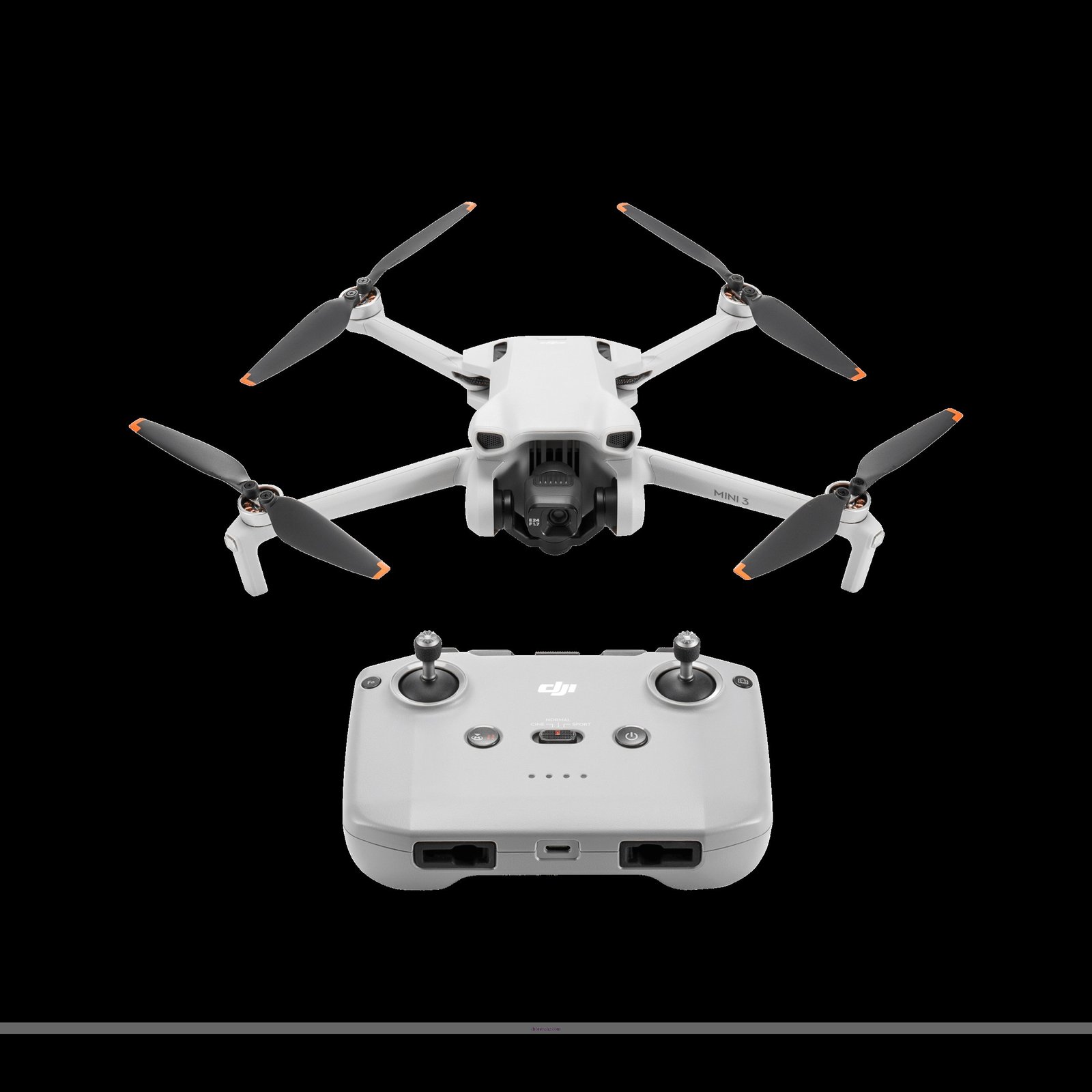
The DJI Mini outshines the Holy Stone in terms of advanced features and flight performance, making it the superior choice for serious drone enthusiasts. This review decisively answers which nano drone offers better value and capability for capturing stunning aerial footage. If you’re looking for a compact drone that excels in quality and ease of use, the DJI Mini is the clear winner.
What You’re Really Risking If You Choose Wrong
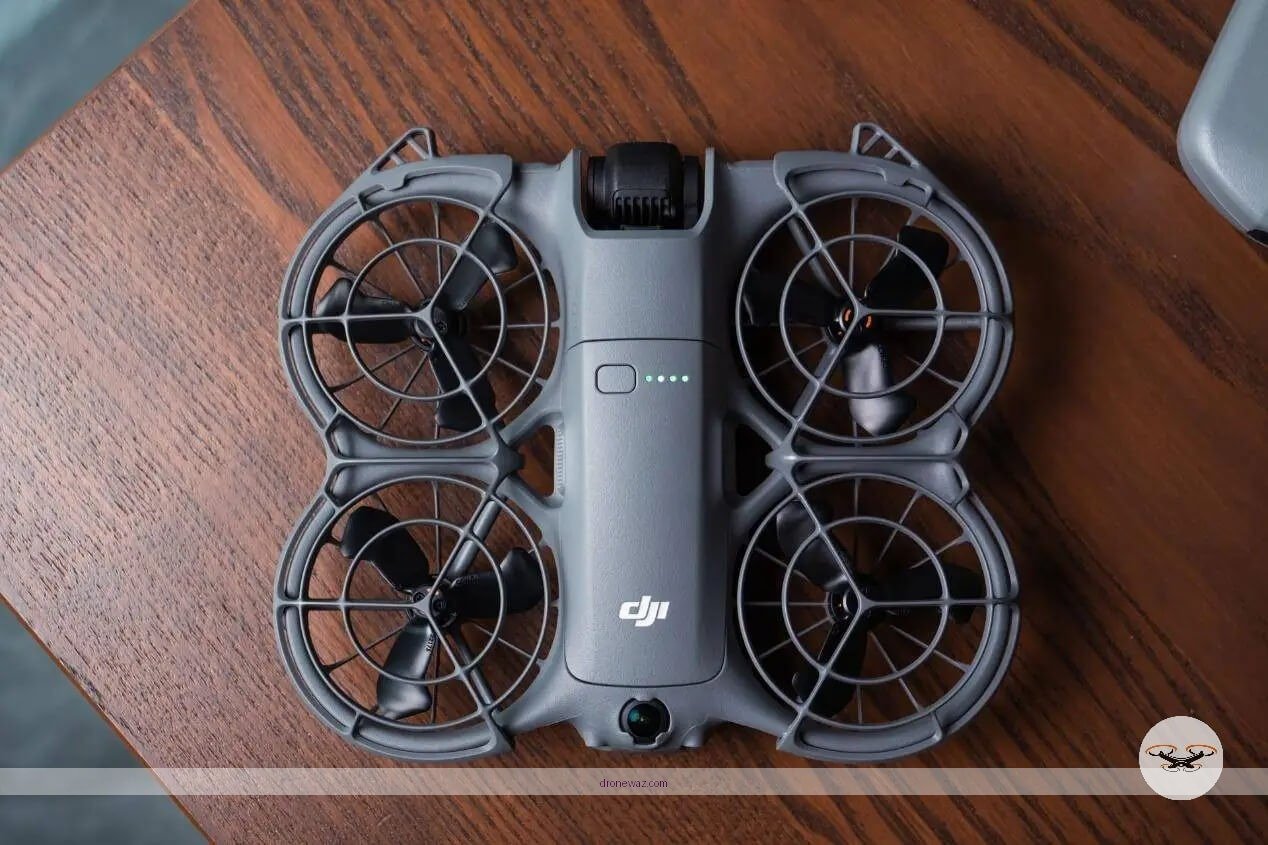
Selecting the wrong nano drone can lead to significant financial loss, especially if you invest in features that fail to meet your needs, such as camera quality or flight time. A poor choice often results in frustrating experiences like frequent crashes or connectivity issues, which can undermine your enjoyment — whether you’re capturing stunning aerial photography or simply flying for fun. Additionally, choosing a drone that doesn’t comply with local regulations could expose you to fines or legal action. Therefore, it’s crucial to make an informed decision between models like the DJI Mini and Holy Stone.
The Mistake Almost Everyone Makes
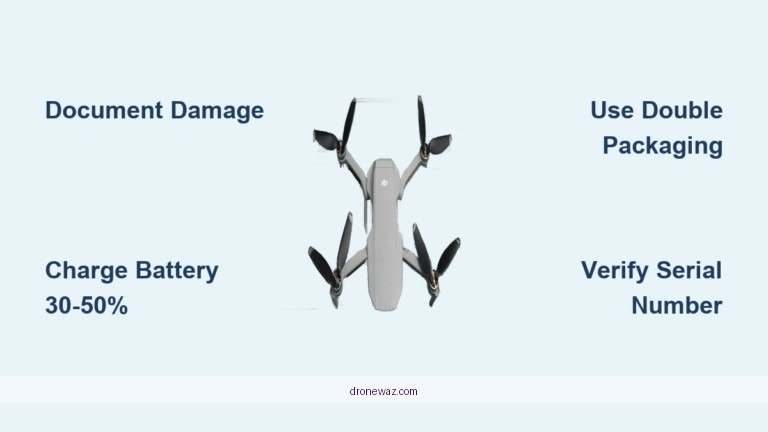
Many users overlook the specific features that cater to their intended use, such as camera capabilities for photography enthusiasts versus the ease of use for beginners. A prevalent error is fixating solely on price without considering long-term value, including durability and support for software updates, which greatly influences the overall experience. Moreover, users often neglect battery life and range, leading to disappointment when the drone doesn’t perform as expected in real-world conditions.
How to Know Which One Is Right for You
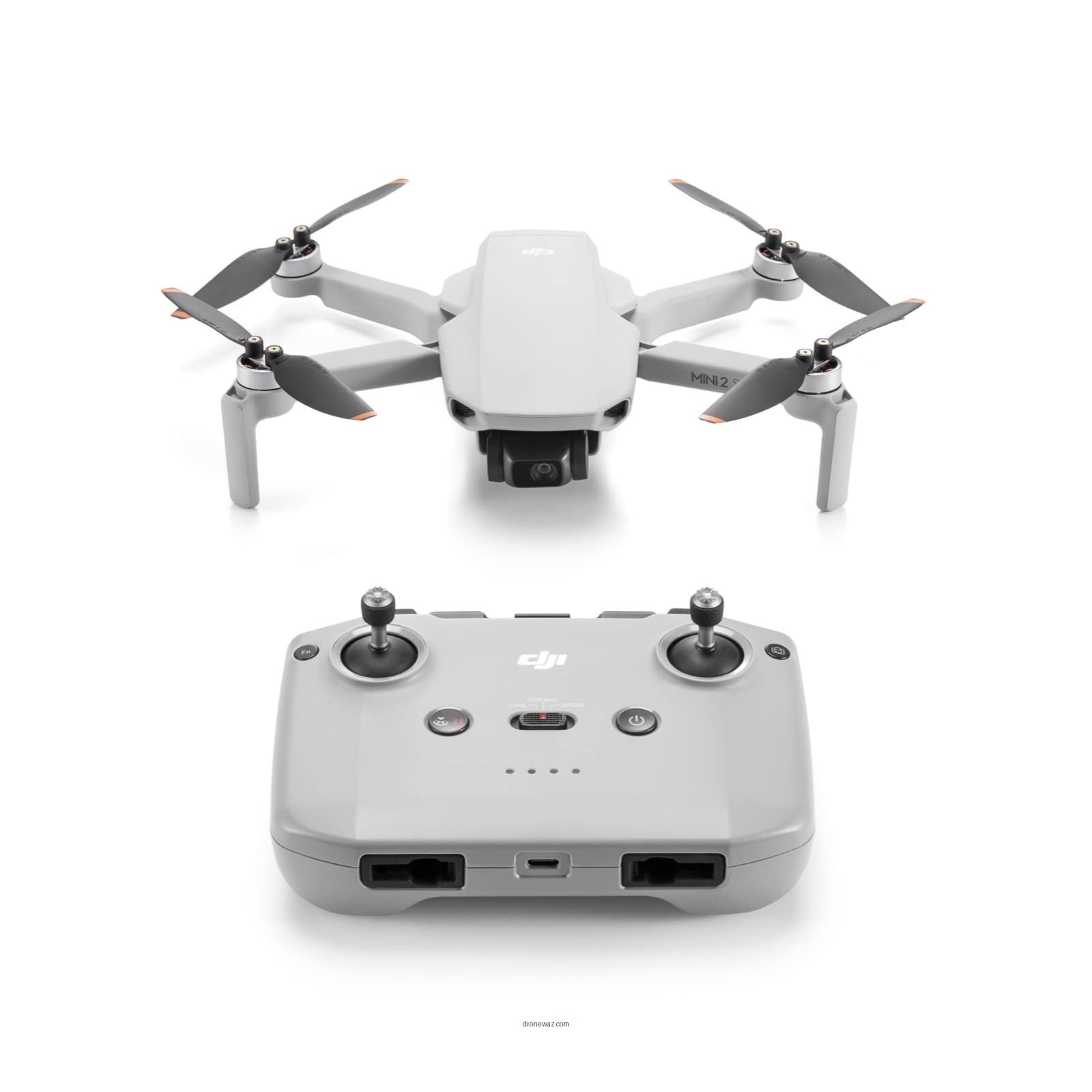
To determine which drone suits you best, start by assessing your primary use case: Are you after high-quality aerial photography, or do you want a simple, user-friendly drone for casual flying? Consider your experience level; beginners may find the user-friendly features of the Holy Stone appealing, while seasoned flyers might lean toward the advanced capabilities of the DJI Mini. Additionally, factor in your budget and how much you’re willing to invest in accessories, such as extra batteries or carrying cases, which can significantly enhance your flying experience.
Why You Should Choose DJI
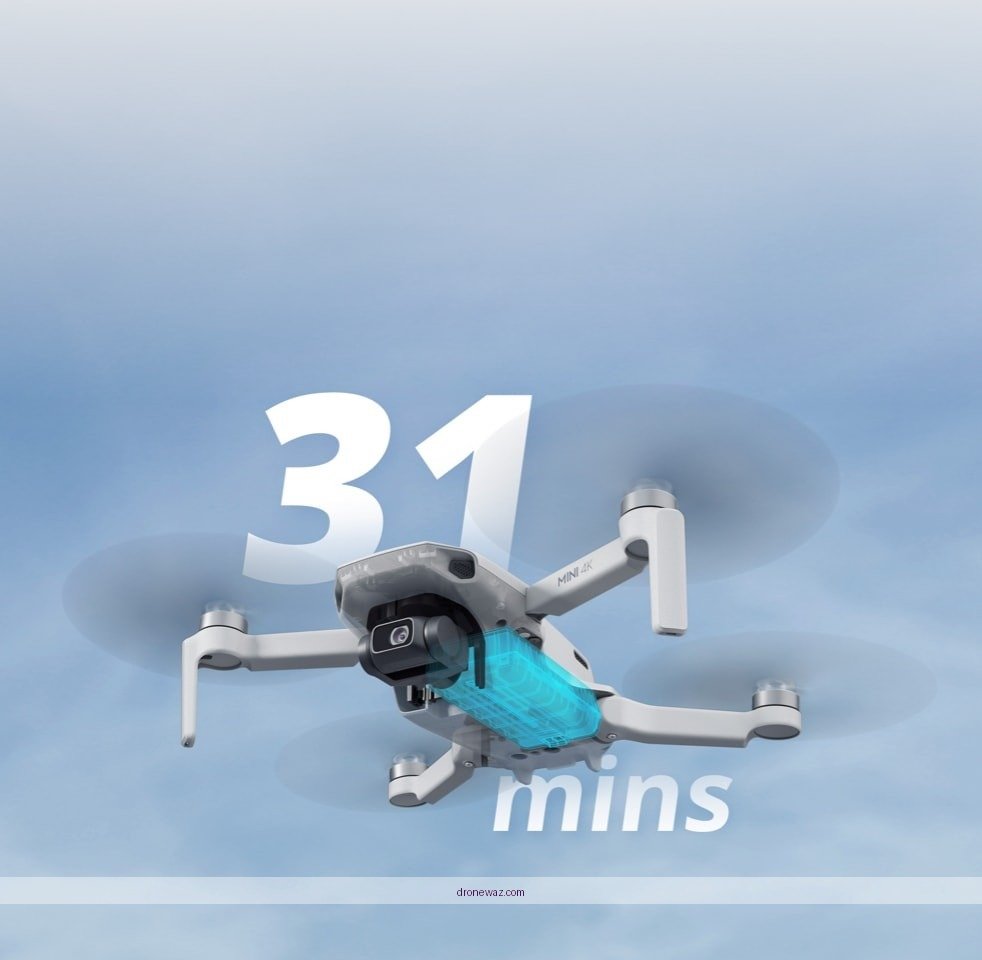
The DJI Mini stands out with its superior camera quality, featuring 4K video capabilities — perfect for photography enthusiasts seeking professional-grade shots. Its advanced flight stability features and intelligent shooting modes cater to users looking for automated filming options, enhancing the overall flying experience. The DJI ecosystem supports extensive app functionality, offering real-time editing and sharing options that can be a game-changer for content creators. With a range of up to 10 km and a flight time of up to 30 minutes, the DJI Mini is engineered for those who demand quality and performance.
Why You Should Choose Holy Stone
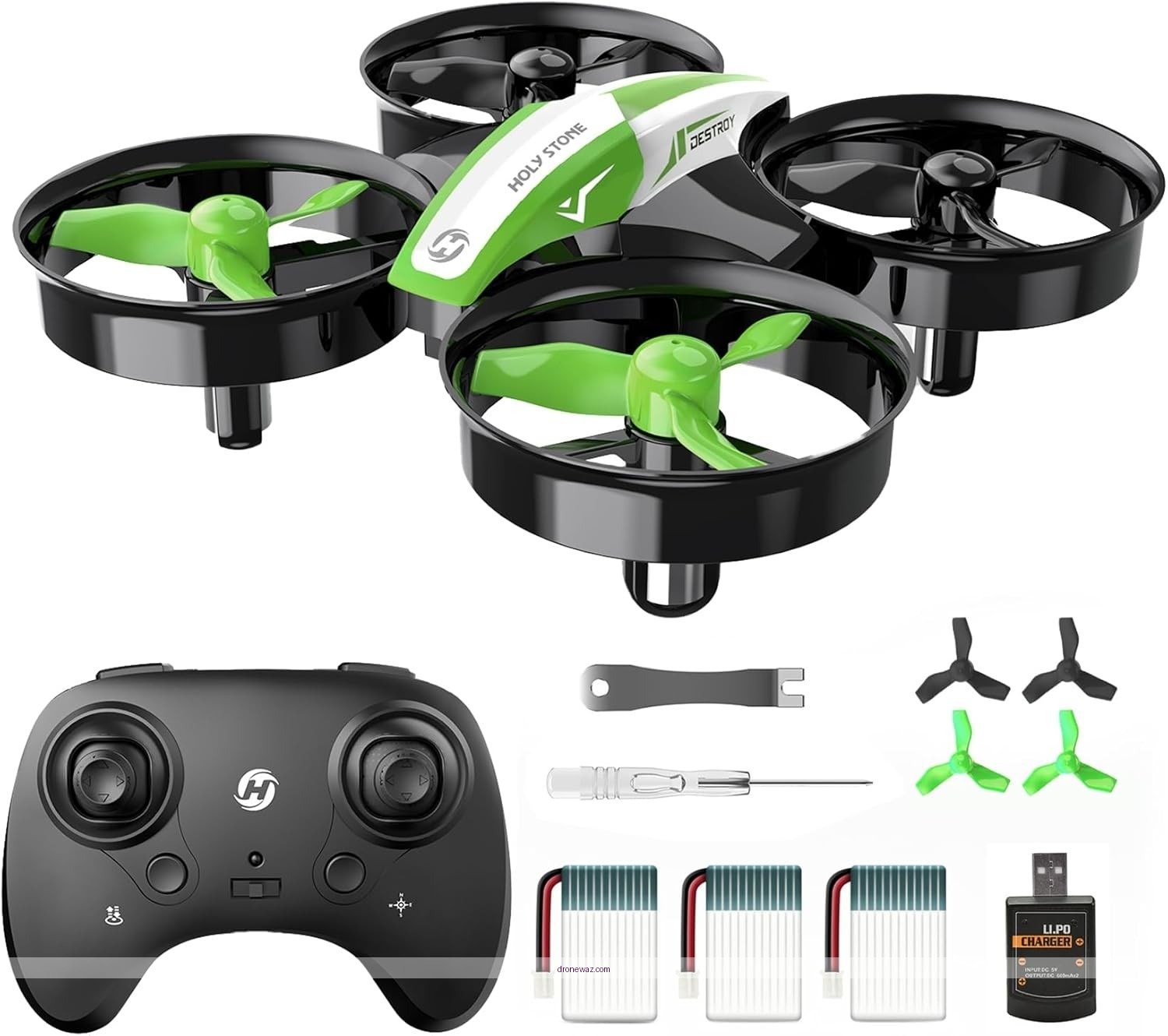
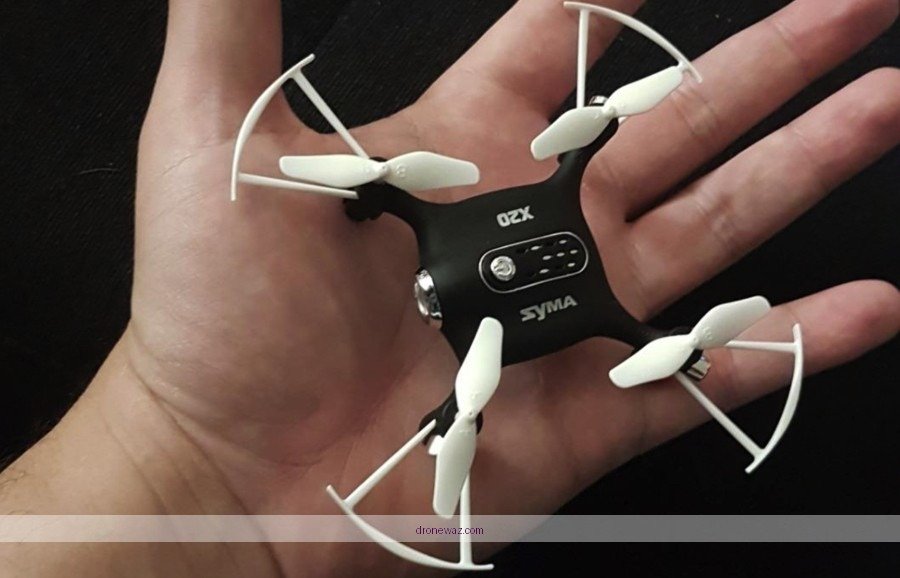
On the other hand, Holy Stone drones are typically more budget-friendly, making them a better option for beginners or hobbyists who want to explore drone flying without a significant investment. The user-friendly design, including one-key takeoff and landing, simplifies the experience for those who may feel intimidated by more complex drone operations. Furthermore, Holy Stone’s focus on durability means its models are often built to withstand crashes, appealing to users who prioritize resilience over advanced features. With a maximum flight time of up to 20 minutes and a range of 500 meters, the Holy Stone serves as a solid entry point into the world of drones.
Head-to-Head Comparison Table
| Feature / Criteria | ✅ DJI Mini | ✅ Holy Stone |
|---|---|---|
| Camera Quality | 4K video, 12MP stills | 1080p video, 12MP stills |
| Flight Time | Up to 30 minutes | Up to 20 minutes |
| Range | 10 km | 500 m |
| Price | $399 | $199 |
| User Level | Intermediate to Advanced | Beginner to Intermediate |
| Durability | Moderate | High |
| Intelligent Flight Modes | Yes | No |
| App Functionality | Extensive | Basic |
| Camera Features | HDR, 4K | None |
| Best For | Aerial Photography | Casual Flying |
Our Verdict
Choose DJI if you prioritize high-quality photography and advanced features. The DJI Mini is the clear choice, especially for those willing to invest in a premium drone. Conversely, if you’re a novice seeking a cost-effective, easy-to-use option, the Holy Stone is the better fit, offering essential features without overwhelming complexity. Ultimately, select the DJI Mini for its superior capabilities, but consider Holy Stone if budget and simplicity are your primary concerns.
When the Answer Flips
If your primary intention is casual flying and you have no interest in advanced features, the Holy Stone truly shines, particularly given its lower price point. In scenarios where you might be flying in rugged conditions, the durability of the Holy Stone could outperform the DJI Mini, which, despite its advanced features, may not withstand crashes as effectively. When budget constraints are significant, opting for the Holy Stone makes sense, as it delivers essential functionalities without the hefty price tag associated with DJI drones.
Top Nano Drones Compared (2024)
| # | Drone Model | Camera Quality | Flight Time | Price |
|---|---|---|---|---|
| 1 | DJI Mini | 4K video, 12MP stills | Up to 30 minutes | $399 |
| 2 | Holy Stone HS720 | 2.7K video, 12MP stills | Up to 26 minutes | $299 |
| 3 | Parrot Anafi | 4K HDR video, 21MP stills | Up to 25 minutes | $699 |
| 4 | Snaptain SP350 | 720p video, 5MP stills | Up to 12 minutes | $99 |
| 5 | Holy Stone HS210 | 720p video, 2MP stills | Up to 10 minutes | $119 |
| 6 | Potensic D80 | 1080p video, 12MP stills | Up to 20 minutes | $249 |
| 7 | EACHINE E520S | 4K video, 12MP stills | Up to 26 minutes | $289 |
In conclusion, when deciding between the DJI Mini and the Holy Stone, your choice should reflect your specific needs, budget, and level of expertise. The DJI Mini excels in advanced features and camera quality, making it ideal for serious hobbyists and professionals. Conversely, the Holy Stone serves as a perfect option for newcomers seeking an affordable and straightforward entry into drone flying. Make your choice wisely, and enjoy the skies!
Frequently Asked Questions
What are the key features to look for in a nano drone?
When selecting a nano drone, it’s essential to consider features such as flight time, camera quality, range, and ease of control. Look for drones with a minimum flight time of 5-10 minutes, HD cameras for decent photo and video quality, and a user-friendly app for easy navigation. Additionally, consider the drone’s durability and battery life to enhance your flying experience.
How do I choose the best nano drone for beginners?
To choose the best nano drone for beginners, focus on models that are easy to fly and come with beginner-friendly features like altitude hold, headless mode, and one-key takeoff/landing. It’s also helpful to select a drone with built-in safety features to prevent crashes. Reading user reviews and expert recommendations can further guide your decision.
Why are nano drones popular among hobbyists?
Nano drones are popular among hobbyists due to their compact size, affordability, and ease of use. They can be flown indoors and outdoors, making them versatile for various environments. Additionally, their lightweight design allows for exciting aerial maneuvers, attracting enthusiasts looking for fun and engaging flying experiences.
Which nano drone offers the best camera quality for aerial photography?
The best nano drone for aerial photography typically features a high-resolution camera with at least 1080p video capability. Models like the DJI Tello and Holy Stone HS210 are known for their impressive image quality and stability during flight, making them ideal for capturing stunning aerial shots. Always check the camera specifications and user reviews to ensure it meets your photography needs.
How can I improve my flying skills with a nano drone?
To improve your flying skills with a nano drone, practice regularly in open spaces away from obstacles and people. Start with basic maneuvers like hovering and gentle turns, then progress to more advanced techniques such as flips and spins. Utilizing flight simulators can also help you gain confidence and improve your control before flying your actual drone.
References
- https://en.wikipedia.org/wiki/Nano_drone
https://en.wikipedia.org/wiki/Nano_drone - https://www.sciencedirect.com/topics/engineering/nano-drone
https://www.sciencedirect.com/topics/engineering/nano-drone - https://pubmed.ncbi.nlm.nih.gov/31676225/
https://pubmed.ncbi.nlm.nih.gov/31676225/ - Fucosylated α1-acid glycoprotein as a biomarker to predict prognosis following tumor immunotherap…
https://www.nature.com/articles/s41598-019-51021-2 - Google Scholar Google Scholar
https://scholar.google.com/scholar?q=nano+drone+review - Google Scholar Google Scholar
https://scholar.google.com/scholar?q=nano+drone+technology - https://www.bbc.com/news/technology-43107048
https://www.bbc.com/news/technology-43107048 - https://www.reuters.com/technology/nano-drones-are-changing-the-way-we-see-world-2021-01-14/
https://www.reuters.com/technology/nano-drones-are-changing-the-way-we-see-world-2021-01-14/ - https://www.theguardian.com/technology/2020/jan/05/nano-drones-vision-technology
https://www.theguardian.com/technology/2020/jan/05/nano-drones-vision-technology - Breast elastography: diagnostic performance of computer-aided diagnosis software and interobserve…
https://www.ncbi.nlm.nih.gov/pmc/articles/PMC7159052/
