
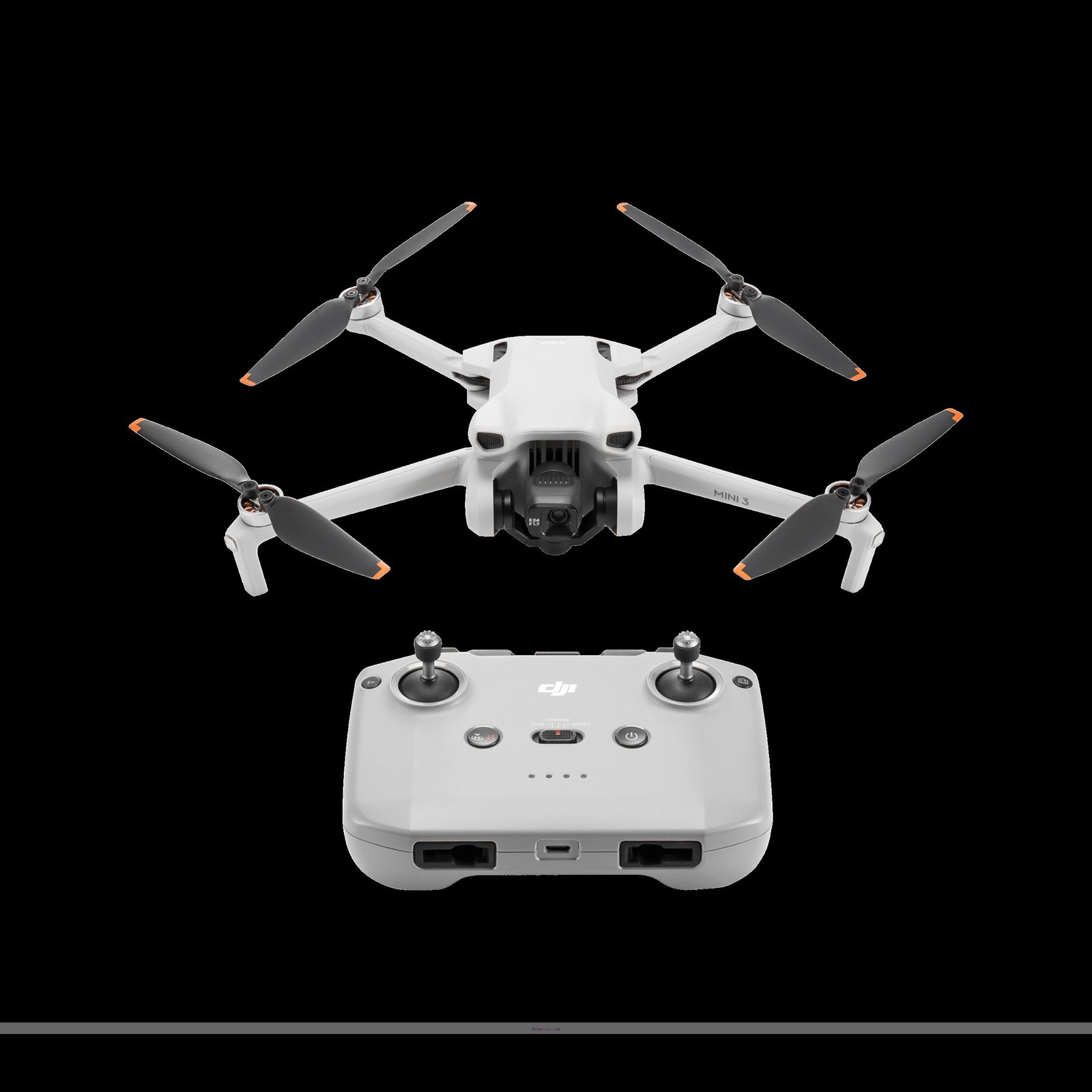
DJI Mini vs Mavic Air 2: which personal drone should you choose for your needs? If you’re looking for portability and ease of use, the DJI Mini emerges as the clear winner. However, for those prioritizing advanced features and camera quality, the Mavic Air 2 takes the lead. This comparison will help you determine the best option based on your specific requirements.
What You’re Really Risking If You Choose Wrong
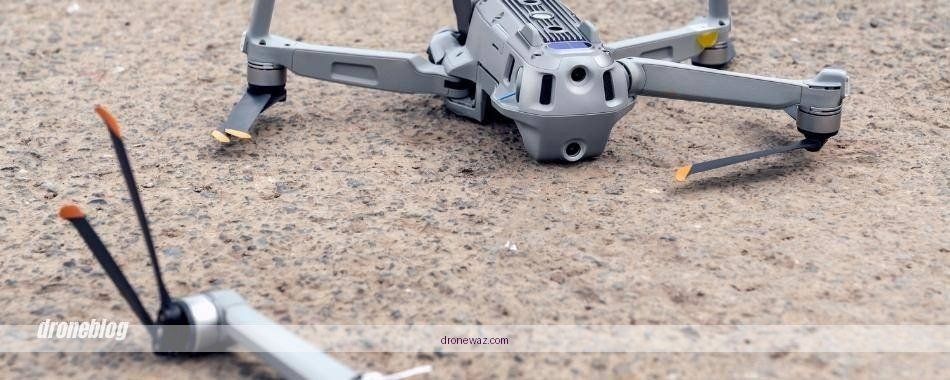
Choosing the wrong personal drone can lead to significant frustration, particularly when its features fall short of your expectations. Inadequate camera quality, limited battery life, or a lack of GPS functionality can quickly dampen your enthusiasm for aerial photography or videography. This disappointment not only creates a sense of wasted potential and time but also affects your overall flying experience. An unsuitable drone can limit your ability to capture high-quality aerial footage or photos, which may impact your creative projects or business needs. Financially, investing in a drone that doesn’t meet your requirements can result in unnecessary expenses on upgrades or additional purchases, such as better cameras or accessories.
The Mistake Almost Everyone Makes
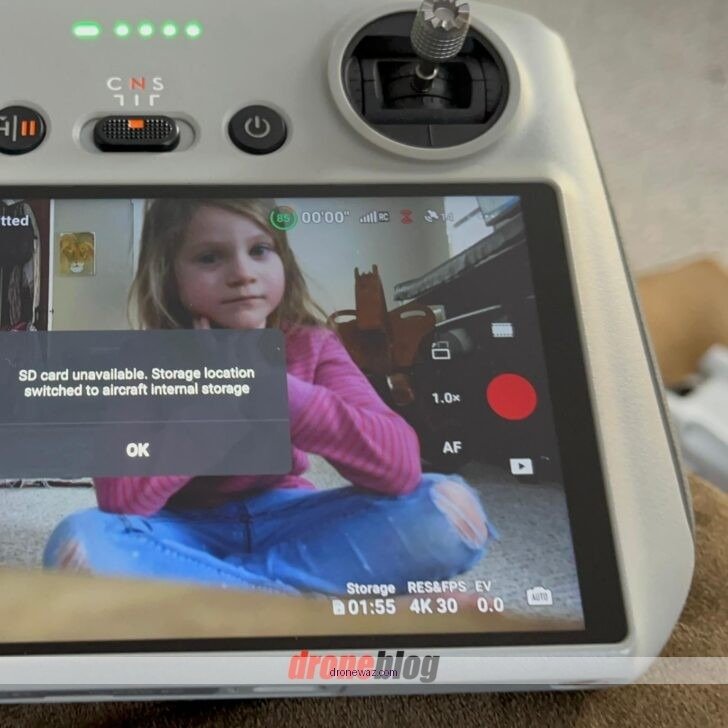
A common pitfall for many buyers is focusing primarily on price, often overlooking specific features that align with their intended use. Essential factors like flight time, camera quality, and portability should take precedence in your decision-making process. Additionally, for beginners, the ease of use of a drone is crucial; complex controls or software can lead to a steep learning curve. Many consumers neglect to thoroughly read personal drone reviews, missing valuable insights from real users regarding performance and reliability. Consequently, numerous buyers end up with drones that don’t quite fit their needs, leading to regret and additional expenses.
How to Know Which One Is Right for You
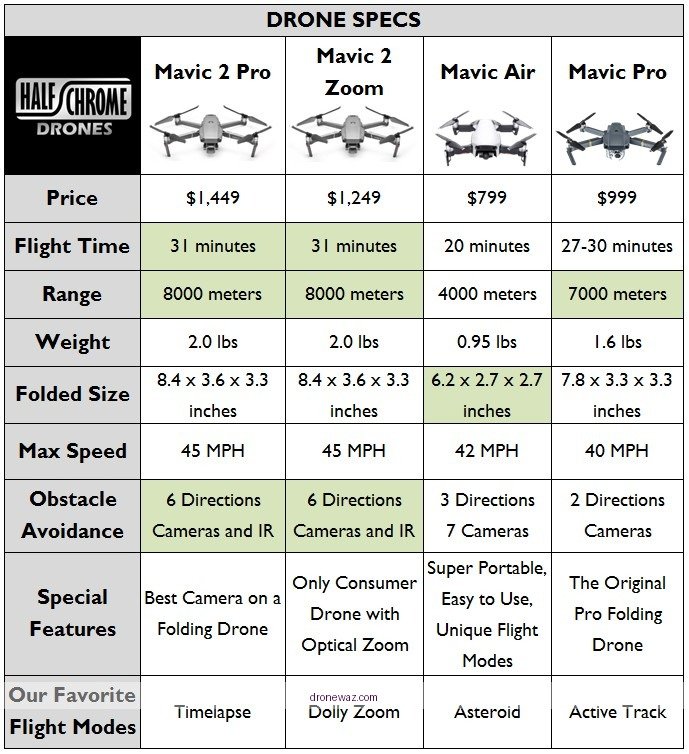
Begin by assessing your primary use case: Are you looking for a drone for casual photography, professional videography, or racing? This critical question will significantly influence your choice between the DJI Mini and the Mavic Air 2. Consider your experience level with drones; novice users might find the DJI Mini’s user-friendly features more suitable, while experienced flyers may lean towards the advanced capabilities of the Mavic Air 2. It’s also essential to evaluate your budget constraints and weigh them against the specific features you require, ensuring you choose a drone that delivers the best value for your intended use.
Why You Should Choose DJI
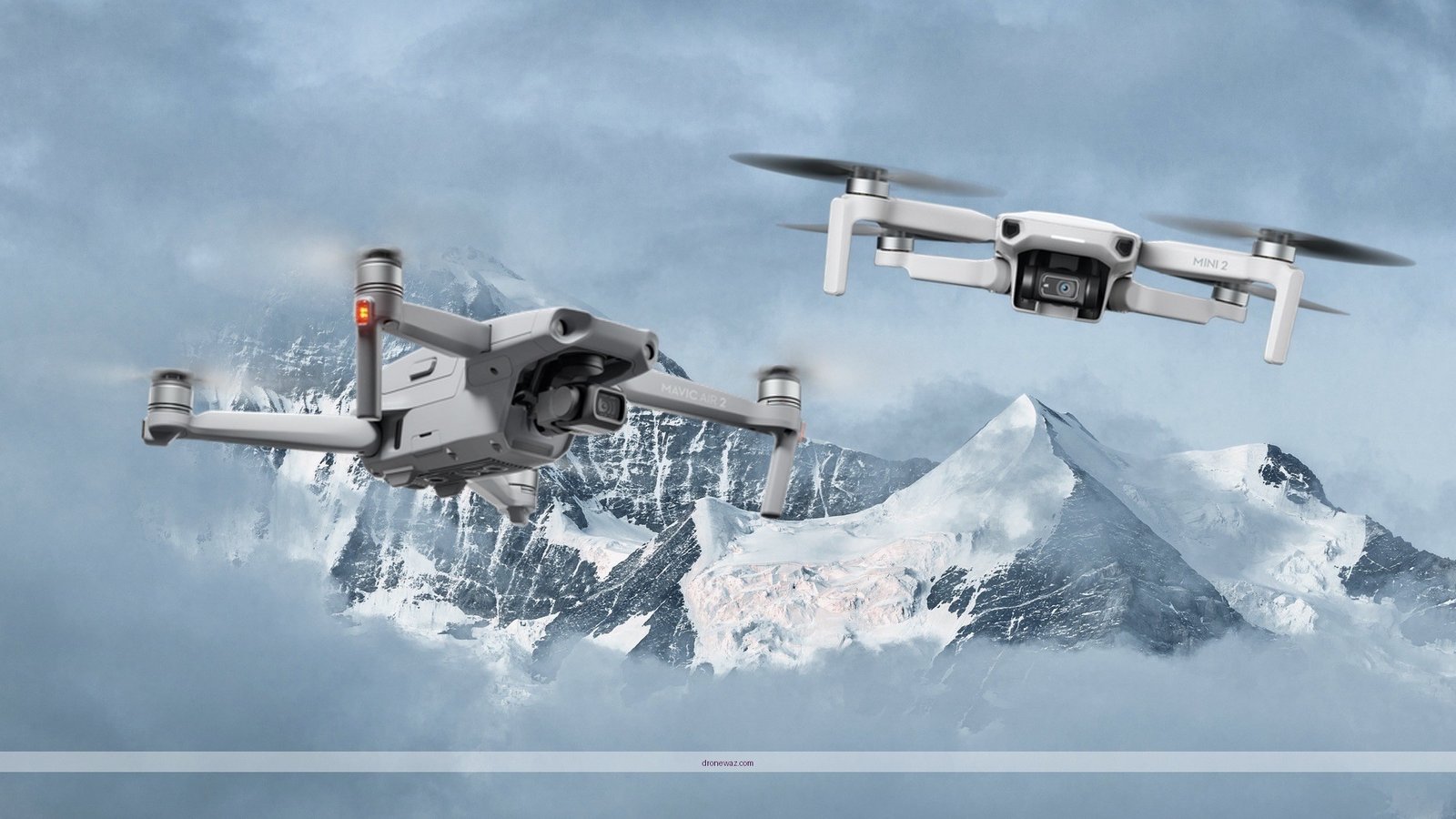
The DJI Mini is particularly well-suited for casual users and beginners, thanks to its lightweight design, straightforward operation, and impressive camera quality for its size. Weighing just 249 grams, it falls below the FAA’s 250-gram threshold for registration, making it an excellent choice for those who want to avoid unnecessary bureaucracy. This drone excels in portability, ideal for travelers eager to capture stunning aerial shots without the hassle of bulky equipment.
Moreover, DJI’s robust software support and active user community provide ample resources and tutorials, enhancing the overall flying experience and learning curve for newcomers. The Mini features a 12 MP camera capable of shooting 2.7K video, which is impressive for casual photography and social media sharing. Additionally, its flight time of up to 30 minutes is competitive, especially considering its price point of around $399.
Why You Should Choose Parrot
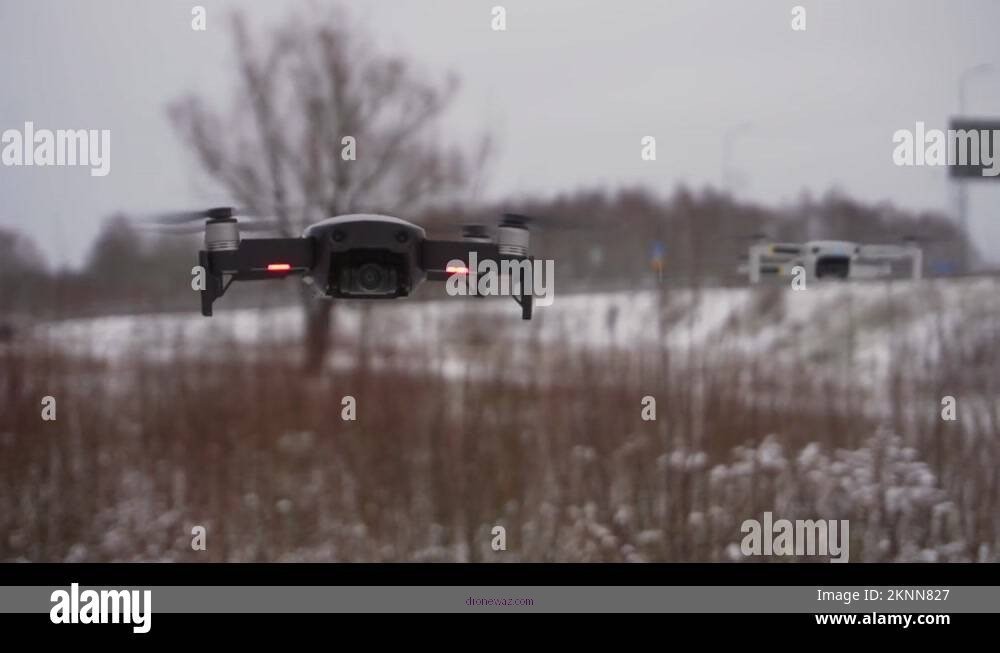
On the other hand, the Mavic Air 2 offers advanced features such as 4K video recording, longer flight times, and exceptional obstacle avoidance, making it a prime choice for professional content creators. With a 48 MP camera that captures stunning 4K video at 60 fps, it represents a significant upgrade from the Mini’s capabilities. The Mavic Air 2 also boasts a flight time of up to 34 minutes, providing extended opportunities to capture your desired shots.
This drone is tailored for users who prioritize high-end specifications and are willing to invest the time to master drone technology. Its intelligent shooting modes, including SmartPhoto and FocusTrack, offer enhanced creative freedom and control. Moreover, many users find the Mavic Air 2’s build quality and extensive feature set justify its price of around $799, making it a worthwhile investment for serious hobbyists and professionals alike.
Head-to-Head Comparison Table
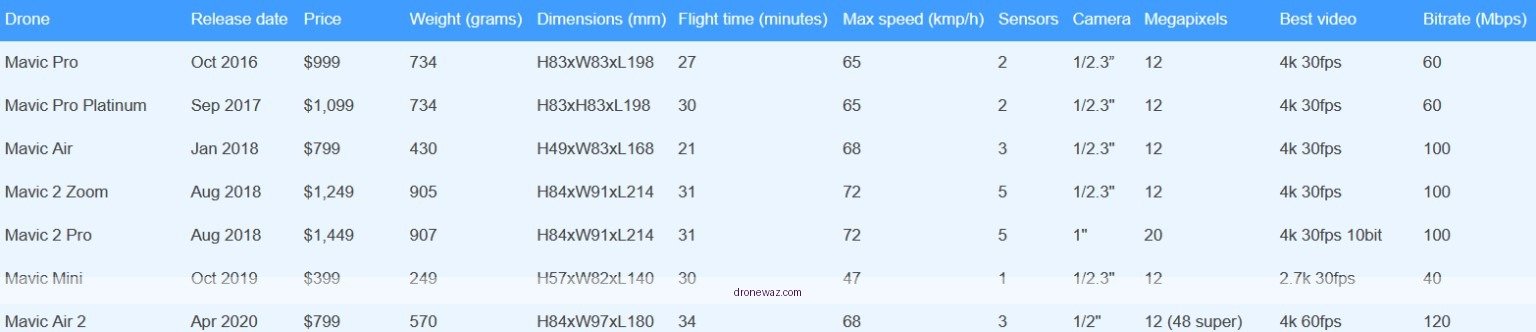
| Feature / Criteria | ✅ DJI Mini | ✅ Mavic Air 2 |
|---|---|---|
| Camera Quality | 12 MP, 2.7K video | 48 MP, 4K video |
| Flight Time | Up to 30 minutes | Up to 34 minutes |
| Weight | 249 grams | 570 grams |
| Price | $399 | $799 |
| Beginner-Friendly | Yes | Moderate |
| Advanced Features | Limited | Extensive |
| Obstacle Avoidance | No | Yes |
Our Verdict
For casual users or beginners, the DJI Mini emerges as the better choice, thanks to its user-friendly interface, portability, and sufficient camera capabilities for everyday photography. In contrast, if you are a professional or serious hobbyist seeking advanced features and superior image quality, the Mavic Air 2 stands out as the clear winner, offering a range of professional-grade options. Ultimately, your decision should reflect your experience level and specific needs, ensuring that you invest in a drone that enhances your flying experience and meets your expectations.
When the Answer Flips
If you are a beginner but anticipate quickly advancing your skills and desire high-quality footage, investing in the Mavic Air 2 from the outset can save you from needing an upgrade shortly after your initial purchase. In situations where you intend to use the drone for more serious videography or commercial purposes, the extra cost of the Mavic Air 2 becomes justifiable, providing advanced features that make it a better long-term investment, despite its steeper learning curve. Additionally, if you frequently fly in challenging environments where advanced obstacle avoidance is essential, the Mavic Air 2’s superior technology could outweigh the DJI Mini’s ease of use.
By weighing these factors carefully, you can make an informed decision that aligns with both your current needs and future aspirations in the world of drone flying.
Frequently Asked Questions
What are the most important features to look for in personal drone reviews?
When reading personal drone reviews, it’s crucial to focus on features like camera quality, flight time, range, and ease of use. Additionally, consider the drone’s durability, GPS capabilities, and whether it has obstacle avoidance technology. These features significantly impact your flying experience and the quality of the footage you can capture.
How do personal drone reviews compare different models?
Personal drone reviews typically compare models based on performance metrics such as stability, battery life, and camera specifications. Reviewers often conduct side-by-side tests to evaluate flight characteristics and usability, providing insights into which drone may be best for specific needs, such as aerial photography or recreational use.
Why should I trust personal drone reviews from expert sources?
Trusting personal drone reviews from expert sources is essential because they offer in-depth analysis and unbiased evaluations based on hands-on experience. Experts often provide detailed comparisons, highlight pros and cons, and ensure that the information is accurate and relevant, which helps you make informed purchasing decisions.
What is the best personal drone for beginners according to recent reviews?
According to recent reviews, the best personal drone for beginners is often the DJI Mini SE, praised for its user-friendly features, lightweight design, and impressive camera quality. It offers a great balance between performance and ease of use, making it an excellent choice for those new to flying drones.
Which personal drone reviews provide the most comprehensive buying guides?
Comprehensive buying guides can often be found in personal drone reviews from tech websites like CNET, TechRadar, and DroneDJ. These guides typically cover essential factors such as budget, intended use, and regulatory considerations, helping readers navigate the complexities of choosing the right drone for their needs.
References
- Drone
https://en.wikipedia.org/wiki/Drone - https://www.bbc.com/news/technology-48675958
https://www.bbc.com/news/technology-48675958 - https://www.theguardian.com/technology/2019/nov/04/drone-review-what-are-the-best-drones-to-buy
https://www.theguardian.com/technology/2019/nov/04/drone-review-what-are-the-best-drones-to-buy - https://www.sciencedirect.com/science/article/pii/S2352864819300020
https://www.sciencedirect.com/science/article/pii/S2352864819300020 - https://www.nytimes.com/2021/10/05/technology/personal-drones.html
https://www.nytimes.com/2021/10/05/technology/personal-drones.html - https://www.nature.com/articles/s41598-021-94714-7
https://www.nature.com/articles/s41598-021-94714-7 - Google Scholar Google Scholar
https://scholar.google.com/scholar?q=personal+drone+reviews - Google Scholar Google Scholar
https://scholar.google.com/scholar?q=consumer+drones+reviews - Google Scholar Google Scholar
https://scholar.google.com/scholar?q=drones+for+personal+use+reviews - https://www.pubmed.ncbi.nlm.nih.gov/34982032/
https://www.pubmed.ncbi.nlm.nih.gov/34982032/
