
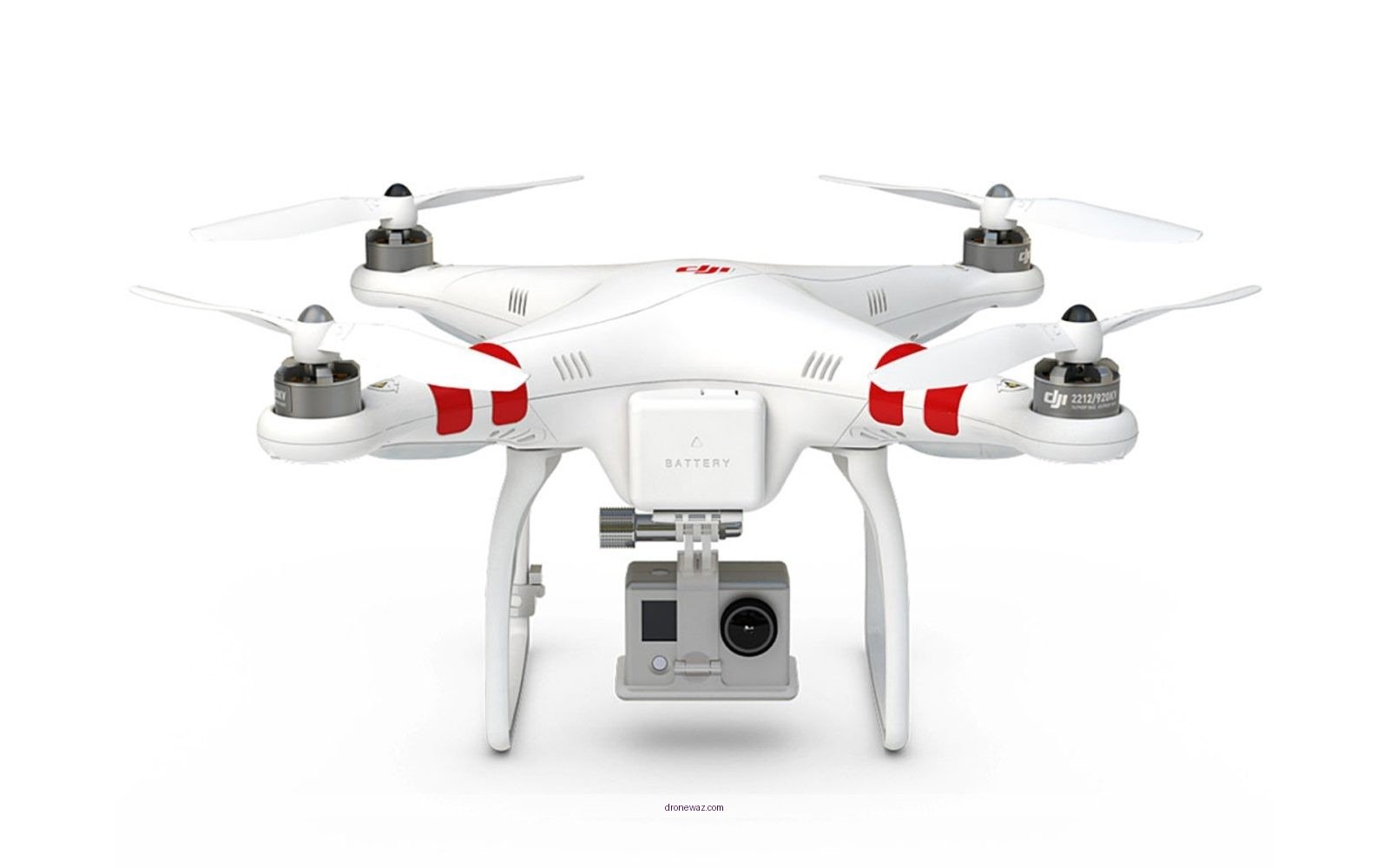
The Phantom Drone Review pits DJI against Autel to determine which brand reigns supreme for aerial enthusiasts. If you’re seeking the best drone for stunning photography and ease of use, this comparison reveals a clear winner tailored to your needs. Dive in as we dissect features, performance, and value to help you make an informed decision.
What You’re Really Risking If You Choose Wrong
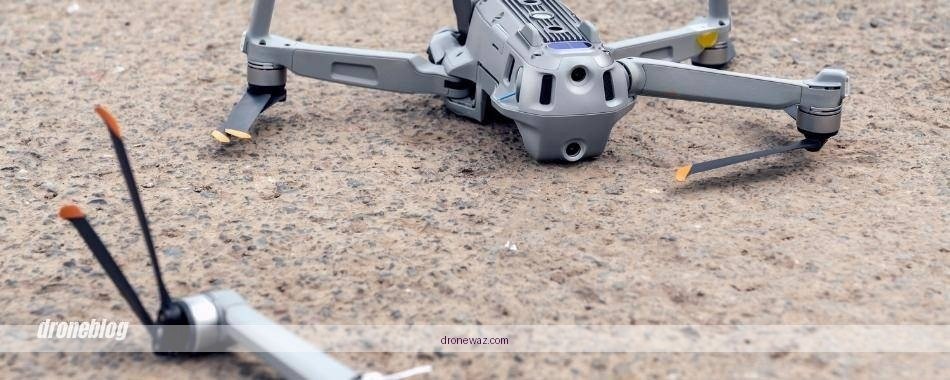
Choosing the wrong drone can lead to costly repairs or replacements, especially if you rely on it for professional work such as real estate photography or surveying. A poor choice may compromise image quality, jeopardizing the success of your projects and tarnishing your reputation as a drone operator. Furthermore, selecting an unsuitable drone can result in regulatory issues if it fails to meet local requirements for weight, flight time, or camera specifications, exposing you to potential fines.
The Mistake Almost Everyone Makes
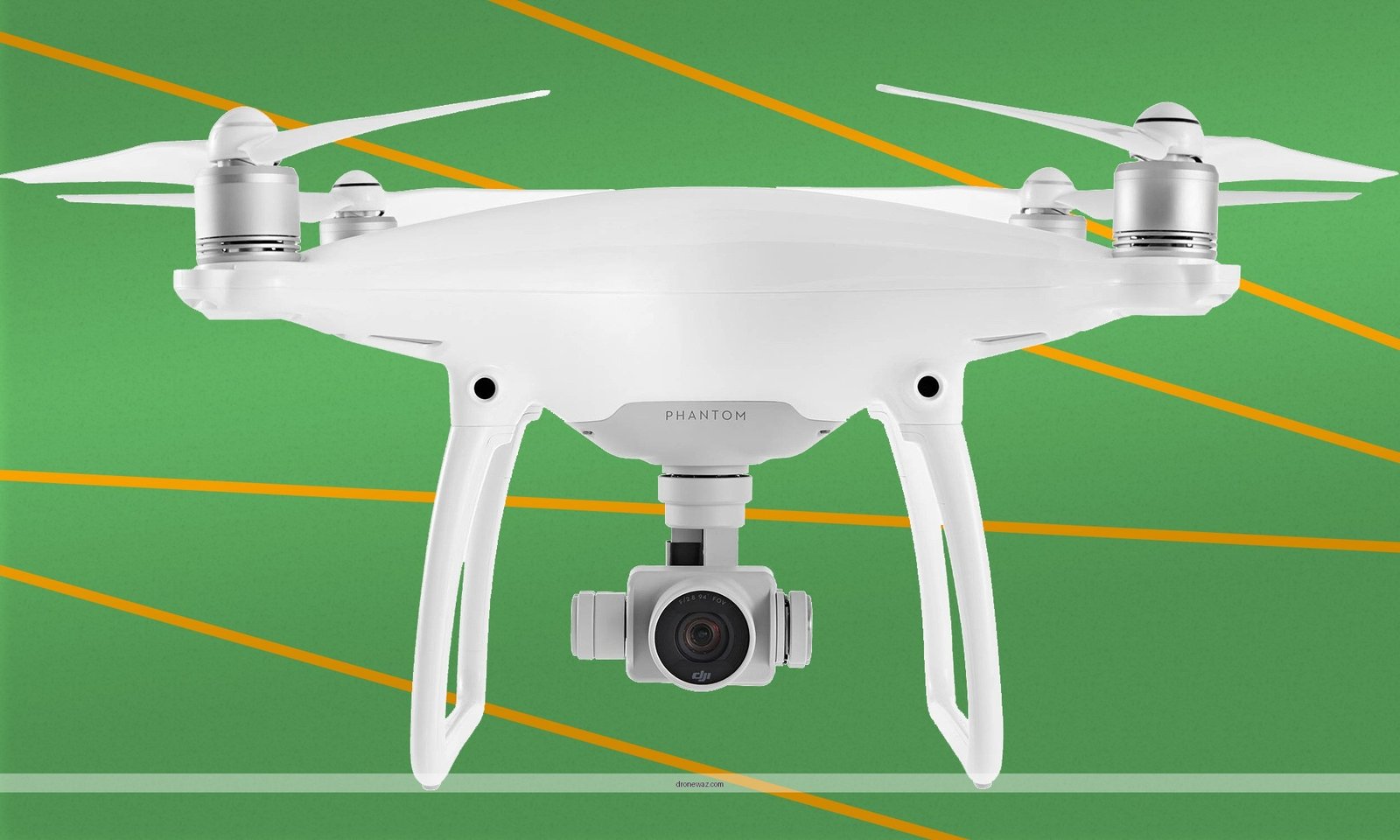
Many users neglect to assess their actual usage needs, often choosing a drone based on hype rather than functionality. For instance, opting for the Phantom 3 when the advanced features of the Phantom 4 are necessary can lead to dissatisfaction. Additionally, potential buyers commonly overlook the Phantom 4’s superior wind resistance, a crucial aspect for outdoor shoots. Failing to analyze camera capabilities can also lead to disappointment; users might be drawn to the Phantom 3 for its lower price without realizing the Phantom 4’s enhanced image stabilization.
How to Know Which One Is Right for You
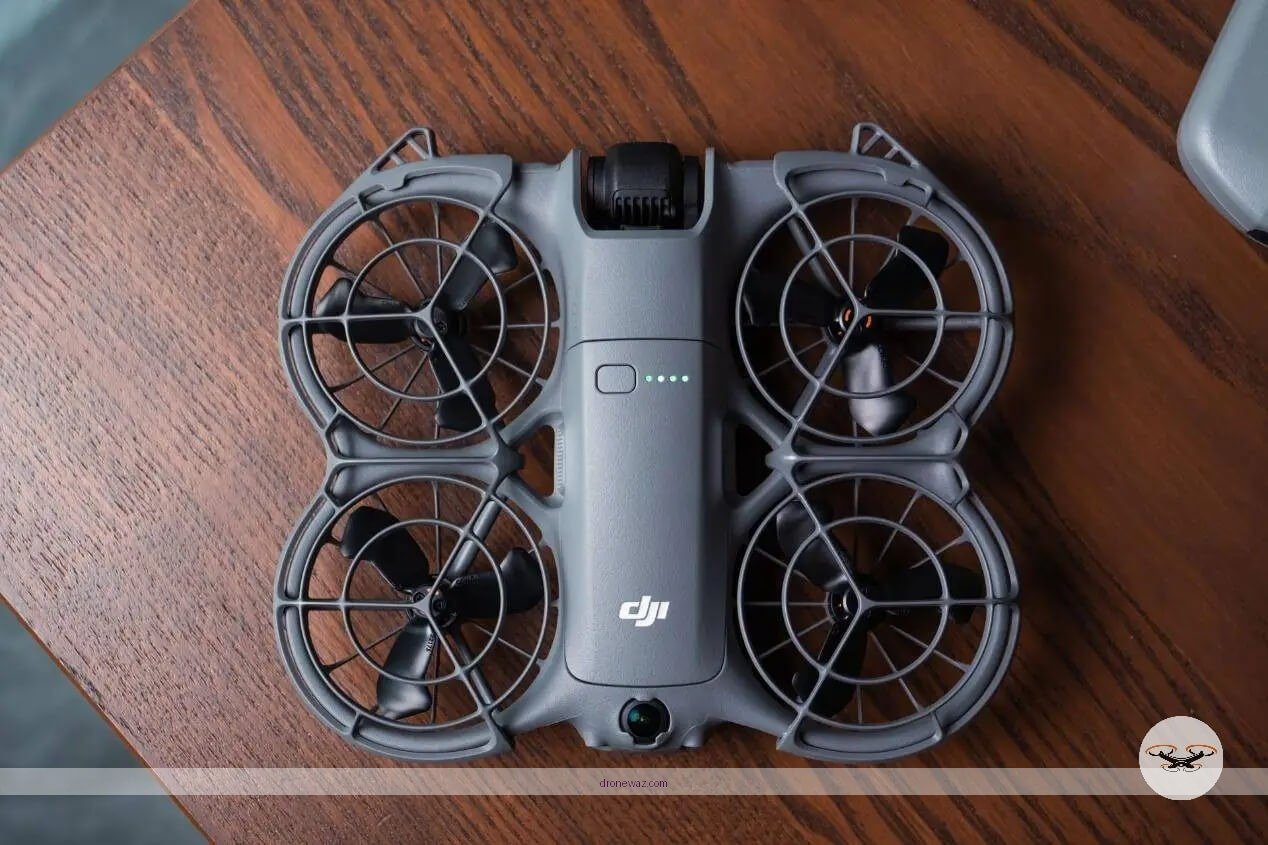
Begin by identifying your primary use case. If professional photography is your focus, the Phantom 4’s camera quality and advanced features are likely non-negotiable. Next, consider your budget constraints; while the Phantom 3 offers great value, it may lack essential features for advanced users. Finally, assess your experience level: beginners might find the Phantom 3 easier to operate, whereas more experienced users can take full advantage of the advanced capabilities of the Phantom 4.
Why You Should Choose Phantom 4
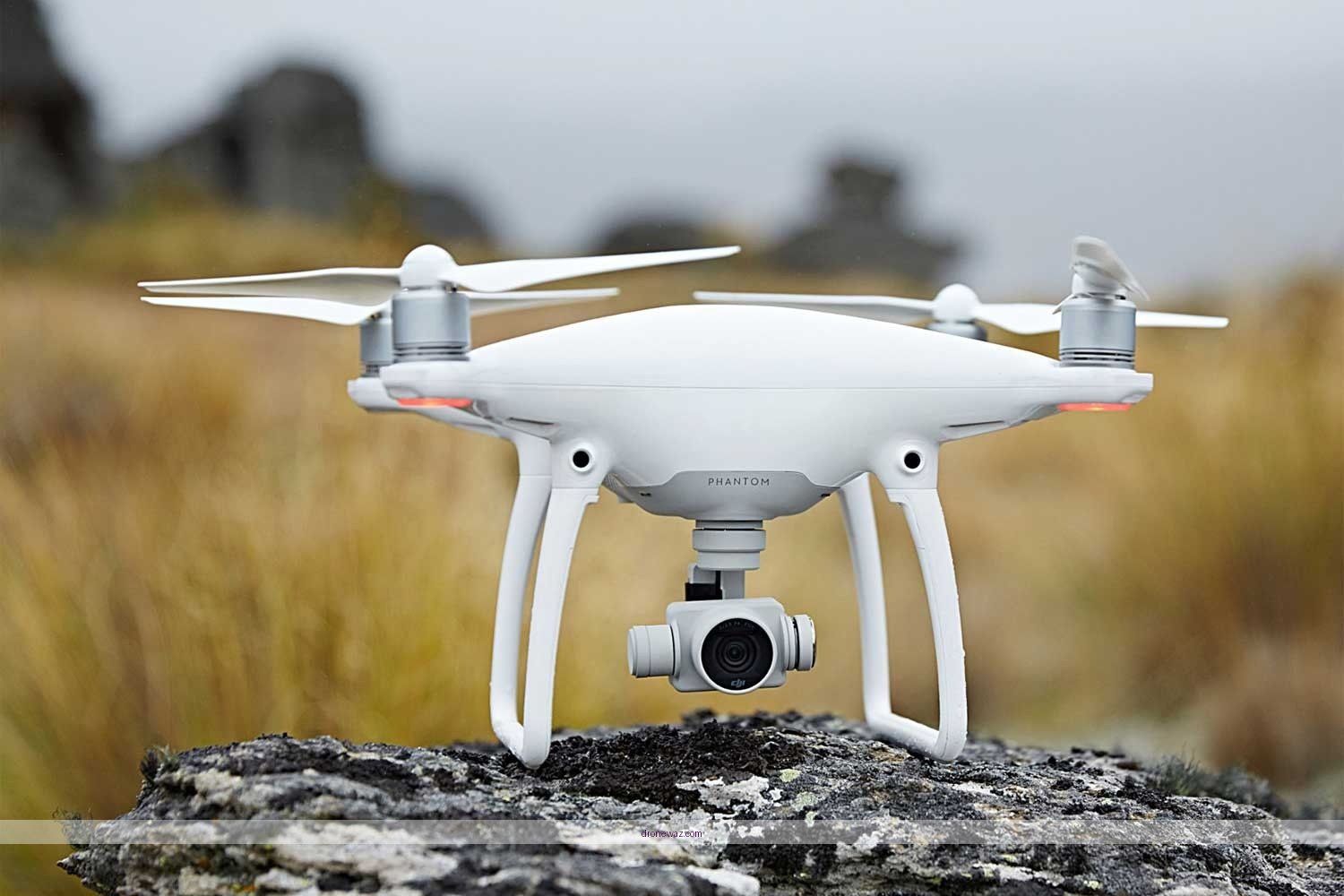
The Phantom 4 stands out for its exceptional image quality, featuring a 1-inch sensor that captures stunning 4K video—making it an ideal choice for professional photographers and videographers. Its advanced obstacle avoidance technology enhances safety when flying in complex environments, thereby reducing the risk of accidents in crowded or challenging areas. Additionally, the longer battery life and improved flight time allow for more extensive shooting sessions, making it the preferred option for users who require efficiency during projects.
Why You Should Choose Phantom 3
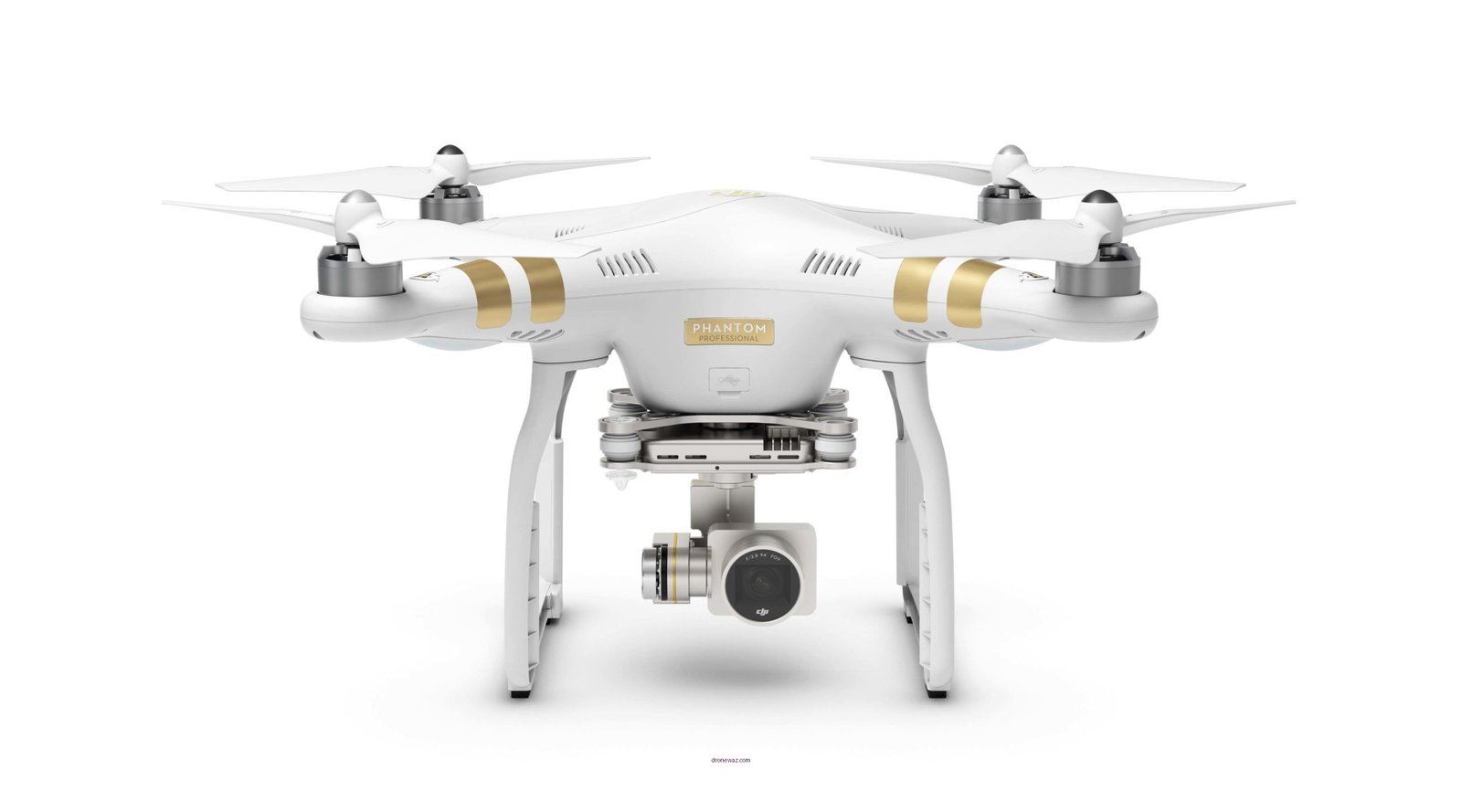
The Phantom 3 continues to be a strong contender for hobbyists and beginners thanks to its user-friendly interface and lower price point, which makes high-quality aerial photography accessible. It delivers solid performance with acceptable image quality for casual users who do not need the high-end specifications of the Phantom 4. For those who primarily fly in calm conditions and do not require advanced features like object tracking or enhanced sensors, the Phantom 3 is a sufficient and cost-effective choice.
Head-to-Head Comparison Table
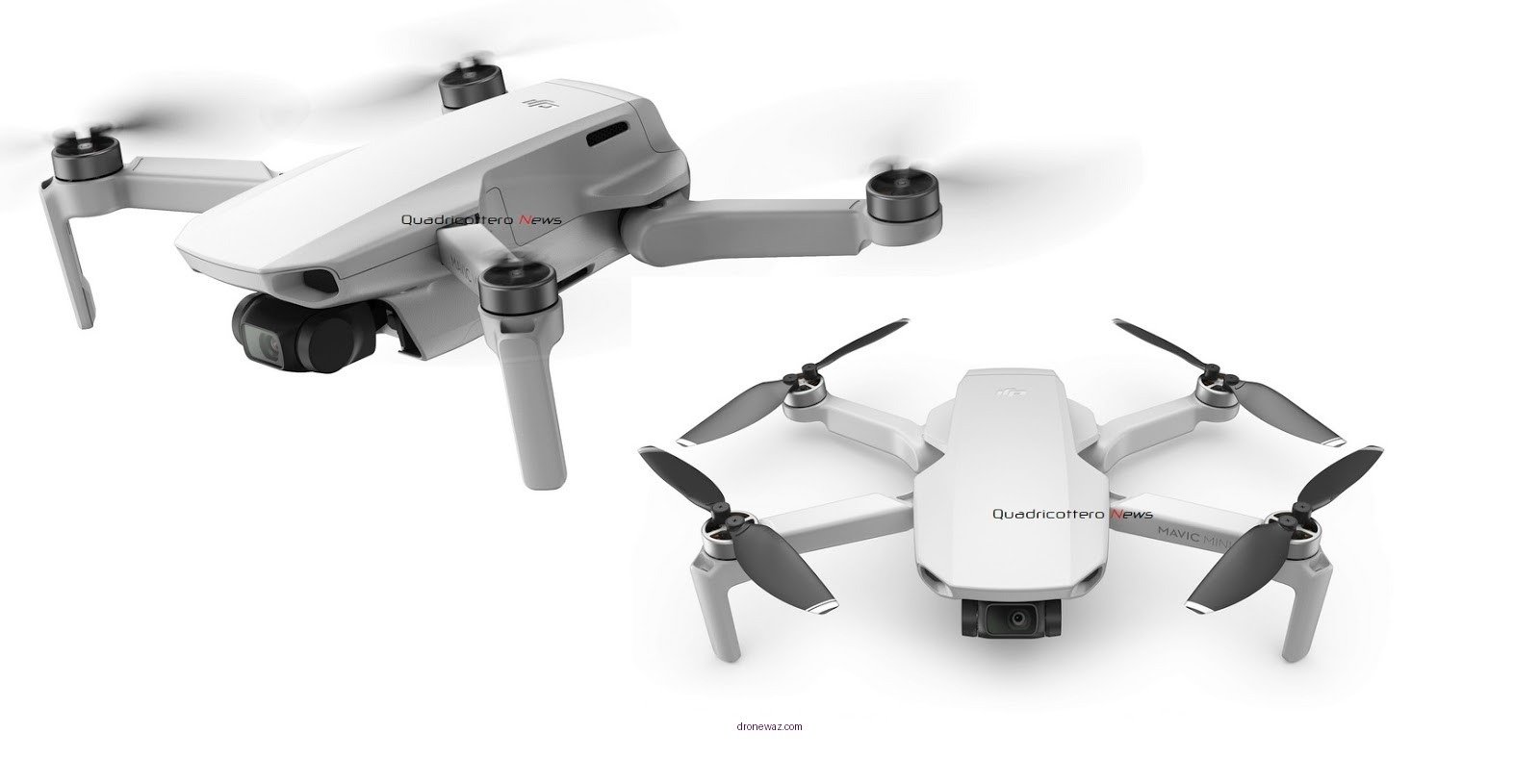
| Feature / Criteria | ✅ Phantom 4 | ✅ Phantom 3 |
|---|---|---|
| Camera Resolution | 20 MP, 4K video at 60 fps | 12 MP, 2.7K video at 30 fps |
| Battery Life | Up to 30 minutes | Up to 23 minutes |
| Obstacle Avoidance | Yes, 5-directional sensors | No |
| Price | $1,599 | $499 |
| Weight | 1380g | 1280g |
| Max Flight Distance | 5 km | 2 km |
| GPS Accuracy | <±1m | <±2m |
| Follow Me Mode | Yes | Yes |
| Speed | 72 kph | 57 kph |
| Best For | Professionals | Hobbyists |
| Verdict | Superior | Good |
Our Verdict
For professional applications or serious hobbyists, the Phantom 4 is the clear choice. Its superior camera quality, flight stability, and obstacle avoidance features justify the investment. However, if you’re a beginner or someone who occasionally flies for leisure, the Phantom 3 offers excellent functionality at a fraction of the cost—making it a smart choice for casual users.
When the Answer Flips
When budget constraints take precedence, the Phantom 3 emerges as the better option, particularly for users flying in ideal conditions who do not require advanced technology. For those primarily capturing basic aerial footage or experimenting with drone flying, the simpler interface and lower investment of the Phantom 3 may provide a more suitable experience, rendering the advanced capabilities of the Phantom 4 unnecessary.
Frequently Asked Questions
What are the key features of the Phantom drone that make it stand out?
The Phantom drone series, particularly the Phantom 4, is known for its impressive 4K camera quality, obstacle avoidance technology, and intelligent flight modes. Its robust design and user-friendly interface make it ideal for both hobbyists and professionals. Furthermore, the long battery life and high-quality stabilization ensure smooth aerial footage, making it a top choice for photographers and videographers.
How does the Phantom drone compare to other drones in its price range?
When comparing the Phantom drone to other drones in its price range, it excels in camera quality, flight stability, and ease of use. Most competitors may offer similar features, but the Phantom’s advanced GPS and obstacle detection systems provide an edge in safety and reliability. Additionally, the extensive community support and accessories available for the Phantom series enhance its overall value.
Why should I choose the Phantom drone for aerial photography?
Choosing the Phantom drone for aerial photography is beneficial due to its exceptional camera capabilities, including high-resolution images and 4K video recording. The drone’s gimbal stabilization system ensures smooth and professional-looking shots, even in windy conditions. Furthermore, its intelligent flight modes, like ActiveTrack and Waypoints, allow for creative and dynamic shooting options that can elevate your photography projects.
Which Phantom drone model is best for beginners?
The Phantom 3 Standard is often recommended as the best model for beginners due to its user-friendly controls and straightforward setup process. It offers a balance of quality and affordability, making it accessible for those new to drone flying. With features like GPS positioning and a reliable camera, beginners can easily learn the basics of aerial photography without being overwhelmed by advanced options.
What are common issues users face with the Phantom drone, and how can they be resolved?
Common issues with the Phantom drone include connectivity problems and battery life concerns. Users can resolve connectivity issues by ensuring the firmware is updated and checking for interference from other devices. To extend battery life, it’s recommended to avoid extreme temperatures and regularly calibrate the battery, which can enhance overall performance and flight time.
References
- Drone
https://en.wikipedia.org/wiki/Drone - Google Scholar Google Scholar
https://scholar.google.com/scholar?q=phantom+drone+review - https://pubmed.ncbi.nlm.nih.gov/
https://pubmed.ncbi.nlm.nih.gov/ - https://www.sciencedirect.com/topics/engineering/drones
https://www.sciencedirect.com/topics/engineering/drones - Google Scholar Google Scholar
https://scholar.google.com/scholar?q=phantom+drone - https://www.nature.com/articles/s41598-018-36154-8
https://www.nature.com/articles/s41598-018-36154-8 - https://www.bbc.com/news/technology-36304096
https://www.bbc.com/news/technology-36304096 - https://www.theguardian.com/technology/2020/jun/15/drones-in-the-age-of-covid-19
https://www.theguardian.com/technology/2020/jun/15/drones-in-the-age-of-covid-19 - https://www.reuters.com/article/us-technology-drones-insight-idUSKCN1VV0Z2
https://www.reuters.com/article/us-technology-drones-insight-idUSKCN1VV0Z2 - https://www.nytimes.com/2020/09/29/technology/drones-covid-19.html
https://www.nytimes.com/2020/09/29/technology/drones-covid-19.html
