
DJI vs Autel: Which photography drone delivers the best value? This comparison decisively reveals that DJI comes out on top for professional photographers seeking advanced features and superior image quality, while Autel shines for those prioritizing affordability and ease of use. Discover the specific conditions that make each brand the preferred choice for different types of users.
What You’re Really Risking If You Choose Wrong
Choosing the wrong photography drone can lead to disappointing image quality, resulting in missed opportunities for professional photographers who depend on sharp, high-resolution images. A drone with poor battery life can mean losing the chance to capture essential moments, particularly in landscape or event photography where every second counts. Furthermore, opting for a drone lacking in stability can produce shaky footage, rendering it unfit for commercial use or high-quality personal projects and ultimately affecting your reputation. The financial investment in a drone that fails to meet your needs can be substantial, leading to regrets and additional costs if an early upgrade becomes necessary.
The Mistake Almost Everyone Makes
Many users tend to focus solely on camera specifications like megapixels while overlooking crucial factors such as lens quality and sensor size, both of which are vital for high-quality photography. Additionally, buyers often neglect the importance of software compatibility and post-processing capabilities, mistakenly assuming all drones offer similar editing options. A common pitfall is disregarding ease of use; complex controls can stifle creative expression, especially for beginners. Users frequently fail to consider local regulations and restrictions regarding drone usage, which can significantly limit photography opportunities in certain areas.
How to Know Which One Is Right for You
Start by identifying your primary photography needs: Are you a professional seeking high-quality imagery, or an amateur capturing family moments? Assess your budget and distinguish between essential features and those that are simply nice-to-have, such as camera quality, battery life, and additional functionalities like obstacle avoidance. Consider your experience level with drones; novice users may find DJI’s user-friendly interface more appealing, while seasoned pilots might prefer the advanced features offered by Autel. Finally, evaluate the types of environments you’ll be flying in—DJI might excel in urban settings, whereas Autel could be better suited for rugged outdoor landscapes.
Why You Should Choose DJI
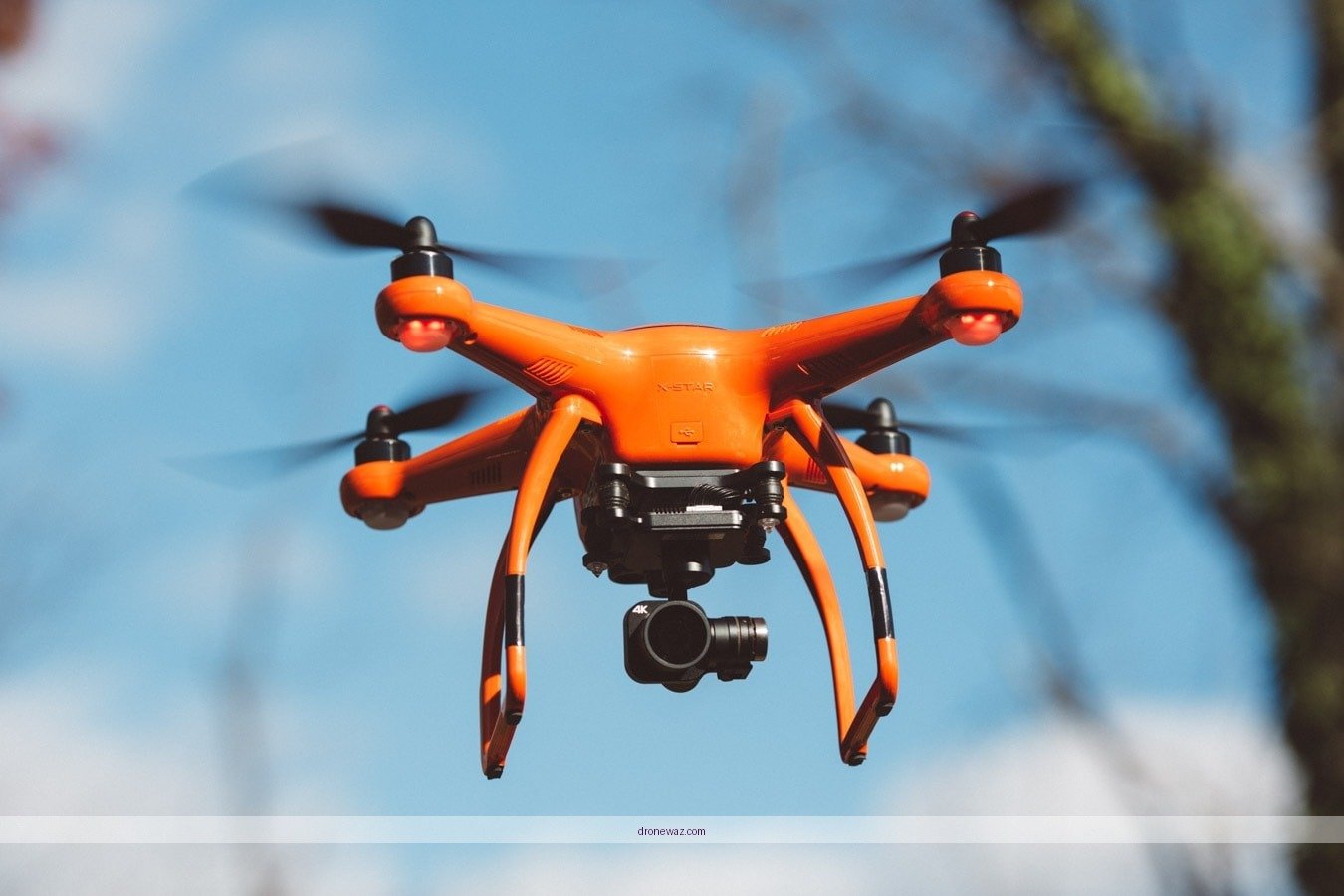
DJI drones are renowned for their superior camera quality, making them ideal for professional photographers who demand high-resolution images and advanced shooting modes. For instance, the DJI Mavic 3 boasts a stunning 20MP camera capable of capturing 5.1K video, ensuring every detail is preserved. The extensive ecosystem surrounding DJI, which includes editing software and accessories, enhances the overall photography experience and streamlines post-production. Additionally, DJI’s intuitive controls and robust safety features assist beginners in capturing impressive shots without confronting a steep learning curve. In low-light conditions, DJI drones typically perform better, allowing for clearer and more vibrant images during sunset or nighttime shoots. The company’s strong reputation for customer support further solidifies its status as a top choice for many photographers.
Why You Should Choose Autel
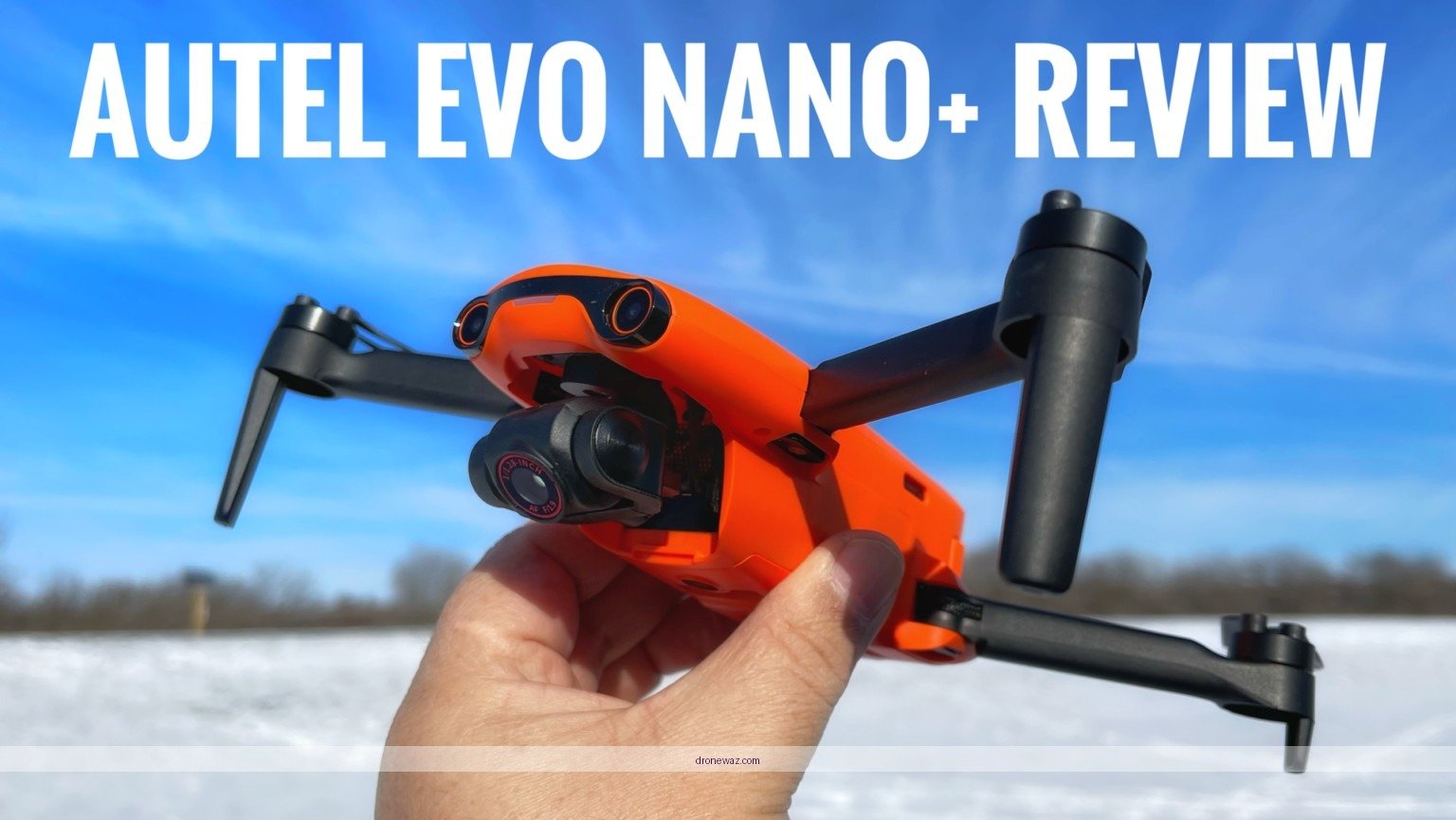
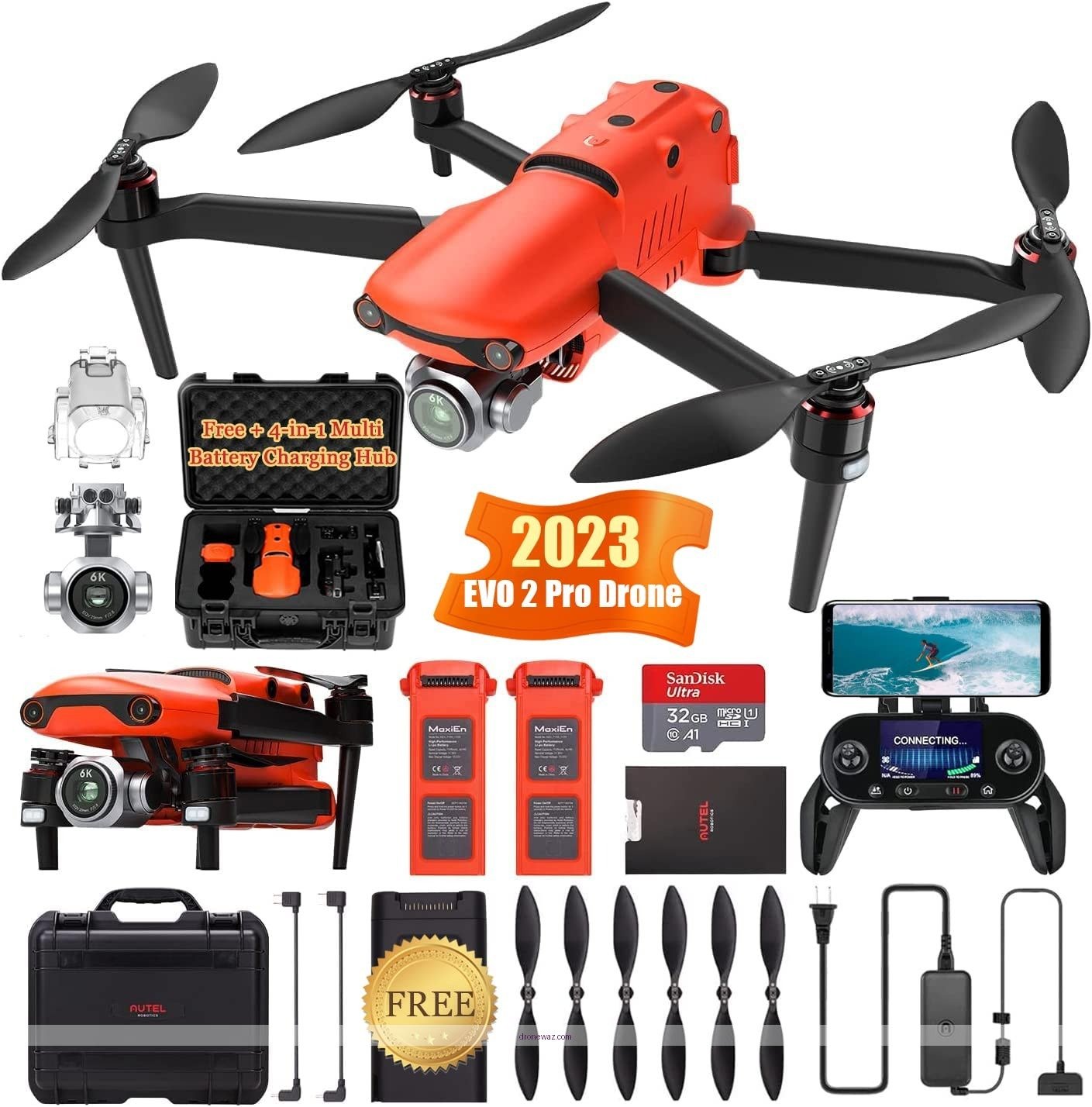
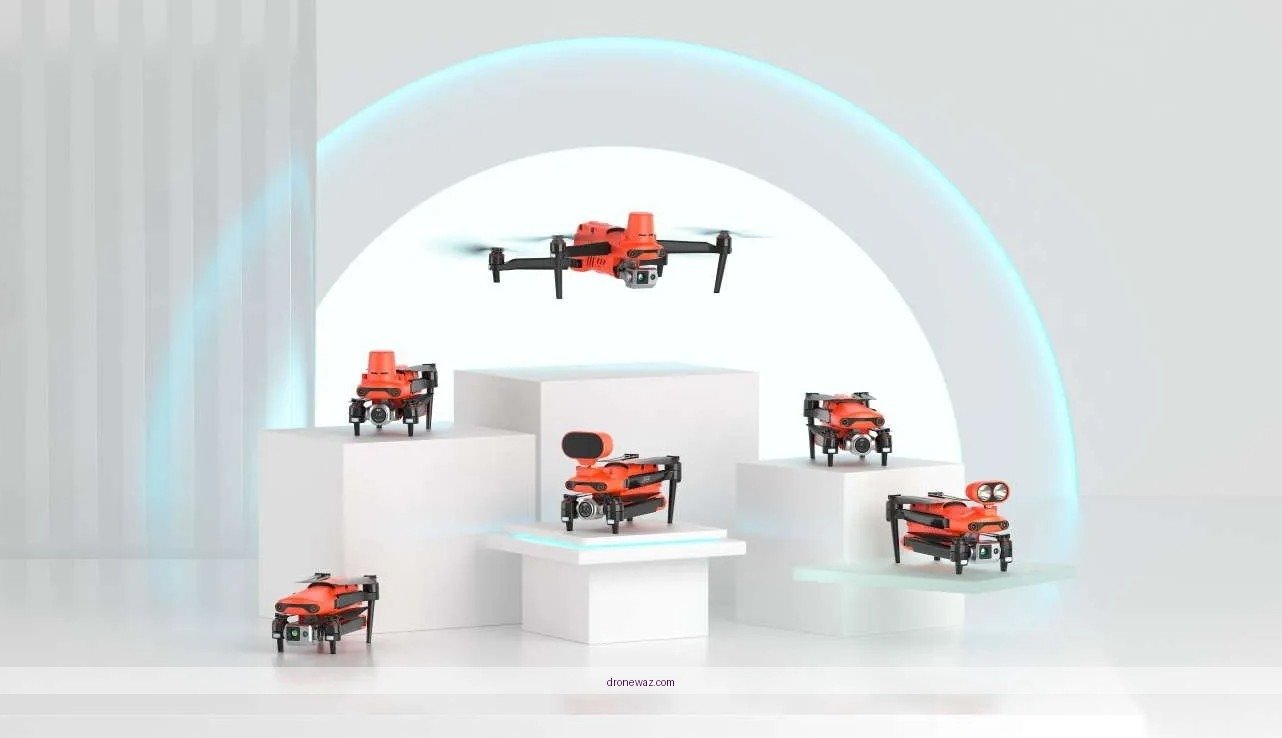
Autel drones often provide a wider dynamic range and improved color accuracy, which can be particularly advantageous for photographers focused on vibrant landscapes. The Autel EVO Lite+, for example, features a 50MP camera and can shoot 6K video, appealing to those who prioritize image quality. For users who value portability, Autel’s compact designs facilitate travel, making them perfect for adventure photographers on the go. Furthermore, Autel incorporates advanced obstacle avoidance technology with 12 sensors to ensure safety and smooth flight paths, especially in complex environments. The customizable camera settings available in Autel drones allow experienced users to fine-tune their shooting experience, making it a preferred choice for those seeking creative control.
Head-to-Head Comparison Table
| Feature / Criteria | ✅ DJI | ✅ Autel |
|---|---|---|
| Camera Resolution | 20MP (5.1K) | 50MP (6K) |
| Battery Life | 30 minutes | 40 minutes |
| Weight | 895g | 835g |
| Obstacle Avoidance | 6-way sensors | 12-way sensors |
| Price Range | $1,599 | $1,299 |
| User-Friendliness | High | Moderate |
| Post-Processing Software | DJI Fly App | Autel Explorer App |
Our Verdict
Choose DJI if you are a professional photographer or a serious hobbyist focused on superior image quality and ease of use. The advanced features and comprehensive ecosystem support make it the recommended choice. Opt for Autel if you’re an adventurer who values portability, longer flight times, and advanced obstacle avoidance. Beginners seeking a straightforward drone experience for casual photography should lean towards DJI, while those with some drone experience may find Autel’s flexibility more appealing.
When the Answer Flips
If your primary shooting environment consists of wide-open landscapes where dynamic range and color accuracy are critical, Autel’s performance can outshine that of DJI, making it the superior choice in those scenarios. For frequent travelers who require lightweight gear, Autel’s compact design and extended battery life can outweigh DJI’s advantages, especially for aerial photography in remote locations. Additionally, in situations where advanced obstacle avoidance is essential—such as navigating through dense forests or urban environments—Autel’s superior sensors provide a distinct edge over DJI, making it the preferred option.
In conclusion, both DJI and Autel offer remarkable drones tailored to different needs. By understanding the specific strengths of each brand, you can make an informed choice that enhances your photography experience and meets your unique requirements.
Frequently Asked Questions
What should I look for in photography drone reviews?
When reading photography drone reviews, focus on key aspects such as camera quality, flight time, ease of use, and stability. Additionally, check for user feedback on image quality and features like obstacle avoidance systems. These details will help you choose a drone that meets your photography needs effectively.
How do I compare different photography drones based on reviews?
To compare different photography drones, start by looking at side-by-side reviews that highlight specifications like camera resolution, lens type, and flight capabilities. Pay attention to user experiences regarding ease of setup and software features. This comprehensive approach will ensure you find the best drone suited for your photography style.
Why are photography drone reviews important before making a purchase?
Photography drone reviews are crucial as they provide real-world insights into a drone’s performance and reliability from actual users. They help you understand potential issues, such as battery life and camera quality, which may not be evident from manufacturer specifications. This information can guide you towards a more informed purchasing decision, ensuring you invest in a drone that delivers excellent photographic results.
What is the best photography drone for beginners according to reviews?
According to recent reviews, the DJI Mini 2 is often recommended as the best photography drone for beginners. It combines a user-friendly interface with impressive 12MP camera capabilities and 4K video recording, making it accessible for newcomers. Its lightweight design and robust features allow for easy handling and great image quality, perfect for those just starting in aerial photography.
Which features are essential in photography drones as highlighted in reviews?
Essential features highlighted in photography drone reviews include high-resolution cameras, gimbal stabilization for smooth footage, and long battery life for extended flying time. Additionally, look for drones with intelligent flight modes and GPS capabilities, which can enhance your shooting experience. These features not only improve image quality but also make flying safer and more enjoyable.
References
- Aerial photography
https://en.wikipedia.org/wiki/Drone_photography - https://www.sciencedirect.com/topics/engineering/drone-photography
https://www.sciencedirect.com/topics/engineering/drone-photography - https://www.nature.com/articles/s41598-019-41124-2
https://www.nature.com/articles/s41598-019-41124-2 - https://www.bbc.com/news/technology-49393336
https://www.bbc.com/news/technology-49393336 - https://www.theguardian.com/technology/2019/sep/25/drones-photography-reviews-2020
https://www.theguardian.com/technology/2019/sep/25/drones-photography-reviews-2020 - https://www.reuters.com/article/us-tech-drones-photography-idUSKBN1WG1V9
https://www.reuters.com/article/us-tech-drones-photography-idUSKBN1WG1V9 - Google Scholar Google Scholar
https://scholar.google.com/scholar?q=photography+drone+reviews - Google Scholar Google Scholar
https://scholar.google.com/scholar?q=drone+photography+technology - Google Scholar Google Scholar
https://scholar.google.com/scholar?q=drone+photography+applications - https://www.britannica.com/technology/drone-photography
https://www.britannica.com/technology/drone-photography
