
The quest for the best racing drone culminates here, as we compare top models to determine which one truly takes the crown. By evaluating speed, agility, and overall performance, we reveal the standout choice for both novice and seasoned racers. Discover which drone excels under competitive conditions and why it outshines the rest in this high-stakes showdown.
What You’re Really Risking If You Choose Wrong
Choosing the wrong racing drone can lead to substantial financial losses, especially given the high costs associated with components and repairs in this competitive sport. An ill-informed decision may result in frustrating performance issues during races, such as inadequate speed or instability, ultimately costing you valuable victories. In a sport where milliseconds can determine the outcome, a subpar drone can jeopardize your chances of winning, impacting both your reputation and potential sponsorships. Additionally, the drone racing community places a premium on credibility; selecting a lower-performing drone can damage your standing among peers and hinder future opportunities.
The Mistake Almost Everyone Makes
Many new racers often overlook critical specifications like flight time and battery efficiency when comparing drones, leading to disappointing race performances. A common pitfall is neglecting the learning curve associated with different drone models; advanced drones can intimidate beginners or demand more technical skills. Furthermore, relying solely on online reviews or brand names without testing the drones in real-world conditions frequently results in misjudgments about their true capabilities. This oversight not only hampers skill development but can also lead to regrettable financial investments.
How to Know Which One Is Right for You
To make an informed choice, start by assessing your racing experience level: beginners should look for user-friendly drones, while seasoned pilots may desire advanced features and customization options. Next, consider the type of racing you plan to engage in; different drones excel in specific environments, whether indoor, outdoor, or obstacle courses. Lastly, factor in your budget, as high-end models may deliver superior performance but might be unnecessary for casual racers or newcomers.
Why You Should Choose DJI
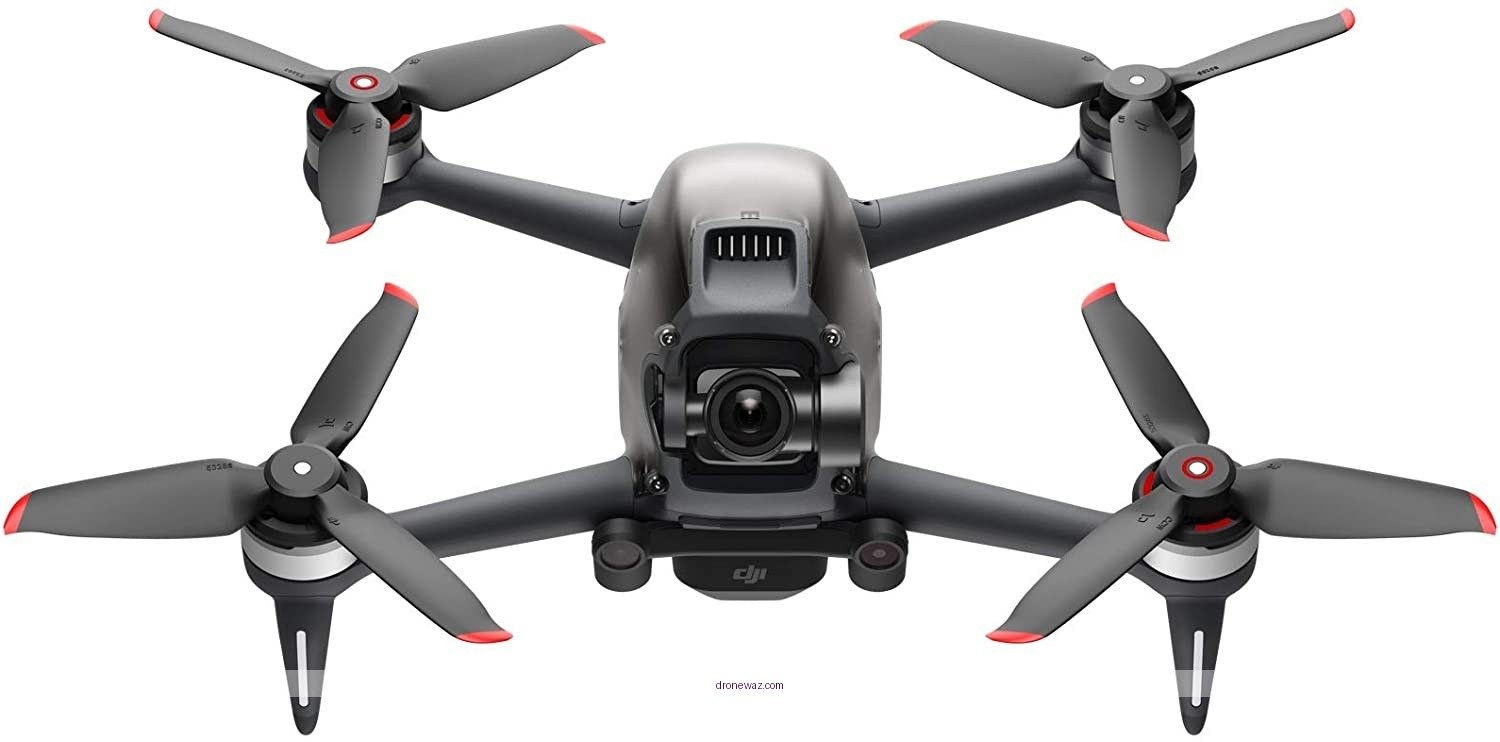
DJI drones are renowned for their reliability and stability, making them an excellent choice for beginners who require a forgiving platform to master the fundamentals of racing. The integrated technology in DJI models, such as GPS positioning and advanced flight modes, offers users a competitive edge in precision and control. For example, the DJI FPV drone features a unique “S Mode” that blends the ease of traditional flying with racing agility, instilling confidence in newcomers as they hone their skills.
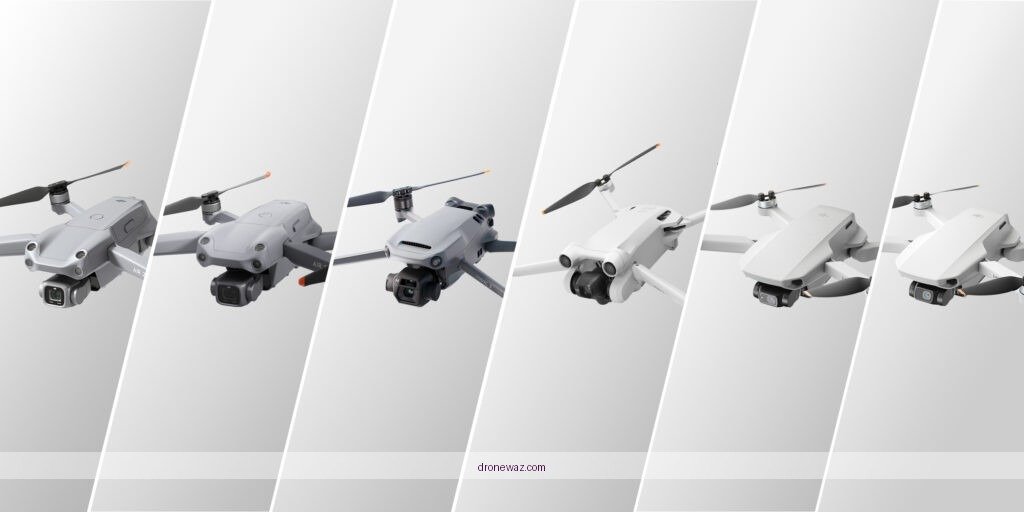
Moreover, if you value high-quality video output for capturing your races, DJI excels in camera technology while providing outstanding FPV experiences. The DJI Air 2S boasts a 1-inch CMOS sensor for breathtaking 5.4K video, ensuring that your racing footage is not only exhilarating but also visually stunning. This capability can be transformative for content creators and racers eager to showcase their talents.
Why You Should Choose Fat Shark
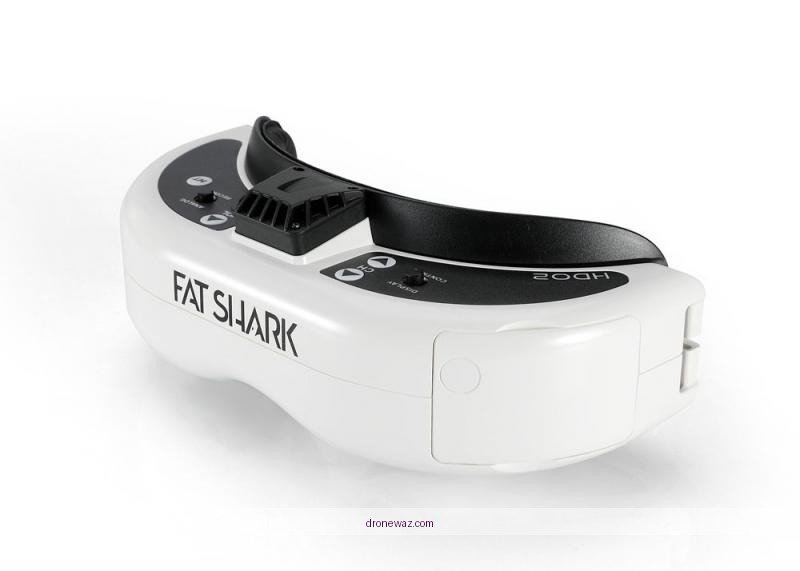
Fat Shark specializes in FPV (First Person View) technology, delivering superior video transmission systems that are crucial for immersive racing experiences. Their drones are designed with customizable features and components, appealing to experienced pilots who wish to fine-tune their racing setups for optimal performance. For instance, the Fat Shark Dominator HD V3 goggles provide a resolution of 1280 x 960, ensuring you capture every detail of the race in crystal clarity.
The popularity of Fat Shark among competitive racers highlights their effectiveness in high-stakes environments, especially under challenging conditions. Their drones’ modular design allows for easy upgrades and repairs, making them a favorite among those who relish the tinkering aspect of drone racing. With a focus on performance and customization, Fat Shark is an excellent choice for seasoned racers looking to push their limits.
Head-to-Head Comparison Table
| Feature / Criteria | ✅ DJI | ✅ Fat Shark |
|---|---|---|
| Pricing | $500-$1,200 | $300-$800 |
| Ease of Use | High | Medium |
| Flight Time | 20 minutes | 15 minutes |
| Camera Quality | 4K HD | 1080p HD |
| Weight | 800 grams | 600 grams |
| Customization Options | Limited | Extensive |
| Customer Support | Excellent | Good |
| Best For | Beginners | Experienced Racers |
| Verdict | Best Overall | Best Performance |
Our Verdict
Opt for DJI if you are a beginner or casual racer seeking ease of use, reliability, and exceptional video quality. The DJI setups facilitate a smoother learning curve and a more enjoyable racing experience. On the other hand, choose Fat Shark if you are an experienced racer who values customization, performance, and the excitement of FPV racing. The Fat Shark drones enhance engagement and optimization, making them more suitable for high-stakes environments.
When the Answer Flips
For experienced pilots who enjoy tinkering and customizing their drones, Fat Shark may represent the better option, irrespective of initial skill level, as it allows for deeper engagement and optimization. In scenarios where high-speed racing is prioritized and camera quality takes a back seat, the Fat Shark drone’s lighter build may offer enhanced agility and speed compared to the heavier DJI model. This agility can be crucial in competitive settings, where every fraction of a second counts.
In conclusion, both DJI and Fat Shark present compelling options tailored to different segments of the racing drone market. Whether you prioritize user-friendliness and video quality or customization and performance enhancements, the right choice is available for you.
Frequently Asked Questions
What are the key features to look for in racing drone reviews?
When examining racing drone reviews, consider features such as flight speed, agility, camera quality, and battery life. Additionally, check for user-friendly controls and durability, as these aspects significantly impact performance and overall racing experience.
How can I choose the best racing drone for beginners?
To select the best racing drone for beginners, look for models that offer stable flight characteristics, easy-to-use controls, and a durable design. Reviews often highlight beginner-friendly drones that come with training modes and are equipped with essential safety features to help new pilots gain confidence.
Why are racing drone reviews important before making a purchase?
Racing drone reviews provide valuable insights into the performance, durability, and user experience of various models. By reading reviews, potential buyers can make informed decisions, avoid costly mistakes, and find a drone that suits their specific racing needs and budget.
Which racing drones are currently rated the highest in 2023?
Some of the highest-rated racing drones in 2023 include models like the DJI FPV, EMAX Tinyhawk II, and the Fat Shark 101. These drones are praised for their speed, maneuverability, and advanced features, making them popular choices among both novice and experienced racers.
How do racing drone reviews impact the drone racing community?
Racing drone reviews play a crucial role in shaping the drone racing community by influencing buying decisions and promoting transparency. They help enthusiasts share their experiences, leading to a culture of informed choices and encouraging manufacturers to improve their products based on user feedback and preferences.
References
- Drone racing
https://en.wikipedia.org/wiki/Drone_racing - https://www.bbc.com/news/technology-56282874
https://www.bbc.com/news/technology-56282874 - https://www.theguardian.com/technology/2021/jul/27/drone-racing-wild-west-technology
https://www.theguardian.com/technology/2021/jul/27/drone-racing-wild-west-technology - https://www.sciencedirect.com/topics/engineering/drone-racing
https://www.sciencedirect.com/topics/engineering/drone-racing - https://pubmed.ncbi.nlm.nih.gov/32472128/
https://pubmed.ncbi.nlm.nih.gov/32472128/ - https://www.nature.com/articles/s41598-020-64341-7
https://www.nature.com/articles/s41598-020-64341-7 - Google Scholar Google Scholar
https://scholar.google.com/scholar?q=racing+drone+reviews - Google Scholar Google Scholar
https://scholar.google.com/scholar?q=drone+racing+technology - https://www.reuters.com/technology/drone-racing-gets-serious-2021-07-27/
https://www.reuters.com/technology/drone-racing-gets-serious-2021-07-27/ - https://www.britannica.com/technology/drone-racing
https://www.britannica.com/technology/drone-racing
