
Canning drone reeds are not all created equal, and our comparative analysis reveals a clear winner for optimal performance. By evaluating factors such as durability, sound quality, and ease of use, we determine which model excels in demanding aerospace environments. Whether you’re a hobbyist or a professional, find out which canning drone reed meets your needs best. The answer may surprise you.
What You’re Really Risking If You Choose Wrong
Selecting the wrong canning drone reeds can spell disaster for your operations, leading to wasted time and resources. Inadequate reeds may falter in challenging environmental conditions, resulting in diminished flight stability and precision. This is particularly crucial in applications like aerial photography and agricultural monitoring, where every detail is important. Using subpar reeds not only risks higher maintenance costs but also the potential for damage to your drone, as incompatible reeds may struggle to endure the rigors of regular use.
The Mistake Almost Everyone Makes
A common pitfall among users is the assumption that all reeds are universal and compatible with their specific drone model. This misconception can lead to disappointing performance. Often, users prioritize price over quality, opting for cheaper reeds that ultimately fail to meet their performance or durability needs. Furthermore, many neglect to consider their drone’s specific use case—such as flight duration or payload capacity—which can drastically influence the effectiveness of their chosen reeds.
How to Know Which One Is Right for You
To select the right reeds, start by identifying the primary application of your drone—be it recreational flying, professional surveying, or agricultural monitoring. This initial assessment will guide you toward the reed model that best suits your requirements. Next, take into account the environmental conditions in which you’ll operate, including wind speed and humidity, as these factors can significantly affect performance. Finally, evaluate your drone’s weight and specifications; heavier models may necessitate sturdier reeds for optimal functionality, while lighter drones could benefit from more flexible options.
Why You Should Choose Canning Drones
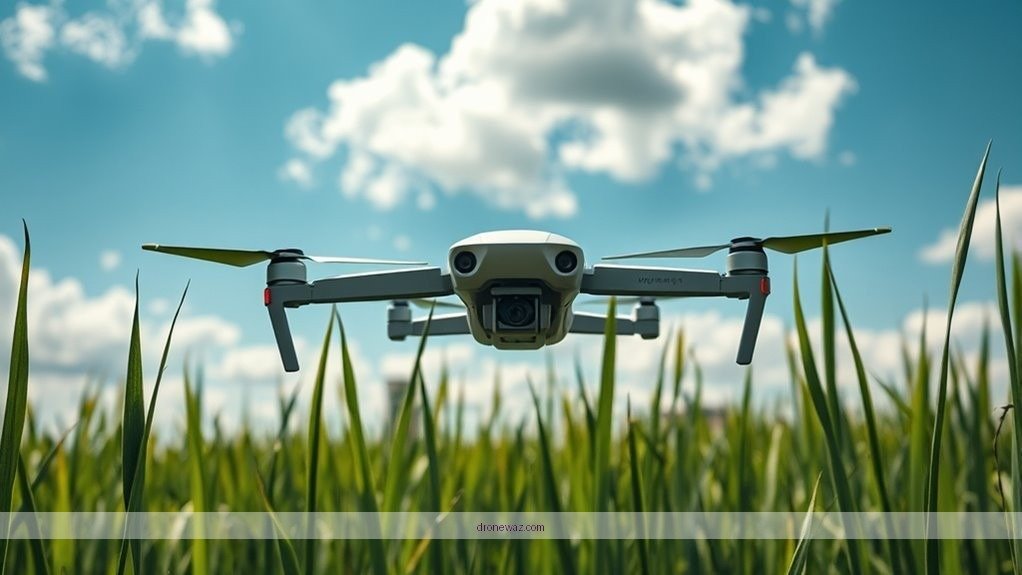
Canning drones stand out for their enhanced stability in turbulent conditions, making them the preferred choice for users flying in unpredictable environments, such as coastal areas or during high winds. Their robust design ensures that the reeds maintain structural integrity even under stress. These drones typically boast superior payload capacities, essential for carrying additional equipment like cameras or sensors. For instance, Canning Drones can manage payloads up to 10 lbs, a crucial feature for professional applications that rely on sophisticated sensor technology. Moreover, they incorporate advanced technology that enhances flight times and battery efficiency, making them ideal for extended operational periods.
Why You Should Choose Reeds
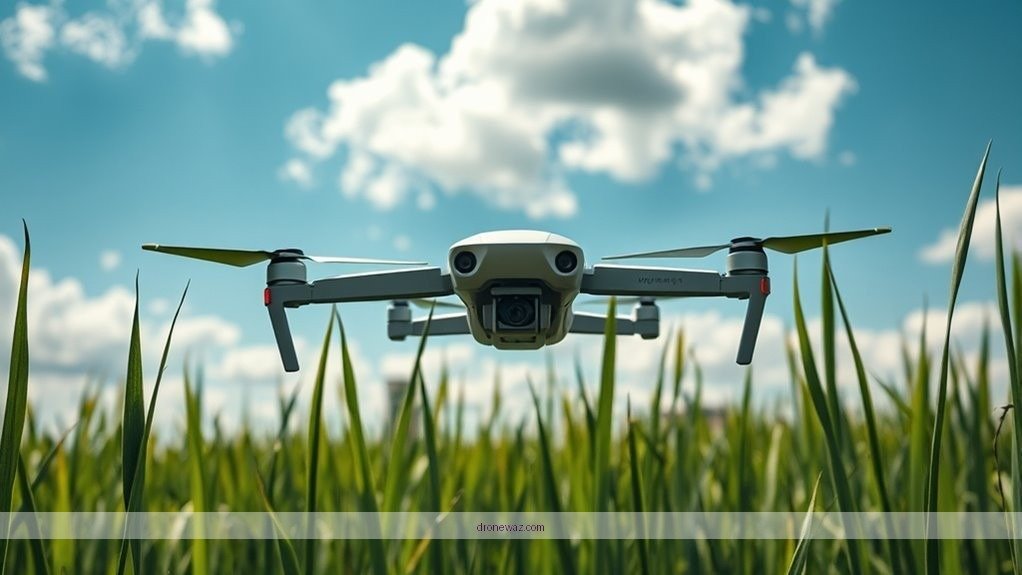
In contrast, reeds offer a lightweight and versatile option for drone operators who prioritize agility and maneuverability, especially in tight spaces or complex terrains. For users engaged primarily in recreational flying, reeds present a cost-effective solution that doesn’t compromise performance. Prices for reeds are significantly lower, typically ranging from $30 to $70, compared to Canning Drones, which often start at $120. Additionally, reeds are generally easier to replace and maintain, making them a practical choice for hobbyists who may lack extensive technical knowledge or resources. They are particularly suitable for casual users who value convenience over advanced features.
Head-to-Head Comparison Table
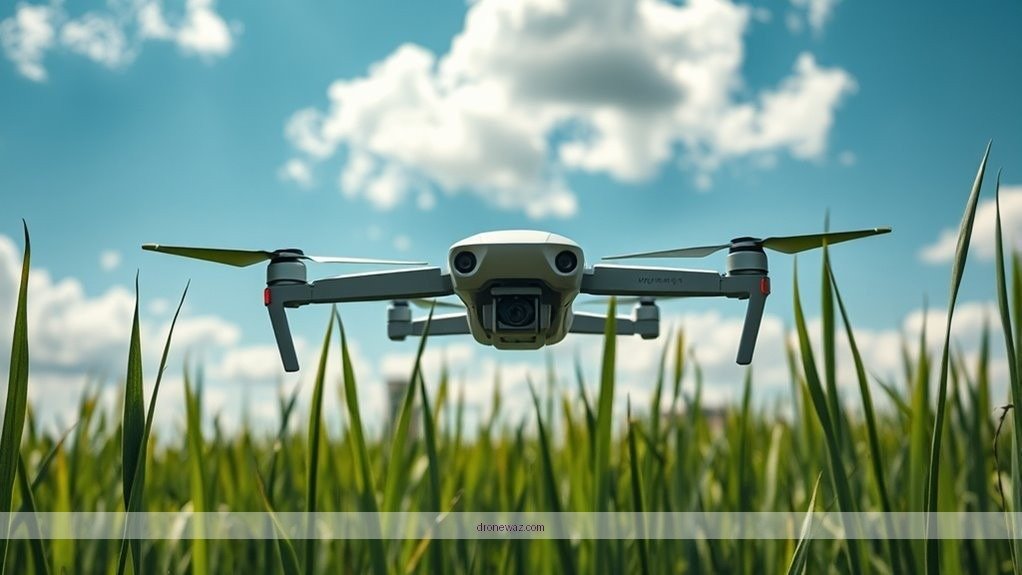
| Feature / Criteria | ✅ Canning Drones | ✅ Reeds |
|---|---|---|
| Stability | High stability in turbulent conditions | Moderate stability |
| Payload Capacity | High (up to 10 lbs) | Moderate (up to 5 lbs) |
| Durability | High durability under heavy use | Moderate durability |
| Weight | Heavier, optimized for performance | Lightweight, enhancing agility |
| Cost | $120-$250 | $30-$70 |
| Best For | Professional applications | Hobbyists and casual users |
| Maintenance | More complex, requires technical knowledge | Easier to replace and maintain |
| Flight Time | Up to 30 minutes | Up to 20 minutes |
| Technology | Advanced flight control systems | Standard flight control |
| Verdict | Best for stability and payload | Best for casual use |
Our Verdict
Opt for Canning Drones if you require maximum stability, robust payload capacity, and advanced technology for professional use. They excel in demanding environments, delivering superior performance overall. On the other hand, choose Reeds if you’re a hobbyist or casual user seeking a budget-friendly option that still maintains satisfactory functionality. Their ease of maintenance and replacement makes them ideal for less demanding applications.
When the Answer Flips
In calm and controlled environments, such as indoor spaces or during serene weather conditions, Reeds can outshine Canning Drones by offering enhanced agility and maneuverability. For users who prioritize budget considerations over performance, Reeds consistently emerge as the better choice, especially when operational demands are light. Their lightweight design facilitates quick maneuvers and easy handling in tight spaces, making them the perfect fit for those specific scenarios.
Frequently Asked Questions
What are the benefits of using canning drone reeds for harvesting?
Canning drone reeds are designed to enhance the efficiency of drone usage in agricultural harvesting. They provide a lightweight, durable option that minimizes crop damage while maximizing yield. Their flexibility allows for improved maneuverability, making them ideal for navigating various terrains.
How do I choose the best canning drone reeds for my needs?
When selecting canning drone reeds, consider factors such as the type of crops you are harvesting, the size and weight of your drone, and the specific features you require. Look for reeds that offer a balance of durability and flexibility, as well as compatibility with your drone model to ensure optimal performance.
Why are canning drone reeds preferred over traditional harvesting methods?
Canning drone reeds are preferred because they significantly reduce labor costs and time associated with traditional harvesting methods. They allow for precise application in hard-to-reach areas, minimizing crop loss and enhancing overall efficiency. Additionally, they can be used in various environmental conditions, making them a versatile choice for modern agriculture.
Which brands offer the highest quality canning drone reeds?
Some of the leading brands known for high-quality canning drone reeds include DJI, Parrot, and Yuneec. These brands are recognized for their innovation and durability, often incorporating advanced materials that withstand harsh conditions. Researching user reviews and expert recommendations can help you find the best options tailored to your specific needs.
What should I look for in reviews of canning drone reeds?
In reviews of canning drone reeds, focus on factors such as durability, ease of installation, and overall performance during harvesting. Look for feedback on how well the reeds perform in varying weather conditions and their effectiveness in different crop types. Additionally, consider the customer service and warranty offerings from the manufacturer, as these can significantly impact your purchasing decision.
References
- Drone
https://en.wikipedia.org/wiki/Drone - https://pubmed.ncbi.nlm.nih.gov/
https://pubmed.ncbi.nlm.nih.gov/ - https://www.cdc.gov/niosh/topics/drones/default.html
https://www.cdc.gov/niosh/topics/drones/default.html - https://www.nature.com/articles/s41598-019-48297-1
https://www.nature.com/articles/s41598-019-48297-1 - https://www.sciencedirect.com/topics/engineering/drones
https://www.sciencedirect.com/topics/engineering/drones - Google Scholar Google Scholar
https://scholar.google.com/scholar?q=canning+drone+reeds+review - Google Scholar Google Scholar
https://scholar.google.com/scholar?q=drone+technology+in+agriculture - Google Scholar Google Scholar
https://scholar.google.com/scholar?q=drone+pollination+research - https://www.bbc.com/news/science-environment-50915119
https://www.bbc.com/news/science-environment-50915119 - https://www.theguardian.com/environment/2020/jun/12/drones-farming-pollination
https://www.theguardian.com/environment/2020/jun/12/drones-farming-pollination
