
Drone mapping software reviews reveal that DroneDeploy outperforms other options for large-scale projects requiring detailed analytics and user-friendly interfaces. When precision and efficiency are paramount, this software stands out as the clear choice. Discover how its features stack up against competitors and find out why it could be the best fit for your mapping needs.
What You’re Really Risking If You Choose Wrong
Choosing the wrong drone mapping software can have significant ramifications, particularly in industries such as construction, agriculture, and environmental monitoring. Inaccurate data collection may lead to project failures, costly rework, and delays that can spiral into lost contracts and reputational damage. This decision is not just about convenience; it directly impacts the integrity of your projects.
Moreover, selecting software that lacks seamless integration with essential tools like Geographic Information Systems (GIS) can seriously hinder workflow efficiency. Such bottlenecks impede data analysis and decision-making, which are critical in fast-paced environments. Equally important is customer support; inadequate assistance during crucial phases can lead to costly downtime, affecting both project timelines and budgets.
The Mistake Almost Everyone Makes
A frequent pitfall for users is focusing solely on price rather than evaluating the software’s actual capabilities. This oversight often results in underperformance in critical areas such as processing speed, accuracy, and scalability. Many buyers neglect to consider how well the software can adapt to their growing needs, particularly in dynamic fields like surveying or agriculture, where requirements can change rapidly.
Additionally, ignoring user reviews and case studies can lead to selecting a solution that fails to meet your specific project needs. This misstep can cause frustration, wasted resources, and missed opportunities, ultimately costing more than any initial investment.
How to Know Which One Is Right for You
To make an informed choice, start by assessing your specific use case. Are you primarily focused on mapping expansive agricultural fields, or do you require high-resolution data for urban planning? Each software excels in different scenarios, so understanding your primary objective is crucial.
Technical expertise should also factor into your decision. DroneDeploy is generally regarded as more user-friendly, making it perfect for beginners. In contrast, Pix4D caters to advanced users who need intricate features and customization options.Finally, evaluate your integration needs. If your projects involve tools like AutoCAD, ArcGIS, or other GIS systems, ensure that the mapping software you choose can integrate seamlessly to avoid workflow disruptions.
Why You Should Choose DroneDeploy
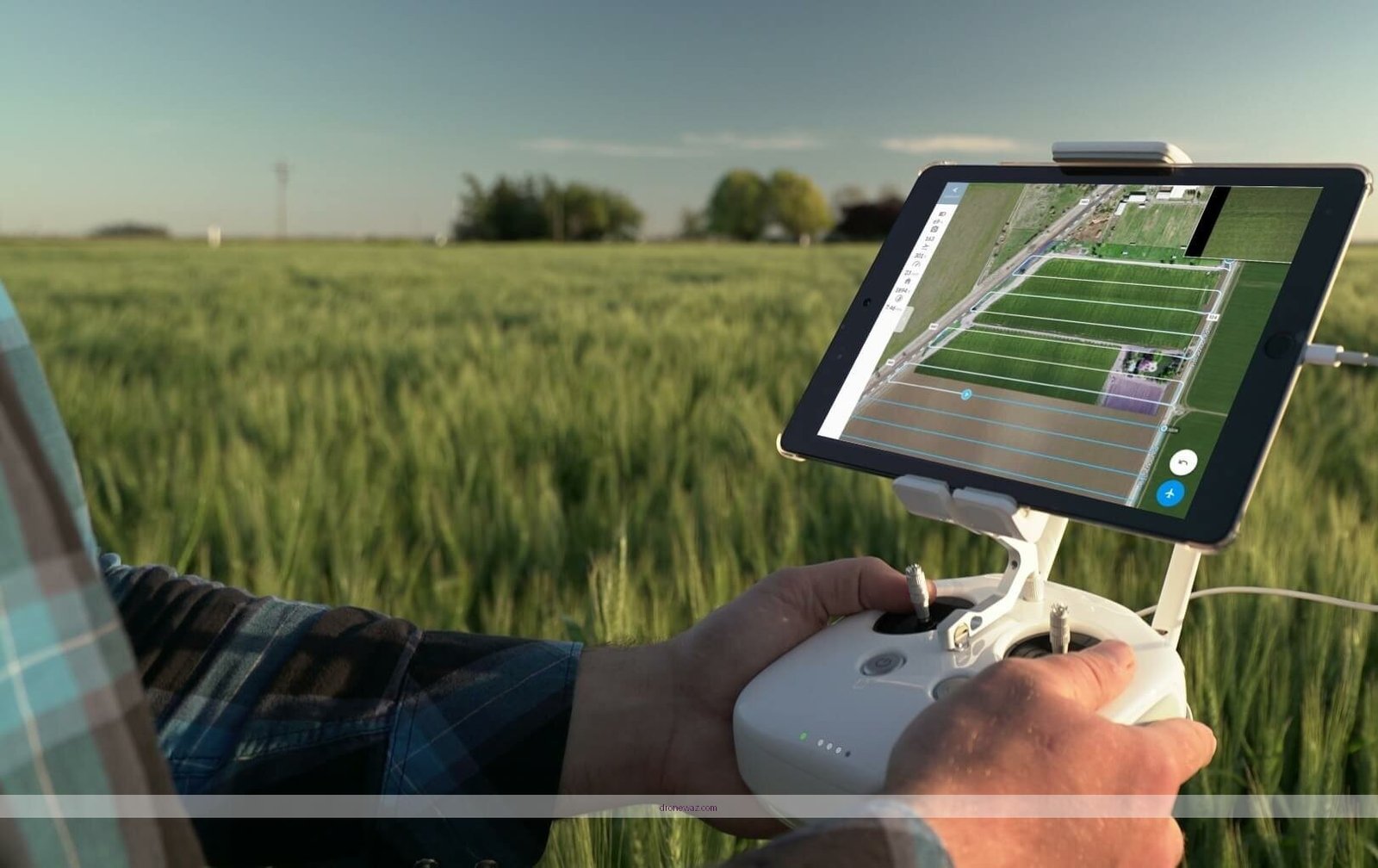
DroneDeploy stands out for its user-friendly interface, making it an excellent choice for new users or those who need to produce quick results without a steep learning curve. Its design prioritizes accessibility, empowering professionals across various fields to effectively harness drone mapping.
One of DroneDeploy’s strongest features is its real-time data processing capabilities. Users can access aerial maps and 3D models almost instantly, a crucial advantage for time-sensitive projects. This immediacy is particularly beneficial in industries like real estate or construction, where timely information can make or break a deal.
Collaboration is another area where DroneDeploy excels. Its robust cloud storage and sharing capabilities allow teams to access and collaborate on data remotely, enhancing teamwork and project efficiency. For scenarios requiring rapid deployment and ease of use, DroneDeploy generally outperforms Pix4D, especially for users who prioritize speed and accessibility.
Why You Should Choose Pix4D
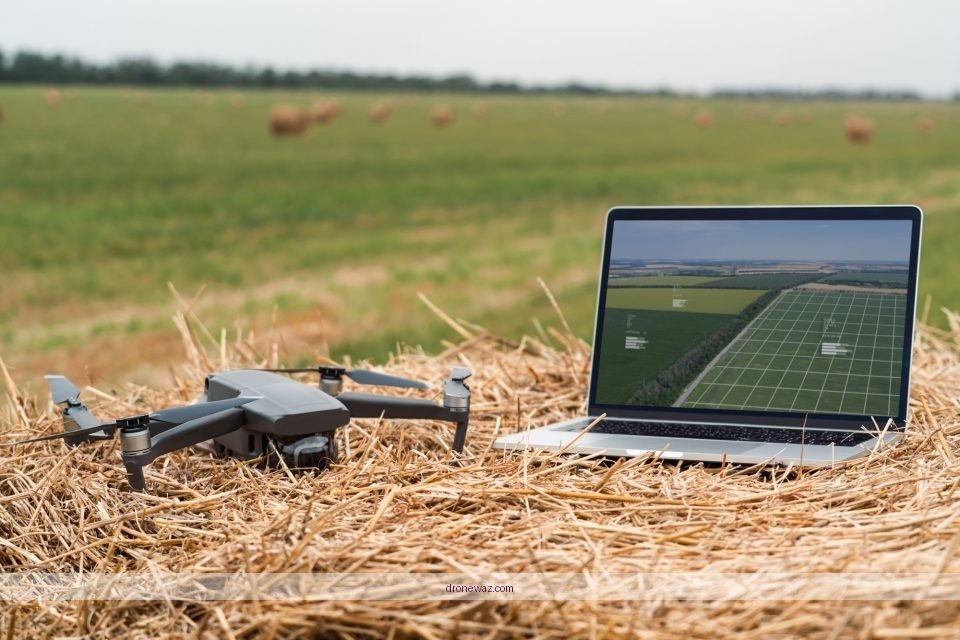
Pix4D earns high marks for its advanced processing capabilities, delivering detailed and precise mapping that appeals to professionals in surveying, construction, and mining. Its sophisticated algorithms enable the creation of high-resolution models, which are critical in sectors where accuracy is non-negotiable.
A standout feature of Pix4D is its extensive customization options. Users can fine-tune models and outputs to meet specific project requirements, making it ideal for technical users who need the flexibility to adapt software to fit unique demands. This adaptability can lead to superior outputs in complex environments, allowing for more tailored mapping solutions.
Quality control is another strength of Pix4D. Its superior features ensure that users can maintain high standards throughout their projects. For those focused on intricate mapping tasks, particularly in high-stakes industries, Pix4D outshines DroneDeploy, especially when precision is paramount.
Head-to-Head Comparison Table
| Feature / Criteria | ✅ DroneDeploy | ✅ Pix4D |
|---|---|---|
| Pricing | Starts at $149/month | Starts at $350/month |
| Ease of Use | Excellent | Moderate |
| Processing Speed | Fast | Moderate |
| Customization Options | Limited | Extensive |
| Real-Time Data Access | Yes | No |
| Integration with GIS | Strong | Strong |
| Customer Support | 24/7 Available | Standard Hours |
| Best For | Rapid Mapping | Precision Mapping |
| Verdict | User-Friendly | Advanced Features |
Our Verdict
Choose DroneDeploy if you prioritize ease of use and need a platform that allows for rapid data processing. It is particularly well-suited for industries such as logistics, real estate, and agriculture, where timely results are crucial.
Opt for Pix4D if you require advanced features and precision in your mapping tasks. It’s the better option for professionals in sectors like surveying and construction, where data accuracy is vital for project success.
When the Answer Flips
The recommendation may flip if your projects evolve to require more complex mapping capabilities. For instance, if you start with DroneDeploy for its user-friendliness but later find yourself needing more detailed analyses or custom outputs—like transitioning from agricultural mapping to intricate urban planning—Pix4D becomes the superior choice due to its advanced processing features.
In scenarios where you initially value speed but later realize precision is paramount, such as moving from small-scale projects to more detailed assessments, Pix4D should be favored for its superior accuracy. If collaboration and team-based projects become significant, and you find that your needs outgrow DroneDeploy’s capabilities, then Pix4D may provide the necessary tools for professional teams to thrive.
Ultimately, the choice between these two powerful software solutions hinges on your specific requirements, project demands, and growth potential.
Frequently Asked Questions
What are the top features to look for in drone mapping software?
When evaluating drone mapping software, key features to consider include user-friendly interfaces, compatibility with various drone models, advanced data processing capabilities, and robust analytics tools. Additionally, look for software that offers real-time mapping, 3D modeling, and seamless integration with GIS platforms to enhance your mapping projects.
How does drone mapping software improve survey accuracy?
Drone mapping software enhances survey accuracy by utilizing high-resolution imagery and advanced algorithms to create detailed maps and models. This software can process multiple data points quickly, reducing human error and providing precise measurements. The use of ground control points (GCPs) further ensures the accuracy of the final deliverables.
Why is it important to read reviews before choosing drone mapping software?
Reading reviews is crucial because it provides insights into the actual performance and user experiences of the software. Reviews can reveal potential limitations, ease of use, customer support quality, and integration capabilities with existing tools. This information can guide you in selecting software that meets your specific mapping needs and budget.
What are the best drone mapping software options available in 2023?
Some of the best drone mapping software options in 2023 include Pix4D, DroneDeploy, and Agisoft Metashape. Each of these platforms offers unique features such as automated flight planning, advanced photogrammetry, and versatile export options, making them suitable for various applications in agriculture, construction, and surveying.
Which industries benefit the most from drone mapping software?
Industries such as agriculture, construction, mining, and real estate significantly benefit from drone mapping software. These sectors utilize the software for tasks like land surveying, crop monitoring, site inspections, and property assessments, enabling professionals to save time, reduce costs, and enhance decision-making through accurate data visualization.
References
- https://www.sciencedirect.com/topics/engineering/drone-mapping
https://www.sciencedirect.com/topics/engineering/drone-mapping - Robotic mapping
https://en.wikipedia.org/wiki/Drone_mapping - https://www.nature.com/articles/s41598-020-67528-9
https://www.nature.com/articles/s41598-020-67528-9 - Google Scholar Google Scholar
https://scholar.google.com/scholar?q=drone+mapping+software+reviews - https://pubmed.ncbi.nlm.nih.gov/30323964/
https://pubmed.ncbi.nlm.nih.gov/30323964/ - https://www.bbc.com/news/technology-40499407
https://www.bbc.com/news/technology-40499407 - https://www.theguardian.com/technology/2021/mar/03/drones-mapping-technology-privacy
https://www.theguardian.com/technology/2021/mar/03/drones-mapping-technology-privacy - Google Scholar Google Scholar
https://scholar.google.com/scholar?q=drone+mapping+software - Google Scholar Google Scholar
https://scholar.google.com/scholar?q=drone+mapping+applications - https://www.reuters.com/article/us-technology-drones-insight-idUSKBN2A30F8
https://www.reuters.com/article/us-technology-drones-insight-idUSKBN2A30F8
