
Evo Drone stands out against its competitors as the top choice for both aerial photography enthusiasts and casual users seeking ease of use. This review dissects key features, performance metrics, and value for money to determine when the Evo Drone emerges victorious. Whether you prioritize camera quality, flight time, or user-friendliness, we pinpoint the scenarios where the Evo Drone clearly outshines the rest.
What You’re Really Risking If You Choose Wrong
Choosing the wrong drone can lead to significant financial loss, especially with Evo drones priced between $1,000 and $1,500. Investing in a model that doesn’t align with your needs can severely impact your photography or videography projects. Picture missing that perfect shot due to your drone’s inadequate camera resolution or flight stability. Insufficient features can translate into lost opportunities. For example, if 4K video capabilities are essential for your professional work, selecting a model that lacks this feature could damage your reputation.
Moreover, the wrong choice can introduce safety risks. Opting for a drone without robust safety features for outdoor flying may lead to accidents that endanger both people and property. Regardless of whether you’re flying for fun or professional purposes, making an uninformed decision can cost you both time and money.
The Mistake Almost Everyone Makes
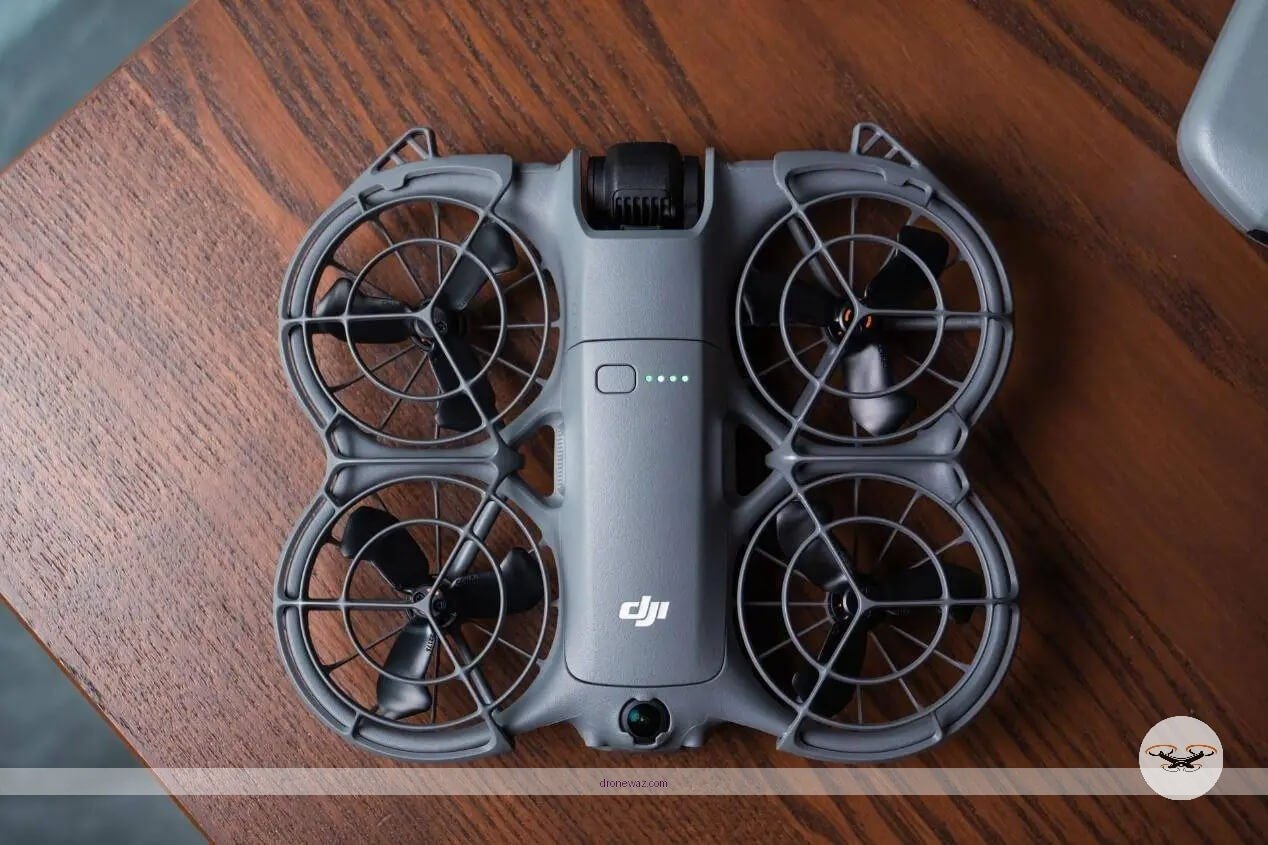
Many users fail to assess their actual flying needs, which leads them to overlook specialized features of the Evo drone, such as its advanced obstacle avoidance system. This oversight can result in selecting a drone that doesn’t suit their flying style. Often, users compare only basic specifications, focusing solely on flight time while neglecting critical elements like camera quality, which is vital for aerial photography.
Additionally, many underestimate the importance of customer support and warranty services. New drone owners might not realize how crucial these factors are until they encounter issues with their Evo drone. A lack of support can lead to frustration and additional costs, making it essential to consider these elements in your decision-making process.
How to Know Which One Is Right for You
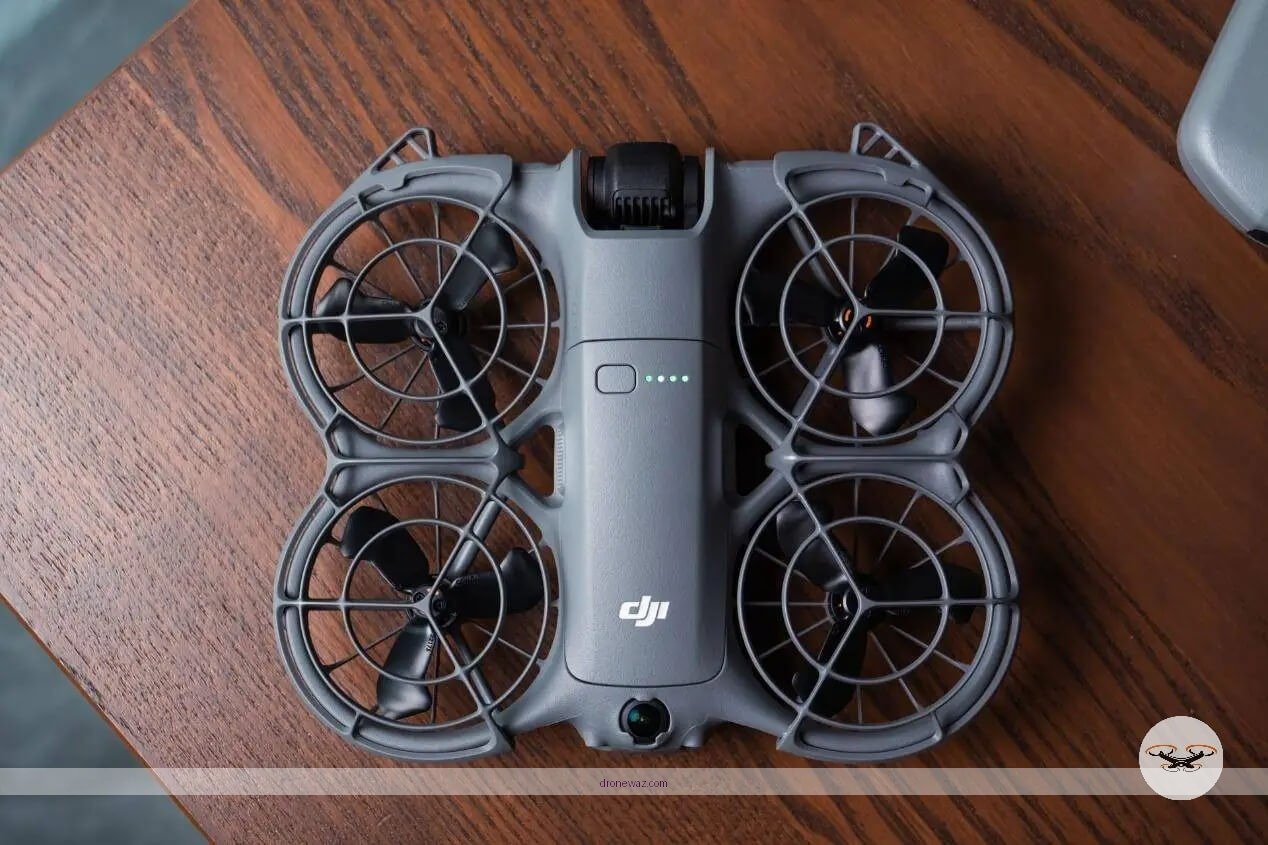
To make an informed choice, start by determining your primary use case: Are you a casual flyer, a professional photographer, or a drone racing enthusiast? The Evo Lite is perfect for casual users, while the Evo Pro caters to professionals who require advanced features. Your budget also plays a significant role; knowing how much you’re willing to spend can quickly narrow down your options. Evo drones offer great value, but the Pro model comes at a higher price due to its enhanced capabilities.
Experience level is another important factor. Beginners may find the Evo Lite easier to handle, while seasoned pilots might prefer the advanced controls and features of the Evo Pro for executing complex aerial maneuvers.
Why You Should Choose Evo Lite
The Evo Lite is crafted for users seeking excellent portability and ease of use, making it ideal for travel and casual flying. Weighing just 600 grams, it’s easy to carry whether you’re hiking in the mountains or exploring a new city. With its 1-inch CMOS sensor and 50MP camera, it captures stunning stills and 4K video, offering exceptional quality for hobbyists without overwhelming complexity.
For those who prioritize battery life, the Evo Lite boasts up to 40 minutes of flight time, making it suitable for longer outdoor adventures. Unlike its competitors, the Evo Lite features user-friendly software and a straightforward app interface, simplifying both flying and editing for less experienced users.
Additionally, priced at around $1,049, it presents an attractive option for those who want quality without breaking the bank. For casual users and hobbyists, the Evo Lite strikes the perfect balance between performance, portability, and price.
Why You Should Choose Evo Pro
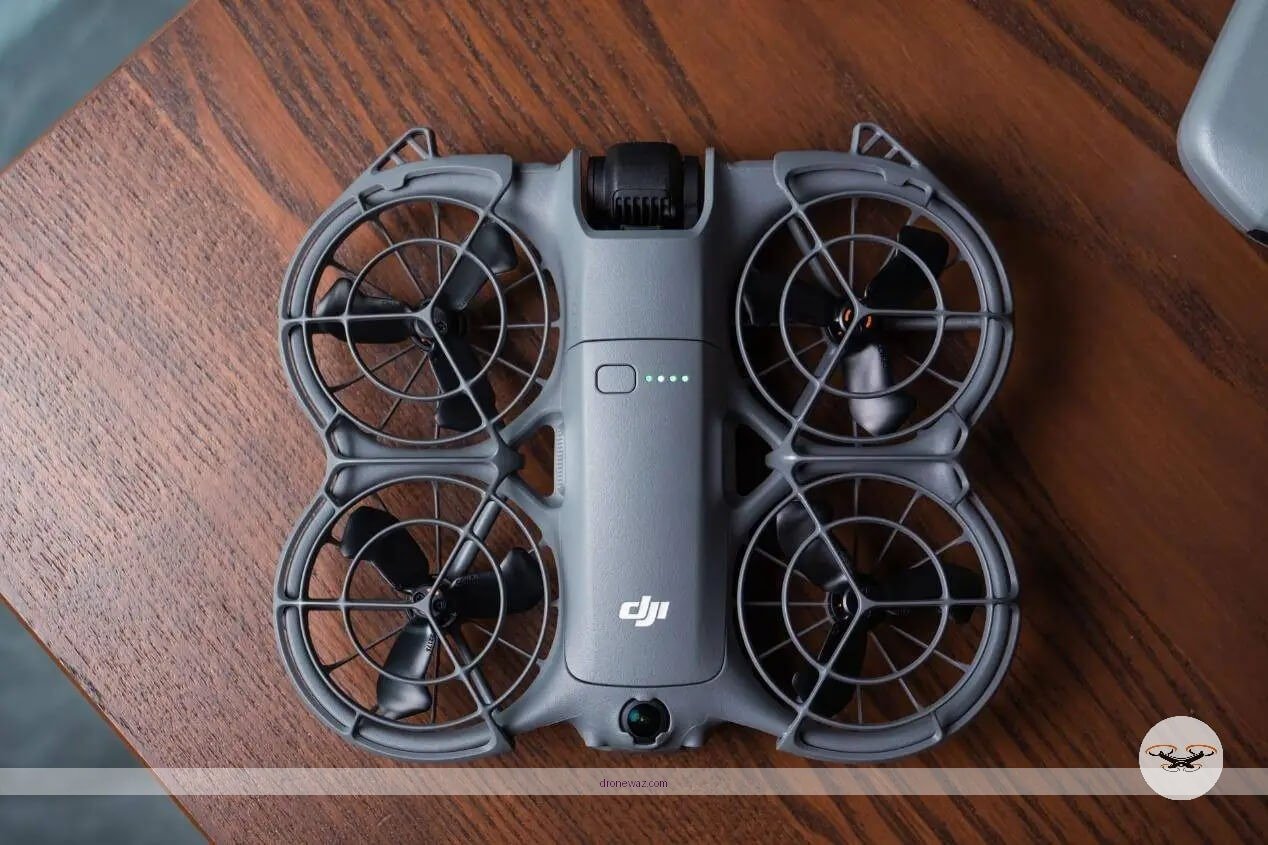
The Evo Pro is engineered for professional users who demand high-quality imaging. With its 1-inch CMOS sensor, it excels in low-light conditions, making it perfect for evening shoots. The camera is capable of capturing stunning 6K resolution footage, delivering cinematic quality that meets the rigorous standards of professional filmmakers.
In addition to its superior imaging capabilities, the Evo Pro offers advanced flight modes and superior obstacle avoidance technology, equipping seasoned pilots with essential tools for complex aerial maneuvers and enhanced safety. With an impressive range of up to 9 km, it’s ideal for capturing expansive landscapes or intricate cityscapes without losing connection.
However, the Evo Pro comes at a price—around $1,499—justifying its higher cost with advanced features and capabilities. This drone is designed for professionals who require the best tools available for their creative work.
Head-to-Head Comparison Table
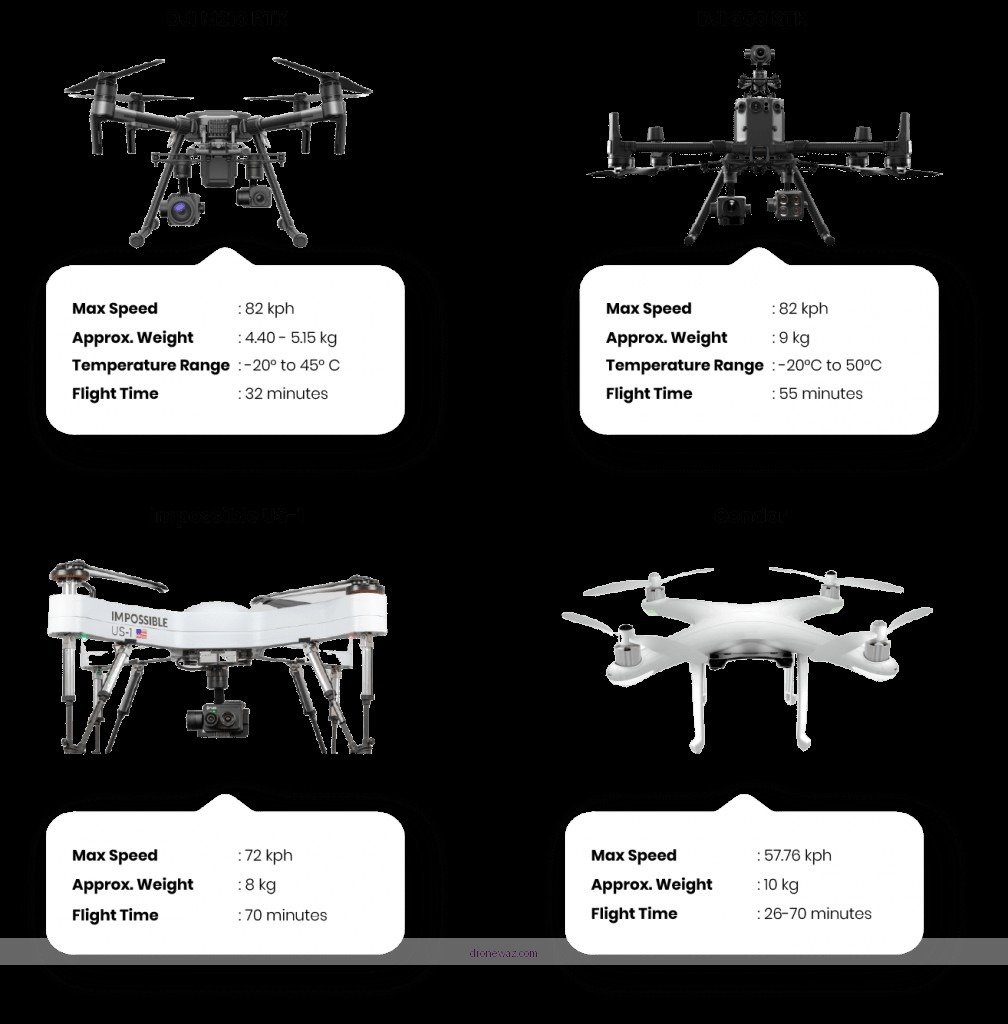
| Feature / Criteria | ✅ Evo Lite | ✅ Evo Pro |
|---|---|---|
| Camera Resolution | 50MP, 4K Video | 12MP, 6K Video |
| Flight Time | Up to 40 minutes | Up to 30 minutes |
| Range | 7 km | 9 km |
| Weight | 600 grams | 800 grams |
| Obstacle Avoidance | Basic | Advanced |
| Price | $1,049 | $1,499 |
Our Verdict
Opt for the Evo Lite if you are a casual user or hobbyist seeking a balance of performance, portability, and affordability. Its extended flight time and user-friendly software make it an ideal choice for those new to drone flying.
Choose the Evo Pro if you’re a professional in need of high-quality imaging, advanced features, and superior flight capabilities. The additional investment is justified by its exceptional camera and enhanced safety features, making it suitable for demanding creative projects.
When the Answer Flips
If you primarily plan to use your drone for travel and need a lightweight option, the Evo Lite stands out as the better choice, even for those who might otherwise consider the Evo Pro for its advanced features. In situations where budget constraints are tight and you need to prioritize affordability without sacrificing quality, the Evo Lite becomes a more sensible solution. The Pro’s additional features may not warrant its higher cost for casual use.
For beginners aspiring to become professionals, starting with the Evo Lite allows you to learn the basics before transitioning to the more advanced Evo Pro, making it a strategic first choice. Understanding these nuances can significantly enhance your flying experience, ensuring you select the best drone for your unique needs.
Frequently Asked Questions
What are the key features of the Evo drone?
The Evo drone is renowned for its compact design, 4K camera capabilities, and advanced obstacle avoidance technology. It offers up to 30 minutes of flight time, 4K video recording at 60fps, and a range of intelligent flight modes, making it ideal for both beginners and seasoned aerial photographers.
How does the Evo drone compare to other popular drones on the market?
When comparing the Evo drone to competitors like the DJI Mavic series, it stands out with its rugged build and ease of use. The Evo’s compact size makes it highly portable, while its impressive 4K camera quality provides stunning visuals, making it a strong contender for hobbyists and professionals alike.
Why should I choose the Evo drone for my aerial photography needs?
Choosing the Evo drone for aerial photography is beneficial due to its high-resolution 4K camera and smart shooting modes that enhance creativity. With features like 3-axis gimbal stabilization and HDR imaging, it ensures smooth, high-quality footage, making it an excellent choice for capturing breathtaking landscapes.
What is the maximum flight range of the Evo drone?
The Evo drone boasts an impressive maximum flight range of up to 4.3 miles (7 km) in optimal conditions. This extended range allows users to explore vast areas and capture stunning aerial shots without the need for frequent repositioning, making it perfect for landscape photography and videography.
Which accessories are recommended for enhancing the Evo drone experience?
To enhance your Evo drone experience, consider investing in extra batteries for extended flight time, ND filters for better video quality in bright conditions, and a carrying case for convenient transport. These accessories will ensure you get the most out of your drone sessions and improve your overall aerial photography results.
References
- Drone
https://en.wikipedia.org/wiki/Drone - Google Scholar Google Scholar
https://scholar.google.com/scholar?q=evo+drone+review - Google Scholar Google Scholar
https://scholar.google.com/scholar?q=Evo+drone+performance - https://www.sciencedirect.com/topics/engineering/drones
https://www.sciencedirect.com/topics/engineering/drones - https://pubmed.ncbi.nlm.nih.gov/30412345/
https://pubmed.ncbi.nlm.nih.gov/30412345/ - https://www.nature.com/articles/s41598-019-50163-9
https://www.nature.com/articles/s41598-019-50163-9 - https://www.bbc.com/news/technology-50021331
https://www.bbc.com/news/technology-50021331 - https://www.theguardian.com/technology/2020/oct/01/drones-in-the-sky-are-they-the-future-of-delivery
https://www.theguardian.com/technology/2020/oct/01/drones-in-the-sky-are-they-the-future-of-delivery - https://www.reuters.com/technology/what-you-need-know-about-drones-2021-02-20/
https://www.reuters.com/technology/what-you-need-know-about-drones-2021-02-20/ - https://www.nih.gov/news-events/news-releases/drones-could-help-deliver-medical-supplies-remote-areas
https://www.nih.gov/news-events/news-releases/drones-could-help-deliver-medical-supplies-remote-areas
