
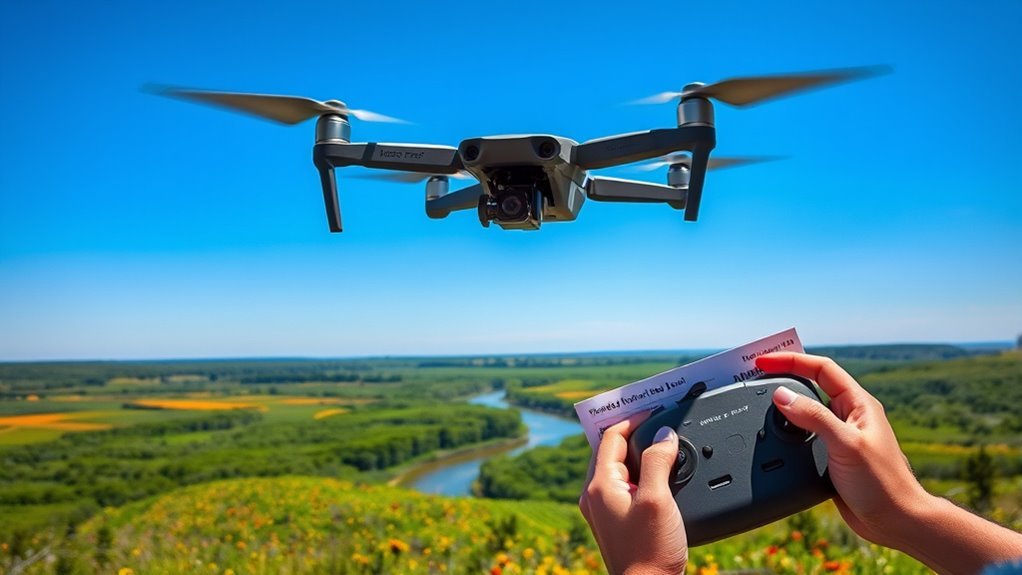
If you’re considering a Harbor Freight drone, expect a basic, affordable model perfect for beginners but with modest camera quality and limited flight features. They offer decent stability and ease of use, especially in mild conditions, though battery life is short, and low-light camera performance is weak. Controls are straightforward, but advanced flying options are missing. Harbor Freight drones deliver value for casual flyers prioritizing cost over cutting-edge tech. You’ll find more insights on how these drones compare within the budget market ahead.
Overview of Harbor Freight Drone Models
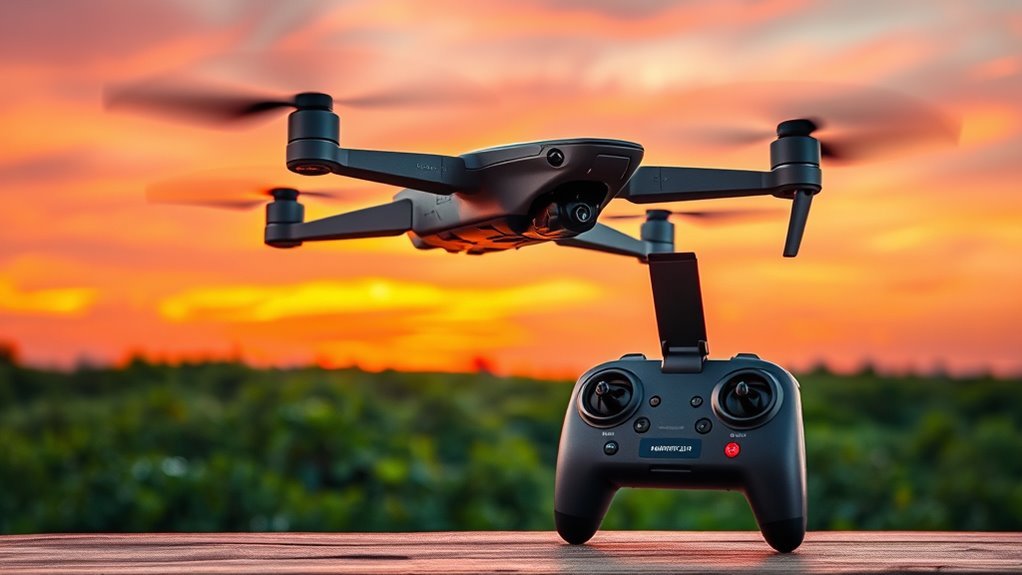
Although Harbor Freight offers a limited selection of drones compared to specialized manufacturers, their models focus on affordability and basic functionality, making them suitable for beginners or casual users. When you explore Harbor Freight’s drone lineup, you’ll find models designed for straightforward flying experiences without complex features. These drones often come with essential drone accessories like extra propellers and batteries, allowing you to extend flight time and manage minor repairs independently. While they may lack advanced technology such as GPS or obstacle avoidance, Harbor Freight drones provide a practical entry point for those wanting to experience drone flight without a steep learning curve or high expense. If you value freedom in flying and straightforward operation, these drones offer accessible options within a budget-friendly framework.
Design and Build Quality
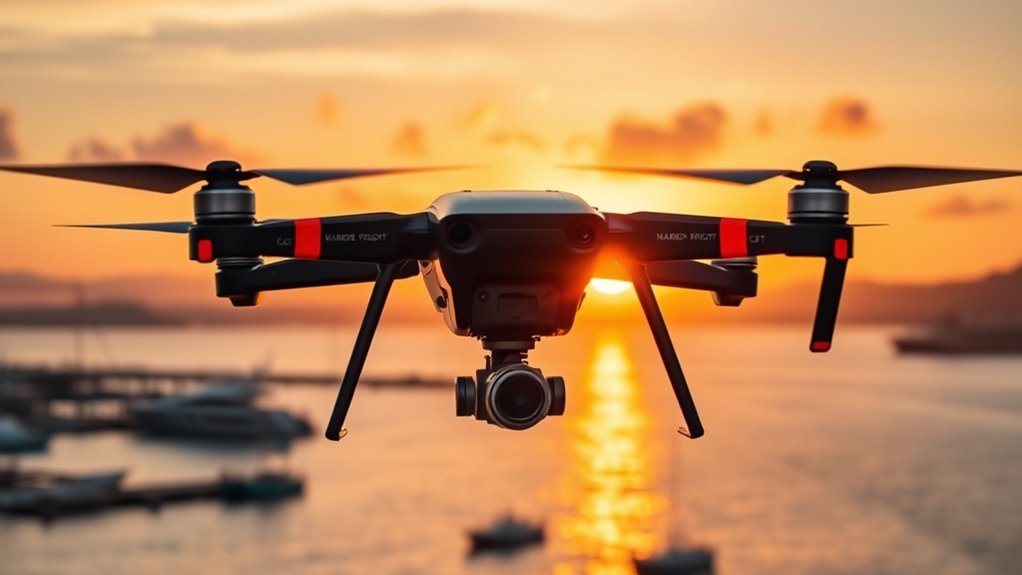
When you handle the Harbor Freight drone, you’ll notice the materials used offer a basic level of durability suited for casual use. The ergonomic layout of the controls aims to provide comfort during operation, though it may not suit extended flights. Additionally, its weight and portability make it easy to carry but could impact stability in windy conditions.
Material Durability Assessment
Since you’ll likely be handling the Harbor Freight drone in various environments, understanding its material durability is essential. The drone undergoes rigorous material testing to evaluate how well its components withstand impact, abrasion, and exposure to elements. Key durability factors include the robustness of the plastic frame, the resilience of the propellers, and the quality of internal connections. While the frame offers decent shock resistance for light crashes, it may not hold up under more severe impacts. Propellers are replaceable but prone to chipping if you fly near obstacles. Internal electronics are moderately protected but vulnerable to moisture. Overall, the drone’s materials balance cost-effectiveness with functional durability, making it suitable for casual use but less ideal for harsh or demanding conditions. Knowing these durability factors helps you decide if it fits your freedom to explore without frequent repairs.
Ergonomic Design Features
Because you’ll be handling the Harbor Freight drone manually, its ergonomic design plays an essential role in user comfort and control. The controller’s layout is thoughtfully arranged, ensuring control accessibility without forcing your fingers into awkward positions. Buttons and joysticks respond with a tactile feel, reducing strain during prolonged use. The drone’s frame incorporates smooth edges and balanced proportions that help you maintain a steady grip, vital when maneuvering in tight spaces. While the materials prioritize durability, they also contribute to an overall design that feels natural in your hands. This balance between sturdiness and comfort supports longer flight sessions without fatigue. To conclude, the ergonomic design thoughtfully caters to your need for freedom and precise control, enhancing your piloting experience without compromising ease of use.
Weight and Portability
Although the Harbor Freight drone offers a robust build, its weight remains surprisingly manageable, striking a balance between durability and portability. You’ll appreciate how the weight distribution is optimized to maintain stability without adding bulk, making it easier to handle during flights. Portability features enhance your freedom to carry and deploy the drone quickly, whether hiking or urban exploring.
Key points include:
- Balanced weight distribution that supports steady flight and minimizes fatigue
- Compact frame size easing storage and transport
- Foldable arms designed for quick setup and reduced carry space
- Lightweight materials that don’t compromise structural integrity
These design choices guarantee you can take the drone wherever you want without feeling weighed down, aligning with your desire for effortless mobility.
Flight Performance and Controls

When you take the Harbor Freight drone into the air, its flight performance offers a balanced mix of stability and responsiveness that suits both beginners and casual flyers. The drone’s flight stability is impressive for its price range, maintaining steady hover even in mild wind conditions, which gives you confidence to explore freely. Control responsiveness is generally sharp, allowing smooth maneuvering without lag, though aggressive inputs may reveal slight hesitation. The intuitive controller layout contributes to ease of use, making it straightforward to master basic flight patterns quickly. While it doesn’t match high-end models in agility or advanced flight modes, the Harbor Freight drone provides a reliable, predictable flying experience. This balance makes it an accessible choice if you value dependable control without sacrificing the joy of open-air exploration.
Camera Features and Image Quality
When evaluating the Harbor Freight drone, you’ll want to contemplate its camera resolution and technical specifications to understand the clarity and detail it can capture. It’s also important to assess how well the image stabilization works during flight, as this impacts video smoothness and photo sharpness. Finally, you should check its performance in low light conditions to see if it maintains quality or struggles with noise and exposure.
Camera Resolution and Specs
Since the camera plays a crucial role in any drone’s functionality, understanding the Harbor Freight drone’s camera resolution and specifications is essential for judging its overall value. When evaluating camera quality, you’ll want to take into account resolution capabilities alongside sensor type and frame rates to gauge how well it captures detail and movement.
Key specs include:
- 720p HD video resolution, which is basic but suitable for casual use
- 2MP photo resolution, adequate for standard snapshots but limited for detailed imagery
- Fixed-focus lens, reducing complexity but limiting sharpness at varying distances
- No adjustable aperture, meaning exposure control is minimal
While the resolution capabilities are modest, they offer enough freedom for beginners or hobbyists who prioritize ease over professional-grade imaging.
Image Stabilization Performance
Although the Harbor Freight drone’s camera specs offer basic resolution and fixed-focus functionality, how well your footage turns out largely depends on its image stabilization performance. This drone uses rudimentary image stabilization techniques, primarily relying on digital correction rather than advanced mechanical gimbals. While drone vibration reduction is addressed to a limited extent through design and motor balancing, you’ll notice some shakiness in footage during windy conditions or rapid movements. This impacts the smoothness of your videos and the clarity of still shots, especially when flying freely in challenging environments. If you value steady, professional-looking footage, this drone’s stabilization may feel restrictive. However, for casual use where you prioritize freedom over perfect smoothness, it can still capture usable images with some patience and careful piloting.
Low Light Capabilities
Even with basic camera hardware, low light conditions present a significant challenge for the Harbor Freight drone’s imaging capabilities. When you’re aiming for quality nighttime photography, the drone’s low light performance is noticeably limited. You’ll find the sensor struggles to capture detail without introducing noise. Here’s what you should consider:
- Reduced image clarity and increased graininess in dim environments
- Lack of advanced noise reduction algorithms to enhance night shots
- Limited aperture size restricting light intake during low light scenes
- Absence of dedicated night mode or sensor optimization for darkness
If freedom to shoot after sunset matters to you, this drone’s camera may fall short. Still, understanding these constraints helps set realistic expectations for your nighttime photography adventures.
Battery Life and Charging Time
While the Harbor Freight drone offers impressive features, its battery life and charging time are critical factors to evaluate for uninterrupted flight sessions. You’ll find the battery longevity to be moderate, typically providing around 10-12 minutes of flight per charge. This duration might limit extended exploration, so planning your flights accordingly is essential. The charging efficiency is average; the battery takes approximately 90 minutes to fully recharge. This means downtime between flights can be significant unless you invest in extra batteries. The drone’s battery system balances weight and power, but if you seek longer airborne freedom, this model may require compromises. Understanding these limitations helps you decide if the Harbor Freight drone aligns with your expectations for sustained, liberating aerial adventures.
User Experience and Ease of Use
When you first take the Harbor Freight drone out of the box, you’ll notice that its design focuses on simplicity, making it accessible for beginners. The user interface is straightforward, allowing you to quickly grasp controls without an overwhelming learning curve. The included user instructions offer clear guidance, though some areas could benefit from more detail.
Key aspects of the user experience include:
- Intuitive controller layout that helps you maintain control effortlessly
- Responsive controls that provide smooth handling during flight
- Basic but functional user interface on the accompanying app or display
- Concise user instructions, which support quick setup but may require supplemental tutorials for advanced maneuvers
Pricing and Value for Money
Understanding how user-friendly the Harbor Freight drone is, you might wonder if its price matches the experience it offers. This drone positions itself firmly within budget options, making it accessible if you seek freedom to explore without a hefty investment. When considering price comparison, it’s clear that Harbor Freight’s model offers a competitive rate for beginners and casual flyers. While it lacks some advanced features found in higher-priced drones, the value lies in its simplicity and affordability. You get a functional, entry-level device that’s suitable for learning and light recreational use. If your priority is cost-effectiveness paired with ease of use, this drone delivers solid value, balancing price and performance without overreaching your budget.
Comparison With Other Budget Drones
If you’re comparing the Harbor Freight drone to other budget-friendly options, you’ll notice it holds its own in several key areas but falls short in others. Analyzing performance metrics and feature comparisons reveals a balanced, yet nuanced picture. You’ll appreciate its affordability and decent flight time, but you might find its camera quality and stability less competitive.
- Flight time is on par with rivals, roughly 10-15 minutes per charge.
- Camera resolution lags behind some similarly priced drones offering HD video.
- Control range is somewhat limited, impacting freedom of movement.
- Durability and ease of repairs score positively, extending lifespan for casual flyers.
Ultimately, it’s a solid choice if you prioritize cost and basic functionality over advanced features or premium performance.
