
Drone calibration is a crucial process that guarantees your drone operates accurately and efficiently. It involves adjusting sensor outputs, like gyroscopes and accelerometers, to recognized standards. Proper calibration enhances flight stability, improves data accuracy, and extends your drone’s lifespan by minimizing wear. You’ll also avoid common pitfalls that can arise from neglecting this essential step. If you want to understand the intricacies of calibration procedures, tools, and frequency, there’s more to explore.
Understanding Drone Calibration
Understanding drone calibration is vital for ensuring ideal performance and accuracy during flight operations. Proper calibration of drone sensors directly impacts your ability to gather data and navigate effectively. Calibration techniques vary, but they typically involve adjusting the sensor outputs to match known standards, ensuring that your drone interprets its environment accurately. You’ll want to familiarize yourself with methods such as gyroscope and accelerometer calibration, which help achieve stability in flight. Additionally, compass calibration is essential for maintaining directional accuracy. Regularly performing these calibration techniques can enhance your drone’s responsiveness and reliability, empowering you to achieve optimal outcomes in your aerial endeavors. Prioritizing calibration not only improves performance but also enhances the freedom of exploration in your drone operations.
Importance of Accurate Calibration
Accurate calibration is essential for ensuring flight stability, as even minor discrepancies can lead to significant control issues. It also enhances data accuracy, allowing you to rely on the information your drone collects for critical decision-making. Additionally, proper calibration reduces equipment wear, extending the lifespan of your drone and minimizing maintenance costs.
Enhances Flight Stability
When a drone’s calibration is neglected, it can lead to significant instability during flight, impacting both performance and safety. Accurate calibration guarantees peak flight control, allowing the drone to respond correctly to your commands. Proper sensor alignment is vital; miscalibrated sensors can cause erratic movements, making your drone difficult to maneuver. This instability can be particularly dangerous in complex environments or during essential tasks, like aerial photography or surveying. By maintaining precise calibration, you enhance the drone’s ability to maintain a steady altitude and navigate effectively, reducing the risk of crashes or erratic behavior. Ultimately, investing time in calibration means you’re not just flying a drone; you’re enjoying the freedom of flight with confidence and control.
Improves Data Accuracy
Calibrating your drone isn’t just a routine task; it’s essential for ensuring the reliability of the data it collects. Accurate calibration directly enhances data integrity, which is significant when you’re relying on precise measurements for analysis. When your drone’s sensors are properly calibrated, you achieve measurement precision that minimizes errors and maximizes the usefulness of the data gathered. Whether you’re mapping terrain, conducting inspections, or gathering environmental data, the quality of your insights depends heavily on how well your drone is calibrated. Without this accuracy, you risk compromising your findings, which could lead to misguided decisions. Consequently, investing time in calibration is critical to uphold the integrity and reliability of your drone operations, allowing you the freedom to trust your data completely.
Reduces Equipment Wear
Proper calibration not only enhances data accuracy but also plays a significant role in reducing equipment wear. When you calibrate your drone accurately, it guarantees that all components function at their best, minimizing unnecessary strain. This wear reduction is vital for extending the lifespan of your equipment. Regular calibration helps maintain the integrity of sensors and motors, preventing premature failures that can arise from misalignment or incorrect settings. By investing time in proper calibration, you’re not just enhancing performance; you’re also promoting equipment longevity. This proactive approach safeguards your investment and allows you to operate with confidence, knowing your drone is performing at its peak while enduring less wear and tear over time.
Types of Calibration Procedures
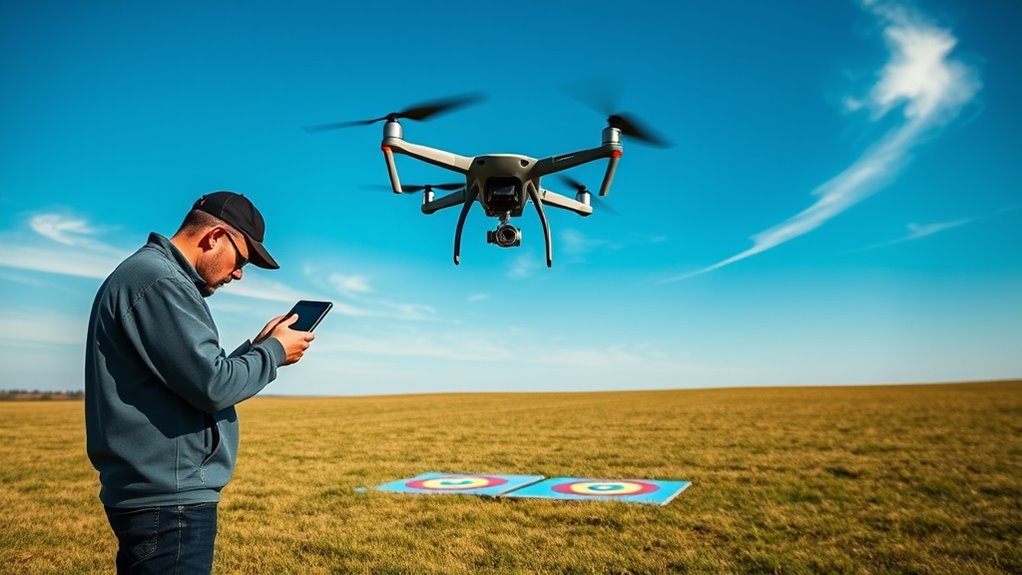
As you navigate the complexities of drone calibration, understanding the various types of calibration procedures is fundamental for ensuring ideal performance and accuracy. Two primary methods exist: static calibration and dynamic calibration.
Static calibration involves evaluating sensor outputs in a controlled environment, allowing you to establish baseline measurements without external influences. This method is critical for ensuring that your drone’s sensors are accurate before flight.
On the other hand, dynamic calibration tests the system’s performance in real-world flight conditions. This procedure assesses how well the sensors respond to changing conditions, making it essential for applications requiring precision, like aerial photography or surveying. Both methods are integral, and knowing when to implement each can enhance your drone’s operational effectiveness.
Key Components Affected by Calibration
When drones undergo calibration, several key components are directly influenced, impacting overall performance and accuracy. One critical aspect is sensor alignment, which guarantees that your drone’s sensors accurately interpret environmental data. Misaligned sensors can lead to incorrect readings, affecting navigation and obstacle detection. Similarly, compass adjustment is essential for maintaining directional accuracy; an improperly calibrated compass can result in navigation errors, causing potential drift from the intended flight path. By regularly calibrating these components, you enhance stability and precision during flight, allowing for smoother operation and improved data collection. Ultimately, understanding and addressing these key components will empower you to maximize your drone’s capabilities and provide a more reliable flying experience.
Signs Your Drone Needs Calibration
If your drone is consistently following an inaccurate flight path, it could indicate a need for calibration. Additionally, if you notice unstable hovering performance, it’s a strong sign that your drone’s sensors may be misaligned. Addressing these issues promptly is essential for maintaining peak flight performance.
Inaccurate Flight Path
Inaccurate flight paths can signal that your drone requires calibration, particularly if you’re experiencing erratic movements or deviations from intended routes. These inconsistencies often stem from misaligned flight sensors affecting your drone navigation. If your drone veers off course or fails to follow programmed waypoints, it indicates that the calibration process needs attention. Additionally, check for any drift in your drone’s positioning; a well-calibrated drone should maintain its intended trajectory with minimal deviation. Regular calibration guarantees that flight sensors remain accurate, enhancing overall performance. By addressing these issues promptly, you can reclaim the freedom of seamless aerial exploration, guaranteeing that your drone responds precisely to your commands and navigates as intended.
Unstable Hovering Performance
A drone’s inability to maintain a stable hover can be a clear indication that calibration is necessary. When you notice your drone swaying or drifting despite your commands, it’s likely experiencing issues with flight control and drone stability. These erratic movements suggest that the sensors aren’t effectively communicating with the flight control system, leading to poor performance. Calibration corrects these discrepancies, aligning the drone’s internal systems for peak operation. If you’re pursuing aerial freedom, ensuring precise calibration is essential; it enhances your drone’s responsiveness and stability. Regular checks can prevent frustrating incidents, allowing you to focus on capturing stunning aerial shots or executing complex maneuvers with confidence. Don’t overlook these signs—address calibration promptly to maintain your drone’s performance.
Step-by-Step Calibration Process
While guaranteeing ideal performance is essential for any drone operation, the calibration process is often overlooked. Start by powering on your drone and accessing the calibration menu through the flight control app. Follow the specified calibration techniques for each drone sensor, which typically include gyroscope, accelerometer, and compass calibrations. For gyroscope calibration, place the drone on a flat surface until it stabilizes. Then, rotate it according to the app’s prompts for accelerometer calibration. Finally, perform the compass calibration by rotating the drone in a figure-eight pattern. After completing each step, confirm that the app indicates successful calibration. Regularly calibrating your drone guarantees accurate readings, enhancing your overall flying experience and freedom to explore without performance issues.
Tools and Equipment for Calibration
To guarantee effective drone calibration, you’ll need specific tools and equipment tailored to your drone model. Utilizing the right calibration tools and calibration equipment is vital for achieving peak performance. Here’s what you should consider:
- GPS Signal Tester: Guarantees accurate positioning and signal reception for your drone.
- Multimeter: Helps in checking electrical connections and battery health, essential for flight safety.
- Calibration Software: Provides a user-friendly interface to adjust settings and perform necessary updates.
Having these tools on hand will empower you to perform precise calibrations, assuring your drone operates efficiently and safely. Remember, investing in quality calibration equipment is key to maximizing your drone’s capabilities and enhancing your flying experience.
Common Calibration Mistakes to Avoid
Ensuring accurate drone calibration is essential, but many operators overlook common mistakes that can compromise performance. One of the most prevalent errors is neglecting to calibrate frequently, especially after significant changes in altitude or location. This can lead to inaccurate readings and erratic flight behavior. Another mistake is failing to perform a compass calibration, which can result in navigation issues. Additionally, operators often rush through the calibration process, skipping essential steps or ignoring manufacturer guidelines. Remember, calibration isn’t a one-time task; it requires diligence and attention to detail. By avoiding these common errors, you’ll enhance your drone’s reliability and performance, allowing for a more liberated flying experience. Stay vigilant and prioritize thorough calibration practices.
How Often Should You Calibrate Your Drone?
Calibration frequency is vital for maintaining ideal drone performance, particularly as various factors can influence its accuracy. You should consider calibrating your drone under the following circumstances:
- After significant environmental changes: Temperature, humidity, and altitude can affect sensor readings. Additionally, environmental exposure can accelerate wear on motors and electronics, making calibration even more crucial in varying conditions.
- Before important flights: If you’re planning complex missions or capturing critical data, confirm calibration is fresh.
- After any hard landings or crashes: Physical impacts can misalign sensors, necessitating recalibration.
Regularly evaluating these factors will help you determine the right calibration frequency. While a general rule is to calibrate every 10 flights, adapting to your specific conditions and usage patterns is essential. By staying vigilant, you’ll enhance your drone’s reliability and performance in diverse environments. Additionally, understanding flight time and battery performance can further ensure optimal functioning during your operations.
Benefits of Regular Calibration
While it’s easy to overlook, regular calibration of your drone considerably enhances its performance and reliability. By maintaining proper calibration frequency, you guarantee peak sensor alignment, which is essential for accurate data collection and flight stability. Neglecting calibration can lead to degraded performance, risking your drone’s functionality during critical operations.
| Benefit | Description | Impact |
|---|---|---|
| Enhanced Accuracy | Regular checks improve sensor alignment | More precise flight paths |
| Extended Lifespan | Prevents wear and tear on components | Reduces long-term costs |
| Improved Safety | Minimizes risk of malfunction | Safeguards equipment |
| Peak Performance | Maximizes efficiency during operations | Better results in tasks |
Integrating regular calibration into your routine empowers your drone, guaranteeing you achieve the freedom and reliability you desire.
Frequently Asked Questions
Can I Calibrate My Drone Without Specialized Tools?
Yes, you can calibrate your drone without specialized tools. By employing DIY calibration techniques and basic methods, you can effectively guarantee your drone’s sensors are accurate, giving you the freedom to fly confidently in various conditions.
Does Weather Affect Drone Calibration Accuracy?
Yes, weather greatly impacts drone calibration accuracy. Temperature fluctuations and humidity levels can cause sensors to behave unpredictably, leading to potential errors. You should always consider these factors to guarantee peak performance during your flights.
How Long Does a Calibration Process Typically Take?
Calibration duration typically ranges from 10 minutes to several hours, influenced by calibration factors like equipment type, environmental conditions, and complexity. To guarantee peak performance, you should account for these variables during your calibration process.
Is Drone Calibration Necessary for Every Flight?
When it comes to drone calibration, you can’t have your cake and eat it too. Regular calibration guarantees peak drone performance and enhances flight safety, making it a necessary step for every flight.
Can I Use a Smartphone App for Calibration?
Yes, you can use a smartphone app for calibration, provided it supports your drone’s model. Check for smartphone compatibility and verify the app includes thorough calibration features for ideal flight performance and accuracy.
