
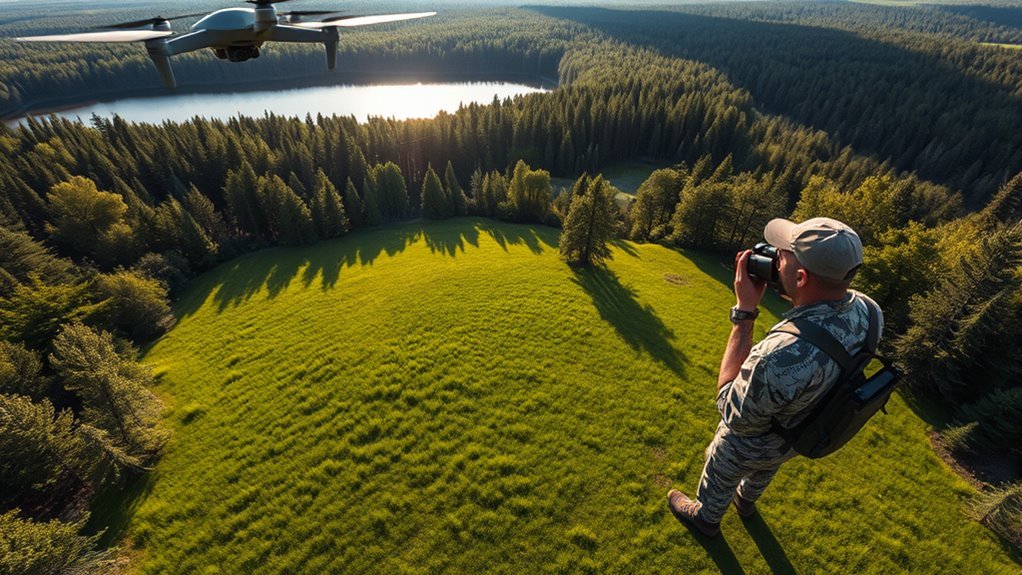
In Minnesota, you must follow specific regulations to use drones for deer recovery. Drones can’t be used during the hunting season, and you must comply with privacy laws and airspace restrictions. Only trained operators with FAA certification can conduct drone operations. It’s essential to avoid disturbing wildlife and operate drones responsibly. Additionally, you’ll need to report any recovered deer. Understanding these regulations helps uphold ethical hunting practices, and further insights into drone usage and conservation await you.
Overview of Drone Use in Minnesota Hunting
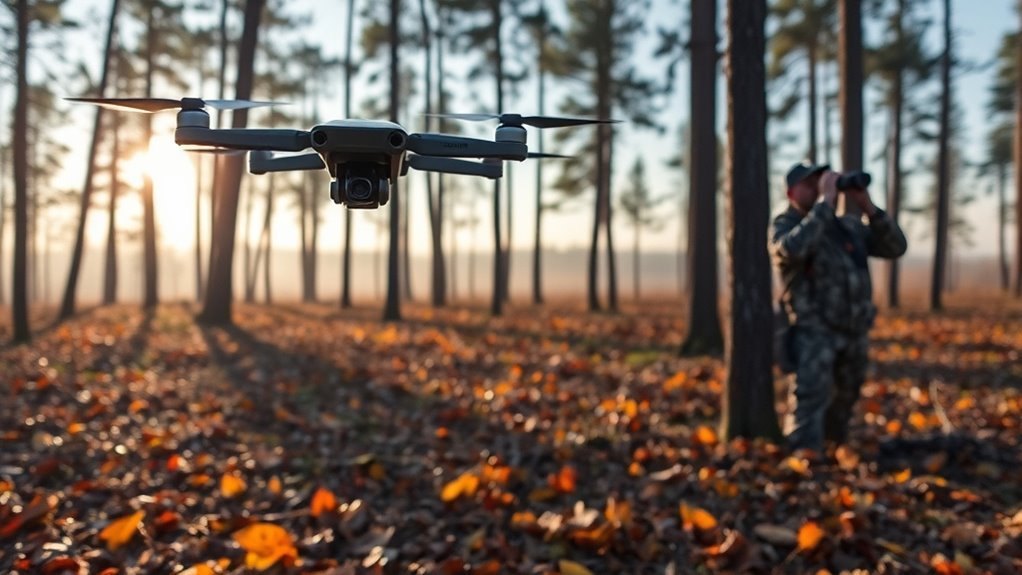
As technology continues to evolve, the use of drones in Minnesota hunting has gained significant attention, particularly for tracking and recovering deer. You may find that drone benefits extend beyond mere convenience; they enhance the ethical hunting experience. Drones allow hunters to cover vast terrains quickly, reducing the time spent searching for wounded game. This not only minimizes animal suffering but also aligns with responsible hunting practices. By using drones, you can locate deer more efficiently, ensuring that your efforts are respectful of wildlife and the environment. However, it’s essential to contemplate the balance between technological advancement and ethical hunting principles, as responsible use is key to maintaining the integrity of the hunting tradition in Minnesota.
Legal Framework for Drone Usage
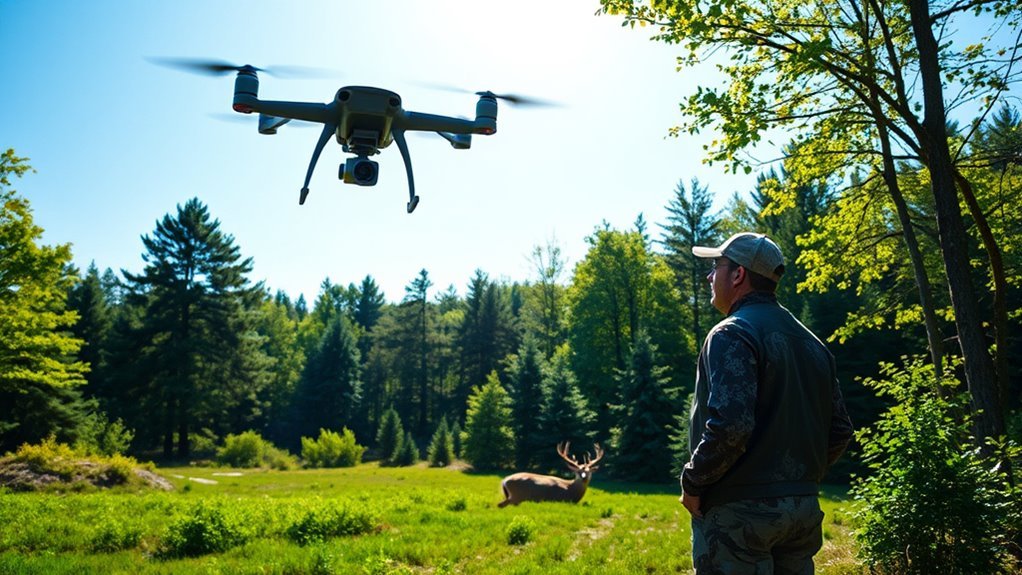
While drone technology offers promising advancements for deer recovery, understanding the legal framework surrounding its use in Minnesota is essential for any hunter. The Minnesota Department of Natural Resources (DNR) has established specific regulations to govern drone usage, ensuring compliance with both state and federal laws. You’ll need to stay updated on any regulatory updates, as these laws can evolve quickly. Drones may not be used for hunting or tracking deer during the actual hunting season, which could impact your recovery efforts. Additionally, you must respect privacy laws and airspace restrictions when operating your drone. Familiarizing yourself with these regulations not only keeps you compliant but also promotes ethical hunting practices, allowing for responsible use of this innovative technology.
Permitted and Prohibited Activities
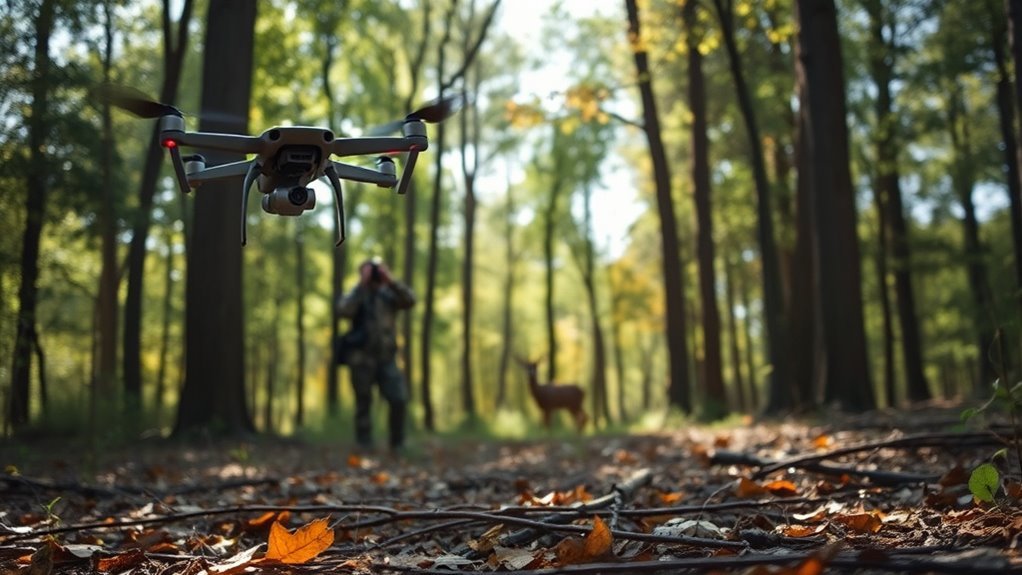
Understanding the permitted and prohibited activities related to drone usage for deer recovery is vital for guaranteeing compliance with Minnesota’s regulations. You can use drone technology to locate wounded deer, enhancing your chances of successful recovery while supporting wildlife conservation efforts. However, it’s important to avoid disturbing other wildlife or using drones during restricted hours, as these actions can violate regulations. Additionally, you can’t use drones to hunt or harass animals, as this undermines ethical hunting practices. Familiarizing yourself with these guidelines not only protects the environment but also upholds the integrity of your hunting experience. Adhering to these rules guarantees that you enjoy the freedom of using drones responsibly while contributing positively to wildlife conservation.
Requirements for Drone Operators
Before operating a drone for deer recovery in Minnesota, you must meet specific requirements to guarantee compliance with state regulations. First, you’ll need to obtain drone certification through the Federal Aviation Administration (FAA). This certification guarantees you understand the rules and can operate your drone safely and legally. Next, it’s crucial to complete operator training related to drone usage specifically for wildlife recovery. This training will equip you with the necessary skills to effectively locate deer while minimizing disturbances to their habitat. Additionally, staying informed about any updates to regulations or best practices will help you maintain compliance. By meeting these requirements, you not only enhance your freedom to operate but also contribute to ethical deer recovery efforts.
Safety Guidelines for Drone Operation
Before you operate your drone, it’s vital to conduct thorough pre-flight safety checks to guarantee everything is functioning properly. Additionally, maintaining visual line-of-sight with your drone is essential for safe operation and compliance with regulations. These guidelines help prevent accidents and guarantee a successful deer recovery process.
Pre-Flight Safety Checks
Conducting thorough pre-flight safety checks is essential for guaranteeing safe and effective drone operation, particularly when recovering deer in Minnesota. Start with a pre-flight checklist to guarantee all components are functional. Check the battery level, propellers, and camera equipment, as a drone inspection can prevent potential failures during flight. Verify that the firmware is up to date and that any necessary software is running smoothly. Inspect the remote controller and communication links for reliability. Examine the surrounding area for obstacles or hazards that may affect your flight path. By meticulously following these steps, you not only enhance your drone’s performance but also contribute to a responsible and successful deer recovery mission. Safety starts with preparation, so don’t overlook these critical checks.
Maintain Visual Line-of-Sight
Maintaining a visual line-of-sight (VLOS) during drone operations is essential not only for compliance with regulations but also for guaranteeing the safety of both the drone and the surrounding environment. You need to keep the drone within your visual tracking range, allowing you to monitor its movement and respond to potential hazards. This practice helps prevent collisions with obstacles and guarantees adherence to altitude limits, which can vary depending on your location. Remember, flying beyond your VLOS can lead to unintended consequences, including losing control of the drone or failing to avoid wildlife. By prioritizing VLOS, you enhance your operational safety and uphold responsible drone use while recovering deer in Minnesota.
Impact on Wildlife and Ethical Considerations
While drones offer innovative solutions for recovering deer, their use raises significant ethical concerns and potential impacts on wildlife. You should consider that the operation of drones can cause wildlife disturbances, leading to stress and displacement among animals. This can disrupt natural behaviors and habitats, which is counterproductive to the principles of ethical hunting. Additionally, the perception of drone usage may alter public attitudes toward hunting, potentially leading to stricter regulations that impact all hunters. It’s essential to weigh the benefits of drone recovery against these ethical implications. Ultimately, responsible use of technology in hunting practices must prioritize the well-being of wildlife and maintain the integrity of ethical hunting traditions. Balancing these factors is vital for sustainable hunting practices.
Reporting and Compliance Regulations
When using drones for deer recovery in Minnesota, you’ll need to understand the specific reporting requirements in place. Compliance with local laws is essential, as regulations can vary considerably by area. Additionally, there are strict drone usage restrictions designed to guarantee ethical and effective recovery practices.
Reporting Requirements Overview
Understanding the reporting requirements for using drones in deer recovery is essential for compliance with Minnesota’s regulations. You must document the use of drone technology specifically for tracking deer. This includes noting the date, time, and location of each flight, as well as the purpose of the operation. Detailed records help guarantee that your activities align with wildlife conservation goals. Additionally, you may be required to report any encounters with other wildlife or issues that arise during your drone operations. Keeping accurate records not only supports compliance but also promotes responsible use of technology in hunting practices. By adhering to these reporting guidelines, you contribute to sustainable wildlife management and preserve your freedom in utilizing drone technology effectively.
Compliance With Local Laws
To guarantee compliance with local laws regarding drone use for deer recovery, you must familiarize yourself with both federal and state regulations. These drone regulations dictate how and when you can operate your device, ensuring you’re aligned with hunting ethics. Ignoring these rules could lead to fines or other penalties, jeopardizing your ability to use drones in the future.
You’ll also need to stay updated on any changes in legislation that may affect drone use in hunting practices. Understanding local ordinances is essential, as they may impose additional restrictions or requirements. By adhering to these regulations, not only do you uphold responsible hunting ethics, but you also contribute to the sustainable management of wildlife in Minnesota.
Drone Usage Restrictions
Drone usage restrictions for deer recovery in Minnesota require strict adherence to reporting and compliance regulations. To responsibly utilize drone technology in wildlife conservation, you must follow these key guidelines:
- Obtain necessary permits and licenses before operating drones.
- Report any recovered deer to local authorities within 24 hours.
- Confirm drones are flown within legal altitude limits and away from populated areas.
- Respect wildlife habitats by avoiding disturbances during sensitive periods, such as mating or nesting seasons.
Future of Drone Technology in Deer Recovery
As technology continues to advance, the future of drone applications in deer recovery looks promising. With rapid drone advancements, you’ll find improved tracking capabilities and enhanced imaging systems, enabling hunters to locate downed deer more efficiently. However, it’s vital to take into account the ethical implications of using drones in this scenario. Balancing the benefits of technology with wildlife conservation is essential. You must remain aware of regulations while utilizing these tools to guarantee responsible practices. As drones become more integrated into hunting strategies, they could revolutionize the recovery process, providing you with greater opportunities for success while fostering a deeper respect for wildlife. Embracing these changes will allow you to navigate the evolving landscape of deer recovery responsibly.
Frequently Asked Questions
Can I Use My Personal Drone for Deer Recovery?
Can you really rely on your personal drone technology for deer recovery? While it offers advantages, ethical considerations and regulations must be weighed to guarantee responsible use and respect for wildlife and hunting practices.
Are There Specific Drone Models Recommended for Deer Recovery?
When considering drone technology for deer tracking, look for models with thermal imaging and GPS capabilities. These features enhance your ability to locate deer effectively, ensuring a more efficient recovery process without disturbing the environment.
Do I Need a Special License to Operate a Drone for Hunting?
You’ll need to check local drone regulations, as some states require a special license for hunting use. It’s essential to adhere to these rules to maintain hunting ethics and guarantee responsible drone operation.
What Are the Penalties for Violating Drone Regulations in Hunting?
Violating drone regulations in hunting’s like playing with fire; you risk severe penalties. Drone enforcement can lead to fines, license suspensions, or criminal charges for hunting violations, so it’s essential to understand and adhere to the rules.
Can I Operate a Drone at Night for Deer Recovery?
You can’t operate a drone at night for deer recovery unless it’s equipped with proper drone lighting or night vision. Ensuring compliance with regulations is essential to avoid penalties and promote responsible hunting practices.
