
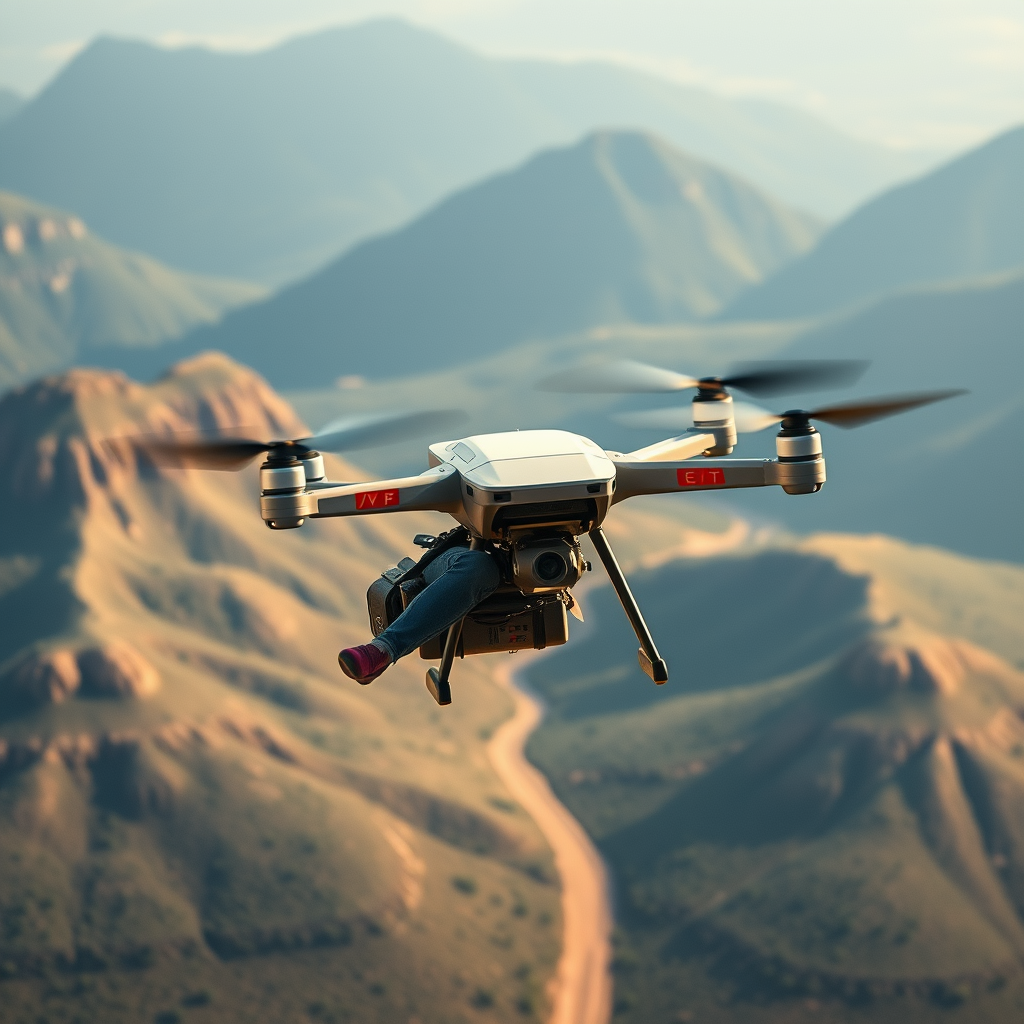
Drones capable of carrying a person, commonly known as passenger drones or eVTOLs (electric vertical takeoff and landing aircraft), are on the brink of transforming personal transportation. These cutting-edge machines offer innovative solutions to alleviate urban traffic congestion while providing a new perspective on mobility. As technology continues to advance, the prospect of personal flight is becoming a tangible reality. In this article, we will delve into the underlying technology, the benefits and challenges of passenger drones, current industry developments, and future trends.
Understanding Passenger Drones
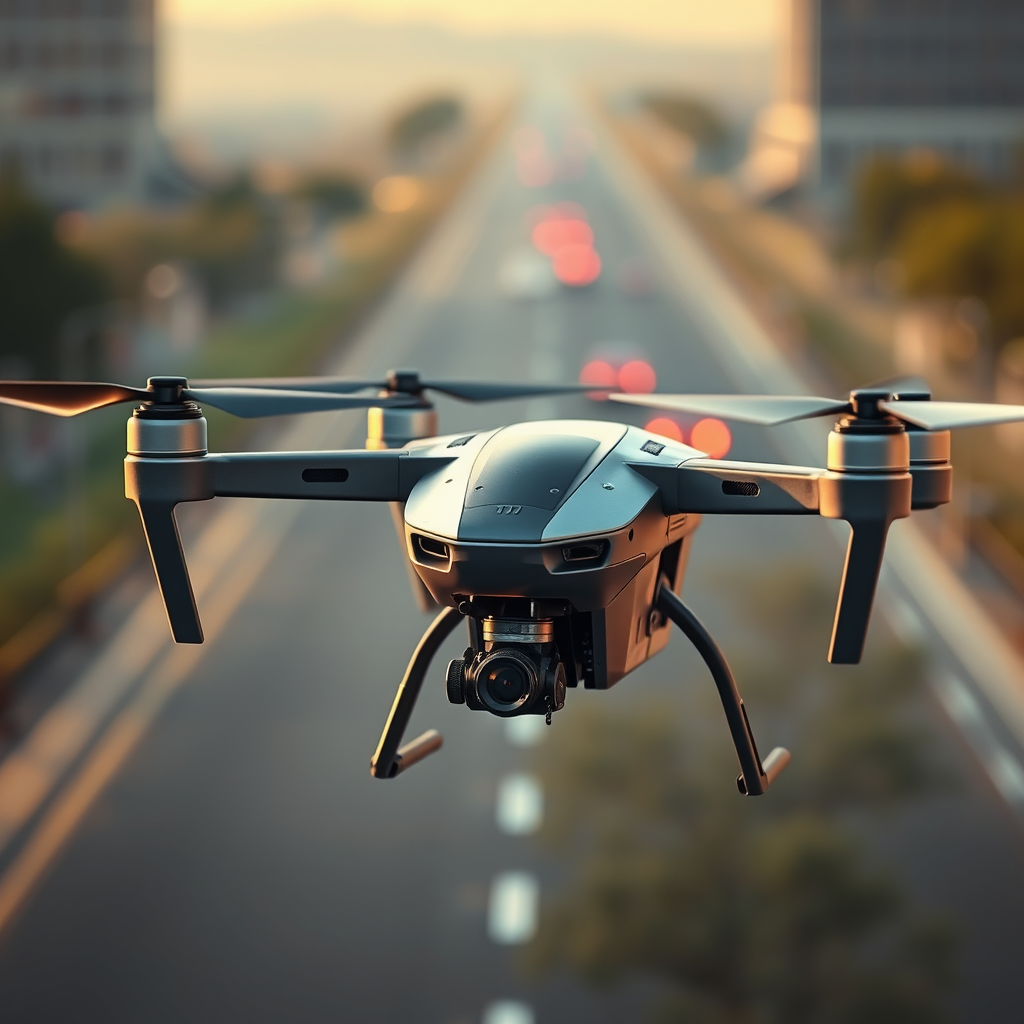
Passenger drones are defined as unmanned or manned aerial vehicles designed to transport individuals safely and efficiently. These vehicles utilize vertical takeoff and landing capabilities, which allow them to operate in confined urban environments without the need for traditional runways. Unlike traditional drones, which are primarily designed for aerial photography, surveillance, or cargo transport, eVTOLs prioritize human transportation. The fundamental mechanics of passenger drones combine rotorcraft and fixed-wing technology, enabling them to hover, ascend, and descend vertically while also achieving high-speed horizontal flight.
The differentiation between traditional drones and eVTOLs lies in their design and intended use. While traditional drones are typically small and operated remotely, eVTOLs are larger, often piloted, and designed with multiple rotors or wings to ensure stability and safety during flight. This evolution in drone technology signifies a significant shift in the way we think about personal transportation, particularly in densely populated urban areas where ground travel is often impeded by congestion.
Key Technologies Behind Passenger Drones
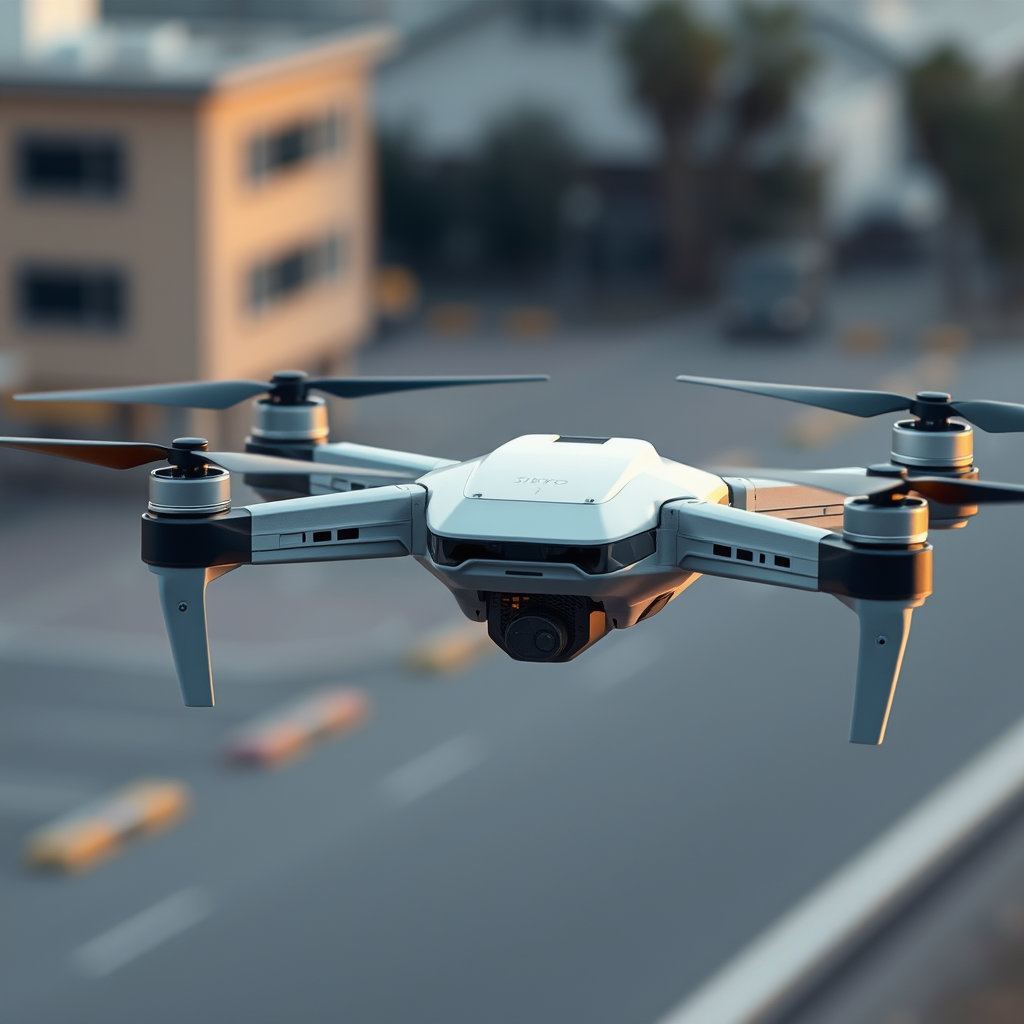
The advancement of passenger drones relies heavily on innovative propulsion systems, which include electric motors and high-capacity batteries. These systems are designed to provide the necessary lift and thrust while minimizing noise pollution and environmental impact. Electric propulsion is particularly advantageous for urban settings, where noise and emissions are critical considerations. Companies like Joby Aviation and Archer Aviation have made significant strides in developing efficient, quiet electric motors that enhance the feasibility of passenger drones for city use.
In addition to propulsion, advanced navigation systems and artificial intelligence (AI) play crucial roles in ensuring the safety and efficiency of passenger drones. These technologies facilitate autonomous flight, obstacle detection, and real-time traffic management. For instance, AI algorithms can analyze vast amounts of data to optimize flight paths, avoid collisions, and respond to changing weather conditions. The integration of these technologies not only enhances the operational capabilities of passenger drones but also instills greater confidence in their safety among potential users.
Benefits of Personal Flight Drones
The emergence of passenger drones presents several compelling benefits, particularly in urban environments plagued by traffic congestion. By utilizing the vertical space above cities, these drones can significantly reduce travel times, allowing individuals to bypass ground traffic altogether. For example, a trip that may take over an hour by car could potentially be reduced to mere minutes in a passenger drone. This time efficiency is particularly beneficial for business professionals, emergency services, and delivery systems.
Furthermore, passenger drones have the potential to increase accessibility to remote locations that are otherwise difficult to reach by traditional means. Rural communities could benefit from enhanced connectivity to urban centers, providing residents with greater access to jobs, education, and healthcare services. This capability could bridge the urban-rural divide, fostering economic growth and social inclusion in previously underserved areas.
Safety Considerations and Regulations
As with any emerging technology, the deployment of passenger drones raises important safety considerations and necessitates a robust regulatory framework. Regulatory bodies around the world, including the Federal Aviation Administration (FAA) in the United States, are actively developing guidelines to govern the operation of eVTOLs. These regulations focus on airworthiness standards, pilot certification, and operational limits to ensure the safe integration of passenger drones into existing airspace.
Key safety features are being implemented in the design of passenger drones, such as redundancy systems that provide backup for critical components like propulsion and navigation. Emergency protocols, including automated landing procedures and the ability to glide in the event of a power failure, are also being developed to enhance passenger safety. The focus on safety is essential for building public trust and acceptance, which is crucial for the widespread adoption of this transformative technology.
Current Developments in the Industry
The passenger drone sector has witnessed remarkable advancements in recent years, with numerous companies making headlines for their innovative designs and successful test flights. Notable players in this space include Volocopter, which successfully completed a manned flight in a multi-rotor air taxi, and Lilium, known for its unique jet-like design that promises high speed and efficiency. These companies are not only refining their prototypes but also engaging in pilot programs to demonstrate the viability of passenger drones for urban transportation.
Recent test flights have shown promising results, with some companies achieving regulatory approval for controlled environments. For example, EHang has been actively conducting demonstration flights in various cities, showcasing the operational capabilities of their autonomous aerial vehicles. These developments are crucial for validating the technology and gaining support from both regulators and the public.
Future Trends and Predictions
Looking ahead, the passenger drone industry is poised for significant advancements in technology that will enhance their functionality and appeal. Expected developments include improved battery technologies that will extend flight range and reduce charging times, making passenger drones more practical for everyday use. Additionally, advancements in AI and machine learning will enable more sophisticated autonomous flight capabilities, allowing for safer and more efficient operations.
The impact of passenger drones on urban infrastructure is also a critical consideration. As these vehicles become more commonplace, cities may need to adapt their zoning laws, air traffic management systems, and infrastructure to accommodate landing pads and charging stations. This shift could lead to a reimagining of urban landscapes, with designated air corridors and integrated transportation hubs that facilitate seamless transitions between air and ground travel.
Public Perception and Acceptance
Public perception plays a vital role in the future of passenger drones. Recent surveys indicate a growing interest in personal flight solutions, but there are also notable concerns regarding safety, noise pollution, and privacy. Addressing these concerns through effective communication, education, and transparency is essential for fostering public acceptance.
As more test flights and pilot programs are conducted, ongoing education about the safety measures and benefits of passenger drones will help alleviate apprehensions. Engaging with communities and stakeholders to explain the technology’s advantages and operational protocols can build trust and encourage acceptance among potential users.
In conclusion, as passenger drones move closer to becoming a reality, they hold the potential to transform the way we travel in urban environments. Understanding their technology, benefits, and challenges is crucial as we prepare for a future where personal flight becomes an everyday option. By staying informed about these developments, we can better anticipate how passenger drones may soon take to the skies near us, reshaping the landscape of personal transportation.
Frequently Asked Questions
What is a drone that can carry a person, and how does it work?
A drone that can carry a person, often referred to as an “eVTOL” (electric vertical take-off and landing) aircraft, is an innovative aerial vehicle designed for human transportation. These drones utilize multiple rotors or propellers for lift and stability, allowing them to take off and land vertically, similar to a helicopter. They are equipped with advanced navigation systems, safety features, and often run on electric power, making them eco-friendly alternatives for urban air mobility.
How safe are passenger-carrying drones?
Safety is a paramount concern for passenger-carrying drones, and manufacturers implement multiple safety systems, including redundant flight controls and emergency landing protocols. Most eVTOLs are designed to comply with strict aviation regulations and undergo rigorous testing to ensure reliability. Additionally, pilot training and air traffic management systems are being developed to further enhance the safety of these drones in shared airspace.
Why are drones that can carry people considered the future of urban transportation?
Drones that can carry people are seen as the future of urban transportation due to their potential to alleviate traffic congestion, reduce travel times, and provide environmentally friendly commuting options. By utilizing vertical airspace, eVTOLs can bypass road traffic, making them particularly appealing for densely populated cities. Furthermore, advancements in technology and infrastructure, such as vertiports and charging stations, are paving the way for their integration into everyday transportation systems.
Which companies are leading the development of passenger-carrying drones?
Several companies are at the forefront of developing passenger-carrying drones, including established aviation giants like Boeing and Airbus, as well as innovative startups such as Joby Aviation, Volocopter, and Archer Aviation. These companies are investing heavily in research and development to bring eVTOL technology to market, and many are conducting test flights to demonstrate their capabilities. Their diverse approaches to design and functionality are shaping the future of aerial mobility.
What are the legal regulations for operating a drone that can carry a person?
Operating a drone that can carry a person involves navigating complex legal regulations that vary by country and region. In the United States, for example, the Federal Aviation Administration (FAA) has set specific guidelines for eVTOL operations, including certification requirements for both the aircraft and the pilots. Additionally, operators must comply with airspace regulations, safety standards, and operational limitations to ensure the safe integration of these vehicles into the existing air traffic system.
References
- https://en.wikipedia.org/wiki/Passenger_drone
- https://www.bbc.com/news/technology-40657286
- https://www.reuters.com/technology/flying-taxis-are-here-2021-10-26/
- https://www.nytimes.com/2021/10/26/technology/flying-taxis.html
- https://www.sciencedirect.com/science/article/pii/S2351978921002170
- https://www.nasa.gov/press-release/nasa-to-begin-flying-taxi-operations-in-2023
- https://www.wired.com/story/flying-taxis-2023/
- https://www.aaai.org/ojs/index.php/aimagazine/article/view/1879
- https://www.techcrunch.com/2021/10/26/flying-cars-are-getting-close-to-takeoff/
