
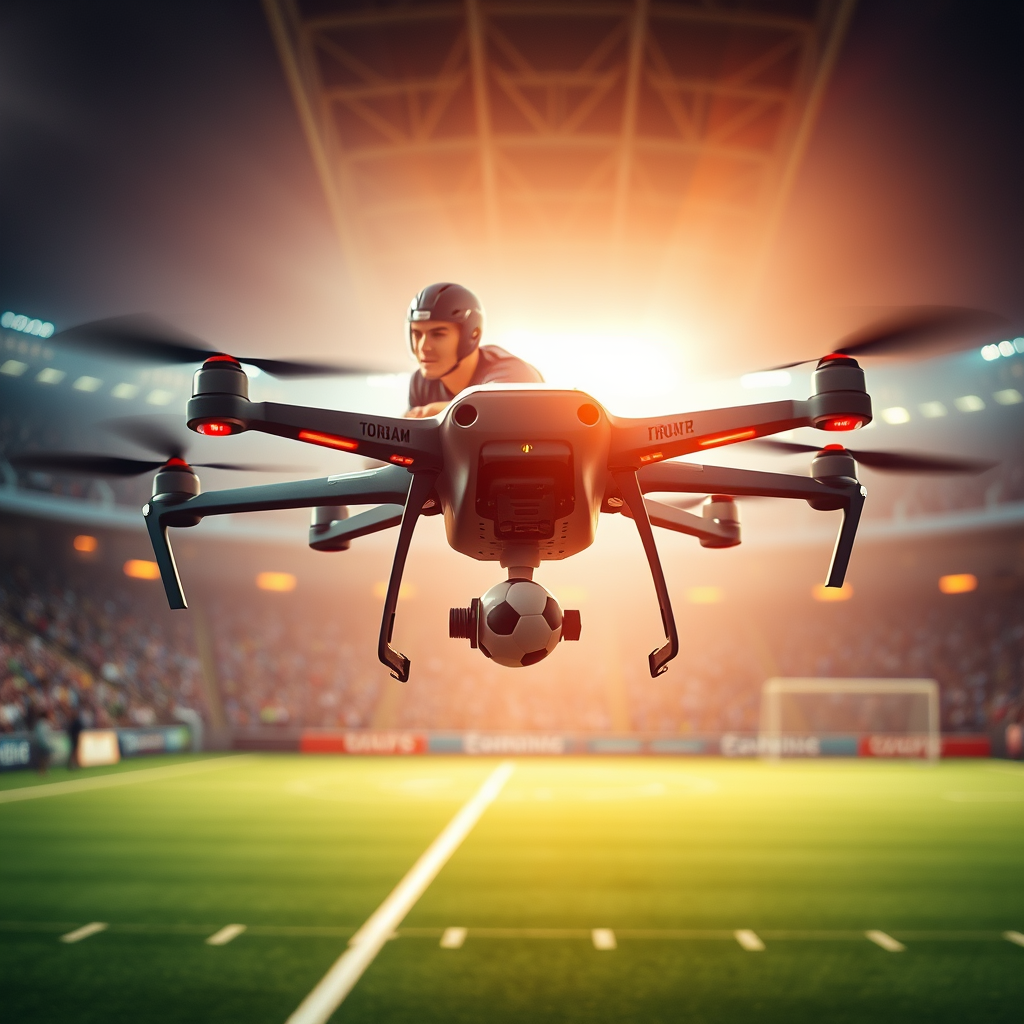
Drones you can ride, also known as passenger drones or air taxis, represent a groundbreaking advancement in personal transportation, allowing individuals to bypass traffic and urban congestion by taking to the skies. These innovative aerial vehicles are designed to transform the way we think about commuting, offering faster and more efficient travel options that leverage cutting-edge technology. With developments in electric vertical takeoff and landing (eVTOL) systems, these drones are not just a futuristic concept but are rapidly becoming a tangible reality.
What Are Rideable Drones?

Rideable drones are advanced aerial vehicles designed to transport passengers, often employing multiple rotors or wings for lift. Their primary purpose is to alleviate urban traffic congestion and provide a swift and convenient mode of transport, particularly in densely populated areas. The technology behind passenger drones includes a combination of electric propulsion systems, automated flight controls, and sophisticated navigation technologies such as GPS and LiDAR. These systems enable the drones to operate autonomously or with minimal human intervention, ensuring safety and efficiency in urban air mobility.
Current Market Players

Several key companies are at the forefront of developing rideable drones. Joby Aviation, for instance, has garnered significant attention with its all-electric air taxi prototype, which is designed to carry up to four passengers at speeds of 200 mph. Volocopter is another notable player, focusing on urban air mobility with its electric multicopter designs, which have successfully completed various test flights in cities around the globe. Other companies such as Archer Aviation and Lilium are also making strides, each bringing unique features to their prototypes—like Lilium’s jet-like wings for longer flight ranges. These developments signal a competitive market poised for growth, with various designs catering to different operational needs and preferences.
How Rideable Drones Work
Rideable drones operate using advanced flight mechanisms that include multiple rotors for vertical lift and control. Most models incorporate a hybrid model of flight control, allowing for both manual and autonomous operation. Navigation is facilitated through integrated GPS systems, supplemented by real-time data from ground-based control centers. Safety measures are paramount in rideable drone design, featuring redundancies in critical systems, such as dual battery packs and multiple flight control units. Furthermore, many prototypes are equipped with advanced obstacle detection and collision avoidance systems, ensuring safe travel even in complex urban environments.
Regulatory Challenges
The integration of rideable drones into existing airspace presents significant regulatory challenges. Current air traffic regulations must evolve to accommodate these new vehicles, which necessitate a framework for managing their operation alongside traditional aircraft. Regulatory bodies, such as the Federal Aviation Administration (FAA) in the United States, are developing guidelines that address safety certifications and pilot requirements, ensuring that operators meet necessary safety standards. Additionally, air traffic management systems will need to be updated to support the unique flight patterns of passenger drones, which may include designated flight corridors and landing zones.
Future Prospects and Advancements
The future of rideable drones is promising, with potential advancements in battery technology and flight range paving the way for broader adoption. Innovations in battery efficiency could enable longer flight times and greater payload capacities, making air taxis a viable option for a wider range of consumers. Moreover, as infrastructure for vertiports—designated takeoff and landing areas for air taxis—develops, the logistics of integrating passenger drones into daily life will become increasingly feasible. Industry experts predict that, within the next decade, we may see the widespread adoption of rideable drones, transforming urban commuting and providing a sustainable alternative to traditional forms of transportation.
Use Cases for Rideable Drones
There are numerous use cases for rideable drones that extend beyond personal commuting. In urban environments, air taxis can significantly reduce travel times for daily commuters, especially during peak hours when ground traffic is congested. Additionally, rideable drones have potential applications in emergency services, such as rapid medical transport or disaster response, where quick access to remote locations is crucial. The tourism industry could also leverage this technology, offering aerial sightseeing tours that provide unique views of urban landscapes and natural wonders. As the technology matures, recreational uses could emerge, allowing individuals to experience the thrill of flying in a drone designed for personal transport.
Public Perception and Acceptance
Public opinion regarding rideable drones is mixed, with enthusiasm tempered by concerns over safety, noise, and privacy. Surveys indicate that while many people acknowledge the benefits of reducing traffic congestion and providing quick transport options, there are apprehensions about the safety of flying in an unmanned vehicle. Factors influencing acceptance include public education on safety measures, successful test flights, and transparent communication from companies about the technology’s capabilities. Building trust will be essential for the widespread acceptance of flying taxis, and community engagement will play a critical role in addressing concerns and demonstrating the advantages of this innovative mode of transport.
As passenger drones continue to evolve, they hold the potential to revolutionize urban transportation by providing a faster and more efficient way to navigate cities. With advances in technology, regulatory frameworks, and public acceptance, we stand on the brink of a new era in personal transport. Staying informed about developments in this exciting field can help you prepare for the future of travel, as rideable drones are poised to become a staple of urban mobility.
Frequently Asked Questions
What are the benefits of riding a drone instead of traditional vehicles?
Riding a drone offers several advantages over conventional vehicles, including the ability to navigate through congested areas and avoid traffic. Drones can provide a unique aerial perspective and are often equipped with advanced technology for enhanced safety and stability. Additionally, they have the potential to reduce travel times significantly, especially in urban environments, while promoting eco-friendly transportation alternatives.
How much does a rideable drone typically cost?
The price of a rideable drone varies widely based on features, specifications, and brand. Entry-level models can start around $15,000, while high-end commercial drones may exceed $200,000. Factors such as flight range, payload capacity, and advanced navigation systems can impact the overall cost, making it essential for potential buyers to evaluate their needs before making a purchase.
Why are rideable drones not yet widely available for consumer use?
Rideable drones face several regulatory, technological, and safety challenges that hinder widespread consumer adoption. Regulatory bodies, such as the FAA in the United States, are still developing policies and guidelines to ensure safe operation in urban airspace. Additionally, technical hurdles related to battery life, weight capacity, and autonomous flight capabilities must be addressed before rideable drones can become a common mode of transport.
Which companies are currently leading in the development of rideable drones?
Several companies are at the forefront of rideable drone technology, including Kitty Hawk, Pal-V, and eHang. Kitty Hawk has made headlines with its innovative designs and flight tests, while Pal-V is known for its flying car concept that combines driving and flying capabilities. eHang focuses on autonomous aerial vehicles for passenger transport, showcasing the diverse approaches being taken in this emerging industry.
What safety features should I look for in a rideable drone?
When considering a rideable drone, it’s crucial to prioritize safety features such as emergency parachutes, redundant flight systems, and obstacle detection technology. Additionally, look for models equipped with GPS navigation for precise control and flight tracking, as well as multiple rotors for enhanced stability. Comprehensive safety protocols and pilot training programs are also essential to ensure a safe riding experience.
References
- https://en.wikipedia.org/wiki/Passenger_drone
- https://www.bbc.com/news/technology-43144047
- https://www.reuters.com/technology/flying-car-startup-joby-aviation-seeks-go-public-with-33-bln-valuation-2020-08-10/
- https://www.nytimes.com/2021/01/01/business/flying-cars-drones.html
- https://www.techcrunch.com/2020/08/10/joby-aviation-flying-car/
- https://www.sciencedirect.com/science/article/pii/S2351978921000559
- https://www.wired.com/story/the-future-of-urban-mobility-is-in-the-air/
- https://www.nasa.gov/aeroresearch/featured-articles/urban-air-mobility-overview
