

Choosing the best fishing drone is no longer a niche decision for tech enthusiasts alone. For modern anglers, a drone can influence bait placement, casting distance, time efficiency, and even overall success on the water. When comparing the AEE Condor fishing drone with competing bait drones, the conversation quickly comes down to a few practical factors: range, payload capacity, battery performance, flight stability, and ease of use.
📋 About This Article
This article helps you choose whether the AEE Condor fishing drone is the best pick compared with competing bait drones. It’s for anglers who want reliable results on the water and are comparing real-world features, not just marketing claims. You’ll learn what matters most for fishing drone performance, how the Condor stacks up on key factors like range, payload, battery life, stability, and ease of use, and which option is likely to work best for different fishing conditions.
The AEE Condor has earned attention because it addresses the real-world needs of drone fishing rather than simply offering flashy specifications. Whether you fish offshore, from the beach, over lakes, or in challenging wind conditions, selecting the right fishing drone can make the difference between a smooth bait drop and a frustrating day of technical problems. For anglers who want dependable performance, the AEE Condor often stands out as one of the strongest options in its class.
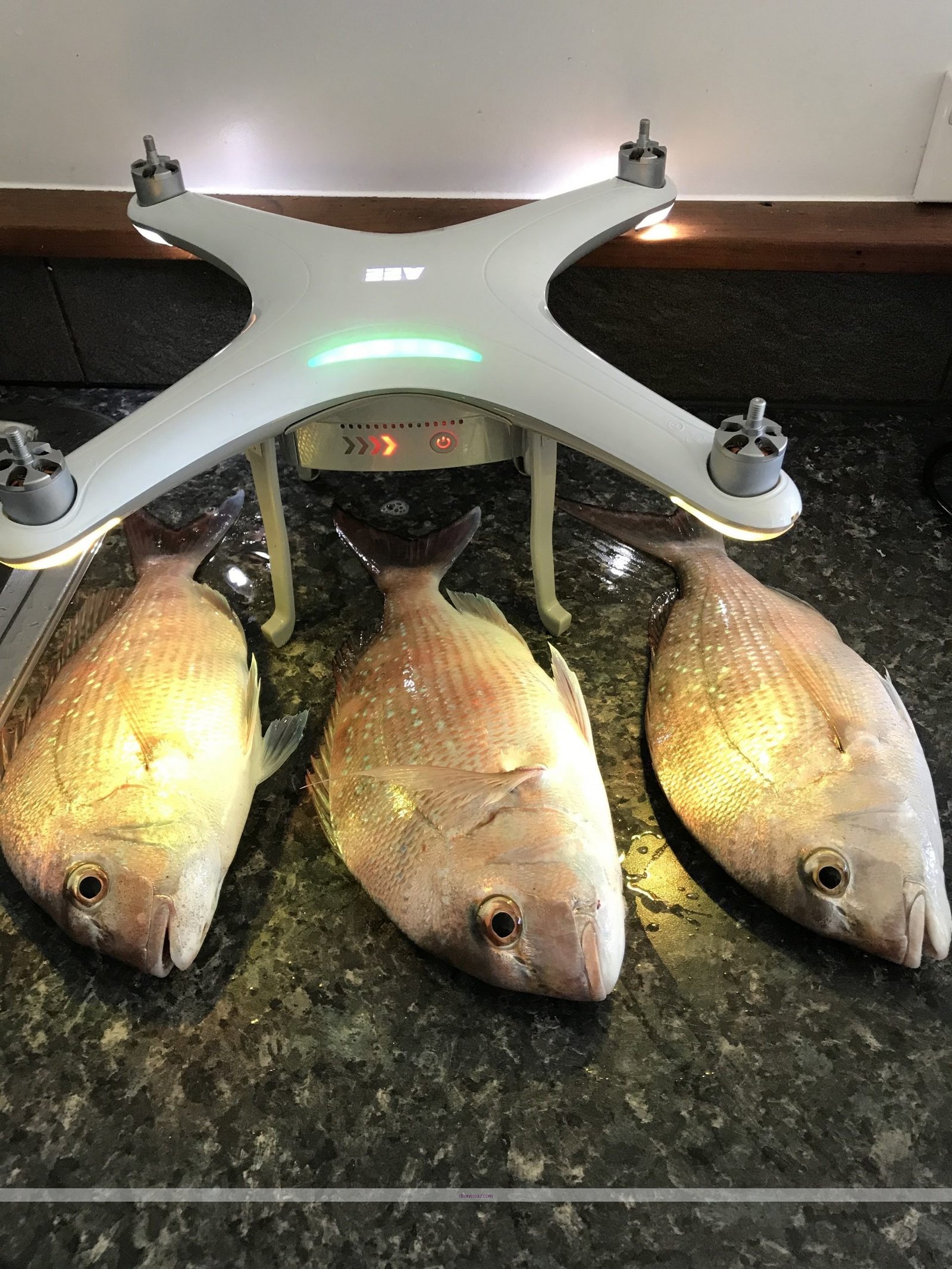
AEE Condor Fishing Drone vs Competitors: What Really Matters
Many buyers compare fishing drones based only on price, but cost alone rarely tells the full story. A lower-priced drone may look attractive at first, yet it can fall short where it matters most: carrying bait safely, maintaining signal at long distances, and staying stable over water. In contrast, a premium drone like the AEE Condor is designed around performance priorities that matter to serious anglers.
When evaluating the AEE Condor against competitors, the most important criteria usually include:
- Payload capacity for carrying bait, rigs, or small tackle setups
- Flight range for reaching productive fishing zones farther from shore
- Battery life for reliable operation during extended sessions
- GPS functionality for navigation, return-to-home, and location accuracy
- Wind resistance and overall flight stability in coastal conditions
- User-friendly controls for both beginners and experienced drone anglers
- Durability for saltwater and rugged outdoor environments
The AEE Condor performs well across these categories, which is why it is often viewed as a more dependable investment than many entry-level or general-purpose drones adapted for fishing.
What You Risk by Choosing the Wrong Fishing Drone
A fishing drone is not just another gadget. It is a functional tool that needs to perform consistently in demanding conditions. Choosing the wrong model can lead to more than simple inconvenience. It can result in wasted money, lost tackle, missed fishing opportunities, and in some cases, safety issues.
One of the biggest risks is buying a drone with insufficient payload capacity. If the drone cannot carry your bait setup properly, your drop accuracy and range become limited. This can reduce your ability to target deeper water, offshore structure, or active feeding zones where fish are more likely to be found.
Battery performance is another common failure point. A drone with short or inconsistent flight time may force you to cut trips short or make rushed bait drops. Over water, weak battery performance is especially problematic because there is very little room for error. A loss of power at the wrong moment can mean losing both the drone and attached gear.
Weather resistance also matters more than many first-time buyers expect. Fishing rarely happens in perfect conditions. Coastal wind, sea spray, humidity, and changing temperatures can affect flight stability and control. A poorly suited drone may struggle in these environments, while a purpose-built fishing drone like the AEE Condor is generally better equipped for demanding outdoor use.
The Mistake Most Buyers Make When Comparing Fishing Drones
The most common mistake is focusing too heavily on price while ignoring long-term value. A cheaper drone may seem like a smart purchase, but if it lacks reliable GPS, strong battery support, stable flight control, or adequate carrying capacity, it may not meet the practical needs of drone fishing.
Overlooking Payload Capacity
Payload capacity is one of the most overlooked features in any fishing drone comparison. This specification determines how much bait, rigging, or terminal tackle the drone can carry safely. If a competitor drone has a lighter payload limit, it may restrict your setup options and reduce effectiveness for larger species or long-distance drops.
The AEE Condor is often favored because its payload capability aligns better with serious angling applications. That makes it more suitable for users who need a drone that can do more than carry minimal weight.
Ignoring Flight Stability and GPS Features
Many competing drones advertise strong top-line specs, but flight performance in real fishing conditions can vary significantly. Advanced GPS-assisted flight, accurate positioning, return-to-home functionality, and stable hovering are critical when deploying bait over water. These features support precision and reduce the risk of operator error.
The AEE Condor is widely recognized for its stable flight characteristics and ease of control, which makes it a practical option for anglers who want reliability rather than experimentation.
Failing to Match the Drone to the Fishing Environment
Not every fishing location places the same demands on a drone. Freshwater lakes, rocky coastlines, surf beaches, and offshore waters all create different operational challenges. A drone that performs well in calm inland conditions may not handle saltwater wind or extended range requirements effectively.
This is where the AEE Condor gains an advantage. Its design philosophy is closer to what anglers need in real field conditions, especially when weather and distance become part of the equation.
How to Know Which Fishing Drone Is Right for You
The right drone depends on your fishing style, location, and experience level. Before choosing between the AEE Condor and competing models, it helps to assess how you actually fish.
Choose Based on Your Fishing Range
If you regularly fish from shore and need to deliver bait far beyond casting distance, long-range capability should be high on your checklist. In this area, the AEE Condor is a strong contender because it is built for dependable distance performance. Anglers targeting offshore species or deep-water feeding areas often benefit most from this kind of range advantage.
Consider Your Typical Weather Conditions
If you frequently fish in windy, unpredictable, or coastal environments, you need a drone with dependable stability and control. Wind resistance is not just a convenience feature; it directly affects bait placement accuracy and overall flight safety. The AEE Condor is often preferred by anglers who want more confidence in less-than-ideal conditions.
Evaluate How Much Weight You Need to Carry
Some anglers use minimal bait rigs, while others need to carry heavier bait, larger hooks, leaders, or specialized setups. If your fishing style requires more transport capability, payload capacity becomes a major buying factor. The AEE Condor is generally a better fit for users who need stronger carrying performance without sacrificing flight control.
Think About Ease of Use
Beginners often need a platform that feels intuitive and stable from the first flight. Experienced drone anglers may be comfortable with more advanced systems, but they still value smooth controls and reliable automation. One reason the AEE Condor appeals to a wide range of users is that it balances professional-grade capability with accessible operation.
Why the AEE Condor Often Comes Out Ahead
When compared with many competing fishing drones, the AEE Condor tends to stand out because it combines the features that matter most into one well-rounded platform. It is not only about raw specifications. It is about how those specifications translate into practical fishing performance.
Strong Range for Serious Anglers
Range is one of the AEE Condor’s most compelling strengths. For anglers who need to place bait beyond normal casting limits, a long operational range creates a clear advantage. This can improve access to productive water and open up fishing opportunities that traditional methods cannot reach as easily.
Reliable Payload Support
The Condor’s ability to handle meaningful bait loads makes it attractive for surf fishing, offshore bait deployment, and more advanced fishing strategies. Competing drones with weaker lift capacity may force compromises, while the AEE Condor better supports anglers who need practical utility.
Stable Flight Over Water
Water environments can be unforgiving for drones. Crosswinds, changing gusts, and visual glare all add difficulty. A stable aircraft is easier to control, more accurate for bait release, and safer during return flight. The AEE Condor’s flight stability is one of the main reasons it is frequently recommended over less specialized alternatives.
User-Friendly Operation
Not every buyer wants a steep learning curve. The AEE Condor offers a more approachable user experience than many complex drone systems, which makes it a smart option for anglers who want efficient setup and smooth operation. This ease of use also helps reduce mistakes during launch, navigation, and bait drop.
Built for Demanding Conditions
Fishing gear needs to withstand outdoor abuse, and drones are no exception. A well-built fishing drone must be able to handle regular use in harsh conditions. Compared with many standard consumer drones, the AEE Condor is better aligned with the durability expectations of anglers who fish frequently and depend on their equipment.
AEE Condor vs Competitor Drones: Best for Different Types of Buyers
Best for Beginners
If you are new to drone fishing, the AEE Condor is a strong choice because of its combination of stability, control, and straightforward usability. Some competitor models may appear simpler on paper, but they often sacrifice the performance needed for reliable fishing use.
Best for Experienced Drone Anglers
Experienced users typically care about consistent results, operational range, and carrying capability. In these areas, the AEE Condor offers advantages that make it suitable for more serious fishing applications. It supports anglers who want to improve efficiency without compromising precision.
Best for Coastal and Surf Fishing
For anglers fishing in windy beach environments or saltwater locations, the Condor’s stronger range and flight stability make it a more practical option than many lightweight alternatives. Competitor drones built for casual photography or recreational flying may not deliver the same confidence in these scenarios.
Final Verdict: Is the AEE Condor the Best Choice?
For anglers looking for a high-performance fishing drone, the AEE Condor is often one of the best choices available. Its strengths in range, payload capacity, ease of use, and flight stability give it a meaningful edge over many competing models. While every buyer should consider personal fishing conditions and budget, the Condor delivers the kind of reliable functionality that matters most on the water.
If your priority is a drone that helps you fish more effectively rather than one that simply looks impressive on a spec sheet, the AEE Condor fishing drone is a standout option. For serious anglers and ambitious beginners alike, it represents a smart investment in better bait deployment, greater reach, and a more capable fishing setup.
Frequently Asked Questions
1. How does the AEE Condor Fishing Drone compare to other fishing drones in terms of payload and bait release?
The AEE Condor Fishing Drone is often considered a strong option for anglers who need dependable bait delivery and a practical payload capacity for offshore or surf fishing. Compared with many entry-level competitors, it is generally viewed as more capable for carrying heavier bait setups and deploying them with better control. This matters when targeting larger species or fishing in areas where a longer cast is difficult from shore. Many competing drones may be lighter, cheaper, or easier to transport, but they do not always offer the same confidence when carrying bulkier rigs or handling demanding fishing conditions. If payload and reliable bait release are top priorities, the AEE Condor is usually one of the more serious options to consider.
2. Is the AEE Condor Fishing Drone better than competitors for long-range fishing?
For anglers focused on dropping bait far beyond traditional casting distance, the AEE Condor is commonly compared favorably with many standard consumer drones and some lower-tier fishing drones. Its design is aimed more directly at fishing use, which can make it a better fit for long-range bait deployment than general-purpose aerial drones adapted for fishing. However, whether it is the best choice depends on more than range alone. Competing models may offer stronger battery efficiency, newer navigation features, or smarter return-to-home systems. The AEE Condor is a good option for long-range applications if you want a drone purpose-built for fishing, but buyers should still compare actual flight time, legal operating limits, signal reliability, and environmental performance before making a final decision.
3. What are the main advantages of choosing the AEE Condor over other fishing drones?
The biggest advantages of the AEE Condor Fishing Drone are usually its fishing-focused build, practical lifting ability, and suitability for anglers who need a more specialized tool than a standard recreational drone. Many users look at the Condor because it is designed around the real needs of bait deployment rather than photography or casual flying. This can make it more appealing than competitors that require aftermarket release systems or modifications. It may also offer more confidence in windy coastal environments, which is an important factor for beach and rock fishing. In short, the Condor tends to stand out for purpose-driven functionality, while competitors may be better in other areas such as price, compactness, camera quality, or beginner-friendly controls.
4. Are there any downsides to the AEE Condor Fishing Drone compared to competing models?
Yes, like any specialized fishing drone, the AEE Condor may not be the perfect choice for every buyer. Compared with some competitors, it can be seen as a larger, more task-specific investment, which may be less appealing to casual anglers or first-time drone users. Some competing models may offer more modern smart features, easier portability, quieter operation, or a lower overall cost of ownership. Others may be simpler to learn for people who are new to drone fishing. The best way to look at the Condor is as a serious fishing tool rather than an all-purpose drone. If your priority is heavy-duty bait delivery and fishing performance, its trade-offs may be worthwhile. If your priority is convenience, affordability, or recreational flying, a competitor could be the better fit.
5. Who should buy the AEE Condor Fishing Drone instead of a competitor?
The AEE Condor Fishing Drone is usually best suited for anglers who regularly fish from shore, need to place bait at extended distances, and want equipment designed specifically for drone-assisted fishing. It is a strong candidate for people who value payload capacity, controlled bait drops, and performance in more challenging coastal conditions. On the other hand, a competitor may be a better choice for beginners, occasional users, or buyers with a tighter budget who do not need advanced fishing capability. If you fish often and want a dedicated drone that supports serious bait deployment rather than general hobby flying, the AEE Condor is likely one of the better options. If you want portability, lower cost, or broader non-fishing use, another model may offer a better balance.
