
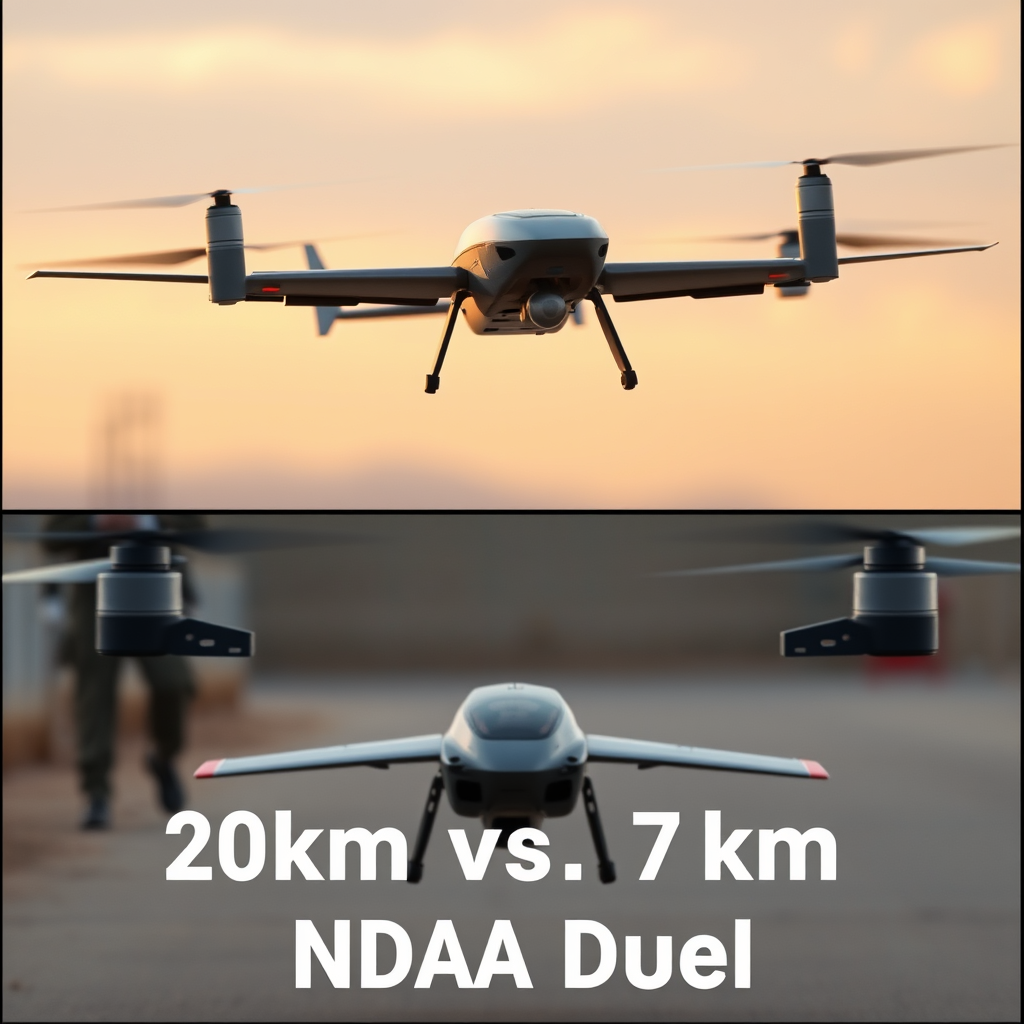
The AeroVironment Puma LE clearly outshines the Anzu Raptor T when it comes to operational range, offering an impressive 20km radio control compared to the Raptor T’s 7km. This difference in range translates to significant advantages in reconnaissance and operational flexibility. In this article, we’ll dive into a detailed comparison of these two long-endurance drones, highlighting their capabilities, benefits, and unique features to better inform your selection.
Overview of the AeroVironment Puma LE
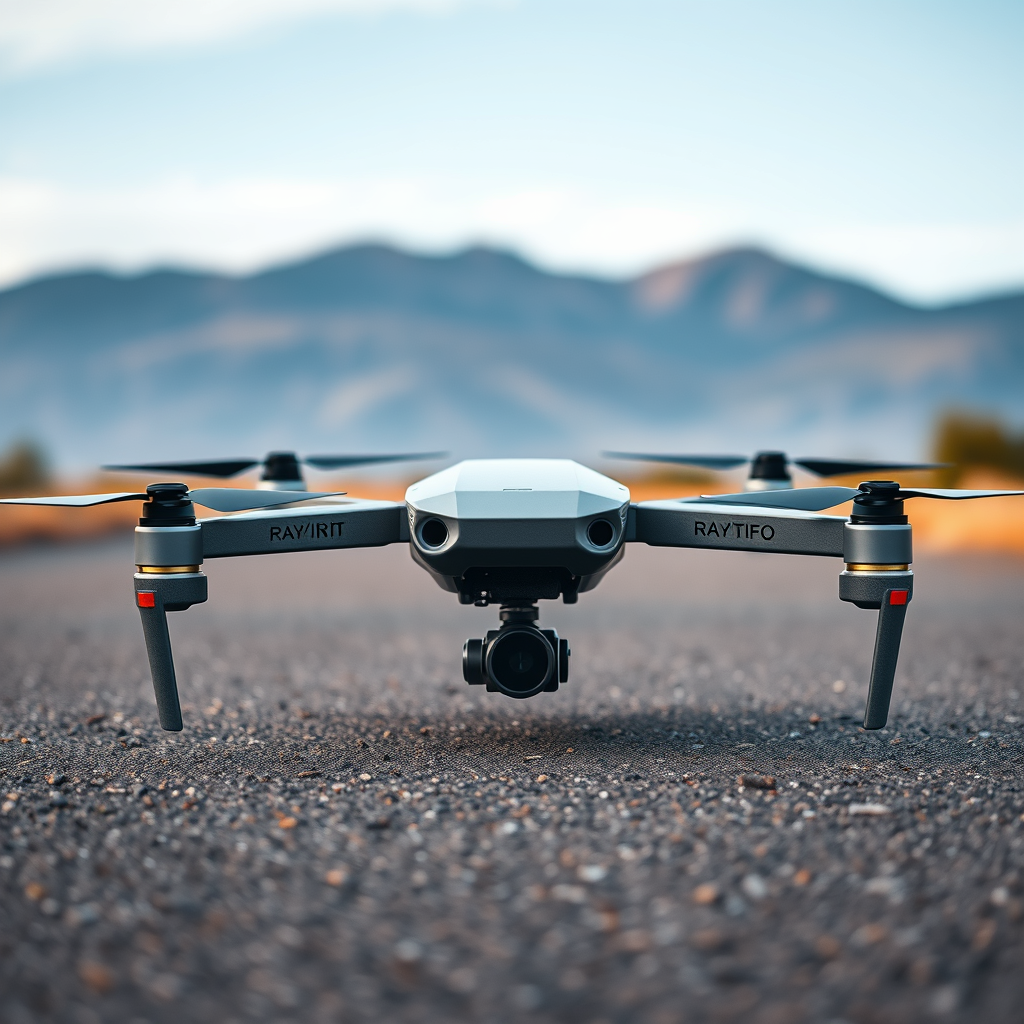
The AeroVironment Puma LE is a sophisticated drone designed for both military and commercial applications. With a focus on high endurance and versatility, the Puma LE is capable of executing a wide array of missions, from surveillance to search and rescue operations. This drone is equipped with advanced sensors, including electro-optical and infrared cameras, allowing it to capture high-resolution imagery and video in real-time. Additionally, the Puma LE features robust communication systems that ensure seamless data transmission back to command centers, enhancing situational awareness and operational efficiency.
The design of the Puma LE is optimized for rugged environments, featuring durable materials that can withstand harsh weather conditions. With a wingspan of nearly 9 feet, it is lightweight yet offers superior flight stability and endurance, allowing for extended missions without the need for frequent battery changes. The drone’s modular design facilitates quick payload changes, enabling operators to adapt the drone for specific missions quickly. This makes the Puma LE an invaluable asset for military forces and organizations that require reliable aerial reconnaissance and intelligence-gathering capabilities.
Overview of the Anzu Raptor T
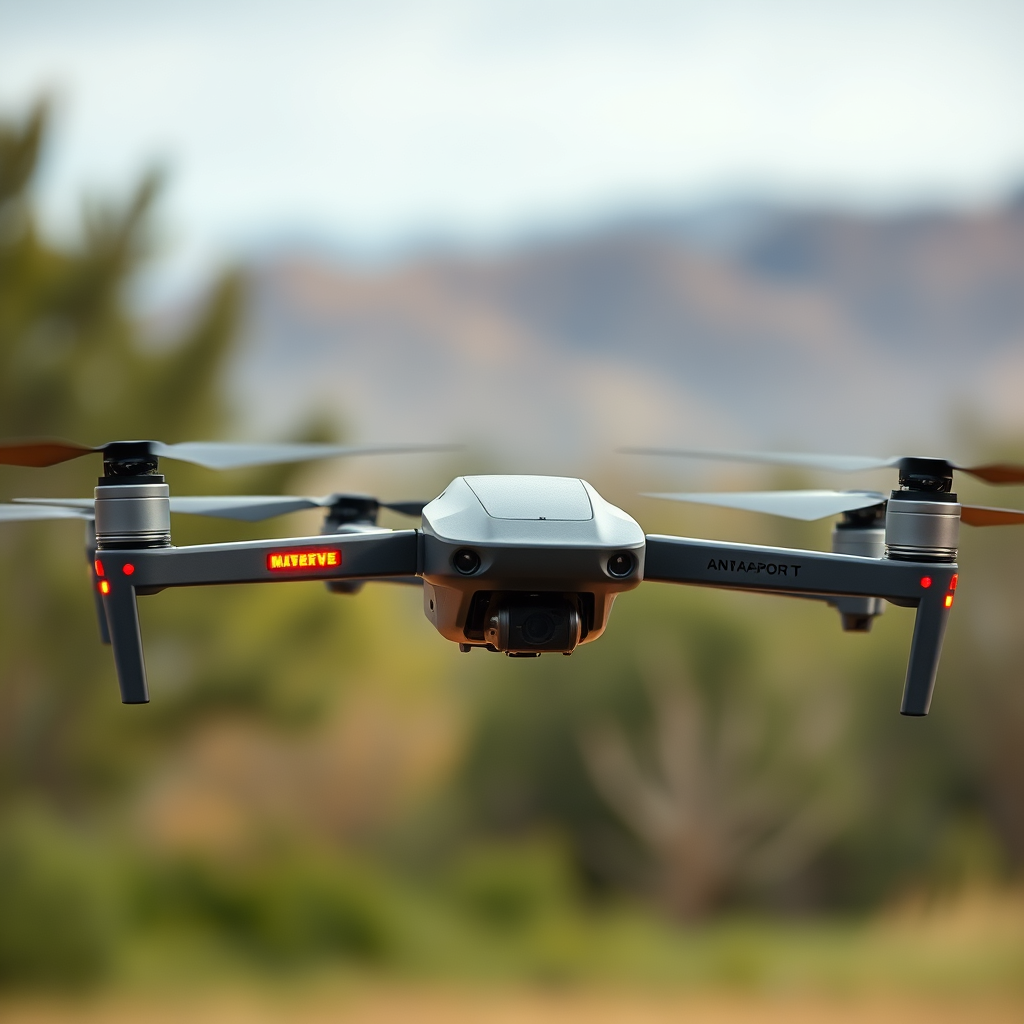
In contrast, the Anzu Raptor T focuses on compliance with the National Defense Authorization Act (NDAA) while providing reliable performance in a compact form factor. This drone is tailored for users who prioritize adherence to regulatory standards, making it an ideal choice for government and defense sectors looking for compliant solutions. The Raptor T’s design emphasizes portability, making it easy to deploy in various operational environments, from urban settings to remote locations.
The Anzu Raptor T comes equipped with essential sensors and features, although it may not match the Puma LE’s advanced capabilities. It is designed for straightforward operations, allowing users to engage in quick deployments without extensive training. Its compact design also enables it to operate in confined spaces, providing flexibility for missions that require agility and maneuverability. While the Raptor T may have limitations in range and payload options, its focus on compliance ensures it meets specific mission requirements for organizations that are bound by NDAA regulations.
Range Comparison: 20km vs. 7km
The most striking difference between the Puma LE and the Anzu Raptor T lies in their operational range. The Puma LE’s 20km radio control facilitates extensive reconnaissance missions, enabling operators to cover a wider area without the risk of losing signal. This long-range capability is particularly advantageous for military applications where situational awareness over vast territories is crucial.
On the other hand, the Raptor T’s 7km range, while adequate for many short-range tasks, limits its operational scope. This constraint may hinder its effectiveness in extensive surveillance missions where longer distances are involved. However, the Raptor T compensates with robust performance within its range, delivering reliable data and imagery that can meet specific mission objectives. Organizations must weigh the importance of range against their operational requirements, as the choice can significantly influence mission outcomes.
Endurance Capabilities
In terms of endurance, the Puma LE again takes the lead with longer flight times that enhance mission longevity. Capable of staying airborne for several hours, the Puma LE ensures that operators can conduct lengthy reconnaissance missions without the constant need for battery replacements or recharges. This extended endurance is vital for scenarios where continuous surveillance is necessary, such as monitoring borders or tracking enemy movements.
Conversely, the Anzu Raptor T offers moderate endurance, which may suffice for shorter tasks but can be limiting for prolonged operations. Its flight time is designed to accommodate quick missions, making it suitable for tactical scenarios that require rapid deployment and immediate results. Users must assess their mission profiles carefully to determine whether the Raptor T’s endurance will meet their operational needs, especially in situations where time-sensitive intelligence is critical.
Usability and Deployment Flexibility
When it comes to usability, the Puma LE is designed for ease of operation with a quick setup process, making it ideal for dynamic fields of operation. Its user-friendly interface allows operators to manage complex flight paths and data collection with minimal training. The drone’s adaptability to various mission profiles ensures that it can be deployed effectively in diverse environments, from urban settings to challenging terrains.
The Anzu Raptor T, while also user-friendly, emphasizes portability and compliance over the extensive features offered by the Puma LE. Its compact design allows for easy transportation and rapid deployment, making it an attractive option for organizations that require a straightforward solution for immediate operational needs. The focus on compliance and ease of use makes the Raptor T a suitable choice for users who prioritize regulatory adherence without sacrificing performance in their specific operational contexts.
Additional Features and Technology
In terms of technological advancements, the Puma LE stands out with its range of advanced payload options and superior imaging technology. The drone can be equipped with high-resolution cameras, multi-spectral sensors, and even communication relays, enhancing its capability to gather vital intelligence. This versatility enables the Puma LE to adapt to various missions, whether for reconnaissance or disaster response, providing extensive operational capabilities.
The Anzu Raptor T, while not as feature-rich, includes secure communication protocols that align with NDAA requirements, ensuring that sensitive data remains protected during transmission. Its design incorporates essential sensors for effective data collection, although it may lack the advanced imaging options found in the Puma LE. The focus on compliance and secure communication makes the Raptor T a viable option for missions requiring stringent adherence to regulations and security standards.
Cost and Value Analysis
When evaluating the cost of both models, it is essential to consider the features that justify their price points. The AeroVironment Puma LE typically commands a higher price due to its advanced capabilities, extended range, and versatility. For military and commercial users who require robust performance over long distances, the investment in the Puma LE is often justified by the enhanced operational effectiveness it provides.
Conversely, the Anzu Raptor T is positioned at a lower price point, appealing to organizations that may have budget constraints but still require a reliable and compliant drone solution. Users may find that the Raptor T offers sufficient value for short-range missions, particularly in environments where regulatory compliance is a priority. A thorough cost-benefit analysis based on operational needs, usage frequency, and mission objectives can help organizations determine which model delivers the best return on investment.
The comparison between the AeroVironment Puma LE and Anzu Raptor T highlights significant differences in range and operational capabilities. While the Puma LE provides superior range and endurance, the Anzu Raptor T offers a compliant solution for specific missions. Ultimately, assessing your operational needs, budget considerations, and mission requirements will guide you in determining the best fit for your drone requirements. Consider reaching out for a demo or further information to make an informed decision tailored to your unique operational context.
Frequently Asked Questions
What are the main differences between the AeroVironment Puma LE and the Anzu Raptor T in terms of operational range?
The AeroVironment Puma LE boasts an impressive operational range of up to 20 kilometers, making it suitable for expansive reconnaissance missions. In contrast, the Anzu Raptor T is designed for shorter missions, with a range of around 7 kilometers. This significant difference in range can impact mission planning and execution, especially in scenarios requiring extensive coverage or real-time data collection over large areas.
How do the endurance capabilities of the Puma LE compare to the Anzu Raptor T?
The AeroVironment Puma LE is known for its long-endurance capabilities, typically flying for up to 6 hours on a single charge. This extended flight time allows for prolonged surveillance and intelligence gathering without the need for frequent landings. On the other hand, the Anzu Raptor T, while also designed for endurance, generally has a shorter flight duration which might limit its operational flexibility in extended missions.
Why should military and defense organizations consider the NDAA compliance of drones like the Puma LE and Anzu Raptor T?
NDAA compliance is crucial for military and defense organizations as it ensures that the technology used aligns with U.S. government regulations concerning national security and the sourcing of materials. Both the AeroVironment Puma LE and Anzu Raptor T are designed with NDAA compliance in mind, which helps agencies avoid potential legal and operational issues while ensuring that they utilize vetted technology that meets stringent security standards.
Which drone is better suited for real-time intelligence gathering, the Puma LE or the Anzu Raptor T?
The AeroVironment Puma LE is typically better suited for real-time intelligence gathering due to its longer range and endurance capabilities. With its ability to operate effectively over a greater distance and for extended periods, it can cover larger areas and provide continuous surveillance. The Anzu Raptor T, while still capable, may be more limited in scope, making it less optimal for missions requiring extensive real-time data collection.
What factors should be considered when choosing between the Puma LE and Anzu Raptor T for specific operational needs?
When choosing between the AeroVironment Puma LE and the Anzu Raptor T, factors such as operational range, endurance, mission type, and compliance with NDAA regulations should be carefully considered. Additionally, the specific environmental conditions and the nature of the reconnaissance required will influence the decision. Evaluating these factors ensures that the chosen drone aligns with the mission objectives and operational efficiency.
References
- https://en.wikipedia.org/wiki/AeroVironment_Puma
- https://www.reuters.com/business/aerovironment-reports-strong-quarterly-results-reiterates-2022-forecast-2021-12-07/
- https://www.globalsecurity.org/military/systems/aircraft/aerovironment-puma.htm
- https://www.ausa.org/articles/us-army-pursues-long-endurance-unmanned-aerial-systems
- https://www.defense.gov/Explore/News/Article/Article/2498945/defense-department-releases-2022-unmanned-systems-roadmap/
- Wildland Fire: Federal Agencies’ Efforts to Reduce Wildland Fuels and Lower Risk to Communities a…
- DARPA, NGA Transition Novel Optics Technology to Fieldable Prototypes
- https://www.sciencedirect.com/topics/engineering/unmanned-aerial-vehicles
- https://www.nytimes.com/2021/11/18/us/pentagon-drone-technology.html
- https://www.nationaldefensemagazine.org/articles/2021/4/29/air-force-wants-to-scale-up-its-drone-fleet
