
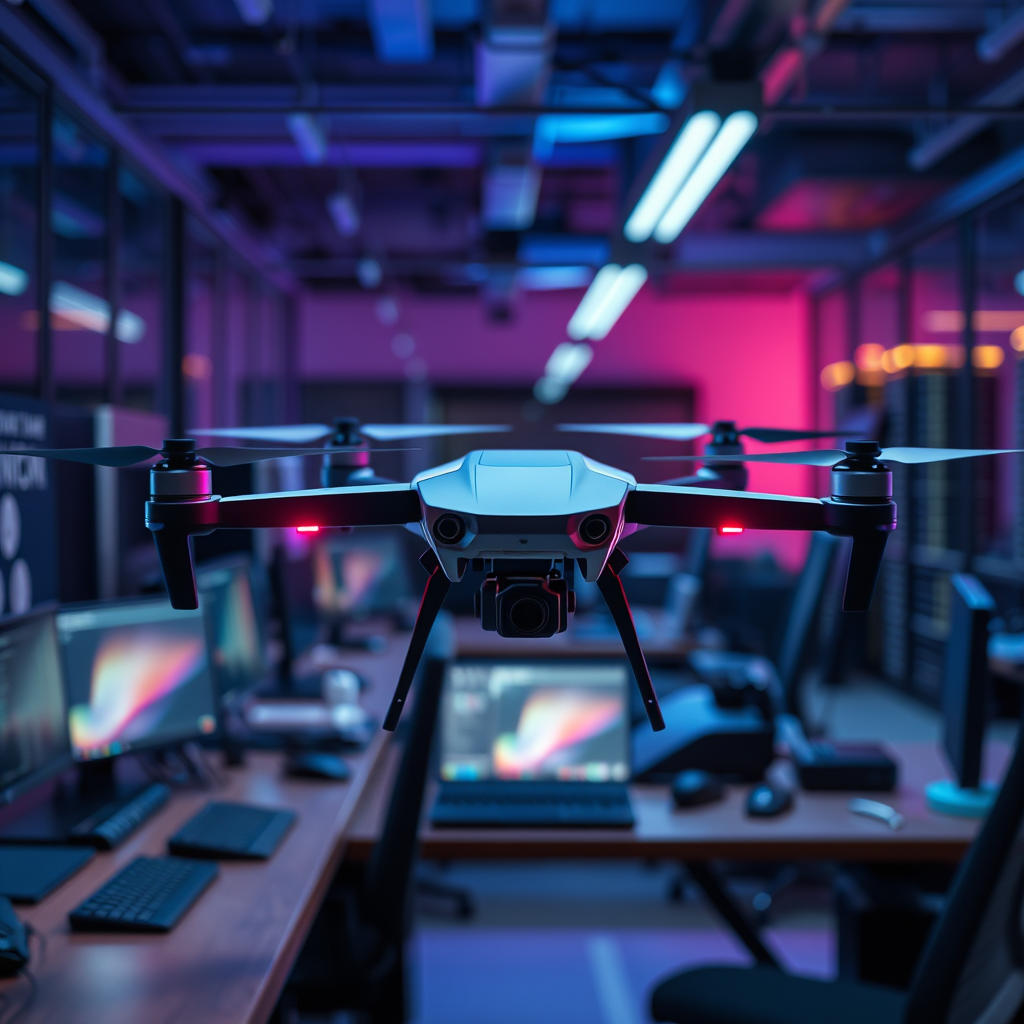
The AeroVironment Puma LE and HoverAir X1 cater to distinct operational needs through their respective long-endurance flight capabilities and communication ranges. While the Puma LE excels in military and surveillance applications with its impressive 20km radio range, the HoverAir X1 serves civilian markets with its user-friendly design and a 500m Wi-Fi range for real-time streaming. This article will delve deeper into the capabilities, endurance, potential applications, and cost considerations of these two drones, enabling you to make an informed decision based on your specific requirements.
Overview of the AeroVironment Puma LE
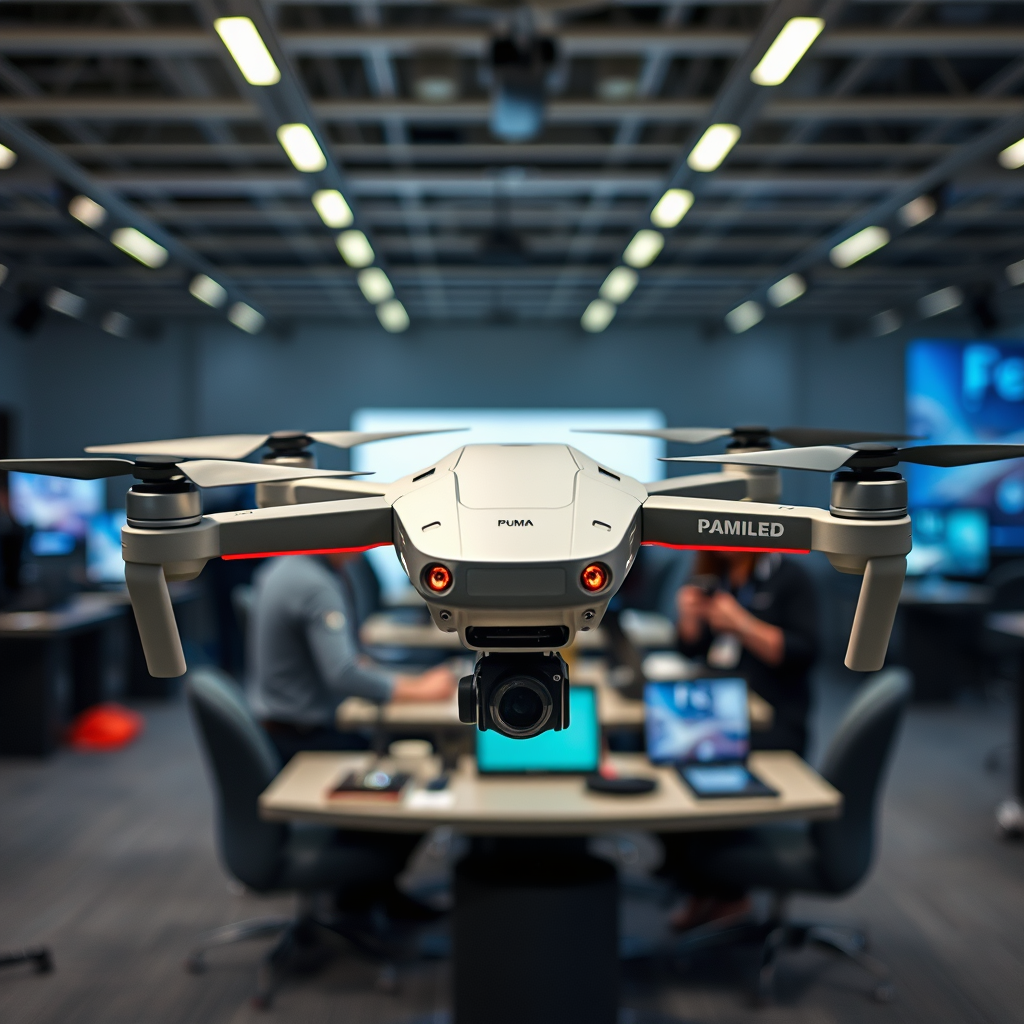
The AeroVironment Puma LE is engineered primarily for military and high-stakes surveillance applications. With a remarkable communication range of 20 kilometers, it provides operators the ability to conduct drone missions in remote areas without fear of losing signal integrity. The aircraft features advanced stabilization technology and efficient flight systems that make it suitable for extended missions, often lasting several hours. Its rugged design is built to withstand harsh environmental conditions, which is critical for military operations where reliability is paramount. The Puma LE can carry various payloads such as high-resolution cameras and sensors, enabling it to gather vital intelligence and data during its missions.
Overview of the HoverAir X1
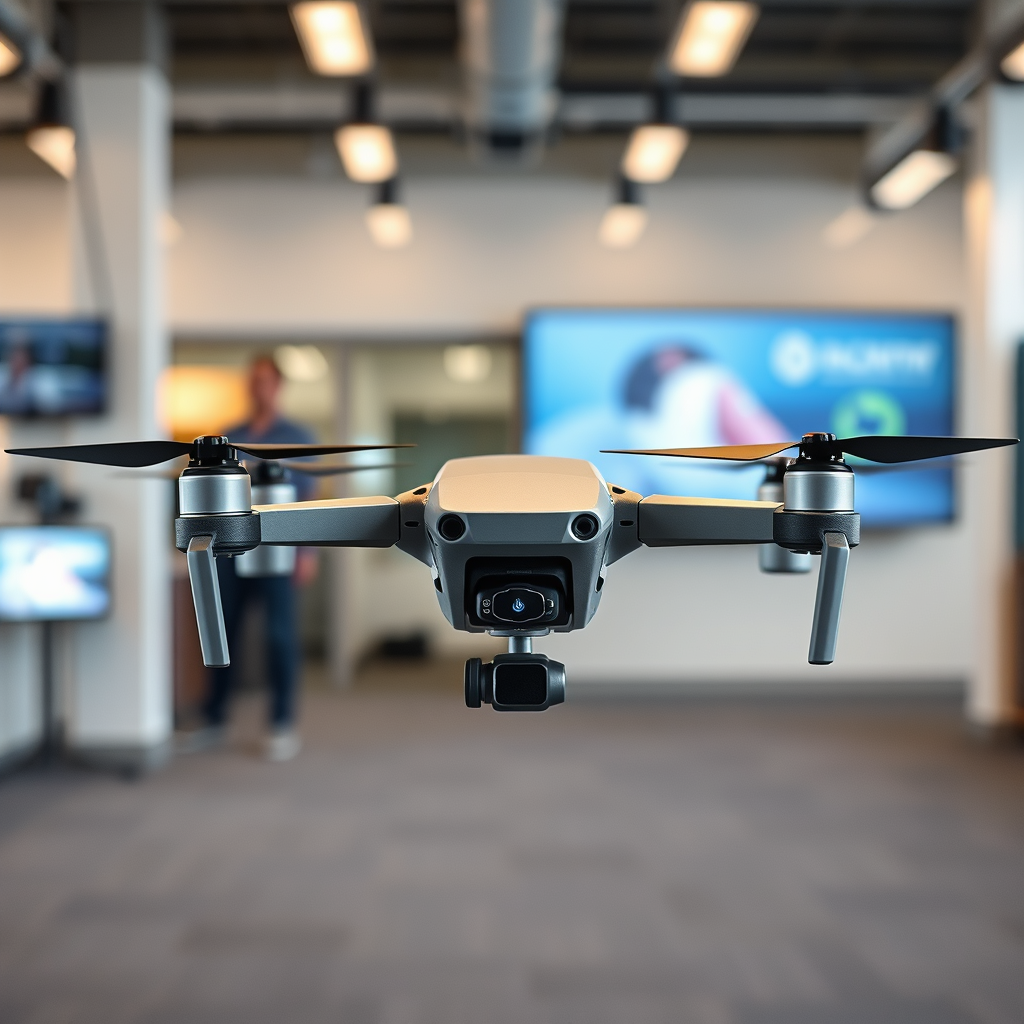
In contrast, the HoverAir X1 is tailored for civilian applications, boasting a 500m Wi-Fi range that allows for real-time video streaming and operational simplicity. Its lightweight design and compact form factor make it an appealing option for recreational users and small businesses. The HoverAir X1 is exceptionally easy to operate, making it accessible to hobbyists and those new to drone technology. It is equipped with features that cater to photography, inspection tasks, and educational purposes, allowing users to capture high-quality images and videos from a bird’s-eye view. The user-friendly interface and straightforward controls ensure that operators can focus on their tasks without being bogged down by technical complexities.
Communication Range Comparison
When comparing the communication ranges, the differences between the Puma LE and HoverAir X1 are stark. The Puma LE’s 20km radio range is a significant advantage, particularly for military and surveillance operations in challenging terrains. This long-range capability allows operators to maintain control over the drone while it travels far beyond the visual line of sight, making it ideal for reconnaissance missions or search and rescue operations in remote areas.
On the other hand, the HoverAir X1’s 500m Wi-Fi range restricts its operational scope significantly. This limitation confines the drone’s use to close proximity, making it more suitable for short-range video capture and local inspections. While the Wi-Fi connectivity facilitates real-time streaming, it also means that users must remain within a relatively close distance to maintain a stable connection. This makes the X1 a fantastic choice for applications like event photography or small-scale inspections but less effective for broader surveillance or reconnaissance scenarios.
Endurance and Flight Time Analysis
The endurance and flight time of these drones further highlight their differing target markets. The Puma LE stands out with an impressive maximum flight time of up to 15 hours on a single charge. This extended endurance is crucial for operations that require prolonged aerial surveillance without the need for frequent recharging or battery swaps. Such capabilities are particularly valuable in military reconnaissance, where time is often of the essence.
Conversely, the HoverAir X1 typically has a flight duration of around 30 minutes, reflecting its design for shorter, recreational use. While this flight time may suffice for personal photography or local inspections, it poses limitations for more extensive operations that require sustained aerial presence. Users should plan accordingly, ensuring that their tasks can be completed within the available flight window or that they have multiple drones available for extended projects.
Use Cases for Each Drone
The use cases for the AeroVironment Puma LE are diverse and aligned with its advanced capabilities. It is particularly suited for military reconnaissance, where real-time data collection is paramount. The drone’s ability to carry various payloads, including thermal imaging cameras and high-definition video equipment, allows for comprehensive situational awareness. Additionally, it plays a critical role in search and rescue missions, providing vital aerial support that can lead to faster and more efficient operations. Environmental monitoring is another significant application, as the Puma LE can survey vast areas for wildlife tracking or habitat assessments.
In contrast, the HoverAir X1 excels in civilian sectors, making it a versatile tool for photography and videography. Its ease of use makes it ideal for hobbyists and professionals alike who need to capture aerial footage for events, real estate, or marketing purposes. Furthermore, the drone is suitable for inspection tasks, such as roof or infrastructure checks, where a lightweight and portable solution is advantageous. Educational institutions may also utilize the HoverAir X1 for teaching purposes, allowing students to engage with drone technology in a hands-on environment.
Cost Considerations
When it comes to cost, the AeroVironment Puma LE represents a significant investment, reflecting its advanced capabilities, military-grade technology, and extensive features. Organizations considering the Puma LE should be prepared for a higher price point that corresponds to its performance and reliability in demanding applications. This investment is justified for military and professional users who depend on the drone’s capabilities to fulfill critical missions.
Conversely, the HoverAir X1 is a more budget-friendly option, making it accessible for hobbyists, small businesses, and educational institutions. Its lower price point allows users to engage with drone technology without the financial burden associated with high-end models. This affordability makes the HoverAir X1 an attractive choice for those looking to explore drone applications without a significant upfront investment.
Final Thoughts on Choosing the Right Drone
When deciding between the AeroVironment Puma LE and the HoverAir X1, it’s essential to consider your specific needs regarding range, endurance, and intended applications. The Puma LE is undoubtedly the superior choice for long-range missions requiring advanced technology and a robust communication system. However, if your focus is on user-friendly operation, short-range applications, and affordability, the HoverAir X1 presents an excellent alternative.
Ultimately, your decision should factor in budget constraints, operational environments, and the specific outcomes you aim to achieve. Both drones possess unique strengths that cater to different segments of the market, so evaluating your requirements carefully will ensure that you select the drone that aligns best with your operational goals.
In summary, the AeroVironment Puma LE excels in long-range missions with robust features suitable for professional use, while the HoverAir X1 offers a more user-friendly experience for shorter, casual flights. Evaluate your needs carefully and choose the drone that aligns best with your operational requirements.
Frequently Asked Questions
What are the key differences between the AeroVironment Puma LE and the HoverAir X1 in terms of range and technology?
The AeroVironment Puma LE boasts a notable range of up to 20 km, making it suitable for long-distance surveillance and reconnaissance missions. In contrast, the HoverAir X1 operates on a Wi-Fi connection with a much shorter range of approximately 500 meters, focusing more on capturing high-quality aerial selfies. The Puma LE is designed for military and professional applications, while the HoverAir X1 targets casual users looking for a fun and accessible drone experience.
How does the battery life of the AeroVironment Puma LE compare to that of the HoverAir X1?
The AeroVironment Puma LE features an impressive battery life, capable of flying for around 6 to 12 hours depending on the payload and environmental conditions, thereby offering long-endurance capabilities for extended missions. On the other hand, the HoverAir X1 generally has a shorter flight time, typically around 20 to 30 minutes, which may limit its usability for prolonged aerial photography sessions. This difference in battery life highlights the Puma LE’s advantage for serious applications versus the HoverAir X1’s suitability for short leisure flights.
Which drone is better for outdoor use in challenging weather conditions: the Puma LE or the HoverAir X1?
The AeroVironment Puma LE is specifically engineered for rugged outdoor use and can withstand various weather conditions, including wind and light rain, making it ideal for military and field operations. In contrast, the HoverAir X1 is built primarily for casual use and may not perform as well in adverse weather, as it is designed for stable, calm conditions. Users looking for a reliable drone in challenging environments would benefit more from the Puma LE’s durability and resilience.
Why should I choose the AeroVironment Puma LE over the HoverAir X1 for professional applications?
The AeroVironment Puma LE is tailored for professional applications, offering advanced features such as high-definition cameras, long-range capabilities, and sophisticated navigation systems, making it an excellent choice for surveillance, mapping, and military use. Its durability and extended flight times provide significant advantages over the HoverAir X1, which is more suited for recreational use and lacks the same level of professional-grade features and performance. Therefore, if you need a drone for serious work, the Puma LE is the superior option.
What are the best applications for the HoverAir X1 given its specifications?
The HoverAir X1 is best suited for applications that prioritize fun and creativity, such as capturing aerial selfies, engaging in casual drone flying, and producing social media content. Its user-friendly design and Wi-Fi connectivity make it accessible for beginners and hobbyists who want to explore drone photography without the complexities of professional equipment. Although it lacks the extensive range and endurance of the Puma LE, the HoverAir X1 excels in providing an enjoyable and easy-to-use experience for casual users.
References
- https://en.wikipedia.org/wiki/AeroVironment_Puma
- Drone
- https://www.reuters.com/technology/aerovironment-says-its-puma-3-drone-wins-us-army-contract-2021-08-05/
- https://www.nytimes.com/2021/05/18/us/puma-drone-us-military.html
- https://www.theguardian.com/us-news/2022/mar/05/us-military-drone-aerovironment-puma
- https://www.sciencedirect.com/science/article/pii/S2351978921001132
- https://www.nasa.gov/feature/nasa-s-drones-are-flying-high-with-new-technology
- https://www.wired.com/story/aerovironment-puma-3-drone/
- Reproducibility Issues in Research with Animals and Animal Models: Workshop in Brief | The Nation…
- https://www.techcrunch.com/2021/06/09/aerovironment-puma-3-and-the-future-of-military-drones/
