

When it comes to drone delivery, the Amazon MK30 and HoverAir X1 Pro Max present two compelling choices for businesses and consumers alike. The MK30’s robust 5km LTE connectivity offers extensive operational range, making it ideal for diverse delivery environments, while the HoverAir X1 Pro Max’s 500m Wi-Fi connection emphasizes speed and efficiency for local deliveries. This article will delve into the strengths and weaknesses of each drone to help you determine which is best suited for your delivery needs.
Overview of the Amazon MK30
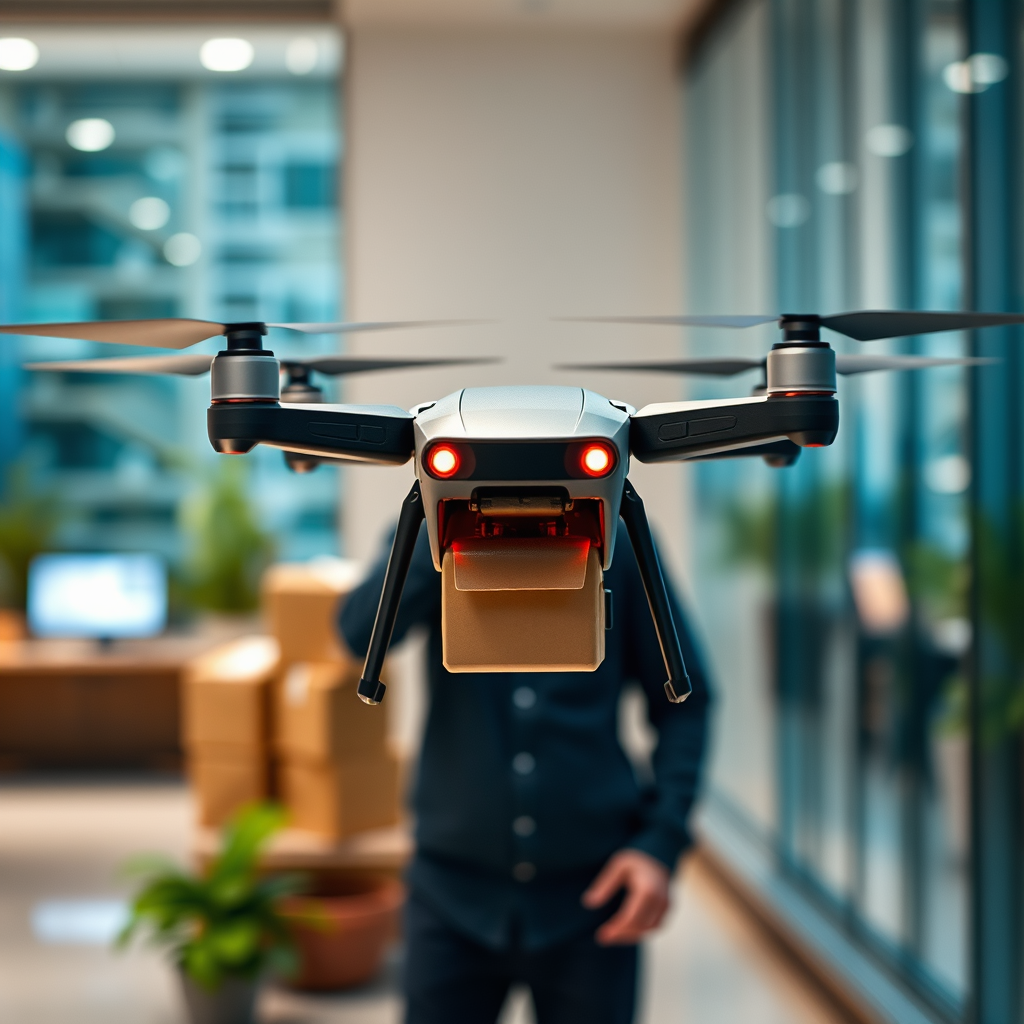
The Amazon MK30 is engineered with cutting-edge technology that allows for a remarkable 5km LTE connectivity. This feature is crucial for businesses that require reliable deliveries over extended distances, especially in both urban and rural settings. The drone’s design prioritizes reliability and efficiency, capable of navigating various terrains and environmental conditions. Its advanced GPS navigation system ensures precise delivery, while the integrated sensors help it avoid obstacles, enhancing its operational safety. Additionally, the MK30 supports a diverse range of payloads, accommodating everything from small packages to larger items, further enhancing its versatility in delivery applications.
Overview of the HoverAir X1 Pro Max
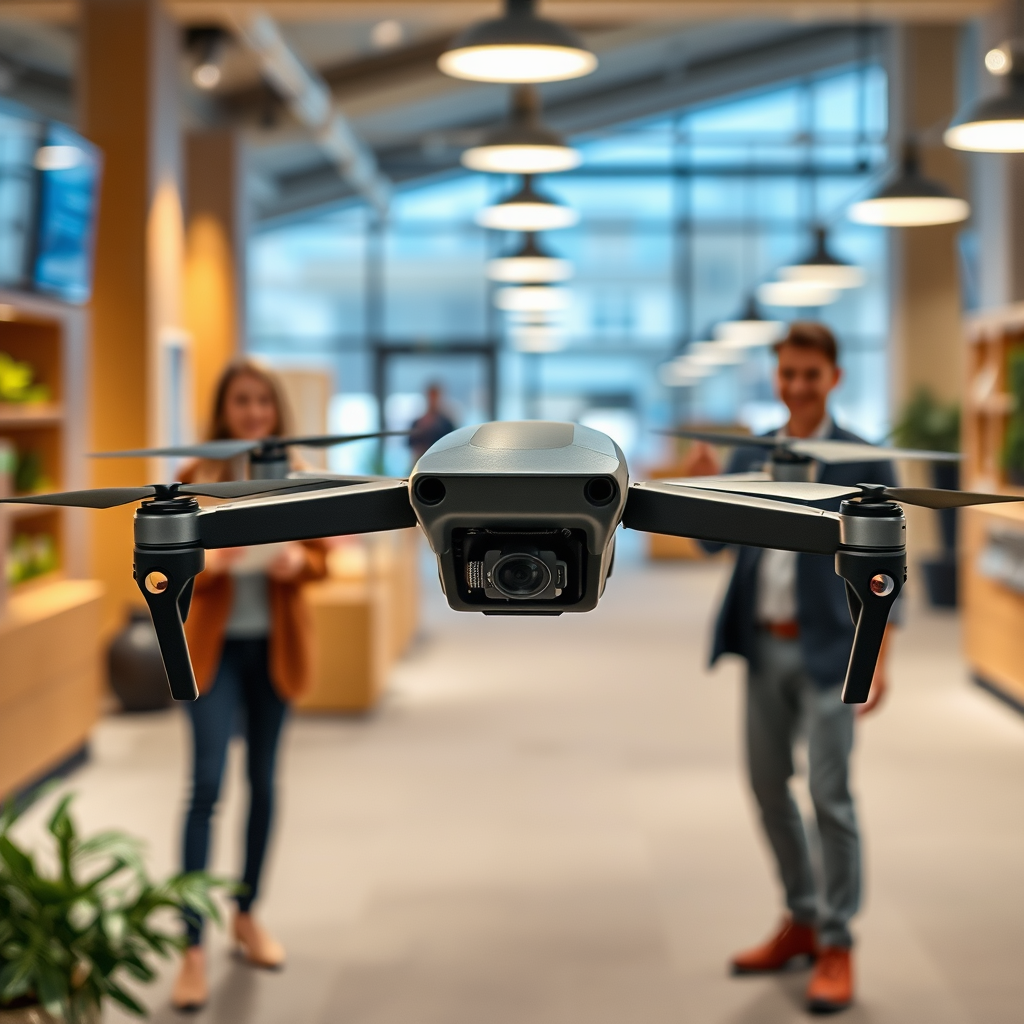
In contrast, the HoverAir X1 Pro Max focuses on localized delivery, utilizing a 500m Wi-Fi connection. This design is particularly advantageous for urban environments where speed is critical, making it a perfect choice for quick deliveries within densely populated areas. The drone boasts impressive flight speeds, allowing it to cover short distances rapidly, which is essential for businesses that prioritize fast service. Its lightweight design further contributes to its agility, enabling it to maneuver effectively through crowded spaces. While its Wi-Fi range is limited compared to the MK30, the HoverAir X1 Pro Max excels in scenarios where immediate delivery is paramount.
Performance Comparison
When assessing the performance of both drones, speed and delivery efficiency are key factors. The MK30’s LTE capabilities provide a stable connection over long distances, allowing it to maintain consistent speeds even when faced with obstacles or varying weather conditions. For instance, it can deliver packages across sprawling suburbs or rural areas without the risk of losing connectivity, ensuring timely arrivals.
On the other hand, the HoverAir X1 Pro Max shines in high-speed delivery within its 500m range. Ideal for quick-turnaround needs, it can deliver small packages in mere minutes, making it suitable for businesses like food delivery services or e-commerce platforms that cater to local customers. However, its performance may diminish in areas with heavy Wi-Fi interference, which can affect delivery times and reliability.
Connectivity and Range Analysis
The connectivity offered by the Amazon MK30 is one of its standout features. The 5km LTE connection not only enhances range but also provides a more stable and reliable communication channel between the drone and its control system. This reliability is crucial for businesses operating in remote areas or regions with limited infrastructure. LTE technology ensures that even in challenging environments, the MK30 can perform efficiently without interruptions.
Conversely, while the HoverAir X1 Pro Max’s 500m Wi-Fi connection is adequate for localized deliveries, it presents challenges in urban settings where signal interference may occur. High-rise buildings, dense populations, and various electronic devices can disrupt Wi-Fi signals, potentially leading to connectivity issues and delivery delays. Businesses operating in these environments must consider these limitations when choosing the HoverAir X1 Pro Max.
Use Cases and Target Markets
The best use cases for the Amazon MK30 revolve around industries that require extensive delivery coverage. Logistics companies, healthcare providers, and agricultural businesses can greatly benefit from its long-range capabilities. For instance, a healthcare provider could utilize the MK30 to deliver medical supplies to rural clinics that are several kilometers away from urban centers, ensuring timely access to essential items.
In contrast, the HoverAir X1 Pro Max is ideally suited for businesses focused on rapid, localized deliveries. Restaurants, grocery stores, and small e-commerce platforms can leverage its speed to fulfill customer orders quickly. For example, a local restaurant could use the HoverAir X1 Pro Max to deliver meals to nearby customers, offering a competitive edge in a fast-paced market.
Cost Considerations and Value Proposition
When considering the cost of both drones, it’s essential to evaluate both the initial investment and operational costs. The Amazon MK30, with its advanced LTE technology and extended range, typically comes at a higher price point than the HoverAir X1 Pro Max. However, businesses must assess the return on investment (ROI) based on their delivery needs. If long-range delivery is a crucial component of the business model, the MK30’s capabilities may justify the higher cost.
On the other hand, the HoverAir X1 Pro Max presents a more budget-friendly option, particularly for businesses that do not require extensive delivery ranges. Its lower operational costs and quick delivery capabilities can result in a favorable ROI for companies focusing on local markets. Businesses must carefully consider their target market and delivery requirements to determine which drone offers the best value proposition.
Customer Feedback and Industry Insights
User experiences and expert opinions provide valuable insights into the performance of both drones. Customers often praise the Amazon MK30 for its reliability and the ability to consistently deliver packages over long distances. Many logistics companies report improved efficiency and customer satisfaction when utilizing the MK30, highlighting its role in expanding delivery capabilities.
In contrast, the HoverAir X1 Pro Max receives positive feedback for its speed and agility in urban settings. Users appreciate its ease of use and the ability to quickly deliver items, making it a favorite among local businesses. However, some users have noted challenges with Wi-Fi connectivity in congested areas, emphasizing the importance of understanding the operational environment before making a purchase.
Industry trends indicate a growing demand for drone delivery services, with many businesses exploring ways to integrate these technologies into their operations. As consumer preferences shift towards fast and convenient delivery options, both the MK30 and HoverAir X1 Pro Max are poised to play significant roles in the evolving landscape of logistics and delivery services.
The comparison of the Amazon MK30 and HoverAir X1 Pro Max reveals that the choice between a 5km LTE and a 500m Wi-Fi delivery system ultimately depends on the specific needs of the user. If you require long-range delivery capabilities, the MK30 is the stronger option. However, for more localized needs, the HoverAir X1 Pro Max offers speed and efficiency. Consider your delivery requirements and make an informed decision based on the insights provided.
Frequently Asked Questions
What are the key differences between the Amazon MK30 and the HoverAir X1 Pro Max delivery drones?
The Amazon MK30 is designed for long-range delivery with a capability of up to 5 kilometers using LTE connectivity, making it suitable for urban and rural settings. In contrast, the HoverAir X1 Pro Max operates on a shorter range of 500 meters with Wi-Fi connectivity, which may limit its effectiveness in expansive delivery areas. These differences highlight the MK30’s potential for broader logistics applications compared to the more localized functionality of the HoverAir X1 Pro Max.
How do the delivery ranges of the Amazon MK30 and HoverAir X1 Pro Max impact their usability for businesses?
The Amazon MK30’s 5 km delivery range greatly enhances its usability for businesses looking to reach customers in diverse locations, particularly in areas where traditional delivery methods may be slower or less efficient. On the other hand, the HoverAir X1 Pro Max, with its 500-meter range, is best suited for short-distance deliveries, making it ideal for small businesses or urban environments with high-density deliveries. This range distinction is crucial for businesses to consider based on their target market and operational logistics.
Why is LTE connectivity a significant feature for the Amazon MK30 compared to the Wi-Fi connectivity of the HoverAir X1 Pro Max?
LTE connectivity in the Amazon MK30 allows for reliable communication and real-time data transfer over long distances without the need for a localized network, which is especially beneficial in rural or remote areas. This feature ensures that the drone can maintain its operational efficiency and safety during deliveries. In contrast, the HoverAir X1 Pro Max’s reliance on Wi-Fi connectivity can lead to limitations in performance, especially in areas with poor Wi-Fi coverage or interference, affecting its delivery reliability.
Which delivery drone is better for e-commerce businesses: the Amazon MK30 or the HoverAir X1 Pro Max?
For e-commerce businesses, the Amazon MK30 is generally the better option due to its long-range capabilities and LTE connectivity, allowing for efficient delivery to a wider customer base. This drone can handle logistics challenges more effectively, particularly for businesses dealing with larger volumes of orders across various locations. The HoverAir X1 Pro Max, while useful for short-distance deliveries, may not meet the scaling requirements of most e-commerce operations.
What factors should I consider when choosing between the Amazon MK30 and the HoverAir X1 Pro Max for my delivery needs?
When selecting between the Amazon MK30 and the HoverAir X1 Pro Max, consider your delivery range, the type of connectivity available in your area, and the scale of your business operations. Additionally, assess the payload capacity of each drone, their operational costs, and the type of terrain you will be navigating. Understanding these factors will help you determine which drone aligns best with your specific delivery requirements and logistical goals.
References
- Delivery drone
- https://www.bbc.com/news/technology-51402528
- https://www.theguardian.com/technology/2021/jun/08/amazon-drone-delivery
- https://www.nytimes.com/2021/10/03/technology/amazon-drone-delivery.html
- https://www.sciencedirect.com/science/article/pii/S2212017321000038
- https://www.nasa.gov/mission_pages/innovation/news/2022/drone-delivery.html
- https://www.reuters.com/technology/amazon-drone-delivery-what-you-need-know-2021-12-14/
- https://www.wired.com/story/future-drone-delivery-airspace/
