

When it comes to DJI drone calibration boards, the short answer is yes, they are generally interchangeable among various models. However, there are specific nuances to consider, such as compatibility, functionality, and the intended use of each board. Understanding these factors is essential for ensuring optimal performance and accuracy when calibrating your drone’s camera and gimbal systems. In this article, we’ll delve into the details to help you understand the interchangeability of DJI drone calibration boards.
Understanding DJI Drone Calibration Boards
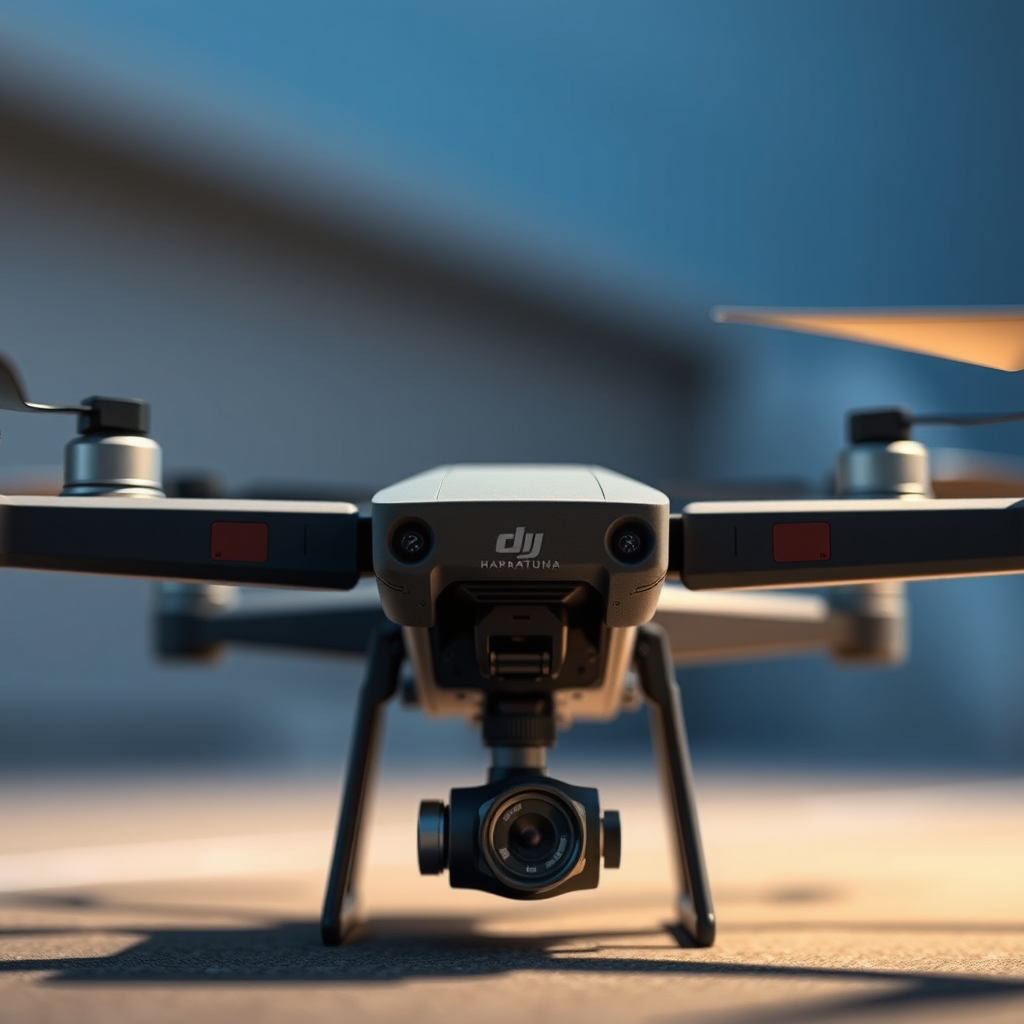
DJI calibration boards are specialized tools designed to facilitate precise calibration of camera and gimbal systems on DJI drones. These boards typically feature a unique design that incorporates various markers and patterns, which are essential for aligning the camera and stabilizing the gimbal. Calibration is crucial for ensuring that the drone captures high-quality images and video, as well as for maintaining stable flight performance. Each board is engineered with specific dimensions and features tailored to different drone models, reflecting the unique requirements of each system. For instance, the calibration board for the DJI Mavic series may differ in size or design from that used for the Phantom series, which can affect the calibration process.
Compatibility Across Different Models
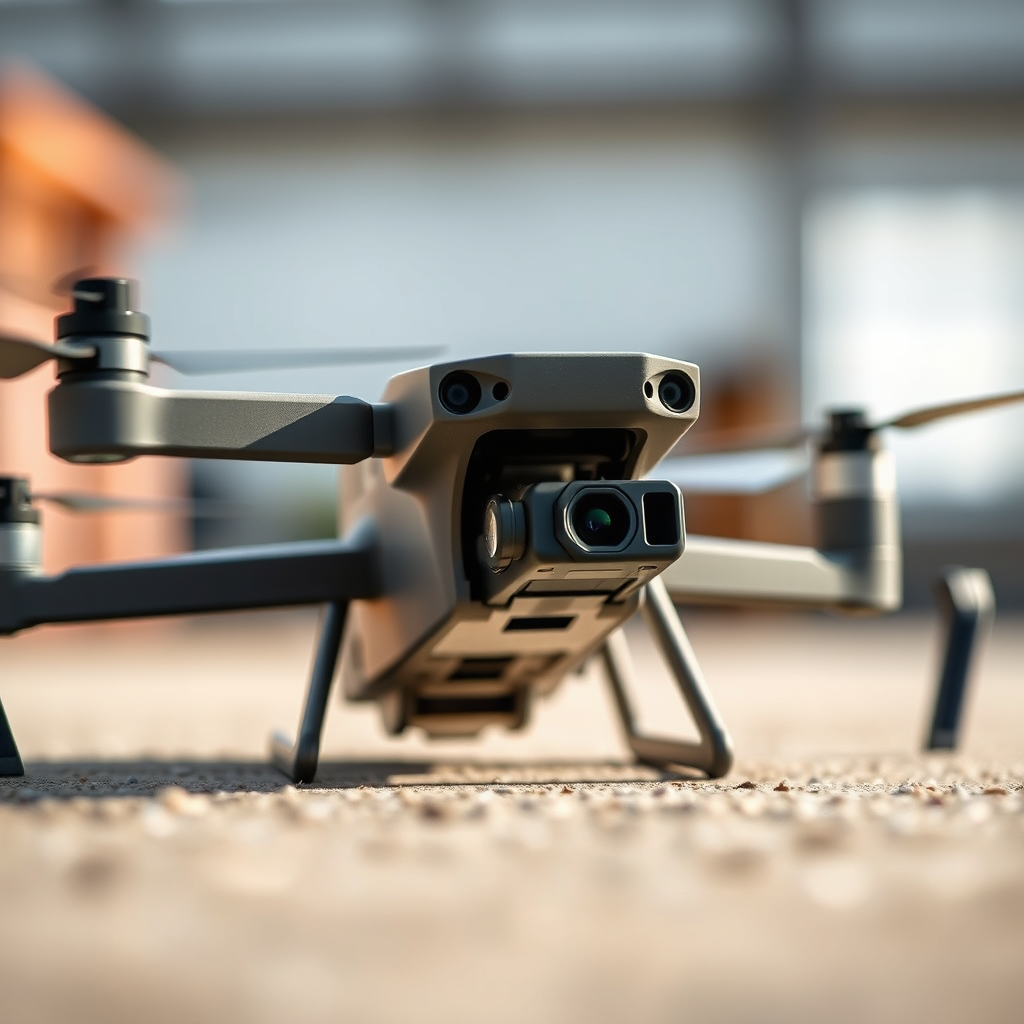
Many DJI drones share similar calibration requirements, allowing for some calibration boards to be used across different models. However, users should exercise caution and thoroughly check the specifications of both their drone and the calibration board to ensure compatibility. For example, while a calibration board designed for the DJI Phantom 4 may work with the Phantom 4 Pro, it may not be suitable for the Mavic Air due to differences in camera positioning and gimbal mechanics. Consulting the DJI website or user manuals can provide clarity on which boards are compatible with your specific drone model. Additionally, forums and user communities can offer insights based on real-world experiences, helping you make an informed choice.
Performance Considerations
While many DJI calibration boards are interchangeable, using a board not specifically designed for your drone model may lead to less accurate calibrations. This can result in suboptimal performance metrics, such as instability during flight or degraded image quality. For instance, if a calibration board designed for a larger drone is used on a smaller model, the scaling of the calibration parameters may not translate correctly, leading to misalignment issues. Furthermore, users may experience problems such as horizon tilt in their captured footage or inconsistent gimbal responsiveness. Therefore, while it may be tempting to use an available board, adhering to model-specific calibration tools is advisable for the best results.
Practical Applications of Calibration Boards
Calibration boards serve several practical applications that can significantly enhance a drone’s performance. One of the primary uses is ensuring accurate camera positioning, which is vital for capturing footage that meets professional standards. For example, in aerial photography and videography, precise camera alignment can determine the quality of the final product, especially in demanding environments like weddings or commercial shoots. Furthermore, calibration boards assist in gimbal alignment, which is crucial for maintaining stability during flight and eliminating unwanted vibrations. Understanding how to properly use these boards not only improves the quality of the drone’s output but also extends the life of the equipment by reducing wear and tear on the gimbal and camera systems.
Tips for Choosing the Right Calibration Board
When selecting a calibration board for your DJI drone, several key factors should be considered to ensure optimal calibration results. First, look for boards that are officially recommended by DJI for your specific drone model. This guarantees compatibility and effectiveness. Additionally, consider the size and material of the board. Lightweight materials may be easier to handle and transport, while sturdier designs may provide better stability during use. The design of the board itself is also important; it should feature easily recognizable markers that facilitate quick alignment. Be sure to read reviews and user feedback to gauge the effectiveness of the calibration board in real-world scenarios. This due diligence can save you time and frustration in the long run.
Common Misconceptions about Interchangeability
A prevalent misconception among drone users is that all DJI calibration boards are the same, leading to the assumption that any board can be used interchangeably without consequences. In reality, variations in design, size, and functionality exist that can significantly impact performance. For example, a calibration board designed for a drone with a wider camera may not yield accurate results when used on a drone with a narrower camera setup. Additionally, the calibration process may require different parameters based on the drone model, making it essential to understand the specific features and functionalities of the board you plan to use. Educating yourself about these differences can help prevent calibration errors and enhance the overall performance of your drone.
Maintenance and Care for Calibration Boards
Proper maintenance and care of your calibration board can prolong its lifespan and maintain its accuracy. Regularly inspect the board for any signs of wear and tear, such as scratches or damage to the markers, which can affect calibration precision. Cleaning the board after use, especially if it has been exposed to dirt or moisture, is crucial for maintaining its effectiveness. Store it in a safe, dry place when not in use, preferably in a protective case, to prevent physical damage. Adhering to these maintenance practices not only ensures the longevity of the calibration board but also guarantees that it delivers accurate results whenever you need it.
In summary, DJI drone calibration boards can be interchangeable, but it’s crucial to understand the implications of using a board designed for a different model. By considering compatibility, performance, and practical applications, you can make informed decisions about your calibration needs. Properly maintaining your calibration board and selecting the right one for your drone model can ultimately enhance your drone’s performance and extend the life of your equipment. Explore your options, and ensure your drone is always flight-ready by choosing the right calibration solutions!
Frequently Asked Questions
Are DJI drone calibration boards interchangeable with other brands?
DJI drone calibration boards are specifically designed to work with DJI drones and their accompanying software. While some generic calibration boards may be compatible, using non-DJI calibration boards can lead to inaccurate measurements and calibration errors. It’s best to use DJI-specific boards to ensure optimal performance and precision in your drone’s calibration process.
How do I know if my DJI drone calibration board needs to be replaced?
You may need to replace your DJI drone calibration board if you notice inconsistencies in your drone’s flight performance, such as drifting or instability during flight. Additionally, physical signs like warping, scratches, or damage can affect calibration accuracy. Regularly inspect your board and ensure it is clean and free of obstructions for the best results.
What is the best way to calibrate my DJI drone using a calibration board?
To calibrate your DJI drone using a calibration board, first, ensure the board is placed on a stable, flat surface away from any obstructions. Follow the calibration instructions in your drone’s user manual, which typically involves positioning the drone above the board and performing a series of rotations to capture the required data. Always check for firmware updates to ensure the calibration process is up-to-date.
Why is it important to use a calibration board for my DJI drone?
Using a calibration board for your DJI drone is crucial because it helps correct the drone’s sensor alignment and enhances overall flight stability. Proper calibration ensures that the drone can accurately determine its orientation and position, which is vital for tasks such as GPS tracking, autonomous flight, and high-precision photography. Neglecting calibration could lead to erratic flight behavior and potential accidents.
Which DJI drones require the use of a calibration board for optimal performance?
Most DJI drones, especially those designed for professional use like the DJI Phantom, Mavic, and Inspire series, benefit from using a calibration board for optimal performance. While consumer models may not require frequent calibration, using a board can still enhance stability and accuracy in flight. Always refer to your specific drone’s manual to understand its calibration requirements and the recommended accessories.
References
- https://en.wikipedia.org/wiki/Drone_calibration
- https://www.reuters.com/technology/dji-drone-calibration-techniques-2023-05-15/
- https://www.sciencedirect.com/science/article/pii/S2351978921000693
- https://www.nasa.gov/feature/nasa-s-simulation-and-test-evaluating-drone-calibration
- NSW government promises to build 500 new preschools in four years if re-elected – ABC News
- https://www.techsoup.org/support/articles-and-how-tos/what-is-drone-calibration
- https://www.cnbc.com/2023/04/15/how-to-calibrate-your-drone-for-best-performance.html
- https://www.usgs.gov/mission-areas/land-resources/science/using-drones-calibration-and-validation-data
- https://www.iaru.org/static/2021-10-05-drone-calibration-study.pdf
