

DJI drones are indeed manufactured in China, as the company is headquartered in Shenzhen, Guangdong province. This strategic location is not merely a coincidence; it stems from a combination of historical, economic, and logistical factors that have positioned DJI as a leader in the drone industry. In this article, we will delve into the reasons behind DJI’s production location, the implications for quality and innovation, and what this means for consumers around the world.
The History of DJI and Its Manufacturing Roots
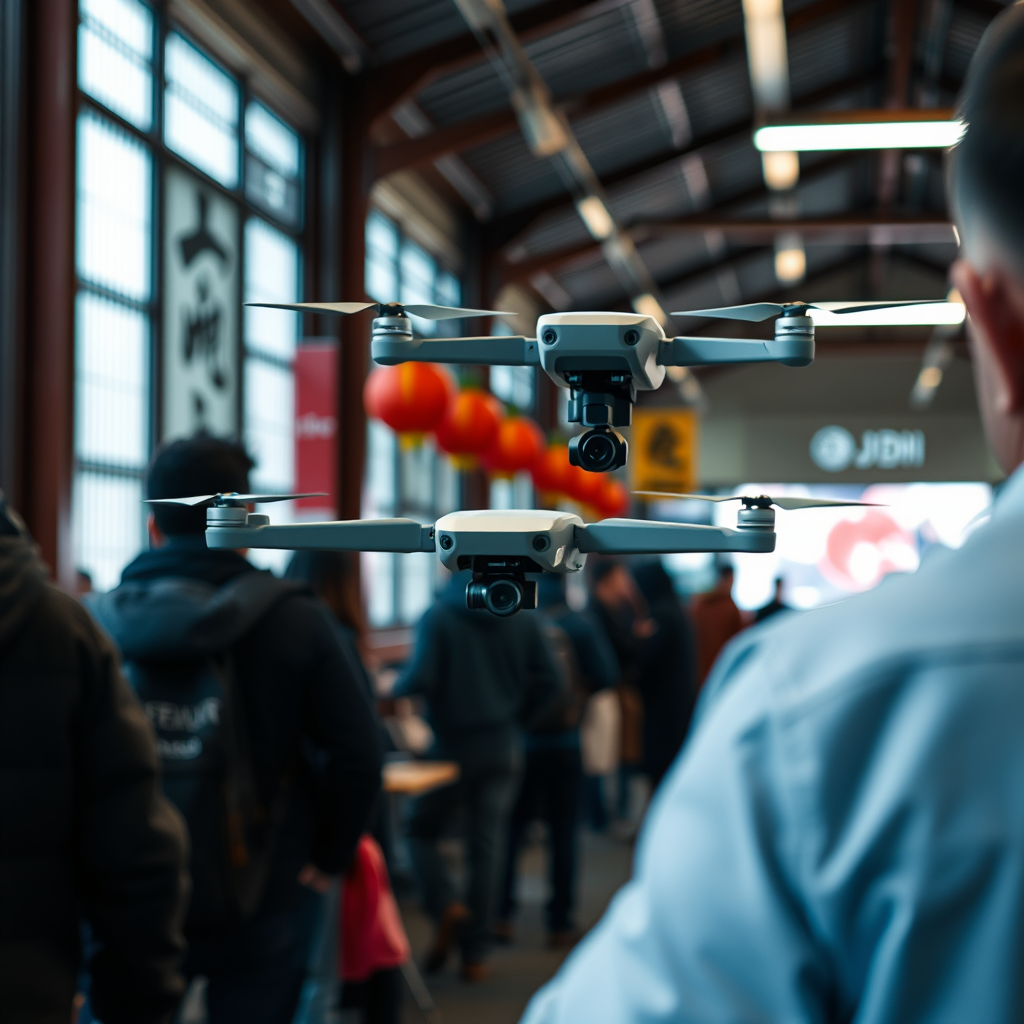
DJI was founded in 2006 in Shenzhen, a major tech hub in China renowned for its rapid technological advancements and electronic manufacturing prowess. The company began as a small startup focusing on remote control technology and quickly pivoted to drone technology as consumer interest surged. The proximity to Shenzhen’s robust ecosystem of electronics manufacturers allowed DJI to leverage established supply chains and technical expertise, which were pivotal in the development of its innovative drone products.
From the outset, DJI embraced a culture of innovation, aided by the city’s emphasis on technology and manufacturing. As China transitioned into a global manufacturing powerhouse, DJI capitalized on this growth. By investing in research and development within this environment, DJI not only advanced their product offerings, such as the Phantom and Mavic series, but also set new industry standards for drone technology.
Reasons for Manufacturing in China
Moreover, the Chinese government has actively supported the technology sector through policies and investments, creating an environment conducive to research and development. This support has enabled DJI to push the envelope in drone technology, further solidifying its market position.
Quality Control Measures
Quality control is paramount for DJI, especially given the competitive landscape of the drone market. The company has implemented stringent quality assurance processes in its Chinese factories to ensure that every product meets high standards. This includes rigorous testing protocols at different stages of production, from component sourcing to final assembly.
DJI’s commitment to quality is evident in its customer feedback and product reviews, where users frequently praise the reliability and performance of its drones. The company’s reputation for excellence is a critical asset, as it competes against both established brands and newer entrants in the global market. By prioritizing quality control, DJI not only enhances its product offerings but also builds trust with consumers who rely on their drones for various applications, from aerial photography to surveying.
Impact on Global Market
DJI’s Chinese manufacturing operation has had a profound impact on the global drone market. By maintaining cost-effective production, DJI is able to offer high-quality drones at competitive prices, thereby making advanced drone technology accessible to a broader audience. This democratization of drone technology has led to increased interest and adoption across various sectors, including agriculture, real estate, and recreational use.
Furthermore, DJI’s presence in the market has spurred innovation from competitors. As other companies strive to match DJI’s offerings, there has been a noticeable uptick in research and development efforts across the industry. This competitive pressure has resulted in more advanced features, improved safety protocols, and innovative applications of drone technology.
In essence, DJI’s manufacturing strategy not only benefits the company itself but also elevates the entire industry, fostering an environment of continuous innovation and improvement.
Regulatory and Trade Considerations
The geopolitical landscape surrounding China can significantly impact DJI’s manufacturing and operational strategies. Trade policies, tariffs, and regulatory frameworks in various countries can affect the importation of DJI products, leading to potential price increases or supply chain disruptions. For instance, heightened tensions between the United States and China have resulted in scrutiny of Chinese technology companies, which could influence consumer perceptions and purchasing decisions.
Consumers should also be aware of the regulatory challenges associated with drone usage, especially with foreign-manufactured products. Many countries have specific laws governing drone operation, including registration requirements and restrictions on where drones can be flown. Understanding these regulations is crucial for consumers to ensure compliance and to avoid potential fines or penalties.
Future of DJI and Manufacturing Trends
As technology continues to evolve, DJI may explore diversifying its manufacturing locations beyond China. Factors such as rising labor costs, supply chain disruptions, and the desire for geopolitical stability could motivate the company to establish production facilities in other countries. Additionally, as automation and robotics advance, these technologies could play a significant role in shaping the future of drone manufacturing, potentially allowing for more efficient and flexible production methodologies.
Moreover, increasing consumer demand for localized production may drive DJI to consider establishing assembly operations closer to key markets, enhancing responsiveness to regional preferences and regulatory requirements.
The ongoing evolution of manufacturing practices, coupled with DJI’s commitment to innovation, positions the company to adapt and thrive in a dynamic market landscape.
The insights provided reveal that while DJI drones are manufactured in China, the implications of this production model are far-reaching. As a leader in the drone industry, DJI’s location not only impacts its business strategy but also the global market dynamics. Understanding the reasons behind DJI’s manufacturing choices, alongside the regulatory environment and future trends, equips consumers with the knowledge needed to make informed decisions. Whether you’re a hobbyist or a professional, recognizing the factors that contribute to the quality and availability of DJI products enhances your overall experience in the world of drones.
Frequently Asked Questions
Are DJI drones made in China?
Yes, DJI drones are primarily manufactured in China. The company, founded in 2006, has its headquarters in Shenzhen, which is a major tech hub. Most of their production takes place in China, where they have established a robust supply chain and manufacturing processes that allow them to produce high-quality drones at scale.
What are the implications of buying a DJI drone made in China?
Purchasing a DJI drone made in China can raise concerns regarding product quality, data security, and geopolitical issues. However, DJI has implemented strict quality control standards and has gained a reputation for innovation in the drone industry. Buyers should also consider that many global brands source components from China, so this is not unique to DJI.
How does DJI ensure the quality of its drones manufactured in China?
DJI employs rigorous quality assurance practices throughout the production process. This includes extensive testing, compliance with international safety standards, and a commitment to continuous improvement. The company also invests significantly in research and development to enhance both product performance and reliability.
Why do some people prefer drones made outside of China over DJI?
Some consumers prefer drones made outside of China due to concerns about data privacy, potential government surveillance, and reliance on foreign manufacturing. There are also preferences for supporting local economies or brands perceived to have stricter regulations regarding manufacturing practices. It’s important for buyers to weigh these concerns against the performance and features that DJI drones offer.
Which DJI drone models are most popular and made in China?
The most popular DJI drone models, such as the DJI Mavic Air 2, DJI Mini 2, and DJI Phantom 4 Pro, are all manufactured in China. These models are favored for their advanced features, high-quality cameras, and user-friendly interfaces. Potential buyers should consider their specific needs, such as portability or camera capabilities, when choosing the best DJI drone for their purposes.
References
- DJI
- https://www.bbc.com/news/technology-51188290
- https://www.theguardian.com/technology/2020/jun/25/dji-drone-china-privacy-security-issues
- https://www.reuters.com/article/us-dji-drone-idUSKBN27T1F6
- https://www.scmp.com/technology/china-technology/article/3100349/dji-drone-dominance-how-chinas-leading-drone-maker
- https://www.nytimes.com/2020/07/21/technology/dji-drone-ban.html
- https://www.techcrunch.com/2019/05/29/dji-drone-factory-in-china/
- https://www.forbes.com/sites/forbestechcouncil/2021/06/16/what-you-need-to-know-about-dji-and-its-drone-manufacturing-in-china/
