

While many DJI drones offer some level of water resistance, it’s crucial to understand that they are not fully waterproof. Most DJI models are designed to handle light moisture, such as splashes or brief exposure to rain, but they are not built for prolonged immersion in water. In this article, we’ll explore the water resistance capabilities of various DJI models, how to protect your drone from water damage, and what to do if your drone gets wet.
Understanding DJI Drone Water Resistance Ratings
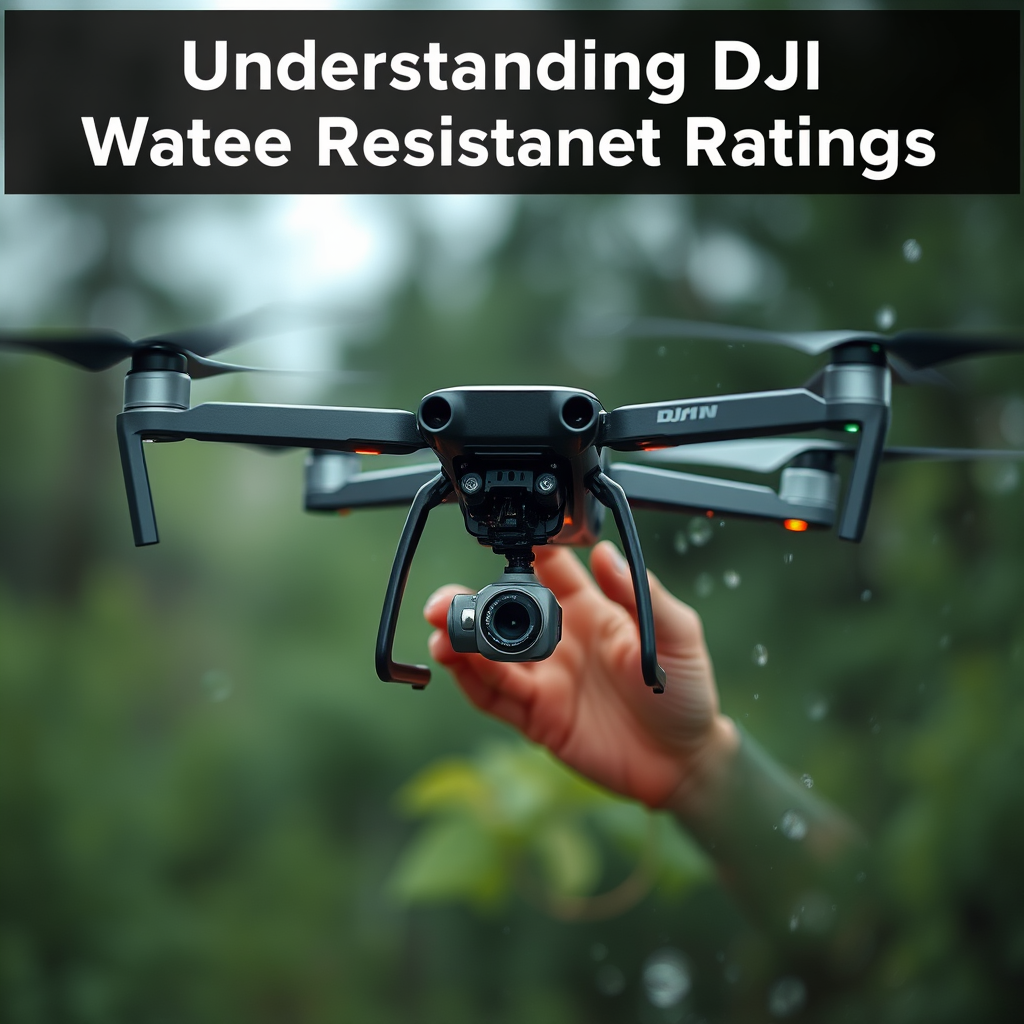
DJI drones are often assigned an Ingress Protection (IP) rating, which indicates their level of resistance to dust and moisture. The IP rating consists of two numbers: the first indicates dust resistance, while the second denotes moisture protection. For instance, an IP43 rating means the drone is protected against splashes of water up to 60 degrees from vertical, making it suitable for light rain and splashes but not for heavy downpours. On the other hand, an IP67 rating indicates that the drone is dust-tight and can withstand temporary immersion in water, although it is still not advisable to expose it to water intentionally.
Understanding these ratings is critical for drone enthusiasts who wish to use their equipment in varying weather conditions. Familiarizing yourself with a specific model’s IP rating can help you make informed decisions about when and where to fly, ensuring you don’t inadvertently expose your drone to conditions beyond its capabilities.
Popular DJI Models and Their Water Resistance
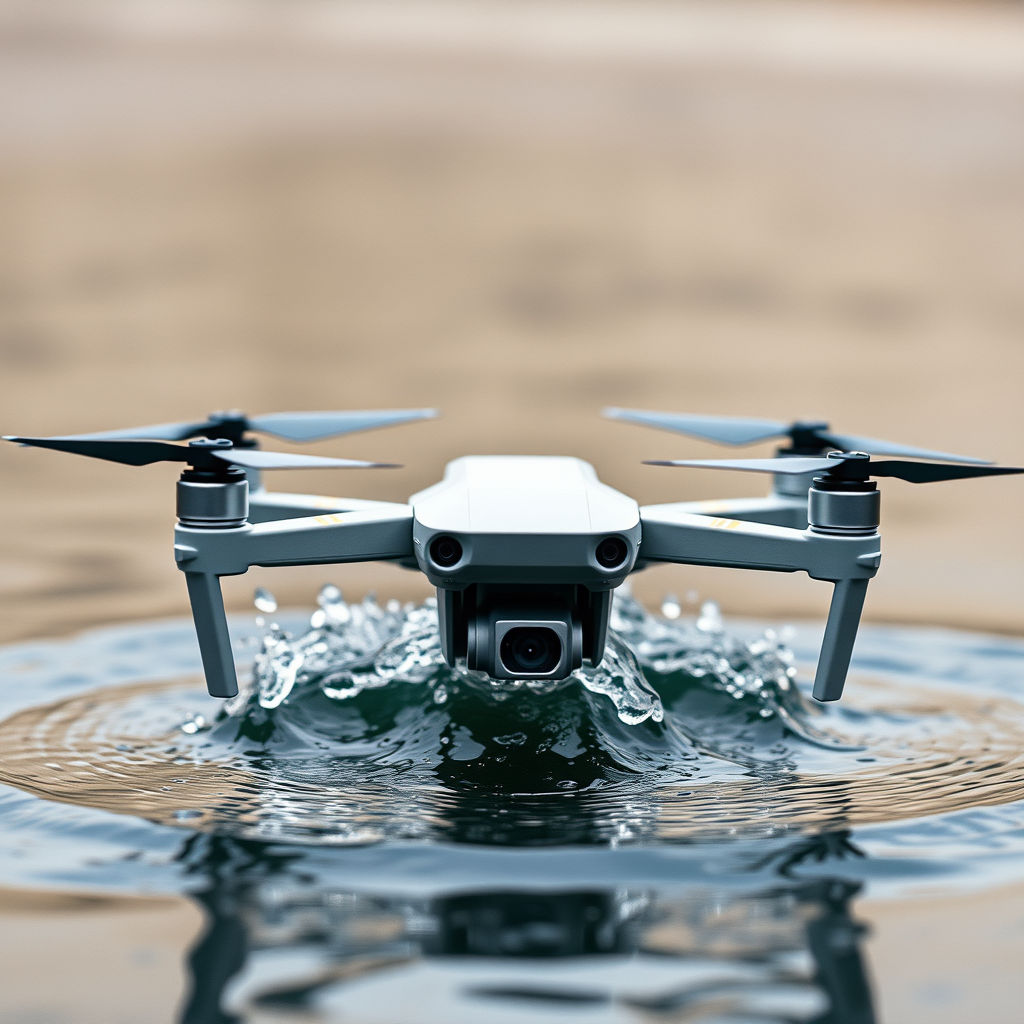
Different DJI models exhibit varying levels of water resistance. For example, the DJI Mavic Air 2 is rated for light rain and splashes, making it a good choice for users who might encounter occasional drizzle during their flights. However, users should exercise caution as exposure to heavy rain can lead to water infiltration, potentially damaging the internal electronics.
The DJI Phantom 4 series offers a slightly better ability to handle moisture thanks to its design, which can withstand some light moisture; however, it is important to avoid flying in heavy rain. Models like the DJI Mini 2 and Mavic Mini do not have any official water resistance rating, so it is advisable to keep them away from wet conditions altogether.
As you consider which drone to purchase or use in wet conditions, be sure to refer to the manufacturer’s specifications and user reviews for insights into each model’s performance in adverse weather.
Tips for Using Drones in Wet Conditions
To minimize the risk of water damage when flying your drone in wet conditions, consider the following tips:
1. Check Weather Conditions: Always assess the weather forecast before your flight. Avoid flying if rain is imminent or if there are chances of thunderstorms, as these factors could lead to unexpected exposure to moisture.
2. Use Protective Covers: Invest in drone covers or waterproof housing designed for your specific model. These protective accessories can help shield your drone from splashes and light rain, providing an additional layer of security against moisture.
3. Monitor Flight Duration: If you must fly in light rain, keep your flights brief. The longer your drone is exposed to moisture, the greater the risk of water damage.
4. Stay Alert: If you notice any changes in performance or unusual noises from your drone during flight, bring it down immediately to avoid potential damage.
By taking these precautions, you can significantly reduce the risks associated with flying drones in wet conditions and extend the life of your equipment.
What to Do If Your Drone Gets Wet
If your DJI drone does get wet, acting quickly and correctly can mitigate the chances of severe damage. Here are the steps to follow:
1. Turn Off the Drone: Immediately power down the drone to prevent any electrical short-circuiting. If the drone is still functioning, do not attempt to land it; rather, bring it down gently if possible.
2. Remove the Battery: After turning off the drone, remove the battery as quickly as possible. This will help eliminate any potential electrical hazards and allow for better drying.
3. Dry the Exterior: Use a soft cloth to gently wipe down the exterior of the drone. Avoid using heat sources like hair dryers, as excessive heat can cause damage to sensitive components.
4. Allow to Air Dry: Place the drone in a dry, ventilated area to allow it to air dry completely. Depending on the extent of the exposure, it may take several hours to a couple of days for the drone to dry out fully. Avoid powering it back on until you are certain it is completely dry.
5. Check for Moisture: Before attempting to fly again, check for any signs of moisture in the battery compartment and other openings. If you see moisture, allow it to dry longer.
By following these steps, you can minimize damage and potentially save your drone from permanent issues caused by water exposure.
User Experiences: Real-Life Stories
Real-world experiences from DJI drone users highlight both the challenges and successes of flying in wet conditions. One user recounted flying their DJI Mavic Air 2 during a light drizzle. They reported that despite the rain, the drone performed well, capturing stunning aerial shots without any adverse effects. This experience underscores the Mavic Air 2’s capability to endure light moisture.
Conversely, another user shared a cautionary tale about flying a DJI Phantom 4 in heavier rain conditions. The drone was exposed to prolonged drizzle, which eventually led to electronic failure. After attempting to power it back on, the drone revealed signs of short-circuiting, necessitating extensive repairs. This experience serves as a reminder that even drones with some level of water resistance can be susceptible to damage if not operated within their limitations.
These user stories highlight the importance of understanding your drone’s capabilities and adapting your flying habits to the weather conditions.
Maintenance Tips for Water-Damaged Drones
If you suspect that your drone may have been damaged by water exposure, regular maintenance and monitoring are key. Here are some essential tips:
1. Inspect Regularly: Conduct regular inspections of your drone, focusing on areas where moisture might accumulate, such as the battery compartment, camera housing, and propeller mechanisms. Look for any signs of corrosion or residue, which might indicate water damage.
2. Clean After Use: If your drone has been exposed to rain or moisture, clean it thoroughly after every flight. Use a soft, dry cloth to wipe it down and ensure that any moisture is removed, particularly from sensitive areas.
3. Consider Professional Servicing: If you suspect significant water exposure has affected your drone, consider taking it to a professional servicing center. Technicians can perform comprehensive checks and repairs that may not be possible at home.
4. Store Properly: When not in use, store your drone in a dry, temperature-controlled environment. Avoid keeping it in damp areas, as prolonged exposure to humidity can lead to corrosion and other issues.
By adhering to these maintenance tips, you can help prolong your drone’s lifespan and ensure it remains in optimal condition.
Understanding the water resistance of DJI drones is key to preserving their longevity and performance. While some models can handle light moisture, it’s important to take precautions. If you’re planning to fly in wet conditions, ensure you’re equipped with the right knowledge and protective measures. For more tips and updates on drone care, subscribe to our newsletter!
Frequently Asked Questions
Are DJI drones water-resistant?
Most DJI drones are not fully water-resistant; however, some models, like the DJI Mavic 2 Enterprise and the DJI Matrice series, offer limited water resistance. It’s essential to check the specific model’s specifications and ratings, as exposure to moisture can damage the electronics and impair flight performance. For optimal safety, avoid flying any DJI drone in rainy conditions or over water unless explicitly designed for such environments.
What should I do if my DJI drone gets wet?
If your DJI drone gets wet, immediately turn it off and remove the battery to prevent short-circuiting. Dry the exterior with a soft, dry cloth and place the drone in a bag of uncooked rice or silica gel to absorb moisture for at least 24 hours. Avoid using a hairdryer or any heat source, as this can damage sensitive components. If you suspect significant water damage, consult a professional repair service.
How can I protect my DJI drone from water?
To protect your DJI drone from water, consider using waterproof drone bags or covers specifically designed for your model. Additionally, investing in a drone that is rated for water resistance can greatly reduce the risk of damage. Always check weather forecasts before flying, and avoid flying in rainy or humid conditions to ensure your drone remains safe and operational.
Which DJI drones are best for flying in wet conditions?
The DJI Mavic 2 Enterprise and the DJI Matrice 300 RTK are among the best options for flying in wet conditions, as they feature improved water resistance ratings. These models are built for professional use and can handle light rain or splashes. However, it’s important to note that even these drones should not be submerged in water or flown in heavy rain, as excessive moisture can still cause damage.
Why is it important to know about water resistance in drones?
Understanding water resistance in drones is crucial for maintaining the longevity and performance of your device. Flying in wet conditions can lead to irreversible damage, including short circuits and failure of electronic components. By knowing your drone’s water resistance capabilities, you can make informed decisions about flying conditions, ensuring safe operation and protecting your investment.
References
- https://en.wikipedia.org/wiki/DJI_Drones
- https://www.pcmag.com/news/are-dji-drones-waterproof
- https://www.theverge.com/2020/7/7/21309908/dji-mavic-air-2-water-resistance-test
- https://www.techradar.com/news/are-dji-drones-waterproof-or-water-resistant
- https://www.reuters.com/article/us-dji-drone-idUSKBN2B20GG
